
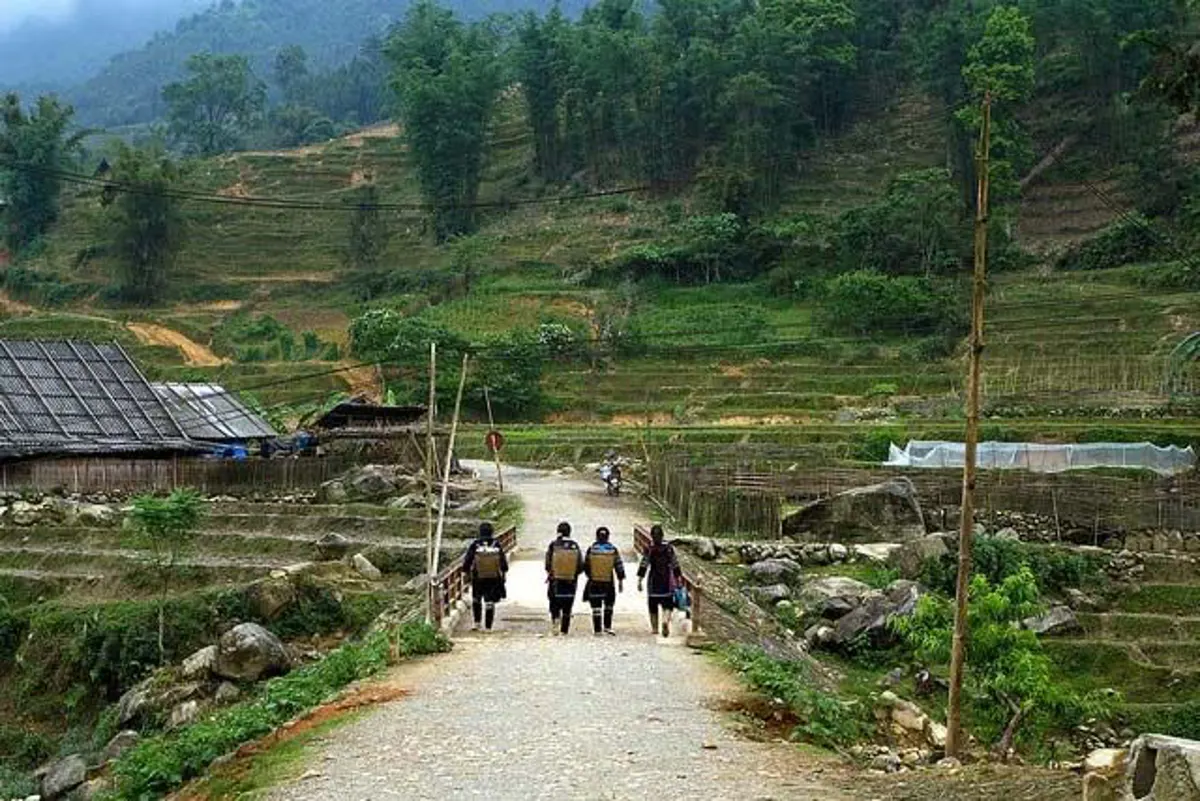
Sapa, situated within the Hoàng Liên Sơn Mountain Range, is renowned for its scenic hiking routes, extensive rice terraces, and the diverse heritage of its eight distinct ethnic minority groups. For visitors seeking to explore this unique region, adopting practices that support its natural environment and cultural traditions is important. This guide provides recommendations for experiencing Sapa in a mindful and beneficial way.
Engaging with Local Culture in Sapa
A fundamental aspect of responsible travel in Sapa involves understanding and respecting its local cultures. Many ethnic communities in this region maintain traditional attire, reside in simple villages, and uphold long-standing customs. Observing daily life, particularly at morning markets, offers a window into these rich traditions. For a comprehensive guide to Sapa's diverse markets, including daily town hubs and weekly ethnic fairs, further resources are available.
Visitors can explore specific markets to witness local commerce and interaction. Mường Hum hosts a smaller, pleasant Sunday morning market. For a larger experience, Bắc Hà Market, located approximately a three-hour drive away, is a significant trading hub where locals exchange a wide array of goods and agricultural products, showcasing a broader spectrum of regional life.
Another way to connect with local heritage is through traditional crafts. Learning about the unique handmade garments of different tribes through workshops focused on sewing, embroidery, weaving, or batik provides deeper insight into their artistry. These intricate costumes can take months to complete, reflecting significant skill and dedication. For purchasing authentic handcrafted items, the IndigoCat store offers a selection of bags, jackets, and pillows made with ethnic designs.
Cultural Engagement Opportunities
- Mường Hum Market: A smaller market held on Sunday mornings, offering a glimpse into local life.
- Bắc Hà Market: A larger regional market, approximately three hours' drive from Sapa, known for diverse goods and cultural exchange.
- Workshops: Participate in sessions for sewing, embroidery, weaving, or batik to learn about traditional costume making.
- IndigoCat Store: Offers authentic ethnic designs, including bags, jackets, and pillows, supporting local artisans.
- ETHOS: Provides community-based tours such as motorbike excursions, sewing classes, and photography tours, designed for responsible visitors.
Responsible Trekking and Mountain Exploration
Sapa features numerous trekking companies, and prioritizing operators that are locally owned and committed to sustainable principles is advisable. Before setting out, travelers can consult with their guide to tailor an itinerary that matches their interests, whether focusing more on mountain walks or learning about village life. For those interested in exploring Vietnam's diverse guided tour options, including those extending beyond Hanoi, additional information can be found.
For multi-day or overnight treks, sleeping in one of the small ethnic villages in the mountains offers a profound cultural experience. Treks often begin with a visit to a wet market to purchase food for the journey. The hikes typically involve walking through hills, enjoying the mountain air, and following guides along winding paths, with stops for photographs. Lunch is frequently prepared over an open fire. Afternoons might include visits to scenic viewpoints, bamboo groves, or waterfalls. Sapa offers trails suitable for various fitness levels, encouraging participants to enjoy the pace and scenery.
Recommended Tour Providers
- ETHOS: Offers community-based tours, including motorbike rides, sewing classes, and photography tours, with a focus on responsible travel.
- Sapa Sisters: Known for providing customized tours led by local guides, offering insights into Sapa's history and contemporary life for its ethnic minorities.
Sustainable Accommodation Choices
Selecting accommodation in Sapa presents a range of options, from staying within the main town to lodging amidst the terraced fields. Choices vary from establishments offering amenities like pools and buffets to those providing family-style hospitality. Among the most distinctive options are homestays, where guests reside with an ethnic family. This arrangement supplements the family's farming income and provides guests with opportunities to hear local stories, sample traditional dishes, and connect with residents.
For those seeking a more relaxed escape, Topas Ecolodge provides bungalows with views of Sapa's misty peaks and terraced valleys, enhanced by its two saltwater pools. Beyond its amenities, the lodge is recognized for its commitment to sustainability. It employs over 100 staff members from nearby villages, implements wastewater and glass recycling programs, actively reduces plastic use and packaging, and sources ingredients from local suppliers. Topas Riverside Lodge also offers similar eco-conscious hospitality.
Accommodation Options
- Homestays: Offer an opportunity to live with local ethnic families, supporting their income and providing cultural exchange through shared meals and stories.
- Topas Ecolodge: A mountain retreat offering views and eco-friendly practices. It supports local employment, recycles waste, minimizes plastic, and uses local suppliers.
- Topas Riverside Lodge: Features chefs preparing hotpots, wood-fired barbecue, and seasonal dishes from organic farm ingredients, similar to Topas Ecolodge in its commitment to local sourcing.
Traditional Wellness and Local Flavors
A notable Sapa experience is the traditional herbal bath. The Red Dzao women have refined a recipe for a therapeutic soak, utilizing bark and leaves gathered from local forests. These ingredients are chopped, sun-dried, and then boiled in large pots to create a fragrant, steamy mixture. This bath is traditionally used to relieve muscle fatigue, prevent illness, and aid women in postpartum recovery.
Visitors can dedicate a few hours to the Sapa-napro bathhouse in Tả Phìn village. A half-hour soak in a barrel of warm, bubbly herbal liquid costs approximately 150,000 VND (please verify current pricing locally). Afterward, guests can enjoy a meal or hot chocolate at the adjacent cafe, accompanied by views of Sapa. Alternatively, for those preferring to stay in town, the Victoria Sapa Resort & Spa offers herbal baths followed by a massage. Visitors interested in combining wellness with the highland environment might also explore yoga in Sapa.
Sapa's cuisine, like much of Vietnam's, emphasizes fresh, locally sourced produce. Ethnic families typically consume herbs, vegetables, river fish, and smoked buffalo meat. Adventurous eaters might explore unique ethnic dishes, while others will appreciate the region's fresh handmade tofu and chayote leaves (rau su su) sautéed with garlic. Sapa's rainbow trout is a local specialty, often served in a warm soup or grilled with spices and wrapped in rice paper with cucumber, greens, and herbs.
The Hill Station Restaurant on Fansipan Street provides cooking classes focused on Black H'mong cuisine, which includes a visit to the local market for ingredient sourcing. For guests staying at Topas Ecolodge or Topas Riverside Lodge, the chefs prepare meals such as hotpots, wood-fired barbecue dinners, and seasonal spreads using ingredients from the lodges' organic farms.
Wellness and Dining Options
- Sapa-napro bathhouse: Located in Tả Phìn village. Cost: Approximately 150,000 VND for a 30-minute herbal soak (verify current pricing locally).
- Victoria Sapa Resort & Spa: Offers herbal baths and massages within Sapa town.
- The Hill Station Restaurant: On Fansipan Street, offers Black H'mong cooking classes including a market trip.
- Topas Ecolodge / Topas Riverside Lodge: Features chefs preparing hotpots, wood-fired barbecue, and seasonal dishes from organic farm ingredients.
Planning Your Journey to Sapa
Several convenient transportation options are available for traveling to Sapa from Hanoi. Limo vans offer a comfortable choice, taking approximately five to six hours from downtown Hanoi and dropping passengers directly in Sapa town. From there, taxis can transport travelers to homestays and lodges in the surrounding valleys.
Another popular method is the overnight train, an eight-hour journey from Hanoi to Lào Cai. Upon arrival in Lào Cai, an additional hour-long ride is necessary to reach Sapa town. For those preferring a direct and private transfer, hiring a private car and driver from Hanoi to Sapa is an option. Understanding the broader context of North Vietnam's cities, mountains, and coastal attractions can further enhance travel planning.
Transportation Details (from Hanoi to Sapa)
| Method | Approximate Cost (one way, verify locally) | Travel Time | Notes |
|---|---|---|---|
| Limo Van | From 450,000 VND | 5-6 hours | Drops off in Sapa town; taxis available for onward travel. |
| Night Train | From 900,000 VND | 8 hours to Lào Cai + 1 hour by road to Sapa town | Requires an additional road transfer from Lào Cai. |
| Private Car & Driver | About 3.5 million VND | Varies (typically faster than public transport) | Direct transfer from Hanoi to Sapa. |
Frequently Asked Questions
What makes Sapa a destination for sustainable travel?
Sapa offers opportunities to support local ethnic communities through homestays, purchasing handmade crafts, and engaging with locally-owned tour operators. These choices help preserve cultural heritage and contribute directly to the local economy, fostering a more responsible tourism model.
Can I participate in cultural workshops in Sapa?
Yes, Sapa provides various workshops where visitors can learn traditional crafts such as sewing, embroidery, weaving, or batik. These activities offer insight into the intricate processes behind the ethnic groups' distinctive costumes and provide a direct connection to their artistic traditions.
How can I ensure my trek in Sapa is responsible?
To ensure a responsible trek, select tour companies that are locally owned and committed to sustainable practices. Engaging with guides from the local community not only provides authentic insights into the region's history and culture but also ensures that tourism benefits the residents directly.
Are there specific dishes I should try in Sapa?
Sapa's cuisine highlights fresh, local ingredients. Recommended dishes include handmade tofu, chayote leaves (rau su su) sautéed with garlic, and the region's famous rainbow trout, often served in soup or grilled. For a deeper culinary experience, consider a cooking class focusing on Black H'mong cuisine.
What are the main ways to travel to Sapa from Hanoi?
Travelers from Hanoi can reach Sapa by comfortable limo vans, which take approximately five to six hours, or by an overnight train journey to Lào Cai, followed by a shorter road transfer to Sapa town. Private car services are also available for a more direct route.








