
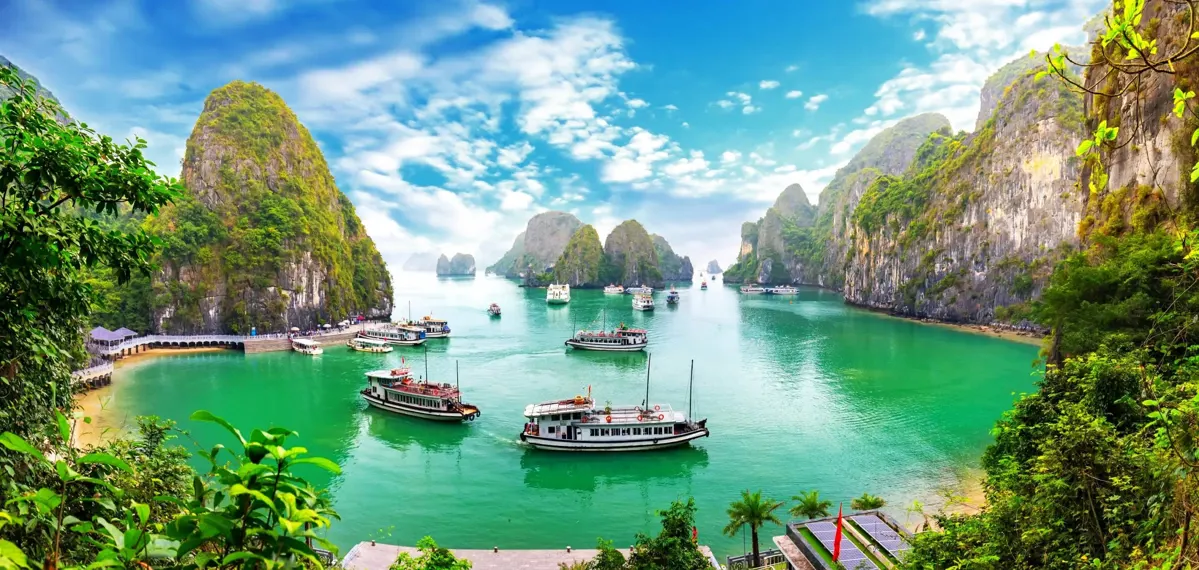
Halong Bay, a UNESCO World Heritage site, is renowned for its dramatic limestone formations and emerald waters, but it also hosts a distinctive cultural element: its floating villages. These communities, once home to numerous fishing families, provide a window into a traditional existence centered on the sea. While many residents have relocated to the mainland, several villages remain accessible to visitors, offering insight into their unique heritage and the lives of those who continue to maintain a connection to the bay.
The Legacy of Halong Bay's Water Communities
For generations, families in Halong Bay and nearby Lan Ha Bay established communities directly on the water, relying on fishing for their livelihoods. Life in these floating settlements presented various challenges, particularly concerning access to education and resources for children. In response, the Vietnamese government initiated efforts to support these families, assisting with relocation to mainland housing and providing alternative employment opportunities.
Today, a smaller number of families choose to remain in these water villages, preserving ancestral customs and contributing to the region's tourism sector with their distinct way of life. These enduring communities form an important part of Vietnam's broader system of floating settlements, each possessing individual characteristics that set it apart while collectively enhancing the cultural landscape of Halong Bay.
Notable Floating Villages for Travelers
Halong Bay features several floating villages that welcome visitors, each offering a different perspective on life on the water. Below are four prominent examples, detailing their locations, historical significance, and what travelers can expect.
Cua Van Floating Village
Situated approximately 20 kilometers from the Tuan Chau tourist pier in Hung Thang commune, Cua Van is recognized as the largest and oldest floating village in Halong Bay. This community has garnered international attention, previously listed among the world's most beautiful seaside villages by Travel + Leisure and among the 16 most beautiful ancient villages globally by Journeyetc.com in 2012. The village comprises around 300 colorful floating homes, set against a backdrop of towering limestone karsts and calm waters, creating a compelling scene for visitors. Travelers can explore Cua Van by traditional rowing boat or kayak, observing the daily routines of its inhabitants and appreciating the surrounding natural splendor. Given its distance from the mainland, arranging a cruise often proves the most convenient way to reach Cua Van. Cruises that have previously included this village in their itineraries include Paradise Sails (reported from USD $127 per person), Paradise Elegance (reported from USD $163 per person), and Melody Private Cruise (reported from USD $710 per person). Please note that these prices are historical and subject to change; travelers should verify current rates directly with cruise operators.
Vung Vieng Fishing Village
Found within the central area of Bai Tu Long Bay, roughly 24 kilometers from the mainland, Vung Vieng fishing village dates back to the 19th century. It originated as a place where ancient fishermen would anchor their vessels and engage in trade. A distinctive feature of Vung Vieng is Cao Cave, also known as Tall Cave, which is considered a symbolic gateway to the village. While a directive in 2012 encouraged residents of floating villages to move to the mainland, Vung Vieng still hosts a few dozen households living on boats or rafts. Many of the remaining locals now work in tourism, guiding visitors and sharing their traditions. This village maintains a traditional character, attracting travelers interested in experiencing local fishing activities or exploring the serene environment by rowing boat or kayak. A Bai Tu Long Bay cruise is typically the preferred method for reaching Vung Vieng.
Ba Hang Floating Village
Located at the base of Dau Go island, near Thien Cung cave in Halong Bay, Ba Hang is known for being a smaller, more secluded, and quieter floating village. Its name, "Three Caves," refers to three mysterious caves that become visible and navigable by boat during low tide. Ba Hang gained additional recognition as a filming location for the movie Kong: Skull Island. Prior to 2014, approximately 50 households primarily engaged in fishing resided here. Following government relocation efforts to enhance living conditions, the village no longer hosts active fishing families. However, some individuals continue to work here, providing rowing boat services for tourists. Visitors to Ba Hang can witness a natural setting characterized by large limestone formations, diverse plant life, and tranquil waters. Kayaking offers an independent way to explore, while rowing boats provide an opportunity for photography. To visit Ba Hang, which is about 3 kilometers south of Tuan Chau Port, travelers can typically book a Route 1 Halong Bay boat trip departing daily from Tuan Chau Harbor or Halong Port. One travel company, Azgo Travel, previously offered a 4-hour trip to Halong Bay including Ba Hang for around USD $29 per person. Their contact details were info@azgotravel.vn and +84 383 144 244. Travelers should confirm current availability and pricing with Azgo Travel or other tour operators.
Cong Dam Fishing Village
Situated in Bai Tu Long Bay, in the northeastern part of Vietnam and quite distant from the mainland, Cong Dam fishing village is celebrated for its isolated and unspoiled character. The area is often described as an open-air geological museum, preserving formations that date back 340 million years. It features numerous ponds, subterranean lakes within limestone mountains, and several small and large white sandy beaches. Although the village once supported a population of around 120 people who maintained traditional fishing cultures, these residents have since moved to the mainland for improved living conditions. Consequently, while Cong Dam retains its traditional value and pristine environment, active fishing families no longer reside there. Its remote location contributes to a fresh atmosphere and untouched scenery, making it suitable for relaxation and activities like kayaking in its clear blue waters. Visiting Cong Dam typically involves booking a cruise that includes this location in its Bai Tu Long Bay itinerary.
For those considering a trip to the region, understanding the local financial infrastructure can be helpful. Banking services in Halong City are available for international visitors, ensuring convenient access to ATMs and currency exchange.
Comparing Halong Bay's Accessible Floating Villages
To assist in planning your visit, here is a comparison of the four prominent floating villages in Halong Bay:
| Village Name | Location | Key Features | Current Resident Status | Primary Activities for Visitors |
|---|---|---|---|---|
| Cua Van | Hung Thang commune, ~20km from Tuan Chau pier | Largest & oldest; recognized internationally; ~300 colorful houses | Some families still reside | Rowing boat tours, kayaking, observing daily life |
| Vung Vieng | Center of Bai Tu Long Bay, ~24km from mainland | Established 19th century; Cao Cave symbol; traditional character | Few dozen households; many now serve tourism | Rowing boat tours, kayaking, fishing experiences |
| Ba Hang | Foothill of Dau Go island, near Thien Cung cave, ~3km S of Tuan Chau Port | Smaller, quieter; "Three Caves" at low tide; Kong: Skull Island filming site | No active fishing families; some locals provide boat services | Rowing boat tours, kayaking, scenery viewing |
| Cong Dam | Bai Tu Long Bay, remote northeast region | Isolated, unspoiled; geological museum; ponds, lakes, sandy beaches | No active fishing families; retains traditional value | Kayaking, scenery viewing, relaxation on beaches |
Planning Your Visit to Halong Bay's Water Villages
When preparing for an excursion to these distinctive water communities, several practical considerations can enhance your experience. The optimal period for a visit is generally from September to November, when the weather tends to be mild and agreeable, making conditions pleasant for outdoor activities on the bay.
For those interested in interacting with local fishermen and observing a more active community life, Cua Van and Vung Vieng are typically recommended, as these villages still have residents maintaining a connection to their traditional lifestyles. Other villages, while culturally significant, have seen their populations relocate to the mainland.
Many travelers opt for a day trip to explore Cua Van or Vung Vieng, which is a suitable choice for those with limited time or who prefer to stay on land overnight. These day excursions often utilize specific routes, such as Route #3 or #4, to access the villages. However, for a more comprehensive experience that includes deeper exploration of Bai Tu Long Bay and its more remote areas like Cong Dam or Vung Vieng, booking an overnight cruise is often the most practical approach.
Visitor Guidelines for Floating Villages
To ensure a comfortable and respectful visit to Halong Bay's floating villages, keep the following advice in mind:
- Packing Light: If you plan to participate in kayaking or rowing boat activities, carrying minimal items is advisable.
- Appropriate Attire: Wear comfortable clothing suitable for water-based activities and movement on boats.
- Sun Protection: Apply sunscreen generously, as exposure to the sun on the water can be significant.
- Photography: Remember to bring cameras or smartphones to capture the unique scenery and cultural moments.
While exploring the local culture, consider bringing back a piece of Vietnam with you. Essential souvenirs and unique purchases from a trip to Vietnam include traditional handicrafts, silk products, and local delicacies, offering lasting memories of your journey.
Frequently Asked Questions
Are there still people living in Halong Bay's floating villages?
While many residents have relocated to the mainland due to government initiatives, some families continue to live in villages like Cua Van and Vung Vieng. In other villages such as Ba Hang and Cong Dam, the original fishing populations have moved, though some individuals may still work there, often assisting with tourism activities.
What is the best way to visit a floating village?
The most common methods for visiting floating villages are by joining a cruise or a day boat tour. Cruises often include visits to specific villages as part of their itineraries, particularly for those located further into the bay. For villages closer to the mainland, day trips by boat are a popular option. Travelers can explore the villages themselves via rowing boats or kayaks, often guided by locals.
When is the ideal time to visit these water communities?
The period from September to November is generally considered the best time to visit Halong Bay's floating villages. During these months, the weather is typically mild and pleasant, providing comfortable conditions for exploring the bay and its communities.
Can I visit a floating village on a day trip?
Yes, it is possible to visit certain floating villages, such as Cua Van and Vung Vieng, on a day trip. Many tour operators offer specific day boat routes (e.g., Route #3 or #4) that include these destinations, making it a convenient option for travelers who prefer not to book an overnight cruise or have limited time.
What should I bring for a visit to a floating village?
For a visit involving activities like kayaking or rowing, it is advisable to pack lightly and wear comfortable, casual clothing. Essential items include sunscreen for sun protection and a camera or smartphone to capture photographs of the distinctive scenery and cultural aspects of the villages.








