
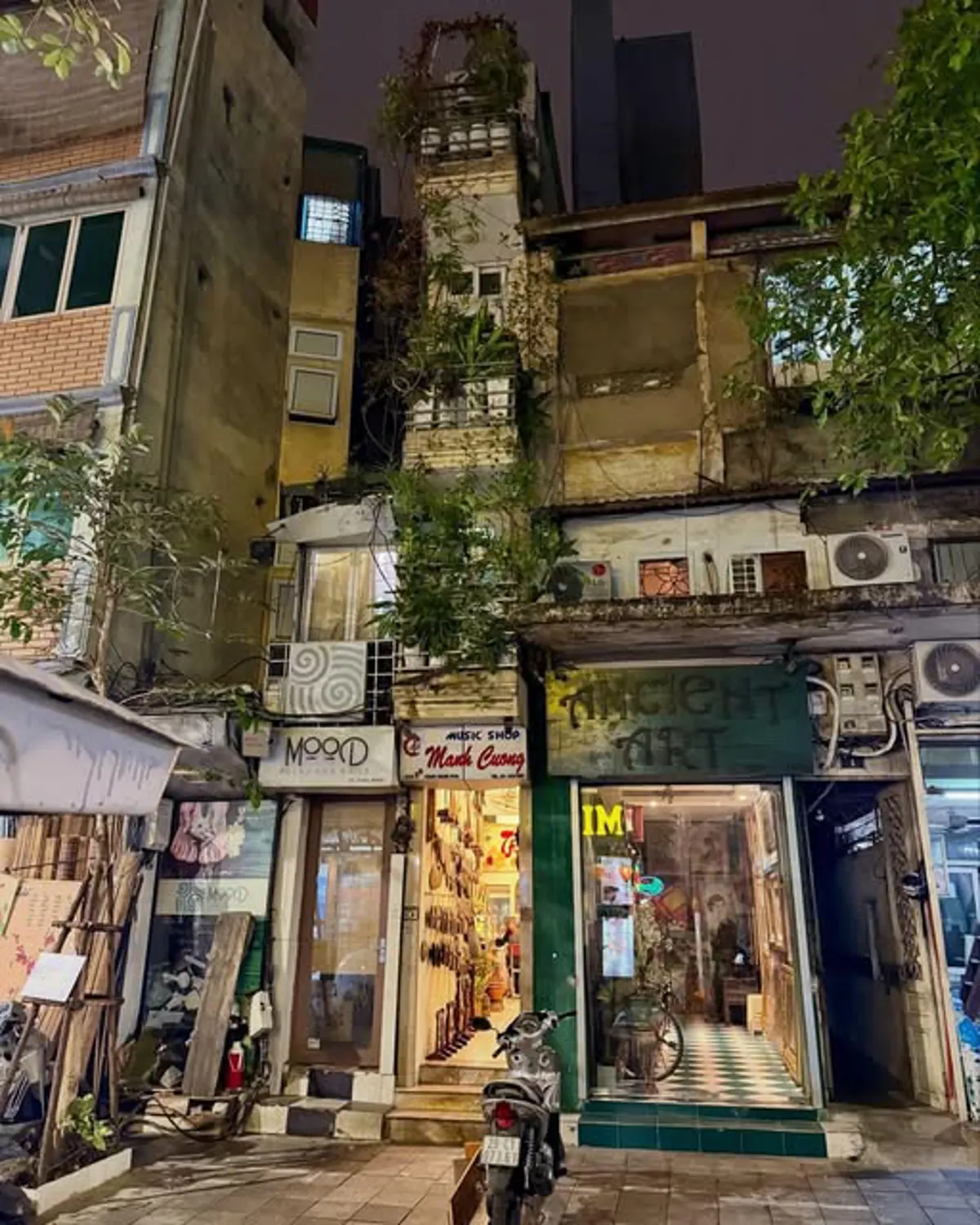
Hanoi's Old Quarter offers visitors a distinctive urban experience, characterized by its traditional architecture, public green spaces, long-standing businesses, and readily available street food. This historic district is best explored on foot, allowing for a close-up view of its daily rhythms and diverse offerings.
Navigating the Historic Streets
The Old Quarter's 36 guild streets can initially seem overwhelming due to their constant activity. However, this perpetual motion is integral to the area's character. Observing the scene from a sidewalk cafe provides a relaxed introduction to the district's energy, where bicycle vendors offer fresh produce, locals engage in board games, and cooks prepare traditional Vietnamese dishes like phở and bún chả. As one spends more time exploring, the rewards include discovering quiet alleyways, serene pagodas, and inviting coffee shops.
An initial tour by cyclo can provide a gentle way to become acquainted with the Old Quarter. These traditional three-wheeled conveyances, once a primary mode of transport in Hanoi, move at a pace that allows passengers to observe street life without the concern of navigating traffic. Following this introduction, visitors can then select specific streets for exploration on foot. The Old Quarter's original 36 streets were historically designated by the trades or crafts practiced there, supplying goods to the Thang Long Citadel. While many streets have changed their specialties, some still maintain their historical vocations, offering unique photographic opportunities. For example, Hàng Bạc (Silver Street) continues to host jewelry stores and currency exchange services, reflecting its past as a center for silversmiths. Hàng Mã is known for religious items and festive decorations, while Hàng Gai, formerly associated with a pink dye, now focuses on fabrics and custom tailoring. Lãn Ông street is recognized for its traditional medicines and herbal remedies.
Architectural and Historical Landmarks
The Old Quarter showcases a rich layering of historical influences, evident in its architecture and significant sites. The Ô Quan Chưởng Gate, reconstructed in 1817 from an original 1749 structure, stands as the sole remaining entrance from the ancient wall that once protected the Thang Long Citadel area. Named in honor of a Vietnamese soldier's bravery during a French assault in 1873, it symbolizes Vietnamese resilience. Throughout the historic center, numerous pagodas built by early traders can be found, reflecting the area's past as a settlement for Chinese immigrants who also established businesses here. Mã Mây House, a UNESCO-protected heritage site, offers insight into the lives of these Chinese merchant families.
For a moment of quiet reflection amidst the urban activity, Bà Đá Pagoda provides a tranquil courtyard accessible via an alley off Nhà Thờ street. This pagoda houses an elaborate Phật Phật statue, considered one of Hanoi's significant cultural treasures. The imposing St. Joseph Cathedral, constructed in 1886, serves as a prominent reminder of French colonial architecture with its neo-Gothic design dominating the surrounding streetscape. Characteristic "tube houses" with their narrow facades and deep, multi-courtyard layouts are common throughout the Old Quarter, designed to maximize light penetration. Additionally, Soviet-era apartment blocks can be observed along Hàng Điếu street, adding another architectural layer to the district. A more recent point of interest is Train Street, where cafes and shops have emerged along the active railway tracks, attracting many visitors for its distinctive photo opportunities. To gain a deeper understanding of the city's past, consider exploring key historical sites across Hanoi.
Leisure and Recreation at Hoàn Kiếm Lake
Hoàn Kiếm Lake, a central green space in urban Hanoi, is a favored spot for both relaxation and community activities. Locals often suggest "đi một vòng hồ," meaning "let's go for a ride around the lake," highlighting its importance as a social hub. The lake is particularly popular during early mornings and late afternoons. Before sunrise, joggers frequent its tree-lined paths, individuals practice tai chi, and friends gather for games. The evening scene mirrors this activity, with couples joining the crowds on benches to enjoy snacks and tea by the water's edge.
A walk around the lake reveals several notable features, including the distinctive red Húc Bridge, the Ngọc Sơn Temple, and the iconic Turtle Tower. On weekends, the area around Hoàn Kiếm Lake becomes a pedestrian zone, free from vehicles, transforming into a lively public space where residents of all ages engage in entertainment and outdoor exercise. A local custom involves purchasing ice cream from Tràng Tiền street, making an evening stroll around the lake with this treat a quintessential Hanoi experience. For unique views of the lake and surrounding architecture, Phố Cổ Rooftop Cafe is a recommended stop.
A Taste of Local Cuisine
The Old Quarter is renowned for its array of specialized eateries and long-established food stalls. Visitors can sample nộm bò khô, a dish featuring beef jerky and papaya topped with peanuts, available on Hoàn Kiếm street. For Vietnamese desserts, Chè Bốn Mùa restaurant is a popular choice for its lotus seed and black jelly sweet soup. Bún chả, a grilled pork with noodle dish, can be savored at Bún Chả Hương Liên, famously visited by President Obama, or at a less crowded alternative on Hàng Quạt street. Coffee shops are also central to Hanoian social life, serving as places for conversation and observation. Cafe Giang is celebrated for its original egg coffee. Another dish originating from the Old Quarter is chả cá lá vông, a flavorful combination of fish marinated in turmeric and spices, grilled and served with rice noodles, dill, and peanuts, first popularized at Lá Vông restaurant.
On weekend evenings, Hàng Đào street transforms into a night market, offering a chance to try unique Hanoian street foods such as snail meatballs, grilled quail, and cured pork sausage. For a comprehensive overview of the district's culinary offerings, consult A Culinary Exploration of Hanoi's Old Quarter.
| Venue | Specialty | Location | Notes |
|---|---|---|---|
| Chè Bốn Mùa | Chè (Vietnamese dessert) | Not supplied | Popular for lotus seed and black jelly sweet soup. |
| Bún Chả Hương Liên | Bún chả | Not supplied | Famed for presidential visit. |
| Cafe Giang | Egg coffee | Not supplied | Originator of egg coffee. |
| Lá Vông restaurant | Chả cá lá vông | Not supplied | Original home of the dish. |
Shopping for Souvenirs and Local Crafts
While large shopping centers are not a feature of the Old Quarter, retail activity thrives at street level. Streets such as Hàng Dầu, Lý Quốc Sư, Tạ Hiện, and Hàng Da host numerous stores selling apparel, bags, footwear, and sportswear, often catering to tourists. For a more curated shopping experience, Vui Studio, the minimalist boutiques on Chân Cầm street, and the small natural beauty shops on Hội Vũ street offer alternative selections.
Those interested in textiles and embroidery will find Tân Mỹ Design on Hàng Gai, which features fabrics from Vietnamese designers. For Vietnamese souvenirs, Collective Memory on Nhà Chung is a recommended stop. Nearby, Craft House Cathedral provides accessories, stationery, and candles. Hanoia, situated near Hoàn Kiếm Lake, specializes in lacquerware items.
Experiencing Hanoi's Evening Atmosphere
As evening approaches, the Old Quarter transitions from its daytime commerce to a lively social scene. The district offers various options for evening entertainment. Before sunset, Diamond Sky Bar provides a high-level perspective with expansive views of the Old Quarter. For carefully crafted drinks, Polite Co. is an option, or The Mad Botanist offers premium gin and tonics with a view of St. Joseph Cathedral.
On the streets, the local "bia hoi" tradition sees Vietnamese residents gathering at sidewalk corners for extended meals and numerous rounds of fresh draft beer, often continuing late into the night. This communal experience offers a genuine glimpse into local social life. Bia Hoi Junction, particularly on Tạ Hiện Street, is a well-known spot where both travelers and locals sit on small plastic stools, enjoying beer in the open air. A common toast to share in the Old Quarter is "một, hai, ba, dô!" For more information on Hanoi's Evening Scene, explore our dedicated guide.
Frequently Asked Questions
What is the best way to explore Hanoi's Old Quarter?
The Old Quarter is highly walkable, making foot exploration ideal. For an initial overview, a cyclo tour can provide a relaxed introduction to the streets and their activity before venturing out on foot.
What kind of unique architecture can be found in the Old Quarter?
The Old Quarter is known for its "tube houses," which are characterized by narrow facades but extend deep and high, often incorporating multiple courtyards for natural light. Visitors can also observe French colonial structures like St. Joseph Cathedral and Soviet-influenced apartment blocks.
Are there specific streets known for certain goods in the Old Quarter?
Historically, streets were named for their trades. Today, Hàng Bạc still features jewelry, Hàng Mã sells religious and festival items, Hàng Gai offers fabrics and tailoring, and Lãn Ông is known for traditional medicines.
Where can I try authentic local food in the Old Quarter?
The Old Quarter provides many culinary options. Specific recommendations include Chè Bốn Mùa for desserts, Bún Chả Hương Liên for bún chả, Cafe Giang for egg coffee, and Lá Vông restaurant for chả cá lá vông. The weekend night market on Hàng Đào street also offers diverse street food.
What activities are popular around Hoàn Kiếm Lake?
Hoàn Kiếm Lake is a center for morning exercises like jogging and tai chi, evening strolls, and social gatherings. On weekends, it becomes a pedestrian area with various public entertainment and activities.








