
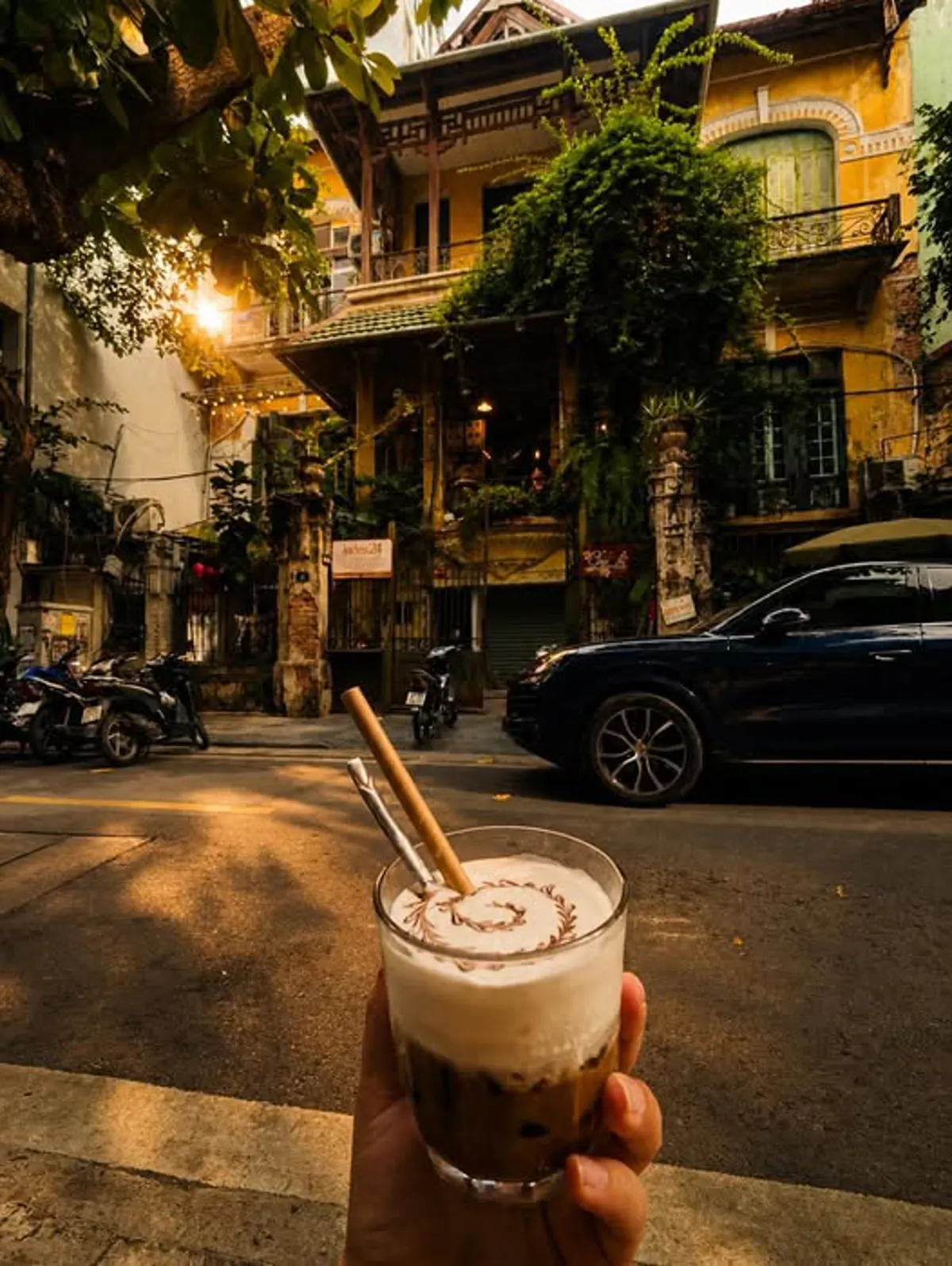
Hanoi, Vietnam's capital, offers a rich array of historical sites, cultural experiences, and modern diversions for travelers. The city presents diverse activities, from ancient temples and colonial architecture to lively markets and contemporary art spaces. This guide highlights key destinations for those exploring Hanoi's unique character, which has evolved over a thousand years from its founding along the Red River by Emperor Ly Thai To in 1010, when it was named Thang Long (soaring dragon).
The city's long history includes periods of conflict, natural events, and various administrations, transforming it from its original swampland into the significant capital it is today. Visitors can observe ancient architectural details, navigate the flow of motorbikes, and enjoy local beverages in areas like the Old Quarter.
Historical and Spiritual Landmarks
Hanoi is home to several sites that reflect its deep historical roots and spiritual traditions, offering visitors a glimpse into the nation's past and cultural beliefs. These locations range from solemn mausoleums to ancient pagodas and grand cathedrals, each telling a part of Vietnam's story.
Ho Chi Minh Mausoleum
This commanding structure, built between 1973 and 1975, serves as the final resting place for Hồ Chí Minh, a pivotal figure in Vietnamese political history. Each morning, both local residents and international visitors form queues to pay their respects to his preserved body, which is displayed in a glass case, clad in a khaki uniform.
One Pillar Pagoda
Emperor Ly Thai To commissioned this distinctive Buddhist wooden pagoda in 1049, positioning it in the center of a lotus pond atop a single stone pillar. Historical records suggest its construction honored the Goddess of Mercy, who reportedly granted the Emperor's wish for a male heir. The architecture is designed to evoke a lotus flower emerging from water, symbolizing purity in Buddhist thought.
Ngoc Son Temple
The Ngoc Son Temple, also known as The Temple of the Jade Mountain, is situated on a small, tree-covered island on the northern side of Hoan Kiem Lake. A striking scarlet bridge connects it to the mainland. This traditional Vietnamese structure was erected to honor Saint Van Xuong, a respected scholar, and General Tran Hung Dao, a national hero. In 1884, a Confucian scholar initiated renovations, adding parallel sentences (câu đối) or word puzzles to the temple walls.
Temple of Literature
Emperor Ly Thanh Tong established the Temple of Literature (Văn Miếu) in 1070 during the Ly dynasty, dedicating it to the philosopher Confucius and his followers. By 1076, the site also became home to Quốc Tử Giám, Hanoi’s first university. This location is among Hanoi's oldest and symbolizes Vietnamese education and architectural heritage. Currently, the temple features five courtyards, stone steles recording the names of Vietnamese scholars, and turtle statues, which are believed to bring good fortune to students taking examinations.
Saint Joseph's Cathedral
Also referred to as Hanoi Cathedral, Saint Joseph’s Cathedral was constructed on the former site of the Bao Thien Tower, a significant landmark during the Ly Dynasty. Its architect drew inspiration from the Neo-Gothic style of Notre Dame de Paris. Visitors can expect to see a diverse congregation and many Vietnamese couples posing for wedding photographs.
Cultural Insights and Artistic Expressions
Hanoi’s cultural institutions and performance venues provide deep insights into Vietnamese heritage and contemporary artistic endeavors. From museums preserving historical narratives to theaters showcasing traditional arts, these sites offer enriching experiences.
Vietnamese Women's Museum
Regarded as one of Vietnam's contemporary museums, the Vietnamese Women’s Museum features a range of exhibitions. These displays include artifacts, traditional clothing, crafts, personal accounts, and photographs spanning the last century, illustrating the significant contributions of Vietnamese women to their nation's history and social fabric.
Museum of Ethnology
This museum offers an examination of the daily lives of Vietnam's 54 ethnic minority groups. Designed collaboratively by ethnic Tay architect Ha Duc Linh and French architect Veronique Dolfus, the institution features three primary exhibition areas. Displays include cultural attire, artisanal crafts, videos, and historical items. The outdoor section presents life-sized reproductions of traditional ethnic architecture.
The Water Puppet Theatre
With origins tracing back to the 11th century, water puppet shows provide light entertainment and an introduction to Vietnamese folklore. Puppeteers stand in waist-deep water, manipulating lacquered wooden figures with bamboo poles from behind a screen, recreating scenes from traditional village life.
Hanoi Opera House
Erected at the beginning of the 20th century, this colonial-era structure stands as Vietnam's largest theater. After nearly a century of use, the Opera House underwent extensive renovation in 1997, receiving modern equipment. Currently, it hosts performances by acclaimed artists, theatrical productions, and musical events. Visitors interested in cultural showcases might consider attending 'My Village' at this venue, which combines acrobatics, traditional dance, and music.
Urban Exploration and Leisure
Beyond its historical and cultural sites, Hanoi offers dynamic urban areas and serene natural spaces for relaxation and observation. These locations provide a sense of the city’s daily rhythm and opportunities for both activity and quiet contemplation.
The Old Quarter
Hanoi's historic Old Quarter spans approximately one square kilometer and comprises 36 distinct streets. Since the 15th century, each street specialized in particular goods, with artisans and merchants trading the merchandise for which their street was named. Today, the area retains its traditional character. Visitors can stroll from streets once dedicated to silver to those known for bamboo, silk, or decorations, all located close to one another. For an evening experience, the intersection of Ta Hien and Luong Ngoc Quyen, often referred to as "bia hơi corner," offers an opportunity to sample local street food and inexpensive beverages.
Hoan Kiem Lake
Local legend recounts that Emperor Ly Thai To received a magical sword from a giant golden turtle residing in the lake, which he used to defeat the Ming dynasty. Following his victory, the Emperor returned the sword to the turtle, who then submerged to return it to the gods. Hoan Kiem Lake is appreciated for its aesthetic appeal and as a place to observe the daily routines of Hanoi residents, such as morning exercises and Tai Chi by the water.
X Space Immersive
Offering a contemporary counterpoint to Hanoi’s historical streets, ancient temples, and traditional museums, X Space Immersive provides an engaging modern escape. Located within Vincom Mega Mall Royal City, this advanced indoor digital art venue integrates light installations, 3D mapping technology, and interactive sensors. Guests can explore various themed rooms inspired by mythology, natural environments, the ocean, and celestial bodies. Beyond its artistic appeal, X Space Immersive serves as an air-conditioned refuge from Hanoi’s variable climate, suitable for avoiding summer heat or sudden tropical downpours.
Planning Your Visit to Hanoi's Attractions
To make the most of your time exploring Hanoi's many points of interest, consider a few practical aspects. The city's climate varies throughout the year; for instance, understanding Hanoi weather in December can help with packing and planning outdoor activities, while knowing what to expect from August weather is useful for summer trips. Many sites are concentrated in central districts, making walking or short taxi rides convenient. It is always advisable to verify current operating hours and admission fees directly with the venues, as these details can change.
When visiting religious or solemn sites like mausoleums and temples, dressing modestly is generally recommended out of respect. Comfortable footwear is also essential, as exploring areas like the Old Quarter often involves considerable walking. For those interested in other major Vietnamese cities, a guide to essential sights in Ho Chi Minh City can provide further travel inspiration.
Essential Visitor Information for Hanoi's Key Sites
| Attraction | Address | Admission (VND) | Hours (Verify) |
|---|---|---|---|
| Ho Chi Minh Mausoleum | So 1, Hung Vuong, Dien Bien, Ba Dinh | 35,000 | 8am - 11am, Tue-Thu, Sat-Sun (December to September), last entry 10:15am |
| One Pillar Pagoda | Chua Mot Cot, Doi Can, Ba Dinh | 25,000 | 8am - 11:30am daily, and 2pm - 4pm, Tue-Thu, Sat-Sun |
| The Old Quarter | North of Hoan Kiem Lake | Free | 7am to midnight |
| Hanoi Opera House | So 01, Trang Tien, Hoan Kiem | 300,000 | Check the website for performance schedules |
| Vietnamese Women's Museum | 36 Ly Thuong Kiet, Hang Bai Ward, Hoan Kiem | 30,000 | 8am - 5pm, Tue-Sun |
| The Water Puppet Theatre | 57b Dinh Tien Hoang, Hoan Kiem | 100,000 | 3:30pm, 5pm, 6:30pm, 8pm, 9:15pm daily, additional performance on Sundays at 9:30pm |
| Hoan Kiem Lake | N/A | Free | Open all day |
| Ngoc Son Temple | Hoan Kiem Lake | 20,000 | 7:30am - 5:30pm, every day |
| Temple of Literature | 58 Quoc Tu Giam, Dong Da | 30,000 | 8am - 5pm (November to March); 7:30am - 6pm (rest of year), Tue-Sun |
| Museum of Ethnology | Nguyen Van Huyen, Nghia Do, Cau Giay | 40,000 | 8:30am - 5:30pm, Tue-Sun |
| Saint Joseph's Cathedral | 40 Nha Chung, Hoan Kiem | Free | 8am - noon, 2pm - 6pm, every day |
| X Space Immersive | Vincom Mega Mall Royal City, 72A Nguyen Trai, Thanh Xuan, Ha Noi | From 165,000 | 10am - 10pm, every day |
Frequently Asked Questions
What is the best way to get around Hanoi to see these attractions?
Hanoi offers several transportation options. For short distances, walking is ideal, especially in the Old Quarter. Taxis and ride-hailing apps are readily available for longer journeys. Cyclos (pedicabs) provide a unique way to experience the city at a slower pace, while local buses offer an economical choice for those comfortable with public transport routes.
Are there any dress code requirements for religious sites?
Yes, when visiting religious or solemn sites such as the Ho Chi Minh Mausoleum, temples, and pagodas, it is appropriate to dress modestly. This typically means covering shoulders and knees. Removing hats is also a common sign of respect in these locations.
What is "bia hơi" and where can I try it?
"Bia hơi" refers to a type of fresh, light draft beer unique to Vietnam, often brewed daily and served without preservatives. It is known for being inexpensive and is a popular social drink. You can typically find it at local establishments, with a well-known concentration of vendors at the intersection of Ta Hien and Luong Ngoc Quyen in the Old Quarter, often called "bia hơi corner."
Is Hanoi suitable for family travel with children?
Hanoi can be a rewarding destination for families. Many attractions, such as the Water Puppet Theatre, Hoan Kiem Lake (for observing local life and legends), and the Museum of Ethnology (with its outdoor exhibits), can be engaging for children. The X Space Immersive also offers a modern, interactive experience that might appeal to younger visitors. However, the city's busy streets require careful supervision of children.








