
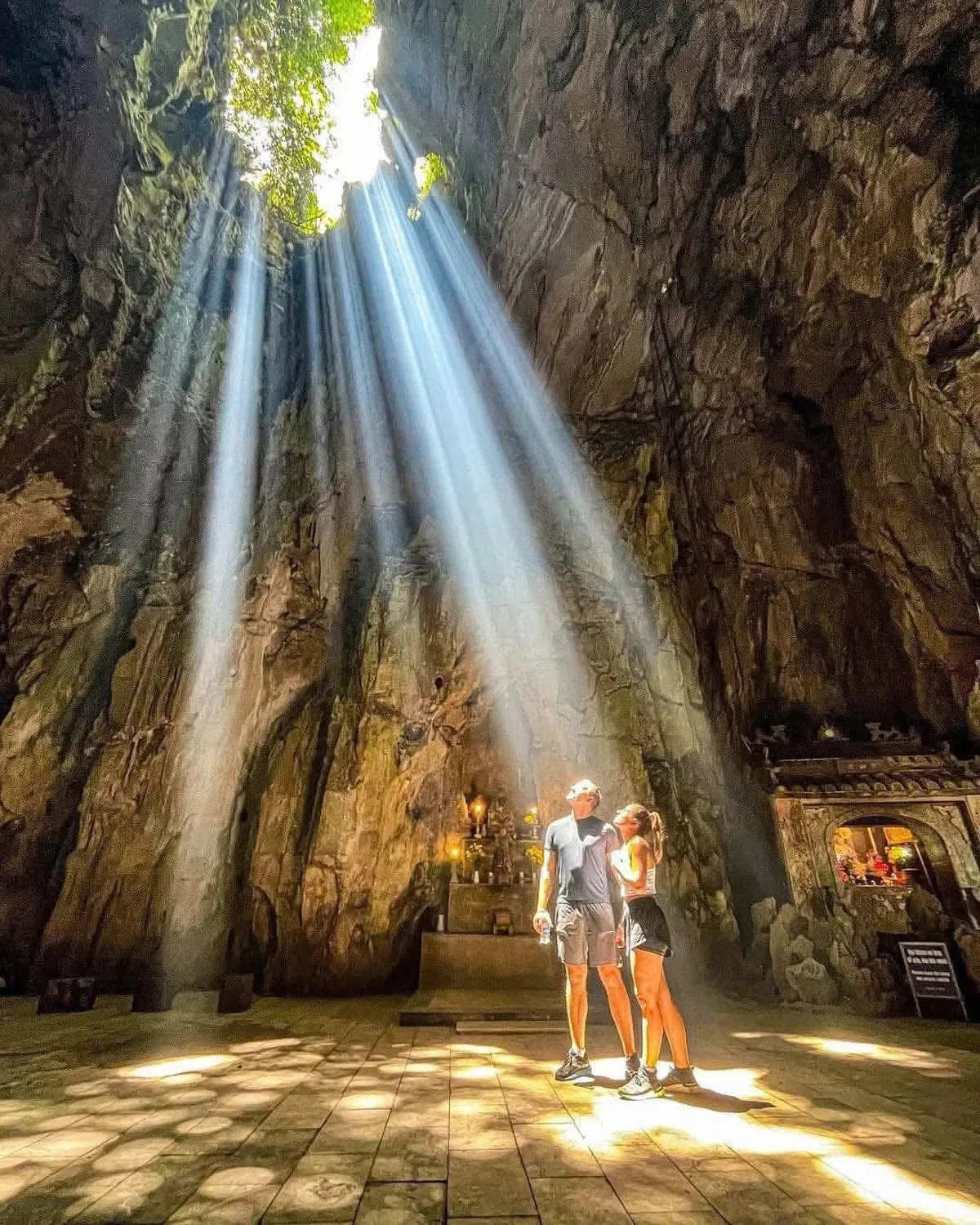
Hoi An, a historic town in Vietnam, provides a wealth of visual opportunities for those looking to capture its unique character through photography. Its preserved architecture, atmospheric streetscapes, and cultural elements combine to create a compelling backdrop for images. Visitors can find numerous settings that reflect centuries of history and local life, making it a favored destination for photographers.
Hoi An's Enduring Visual Appeal
For hundreds of years, Hoi An has drawn the attention of artists and photographers alike. During the 18th century, it functioned as a crucial trading hub in the South China Sea, where various languages were spoken in its narrow pathways, and craftspeople exchanged materials and concepts. Local handicrafts, such as ceramics, found their way to distant markets, including Egypt and Portugal. This dynamic past is evident in structures like the Japanese Bridge and various Chinese temples, where the architecture serves as a tangible record of Japanese, Chinese, and European influences.
The town center, free from vehicle emissions and heavy traffic, allows pedestrians to wander among buildings painted in a distinctive golden-yellow hue. Here, local women often gather to sell fresh produce and handmade items from bamboo baskets, beneath strings of silk lanterns. Beyond the urban core, rice paddies stretch towards the horizon, shifting through countless shades of green or mirroring the sky in flooded fields. Designated a UNESCO World Heritage Site in 1999, Hoi An continues to emanate the historical weight and spirit of its long commercial and cultural narrative, inspiring many who visit to engage with its beauty through a lens.
Iconic Locations for Photography in Hoi An
Hoi An offers several specific sites that are particularly well-suited for photography, each presenting distinct visual characteristics.
The Japanese Covered Bridge
Constructed in the 16th century, the Japanese Covered Bridge served to link the Chinese and Japanese communities within the Vietnamese settlement. Today, it stands as a prominent symbol of Hoi An and Vietnam, even appearing on the 20,000 VND banknote. A temple situated on its northern side is dedicated to the Taoist deity of weather, which gives the bridge its Vietnamese name, Chùa Cầu, meaning 'temple bridge'.
To avoid large groups, consider visiting early in the morning; crossing the bridge at this time typically does not incur a fee. Photographs taken inside the bridge can highlight its historical depth, featuring Chinese script and guardian statues of monkeys and dogs. Exterior shots showcase the refined qualities of its design, with dark carved wood accented by red lacquer and gold, set against the sunny-yellow buildings on either riverbank. As night falls, the bridge becomes illuminated with soft colored lights, creating a clear reflection in the water below.
Hoi An's Signature Yellow Architecture
Many visitors find themselves captivated by the city's unique butter-yellow buildings, spending extended periods exploring the narrow passages between ancient structures that wind through the urban landscape. This particular shade of yellow leaves a strong impression on those who visit and photograph the town. Within these alleys, blue and green doors and windows open onto French-style balconies. The natural wear on the paintwork adds to the character of the walls beneath. The intricate network of buildings provides many chances to experiment with scale, perspective, and color contrast. For a striking visual, wearing a bright red garment can create a vivid contrast against the yellow. Finding a suitable spot to compose a shot and then waiting for bicycles or individuals dressed in traditional ao dai to pass by can yield a classic cultural image.
Ancient Temples and Pagodas
Hoi An is home to numerous ornate temples, displaying a blend of architectural styles. These sites provide ample opportunities for compelling photography. Visitors can move through garden courtyards, stepping under lines of lanterns and past gold and red Chinese calligraphy and detailed carvings. While some temples require an entry ticket, many are accessible without a fee. Keep an eye out for Buddhist drums and gongs, Daoist cosmological symbols and trigrams, elaborate gates, engraved altars, painted doorways, and carved wooden figures of spirits and dragons. Some of these structures date back to the 14th and 15th centuries, predating significant Japanese and Chinese influences and even Hoi An's identity as a Vietnamese city. The architectural legacy of the Hindu-influenced Champa empire can also be observed in the broader region, with examples such as the My Son Sanctuary.
The Lanterns of Hoi An
Perhaps more than any other element, the strings of silk lanterns symbolize Hoi An. Originally introduced by the Japanese, who adopted them from the Chinese, these traditional lanterns have become a firmly established Vietnamese craft, produced in Hoi An for centuries. During the day, they hang in various bright colors from doorways or are displayed in the windows of shops, serving as a characteristic feature of the historic town. Daytime photographs can capture the different shapes, colors, and patterns against the yellow walls. However, the lanterns truly come alive after sunset. Heading to the Old Town just before dusk allows visitors to see everything gently lit as pedestrians stroll by, with many looking upwards. When full darkness arrives, the lanterns glow with high contrast. Early dusk is often considered the ideal time for capturing images of faces illuminated by the lanterns without the background becoming lost in silhouette.
Panoramic Views from Faifo Coffee
While many of Hoi An's best photographic moments occur at street level, Faifo Coffee offers a notable exception. This establishment is one of the few buildings in Hoi An featuring a rooftop terrace, providing a unique and expansive perspective across the city's rooftops. On clear, sunny days, the yellow buildings with their brown roofs appear to ripple like sharp, triangular waves against the blue sky, extending towards the horizon. The coffee served here is generally regarded as high quality, making the wait for an ideal shot more pleasant. The rooftop area can become busy with individuals taking their own pictures, so patience is often required while enjoying the atmosphere and the view.
Practical Advice for Photographers in Hoi An
To make the most of your photography experience in Hoi An, consider these practical suggestions. Timing is crucial; early mornings often provide softer light and fewer crowds, especially at popular landmarks like the Japanese Covered Bridge. This allows for clearer shots and a more serene atmosphere. Similarly, late afternoons and early evenings, particularly during the 'golden hour' before sunset, offer warm, diffused light that enhances the town's colors and creates dramatic shadows, ideal for capturing the lanterns as they begin to glow.
When composing your shots, look for opportunities to incorporate local elements. Women in traditional ao dai, bicycles, and the intricate details of temple carvings can add authenticity and depth to your images. Experiment with different angles and perspectives, especially in the narrow alleys, to create unique compositions. Don't forget to look up to capture the hanging lanterns or down to find reflections in puddles after rain. For those interested in diverse photographic subjects across Vietnam, exploring destinations like Sapa can offer different cultural and landscape opportunities, such as capturing miniature landmarks and scenic spots in Sapa.
Preserving Hoi An's Heritage Through Images
Hoi An's status as a UNESCO World Heritage Site underscores its global importance, recognizing its exceptionally well-preserved example of a Southeast Asian trading port from the 15th to 19th centuries. The town's architecture and urban plan reflect indigenous and foreign influences, particularly Chinese, Japanese, and European, which have combined to produce this unique heritage site. By photographing Hoi An, visitors contribute to an ongoing visual record of its enduring character. Each image helps to document the town's living history, from its ancient structures to its daily customs, ensuring that its legacy is appreciated and remembered.
The absence of modern development within the Old Town helps maintain its historical integrity, allowing photographers to capture scenes that feel almost untouched by time. This commitment to preservation means that the visual elements that made Hoi An a significant trading port centuries ago are still present today, offering a consistent and rich subject for photography. Through careful observation and respectful engagement, photographers can help share the story of Hoi An's cultural and commercial past with a wider audience.
Frequently Asked Questions
When is the best time of day to photograph Hoi An?
The best times for photography in Hoi An are typically early morning, to avoid crowds and benefit from soft light, and late afternoon through early evening, especially during the 'golden hour' before sunset, when the light is warm and the lanterns begin to illuminate.
Are there any fees to enter the photographic spots mentioned?
The Japanese Covered Bridge can often be crossed without a fee if visited early in the morning. For temples in the Old Town, some may require an entry ticket, while many others are free to access. Faifo Coffee requires a purchase to use its facilities, including the rooftop terrace.
What makes Hoi An's yellow buildings so distinctive?
Hoi An's buildings are painted in a specific golden-yellow hue that has become a signature characteristic of the town. This color, combined with the traditional architectural styles, creates a visually cohesive and appealing urban landscape, especially when contrasted with blue skies or green foliage.
Can I photograph local people in Hoi An?
It is generally acceptable to photograph street scenes and public areas in Hoi An. However, when photographing individuals, especially close-ups, it is courteous and respectful to ask for permission first. Many locals are accustomed to tourists and may be happy to pose.
What should I look for when photographing Hoi An's lanterns?
When photographing Hoi An's lanterns, consider their shapes, colors, and patterns during the day against the yellow walls. At night, focus on capturing their glow and the contrast they create against the darkening sky. Early dusk is ideal for capturing faces illuminated by the lanterns without losing background detail.








