
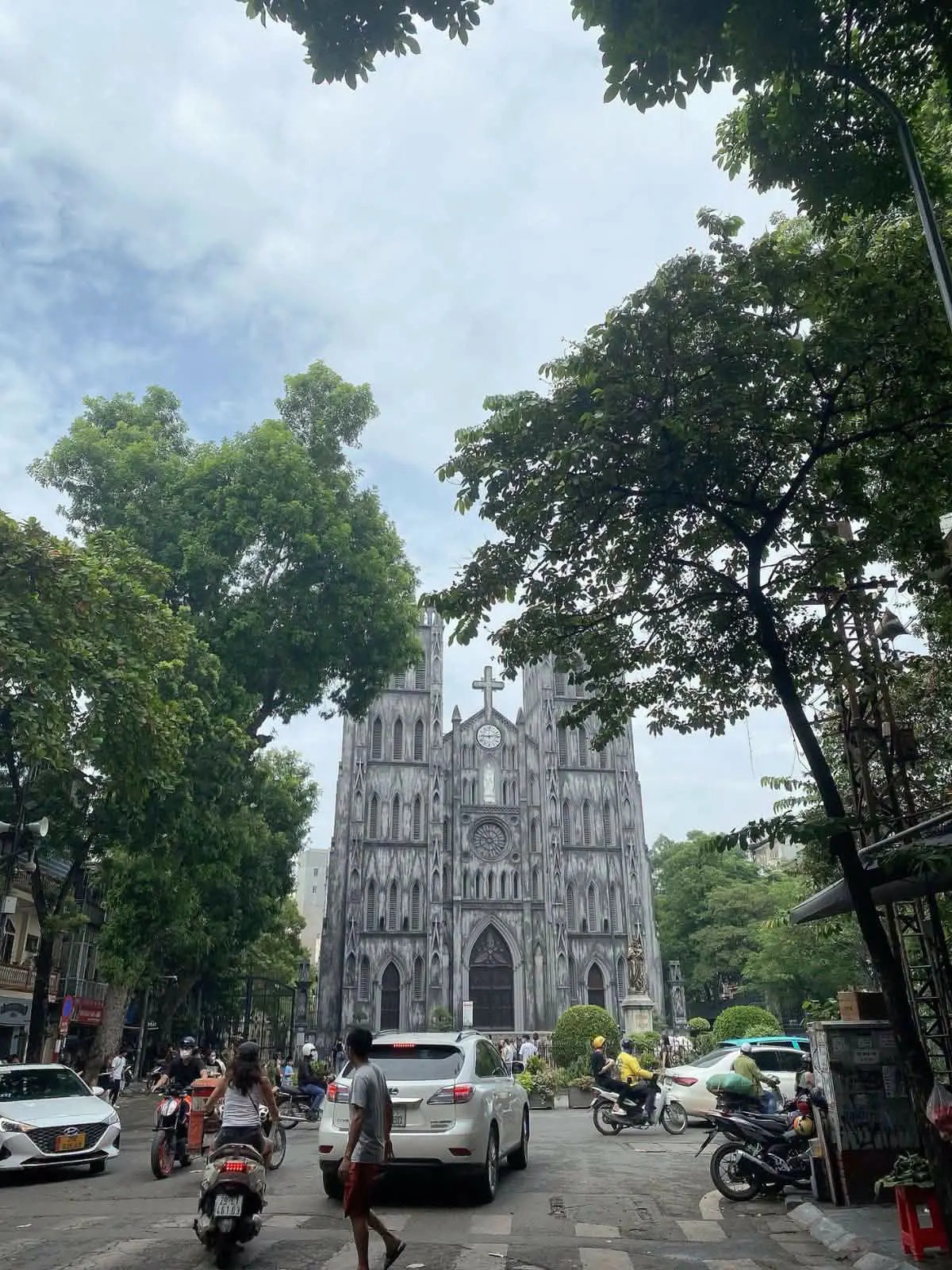
August in Hanoi marks a shift from the peak of summer towards autumn, characterized by warm temperatures, elevated humidity, and intermittent rain showers. Travelers visiting the Vietnamese capital during this month can anticipate a lively urban environment, offering a distinct view of local traditions and seasonal beauty. This period presents an opportunity to experience Hanoi with fewer crowds and potentially more favorable pricing for services.
Hanoi's August Climate Overview
Hanoi in August experiences a climate that balances summer warmth with the onset of the rainy season. Understanding these conditions helps visitors prepare for their trip and plan activities effectively. The weather during this month is generally warm, with daily fluctuations in temperature and regular precipitation.
The average temperature for August hovers around 29°C (84.2°F), with nighttime lows typically reaching 26°C (78.8°F) and daytime highs extending up to 32°C (89.6°F). While extreme heat is not common, the atmosphere remains warm throughout both day and night. The warmest part of the month usually occurs around mid-August, specifically from the 12th to the 16th, when temperatures can briefly climb to 30°C (86ºF). Towards the end of August, a slight reduction in temperature is observed, though conditions remain within the summer range.
August is notably one of the months with the highest rainfall in northern Vietnam, including Hanoi. The city typically experiences rain on 16 to 18 days, accumulating approximately 200mm (7.87 inches) of precipitation. These rains often manifest as sudden, heavy downpours, particularly in the afternoon or early evening. Some showers are brief and provide a refreshing break from the heat, while others may persist for several hours or even over a few days. Generally, daytime hours tend to be wetter than nighttime.
Humidity levels in Hanoi during August average around 75%, contributing to a muggy sensation, especially during the middle of the day. However, this humidity tends to decrease gradually as the month progresses, making the latter half of August feel somewhat more comfortable. Early mornings and evenings often provide more agreeable conditions for outdoor pursuits. Air quality in August is generally considered moderate, with PM2.5 concentrations around 20.8 µg/m³, which is typically safe for most individuals. The UV index averages around 7, indicating strong sun exposure during peak daylight hours, making sun protection essential.
Is August a Favorable Time to Visit Hanoi?
Despite the frequent rain, August can be a rewarding time to visit Hanoi. The city often appears refreshed and clean after the afternoon showers, with a distinct clarity in the air. The warmth, combined with the cooling effect of the rain, can make exploring the city quite pleasant for many travelers.
A significant advantage of choosing August for a Hanoi trip is that it falls outside the peak tourist season. This means that accommodations, tours, and other services are often available at more competitive rates. Visitors may also find that attractions are less crowded, allowing for a more relaxed experience and potentially better service from local establishments. For those who do not mind occasional wet weather, this period offers a chance to experience Hanoi's character without the usual throngs of visitors.
Engaging Activities for an August Trip to Hanoi
Hanoi, the capital of Vietnam, offers a rich array of historical sites, cultural experiences, and leisure activities suitable for various weather conditions. While walking or cycling are popular ways to explore, indoor options are readily available for rainy days.
A central experience involves a walk around Hoan Kiem Lake and the surrounding Old Quarter. This area features historical monuments such as the Turtle Tower, Ngoc Son Temple, and The Huc Bridge. In the evenings, the lake becomes illuminated, providing a pleasant setting for enjoying local treats like Trang Tien ice cream. Nearby, visitors can explore Dong Xuan Market, Bach Ma Temple, O Quan Chuong gate, or the historic 87 Ma May House. The Old Quarter is also renowned for its street food, with options like Pho Ly Quoc Su, Hang Buom noodles, spring rolls, and La Vong grilled fish.
West Lake, also known as the Lake of Mist, provides another scenic area for recreation. Activities here include boating, cycling along the perimeter, and enjoying the local dining scene. The lake typically draws many residents in the late afternoon, seeking cooler air or fishing. The Tran Quoc Pagoda, situated on an island in the lake's southeast corner, is a notable religious site worth visiting.
For those interested in Vietnam's past, a visit to Hoa Lo Prison, also known as Maison Centrale, offers insights into the treatment of prisoners during various conflicts. Exhibits include the guillotine and the "Cachot," a notoriously dark and cramped confinement area. The Vietnam Museum of Ethnology, located slightly outside the city center, showcases the diverse cultures of Vietnam's 54 ethnic groups through over 15,000 artifacts, photographs, and multimedia displays. It presents both indoor exhibitions and outdoor displays of traditional architecture.
August also features the celebration of the August Revolution. During this time, the city is adorned with flowers and national flags, and various museums host exhibitions displaying documents, images, and artifacts related to the 1945 revolution.
Memorable Souvenirs from Hanoi
When visiting Hanoi in August, several local specialties make excellent gifts or personal mementos. These items reflect the city's culinary heritage and traditional craftsmanship. For those looking for a diverse array of local products, Hanoi offers unique choices.
Here are some popular choices:
| Souvenir Item | Description | Typical Purchase Locations | Approximate Price (USD) |
|---|---|---|---|
| Che Lam | A traditional Vietnamese sweet made from milled roasted glutinous rice, peanuts, ginger, and molasses or sugar, dusted with rice powder. Offers a nutty flavor with a ginger hint. | Bao Minh Foods, 12 Hang Than, Ba Đình District, Hanoi | $0.95 - $1.91 per pack |
| Mut Sen (Candied Lotus Seed) | Lotus seeds prepared with a subtle floral aroma, mild sweetness, and crumbly texture. Valued for health benefits like promoting longevity and calming the mind. | Hang Dieu Street, Hanoi Old Quarter | $4.20 for 500g |
| O Mai | A traditional snack made from various dried fruits (apricot, dracontomelon, plum, tamarind, mango, kumquat) seasoned with sugar, salt, or spices, creating sweet, sour, and salty flavors. | Hang Duong Street, Hoan Kiem District, Hanoi; various O Mai stores in Hanoi | $1.15 - $8.59 (depending on type and packaging) |
Essential Travel Guidance for Hanoi in August
Preparing for a trip to Hanoi in August involves considering the warm and wet conditions to ensure comfort and convenience.
For getting around the city, walking is a pleasant option when the weather is agreeable. Motorbikes, either rented or via ride-hailing services, offer a convenient way to navigate Hanoi's streets. For excursions to destinations outside the city, such as Tam Dao, Ba Vi, or Ninh Binh, renting a motorbike for self-drive or taking a taxi are common recommendations. For longer journeys or exploring other regions, understanding options for train journey across Vietnam can be beneficial.
Regarding accommodation, visitors seeking a tranquil setting near natural areas might consider staying close to lakes like West Lake, Hoan Kiem Lake, or Van Quan Lake. Those prioritizing proximity to the historic Old Quarter and its attractions could look for lodging around streets such as Hang Buom, Hang Dao, Hang Gai, or Hang Bong. When planning your trip, remember to consider managing finances while abroad.
A suitable packing list for August in Hanoi should include light jackets and short-sleeved shirts for comfort in the warmth. A hat and a pair of comfortable walking shoes are advisable for daytime exploration. Given the frequent rain, a lightweight raincoat or an umbrella is essential. Sun cream is also important due to the strong UV index when the sun is out. Carrying both cash and a credit card is recommended for various expenses. Finally, a camera is useful for capturing the city's unique atmosphere.
Frequently Asked Questions
Is August typically the wettest month in Hanoi?
August is indeed one of the wettest months in Hanoi, alongside July and September, marking the peak of the rainy season. The city often experiences frequent and heavy rainfall, typically in the form of sudden, brief downpours or thunderstorms occurring in the late afternoon or evening. On average, Hanoi receives about 200mm of rain during August, with precipitation occurring on approximately 16 to 18 days of the month.
What indoor activities are recommended in Hanoi if it rains in August?
Hanoi offers numerous indoor activities suitable for rainy days. Visitors can attend a traditional water puppet show at the Thang Long Water Puppet Theatre or explore Vietnam's history at the Vietnam National Museum of History, housed in a colonial building. Culinary enthusiasts might enjoy a cooking class to learn authentic Vietnamese dishes such as Pho, spring rolls, or Bun Cha. For a cultural experience, consider a traditional tea or coffee tasting, perhaps trying the famous egg coffee at a local café. Additionally, shopping centers like Vincom Center or Lotte Center provide options for retail, dining, and entertainment.
What are the chances of tropical storms or typhoons affecting Hanoi in August?
August falls within the typhoon season for northern Vietnam, which generally runs from June to November. While Hanoi is situated inland and rarely experiences direct impacts from typhoons, the city can still be affected by heavy rains and strong winds if a storm impacts the Gulf of Tonkin. Such weather events may lead to localized flooding in lower-lying areas or cause disruptions to travel plans. It is advisable for travelers to monitor local weather forecasts closely and maintain flexible itineraries during this period.
What should I pack for a trip to Hanoi in August?
For an August trip to Hanoi, a practical packing list includes an umbrella or a compact raincoat for sudden tropical downpours. Quick-drying shoes or sandals are recommended as streets can become wet and slippery. Insect repellent is useful due to the prevalence of mosquitoes during the rainy season. Sunscreen and sunglasses are still necessary for protection against the high UV index when the sun is shining. A portable fan or cooling towel can help manage the humid heat, and a dry bag or waterproof pouch is advisable to safeguard electronics and important documents.








