
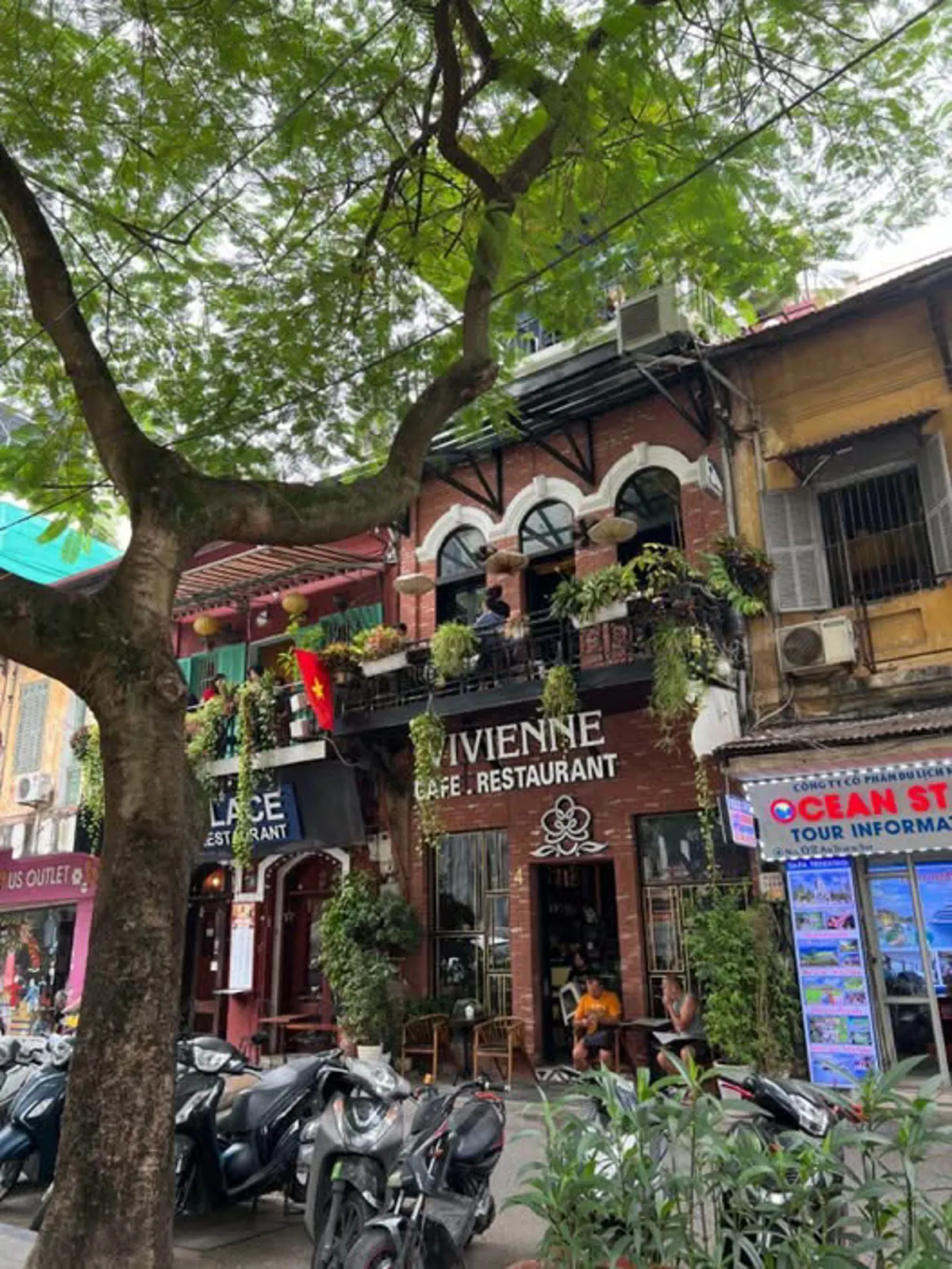
Hanoi's urban environment is a reflection of its complex past, showcasing a mix of architectural styles shaped by centuries of history. From the enduring influence of Chinese design to the refined aesthetics of French colonial structures, and the functional designs of the subsidy period, the city presents a compelling blend of building forms. One engaging method to experience this architectural variety is by visiting the many cafes that have repurposed historical buildings, allowing guests to appreciate their unique designs while enjoying a beverage.
Hanoi's Architectural Tapestry
The capital of Vietnam displays a fascinating array of building styles, each contributing to its distinctive character. Early influences from China are evident in traditional communal houses and temples, while the late 19th and early 20th centuries saw significant French colonial development. This era introduced grand villas, public buildings, and residential styles characterized by high ceilings, large windows, and decorative elements. Following the mid-20th century, the city's housing adapted to new economic and social conditions, leading to the rise of practical designs like the 'tube house' to accommodate a growing urban population on limited land.
These architectural layers create a visual narrative of Hanoi's development. Many older buildings, once grand residences or commercial spaces, have found new life as cafes, preserving their historical features for contemporary appreciation. This transformation allows visitors to engage with the city's past in a relaxed and accessible manner, offering a different perspective than traditional museums or historical sites.
Notable Cafes for Architectural Appreciation
Several cafes in Hanoi are particularly noteworthy for their architectural significance, each offering a distinct experience rooted in the city's structural history. These venues provide an opportunity to observe different eras and design philosophies firsthand.
- Loading T: Situated within the Old Quarter, Loading T occupies a section of a colonial villa dating back to 1932. This building exemplifies Indochina-era architecture, featuring olive-green shutters, curved balconies, and decorative tile flooring. Originally a single-family home, it was reallocated in the 1950s into 16 separate residences. Loading T operates from one of these divisions, while others remain family homes. The owners, Son and Trang, are known for their coffee blended with cinnamon and their traditional Hanoi egg coffee.
- Hanoi House Cafe: This single-room establishment showcases early 20th-century French-style residential architecture. Its high ceiling was designed to maintain coolness during summer, and an original fireplace provided warmth in winter. The floor is covered with striking art deco tiles, and two tall windows allow ample natural light. One window has been adapted into a doorway, leading to a small balcony that offers views of St. Peter’s Cathedral. Access to the cafe involves navigating an alleyway to the left and ascending steps on the right.
- Bancông: Located in the Old Quarter, Bancông is a three-story cafe that stands out for its Art Deco design, a style more commonly found in the French Quarter south of Hoan Kiem Lake. Although specific records are unavailable, it is believed this large corner house was constructed as a residence for a high-ranking Vietnamese official just before the Second World War, distinguishing it from the predominantly commercial buildings of the trading quarter.
- Manzi: Functioning as both a contemporary art gallery and a cafe, Manzi is housed in a rare example of a colonial-era detached house that has largely retained its original architectural integrity. The building appears much as it would have a century ago, though its interior has been whitewashed to highlight the rotating art exhibitions. The upper level features original floorboards in its front-facing room and classic French windows that illuminate the space. The street itself is home to other colonial structures. Manzi's upper floor also displays works by emerging Vietnamese contemporary artists.
- Cafe Duy Tri: Representing the 'tube house' architectural solution that became prevalent as Hanoi expanded post-war, Cafe Duy Tri is found in the West Lake area. These houses are characterized by very narrow street-facing entrances, often only two or three meters wide, but extend significantly in depth away from the road. This design allowed many residents commercial access to main thoroughfares despite limited land allocation. Duy Tri, a business operating since the 1930s that has moved locations to its current spot, serves traditional Vietnamese coffee and homemade yoghurt.
Cafe Details at a Glance
| Cafe Name | Architectural Style / Era | Key Features | Location Notes | Specialty / Notes |
|---|---|---|---|---|
| Loading T | Indochina-era Colonial (1932) | Olive-green shutters, rounded balconies, patterned tiles; originally single-family villa, later divided. | Old Quarter | Coffee with cinnamon, egg coffee. |
| Hanoi House Cafe | Early 20th-century French-style | High ceiling, art deco tiles, repurposed window to balcony; view of St. Peter’s Cathedral. | Access via alleyway/steps | Not supplied. |
| Bancông | Art Deco (1930s-40s) | Three-floor corner house, originally residential. | Old Quarter (unusual for Art Deco) | Not supplied. |
| Manzi | Colonial-era detached house | Maintained integrity, original floorboards, French windows; art gallery. | Street with other colonial buildings | Contemporary art exhibitions. |
| Cafe Duy Tri | 'Tube house' (post-war expansion) | Very narrow entrance (2-3m wide), extends far back. | West Lake (business since 1930s) | Traditional Vietnamese coffee, homemade yoghurt. |
Note: Specific street addresses, phone numbers, and current operating hours for these establishments were not provided in the source material. Visitors are encouraged to verify details independently before planning a visit.
Understanding Hanoi's Architectural Evolution
Hanoi's buildings offer a tangible timeline of the city's complex history. The earliest forms reflect indigenous Vietnamese styles, often influenced by Chinese architectural principles, visible in pagodas and communal houses. The arrival of the French in the late 19th century introduced a distinct European aesthetic, transforming parts of the city with grand boulevards and structures like the Hanoi Opera House and numerous colonial villas. These buildings often incorporated local materials and climate-responsive designs, such as high ceilings and deep verandas, creating a unique Indochinese fusion style.
Following Vietnam's independence and reunification, the city's architecture continued to evolve under different socio-economic conditions. The 'subsidy period' saw the construction of more utilitarian, often block-like residential buildings, while later periods introduced modern high-rises. The 'tube house' became a prevalent solution for urban density, maximizing commercial frontage on narrow plots. Exploring these varied structures, particularly those repurposed as cafes, provides a rich educational experience into the urban development and cultural shifts of Hanoi. For those considering a broader exploration of the region, understanding local urban characteristics can enhance a Southeast Asia grand tour.
Tips for Exploring Hanoi's Architectural Cafes
To make the most of your architectural cafe tour in Hanoi, consider these practical suggestions. Planning your route to group cafes by proximity can save time and allow for a more leisurely exploration. Many of these cafes are located within the Old Quarter or French Quarter, areas that are also rich in other historical sites and local markets, making them ideal for walking tours.
Beyond the specific architectural features, pay attention to the smaller details: the choice of furniture, the artwork on display, and how natural light interacts with the space. These elements often contribute to the overall historical ambiance. Additionally, remember that many of these establishments are active businesses, so be mindful of other patrons and respect the local customs. While exploring, you might also consider how to navigate Hanoi's taxi services for efficient movement between districts.
Frequently Asked Questions
What is Hanoi's dominant architectural style?
Hanoi does not have a single dominant architectural style but rather a rich blend. Key influences include traditional Vietnamese designs, French colonial architecture from the late 19th and early 20th centuries, and post-war functionalist structures like 'tube houses' and apartment blocks. This mix creates a unique urban landscape.
Are these cafes difficult to find?
Some of Hanoi's architecturally significant cafes can be challenging to locate, as they are often tucked away in alleyways or within older buildings. Using maps and looking for subtle signage is advisable. The experience of seeking them out can be part of the adventure, revealing more of the city's hidden character.
Do these cafes serve food or just drinks?
Most of these establishments primarily focus on beverages, particularly traditional Vietnamese coffee, but many also offer light snacks or pastries. Some, like Manzi, also function as art galleries. It is best to check their specific offerings if you are looking for a meal.
What is a 'tube house' in Hanoi?
A 'tube house' (nhà ống) is a common residential and commercial building type in Hanoi, characterized by a very narrow frontage on the street but extending far back into the plot. This design developed to maximize access to main roads for commerce while accommodating a growing population on limited urban land.
Can I take photos inside these cafes?
Generally, taking photos inside cafes is acceptable, especially if you are respectful of other patrons and the establishment's ambiance. However, it is always polite to ask permission, particularly if you are using professional equipment or if the cafe also functions as an art gallery, like Manzi, where specific exhibition rules might apply.








