
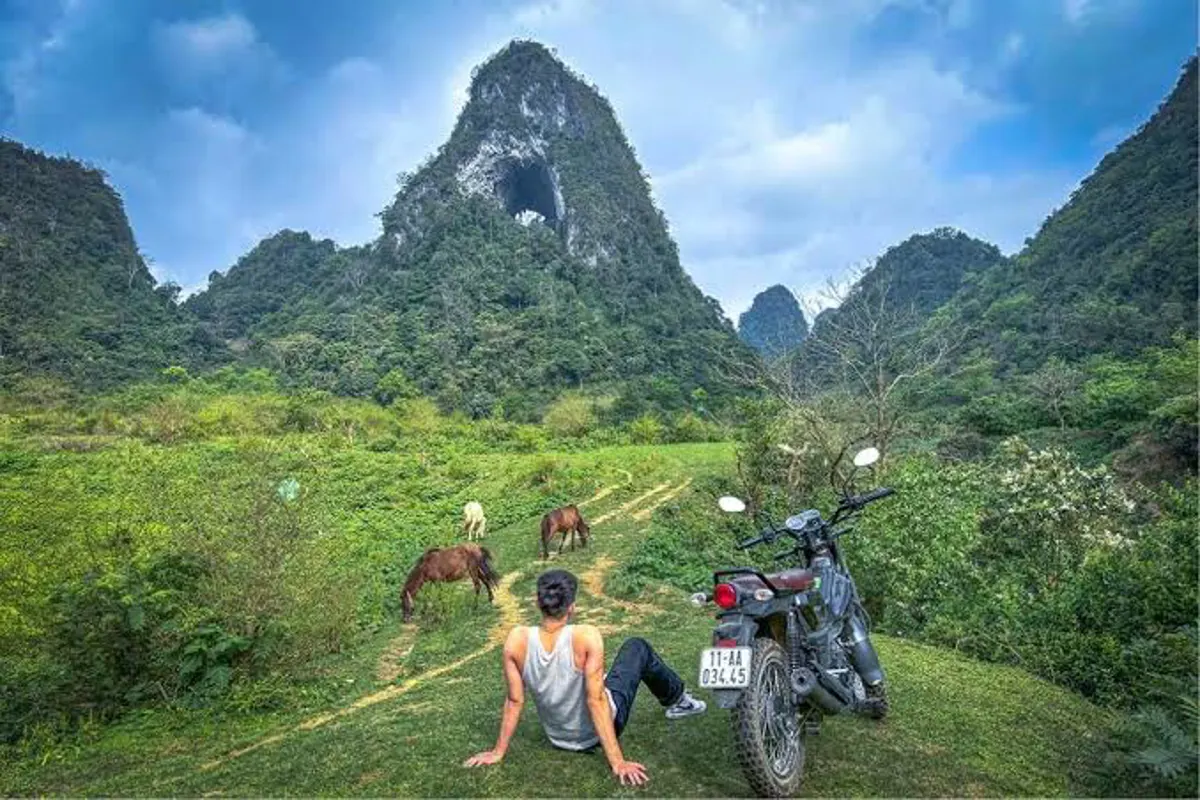
To reach Ban Gioc Waterfall in Cao Bang province from Hanoi, travelers have several transportation choices, including public buses, private cars, and motorbikes. The journey typically involves a multi-hour drive through Vietnam's scenic northern mountains. This guide provides detailed information on travel methods, estimated durations, and what to expect at this significant natural landmark, ensuring you are well-prepared for your visit.
Understanding Ban Gioc Waterfall and Its Surroundings
Ban Gioc Waterfall is situated in Vietnam's northeastern Cao Bang province, near the border with China. This natural attraction stands approximately 30 meters high and extends 300 meters across, making it the widest waterfall in the country. It draws visitors seeking a less-traveled destination, offering a serene experience away from more frequented tourist areas.
The entry fee for Ban Gioc Waterfall is 45,000 VND per person, with an additional mandatory insurance charge of 5,000 VND, bringing the total to 50,000 VND per person. These prices were current at the time of the source publication; visitors should verify them locally upon arrival. Beyond the main waterfall, the surrounding area provides several other points of interest. These include Pac Bo Cave, Nguom Ngao Cave, Thang Hen Lake, and Lenin Stream, each offering unique natural or historical significance worth exploring.
Transportation Options from Hanoi to Ban Gioc
The total distance from Hanoi to Ban Gioc Waterfall is approximately 386 kilometers. The initial segment of the journey, from Hanoi to Cao Bang City, covers about 332 kilometers and typically takes around 7 hours by private car or motorbike. The route offers expansive views of the mountainous terrain in Northern Vietnam.
While the transportation infrastructure to this remote region is still developing, several methods are available for travelers. Each option presents different advantages in terms of cost, comfort, and flexibility, allowing visitors to select the mode that best suits their travel style and budget.
Travel by Bus
Opting for a local bus is often the most economical choice for reaching Ban Gioc Waterfall. The journey from Hanoi to Cao Bang City spans about 286 kilometers and typically requires approximately 8 hours.
There are generally two main bus types available:
- Traditional Sleeper Bus: These buses transport passengers from Hanoi directly to Cao Bang City. Upon arrival in Cao Bang City, travelers then need to arrange further transport for the remaining 90 kilometers to Ban Gioc Waterfall. This usually involves hiring a taxi or renting a motorbike. Many travelers choose to spend one or two nights in Cao Bang City to experience the local culture, explore markets, and enjoy regional cuisine, such as traditional hot pot, before continuing to the waterfall. During rainy conditions, a taxi is a practical choice, while a motorbike ride is often recommended on dry days for those wishing to enjoy the mountain scenery. For those considering an overnight train journey across Vietnam, similar long-distance travel options exist, though not directly to Cao Bang.
- Luxury Limousine Van: These vans offer a more direct and comfortable transfer service from Hanoi to Ban Gioc. They are typically equipped with amenities like reclining leather seats. Booking this type of service is often facilitated through hotels in Hanoi, particularly those in the Old Quarter, which can arrange direct pickup. Alternatively, travelers can attempt to contact agencies directly, though language differences might be a consideration.
Travel by Private Car
A private car provides a flexible and convenient way to travel from Hanoi to Ban Gioc Waterfall, making it a popular choice for families or groups. The drive from Hanoi to Cao Bang City usually takes around 7 hours. It is often suggested that travelers spend a night or two in Cao Bang City to experience this less-visited northern urban center.
The road segment from Cao Bang City to Ban Gioc Waterfall is described as narrow and can be challenging. For safety reasons, vehicles larger than 16-seat cars or minivans are generally not permitted on this section of the route. The estimated costs for private car services are outlined below. These prices are estimates from the source material and should be verified with service providers at the time of booking, as they can vary based on vehicle type, service inclusions, and company policies.
| Car Type | One-Way | 2 Days | 3 Days |
|---|---|---|---|
| 4 Seater | $180 | $240 | $270 |
| 7 Seater | $195 | $245 | $335 |
| 16 Seater | $215 | $300 | $370 |
Typically, these service packages include a professional driver, a modern vehicle with air-conditioning, and cover fuel, toll fees, parking charges, and the driver's expenses.
Travel by Motorbike
For independent travelers and experienced riders, renting a motorbike in Hanoi and driving to Cao Bang City offers considerable freedom. Motorbike rental prices typically range from 7 to 15 USD per day, varying with the type of motorcycle chosen. This option allows travelers to explore at their own pace and access remote areas.
However, this journey is best suited for confident and skilled riders due to the diverse road conditions and unique traffic patterns found in Northern Vietnam. Legally, an international driving permit with a motorcycle endorsement or a Vietnamese driving license is required to operate a motorbike in Vietnam. While some travelers may ride without the appropriate licenses, undertaking such a long journey without proper documentation is not advised due to potential risks and legal implications.
Suggested Itinerary for a Northern Vietnam Exploration
For those planning an extended visit to this region, a multi-day itinerary can combine Ban Gioc Waterfall with other notable destinations. A typical 5-day, 4-night tour might include both Ba Be Lake and Ban Gioc Waterfall, showcasing two of Northern Vietnam's most compelling natural attractions.
The initial two days of such a tour might focus on Ba Be Lake, allowing time to explore its features, including Dau Dang waterfall and the local Dzao village. Ba Be Lake is known not only for its natural beauty but also for the local legends surrounding its formation. Day three often involves travel to Cao Bang City, with opportunities to visit and observe daily life in traditional villages located in the city's outskirts. On day four, in addition to visiting Ban Gioc Waterfall, travelers can explore Nguom Ngao Cave, which is renowned for its impressive rock formations and diverse stalactites. The final day typically offers a relaxed morning in Cao Bang City, allowing visitors to enjoy the fresh mountain air before returning to Hanoi.
Essential Advice for Your Journey
Preparing adequately for your trip to Ban Gioc Waterfall will enhance your experience. This remote region requires some foresight regarding supplies and local customs.
- Always ensure you have reliable travel insurance and your passport with you.
- Pack insect repellent and any necessary personal medications for common ailments like flu, cramps, or digestive issues.
- It is advisable to carry an ample supply of food and drinks, as convenience stores or food vendors are scarce near Ban Gioc Waterfall itself.
- When visiting local villages, show respect for the habits and customs of ethnic communities. Some communities may have specific rules regarding wandering near private homes or touching personal belongings.
- Consider hiring a local tour guide for detailed instructions and deeper cultural insights, which can enrich your understanding of the area.
- In addition to clothing and personal items, pack a warm shirt, comfortable footwear suitable for walking and climbing, rain gear, vehicle documents (if driving), a flashlight, a camera, a backup charger for electronics, and a pen and paper for notes. Understanding banking options in Hanoi is crucial for managing finances before embarking on such a trip. While in Vietnam, travelers might also consider exploring essential souvenirs and unique purchases to bring home.
Frequently Asked Questions
How far is Ban Gioc Waterfall from Hanoi?
Ban Gioc Waterfall is approximately 386 kilometers from Hanoi. The journey to Cao Bang City, an intermediate point, is about 332 kilometers.
What is the entry fee for Ban Gioc Waterfall?
The entry fee for Ban Gioc Waterfall is 45,000 VND per person, plus a mandatory 5,000 VND insurance fee, totaling 50,000 VND per person. (Prices are subject to change; verify locally.)
Are there accommodation options near Ban Gioc Waterfall?
While direct accommodation at the waterfall is limited, many travelers choose to stay in Cao Bang City, which is about 90 kilometers away, offering various lodging and dining choices.
Is it safe to drive a motorbike to Ban Gioc Waterfall?
Motorbike travel to Ban Gioc is recommended only for experienced and confident riders due to the challenging road conditions in Northern Vietnam. An international driving permit with a motorcycle license or a Vietnamese license is legally required.
What other attractions are near Ban Gioc Waterfall?
Nearby attractions include Pac Bo Cave, Nguom Ngao Cave, Thang Hen Lake, and Lenin Stream, offering additional natural and historical sites to explore.








