
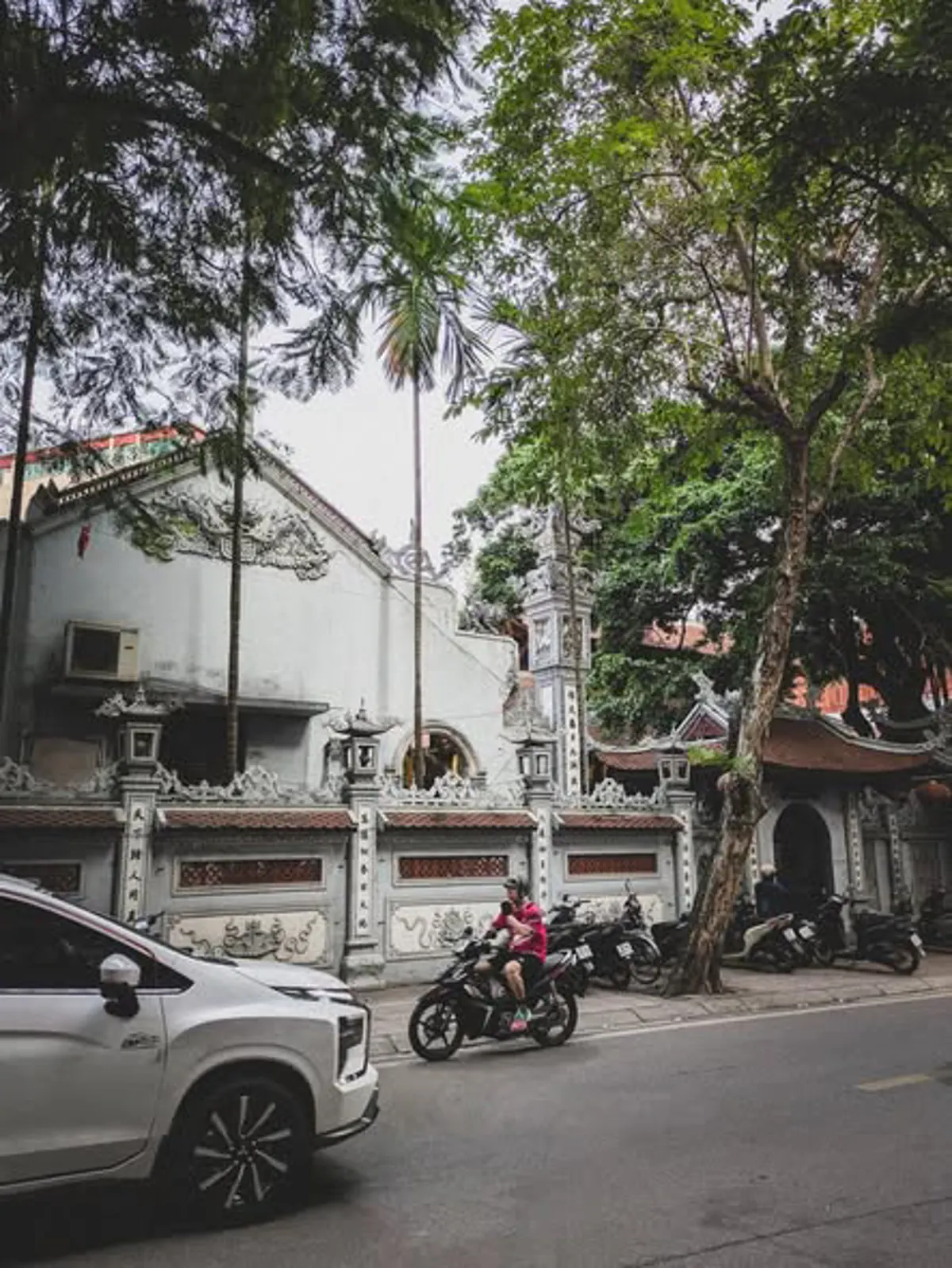
Hanoi, Vietnam's capital, presents a compelling destination for travelers seeking a blend of historical depth, cultural experiences, and scenic beauty. The city offers opportunities to explore ancient sites, enjoy traditional water activities, and witness a distinctive urban environment. Visitors often find Hanoi appealing for its unique atmosphere and the variety of activities available, making it a significant stop on any Vietnamese itinerary.
The city serves as a gateway to understanding Vietnam's past and present, with its architecture reflecting centuries of development, from ancient Vietnamese dynasties to French colonial influences. Its lakes, tree-lined boulevards, and historical monuments contribute to an ambiance that is both energetic and reflective, providing a diverse experience for those who spend time exploring its many facets.
Navigating Hanoi's Iconic Waterways
A key aspect of a Hanoi visit involves experiencing its water features, particularly through traditional boat rides. The city's lakes and rivers provide a tranquil contrast to its energetic streets. Many visitors enjoy the experience of being paddled in local sampans, offering a different perspective on the urban landscape and its surroundings. These traditional boats allow for a peaceful journey, observing daily life along the water's edge and appreciating the slower pace of riverine communities.
Hoan Kiem Lake, also known as "Lake of the Returned Sword," stands as a central and historically significant body of water in Hanoi. It is a focal point for both residents and visitors, offering serene views and a calm environment. The lake is surrounded by walking paths and is a popular spot for morning exercises and evening strolls. Its natural beauty and tranquil setting often draw tourists seeking a moment of peace within the city, away from the constant movement of traffic. The lake is also associated with a significant legend about a magical sword, adding to its cultural importance.
For those interested in extending their water-based explorations, the nearby Halong Bay offers a world-renowned cruising experience. While not directly within Hanoi, it is a common extension for trips to the capital, featuring dramatic limestone karsts and emerald waters. Considering a Halong Bay cruise from Hanoi can add a significant natural highlight to a northern Vietnam itinerary, providing a contrasting natural landscape to the urban environment of Hanoi.
Exploring Historical Landmarks: Ho Chi Minh Mausoleum
Hanoi is rich in historical sites, and the Ho Chi Minh Mausoleum is among its most prominent. This significant structure serves as the final resting place of Vietnam's revered revolutionary leader, Ho Chi Minh. Visiting the mausoleum offers insight into modern Vietnamese history and the legacy of its founding father. The site is an important pilgrimage point for many Vietnamese people and a place of historical reflection for international guests, symbolizing national independence and unity.
The mausoleum complex includes the Ho Chi Minh Museum and the One Pillar Pagoda, providing a broader understanding of the leader's life and the country's past struggles and triumphs. Guests are expected to observe respectful conduct, including dress codes and silence, during their visit to this solemn location. This area represents a cornerstone of Vietnam's national identity and offers a profound historical experience for those interested in the nation's journey through the 20th century. The surrounding gardens and presidential palace further enrich the visit, offering a glimpse into the leader's simple lifestyle.
Hanoi's Cultural Fabric and Daily Life
Beyond its specific landmarks, Hanoi's broader cultural environment provides a rich experience. The city's Old Quarter, with its narrow streets and ancient architecture, showcases centuries of trading history and traditional crafts. Walking through this district reveals a unique blend of old and new, where street vendors operate alongside modern shops and traditional workshops. The sounds, sights, and aromas contribute to a distinctive urban atmosphere, where each street often specializes in a particular trade, from silk to silver.
Vietnamese cuisine is another integral part of Hanoi's appeal. The city is renowned for its street food and traditional dishes, offering a diverse range of flavors and culinary experiences. From the iconic pho noodle soup to the savory bun cha grilled pork with noodles, visitors can explore local eateries and markets to sample authentic fare. Understanding the local food scene is a key aspect of experiencing Hanoi's culture, and options like Halal dining in Hanoi are also available for specific dietary needs, ensuring a welcoming culinary landscape for all.
The cultural calendar in Hanoi also features various festivals and traditional performances, such as water puppetry, which has roots in the Red River Delta. These events offer further opportunities to engage with local customs and artistic expressions, providing entertainment and educational insights into Vietnamese heritage.
Practical Considerations for Travelers
Planning a trip to Hanoi involves considering various practical aspects to ensure a smooth visit. Transportation within the city is readily available, with options including taxis, ride-sharing services, and cyclos (pedicabs) for shorter distances, offering both convenience and a traditional way to explore. For longer journeys or exploring other parts of the country, Vietnam offers a range of transport methods, including domestic flights, trains, and buses. A comprehensive guide to planning your trip to Vietnam can provide further details on logistics, climate, and other essential travel advice.
Accommodation choices in Hanoi cater to different preferences and budgets, from boutique hotels in the Old Quarter to larger establishments in more modern districts. It is advisable to book accommodations in advance, especially during peak travel seasons, to secure preferred options. While visitors can explore the city independently, tailoring their itinerary to their interests, many find that combining organized tours with personal exploration offers a balanced experience, allowing for both guided insights and spontaneous discoveries.
Beyond Hanoi: Northern Vietnam Explorations
While Hanoi itself offers extensive attractions, its location in northern Vietnam makes it an excellent base for exploring nearby regions. Destinations like Sapa, with its terraced rice fields and ethnic minority villages, are accessible from Hanoi and provide a contrasting experience of rural Vietnam. The mountainous landscapes and cultural encounters in these areas offer a different perspective on the country's diversity, showcasing the lives of various indigenous communities.
Another popular extension from Hanoi is a journey to Ninh Binh, often called "Halong Bay on land," known for its limestone karsts and river systems that can be explored by traditional boat. These excursions allow travelers to broaden their understanding of Vietnam's natural beauty and cultural heritage beyond the capital, revealing serene landscapes and ancient temples. For those looking to explore more of the region with structured ease, a luxury tour of Northern Vietnam can combine Hanoi with Ninh Binh and Halong Bay for a comprehensive experience of the area's highlights.
Frequently Asked Questions
What types of boat rides are available in Hanoi?
In Hanoi, visitors can experience traditional sampan rides on local waterways, offering a peaceful way to observe the city. Hoan Kiem Lake also provides opportunities for leisurely strolls around its perimeter, though direct boat rides on the lake itself are less common for tourists. For more extensive boating, nearby Halong Bay is a popular choice for cruises through its iconic karsts.
Is the Ho Chi Minh Mausoleum open to the public daily?
The Ho Chi Minh Mausoleum typically has specific visiting hours and is closed on certain days of the week, as well as for an annual maintenance period, usually from September to December. It is advisable to check current operating schedules before planning a visit to ensure access, as these details can change.
What kind of cultural experiences can I expect in Hanoi?
Hanoi offers a rich array of cultural experiences, including exploring the historic Old Quarter with its traditional shops and architecture, sampling diverse Vietnamese street food, visiting temples and pagodas, and attending traditional performances like water puppetry. The city provides a deep insight into Vietnamese heritage and daily life through its daily rhythms and historical sites.
How can I travel from Hanoi to other parts of Vietnam?
Travelers can move between Hanoi and other Vietnamese cities using various transportation methods. Options include domestic flights for speed, trains (especially for scenic routes like to Sapa or south to Hue/Ho Chi Minh City), and long-distance buses for budget-friendly travel. The choice depends on the destination, budget, and desired travel experience.
What is the best time of year to visit Hanoi?
Hanoi experiences distinct seasons. The autumn months (September to November) are often considered ideal due to cooler temperatures and less rainfall. Spring (March to April) also offers pleasant weather. Summers can be hot and humid with frequent rain, while winters are cool and damp. Checking seasonal forecasts is always recommended for planning.








