
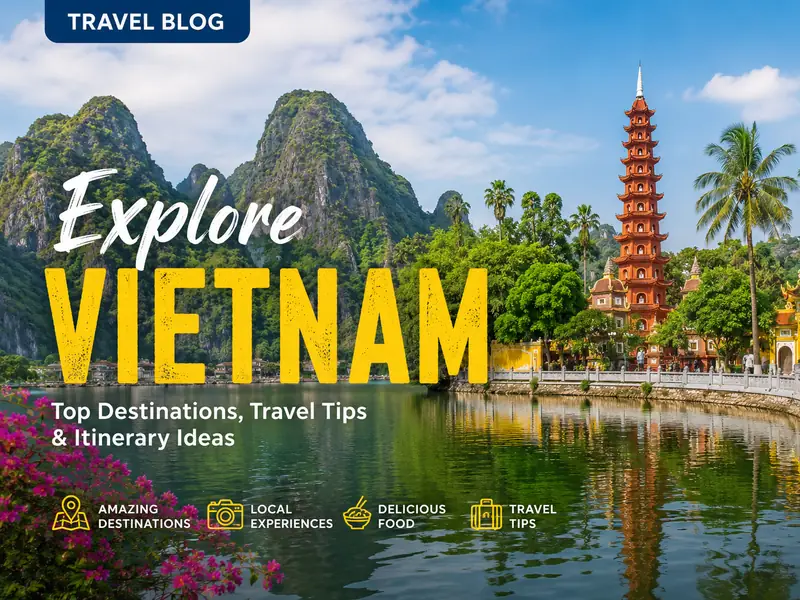
For travelers considering a short stay in Ho Chi Minh City, understanding the most impactful experiences is crucial for efficient planning. The city itself presents a blend of historical architecture and modern life, while its surroundings offer significant cultural and natural excursions. This guide will help prioritize activities to ensure a fulfilling visit, whether focusing on urban exploration or venturing further afield.
Exploring Ho Chi Minh City's Historical Core
A comprehensive city tour provides an excellent introduction to Ho Chi Minh City's identity, encompassing its architectural heritage, historical narratives, and culinary traditions. Many prominent structures in the central districts reflect the French colonial period, offering a glimpse into a past era. Notable examples include the Notre Dame Cathedral, the historic Saigon Central Post Office, and the lively Ben Thanh Market, each contributing to the city's distinctive character.
Beyond colonial influences, sites like the Reunification Palace stand as powerful symbols of Vietnam's path to independence, offering insights into pivotal moments in the nation's history. Additionally, the War Remnants Museum presents various thematic exhibits, guiding visitors through different phases of the Vietnam War and detailing its profound impact on the Vietnamese population. These locations collectively paint a vivid picture of the city's journey through time.
Venturing to the Cu Chi Tunnels
Located approximately 70 kilometers from the city center, the Cu Chi Tunnels represent a significant historical site deserving of attention during a visit to Ho Chi Minh City. This extensive underground network played a critical role during wartime, showcasing the ingenuity and resilience of Vietnamese forces. The system, stretching over 250 kilometers, functioned as an elaborate subterranean village, complete with living quarters, command centers, and supply routes.
A visit to the Cu Chi Tunnels allows individuals to explore portions of this remarkable construction and gain a deeper appreciation for the challenging conditions faced by those who lived and fought within them. Understanding this complex of tunnels offers a powerful perspective on a pivotal period in the nation's past. For those interested in exploring Vietnam with specialized group tours, the Cu Chi Tunnels are often a key inclusion.
Discovering Southern Vietnam's Natural Landscapes
Beyond the urban environment, Southern Vietnam offers diverse natural attractions suitable for day trips. The Vam Sat Mangrove Forest in Can Gio District, recognized as a world biosphere reserve, is home to a wide array of plant and animal species. Visitors can engage in unique activities such as kayaking through dense mangrove channels, observing a bat swamp, visiting a bird sanctuary, and seeing a crocodile farm. Opportunities for fishing, including crocodile fishing and traditional net fishing, are also available.
Further afield, approximately 160 kilometers from Ho Chi Minh City, Cat Tien National Park provides a retreat into a peaceful wilderness. This park is celebrated for its rich biodiversity, hosting numerous mammal, bird, and plant species. Activities here include forest trekking to learn about the local ecosystem, night safaris to spot nocturnal animals, visits to Crocodile Lake, and opportunities to observe various primate species, including some that are endangered. Cycling through nearby rural villages offers a chance to experience local life.
Experiencing the Mekong Delta's Riverine Life
A journey to the Mekong Delta, often referred to as Southwestern Vietnam, offers a contrasting experience to the energy of Ho Chi Minh City. This region is characterized by its tranquil waterways and the gentle rhythm of life among its river communities. The floating markets are central to the Delta's cultural identity, providing a unique insight into local traditions and commerce. Many residents sustain themselves by cultivating and trading fruits, vegetables, and other agricultural products directly from their boats.
These floating markets are a distinctive feature of the culture for those living near and on the water. Suggested locations within the Mekong Delta for exploration include the Cai Rang and Cai Be Floating Markets, Xeo Quyt Forest, Vinh Trang Temple, Ong Temple, Sa Dec Market, and Tra Su Cajuput Forest. For a deeper exploration of this region, consider a Mekong Delta cruise that combines river exploration with cultural immersion.
Coastal Relaxation in Vung Tau
For those seeking a coastal escape and a change of scenery, Vung Tau presents a popular option. This city, known for its beaches and refreshing sea air, is a favored destination for travelers from Ho Chi Minh City. In addition to relaxing on the sandy shores and enjoying the ocean views, Vung Tau offers several points of interest. These include the White Villa, the prominent Jesus Christ Statue, the Binh Chau Hot Springs, Cloud Lake Ecotourism area, the historic Lighthouse, French Field Guns, and the Tran Phu Fish Market.
These diverse attractions allow visitors to combine beach leisure with cultural and historical exploration. Vung Tau provides a convenient coastal getaway, making it a suitable addition to a multi-day itinerary focused on the southern region of Vietnam. Travelers can easily find various transport options to reach this seaside city.
Comparison of Popular Excursions from Ho Chi Minh City
| Destination | Distance from HCMC | Primary Focus | Key Activities |
|---|---|---|---|
| Cu Chi Tunnels | ~70 km | Historical War Site | Tunnel exploration, historical learning |
| Vam Sat Mangrove Forest | ~40-50 km | Ecotourism, Wildlife | Kayaking, bird watching, crocodile farm |
| Cat Tien National Park | ~160 km | Biodiversity, Nature | Trekking, wildlife observation, cycling |
| Mekong Delta | ~70-100 km (first points) | Riverine Culture, Agriculture | Floating markets, boat tours, local life |
| Vung Tau City | ~100 km | Coastal Relaxation, History | Beaches, historical sites, hot springs |
Frequently Asked Questions
What are the must-see historical sites in Ho Chi Minh City?
Key historical sites in Ho Chi Minh City include the Reunification Palace, which symbolizes the end of the Vietnam War, and the War Remnants Museum, offering a profound look into the conflict. Additionally, the Notre Dame Cathedral and Saigon Central Post Office showcase French colonial architecture.
How far are the Cu Chi Tunnels from Ho Chi Minh City, and what can I expect there?
The Cu Chi Tunnels are approximately 70 kilometers northwest of Ho Chi Minh City. Visitors can explore a section of the extensive underground network, learn about the historical context of the Vietnam War, and understand the living conditions of the Vietnamese forces during that period.
Are there any natural attractions near Ho Chi Minh City for a day trip?
Yes, the Vam Sat Mangrove Forest in Can Gio District is a world biosphere reserve offering ecotourism activities like kayaking and wildlife viewing. Cat Tien National Park, though further at about 160 km, provides opportunities for trekking and observing diverse flora and fauna.
What is unique about visiting the Mekong Delta?
The Mekong Delta is known for its serene riverine lifestyle and distinctive floating markets, where locals trade goods from their boats. A visit offers insight into traditional agricultural practices, local culture, and the calm pace of life along the Mekong River's many tributaries.
Is Vung Tau suitable for a short beach getaway from Ho Chi Minh City?
Vung Tau is a popular coastal city about 100 kilometers from Ho Chi Minh City, making it suitable for a day trip or a short overnight stay. It offers beaches for relaxation, along with historical sites like the White Villa and the Jesus Christ Statue, providing a mix of leisure and exploration.








