
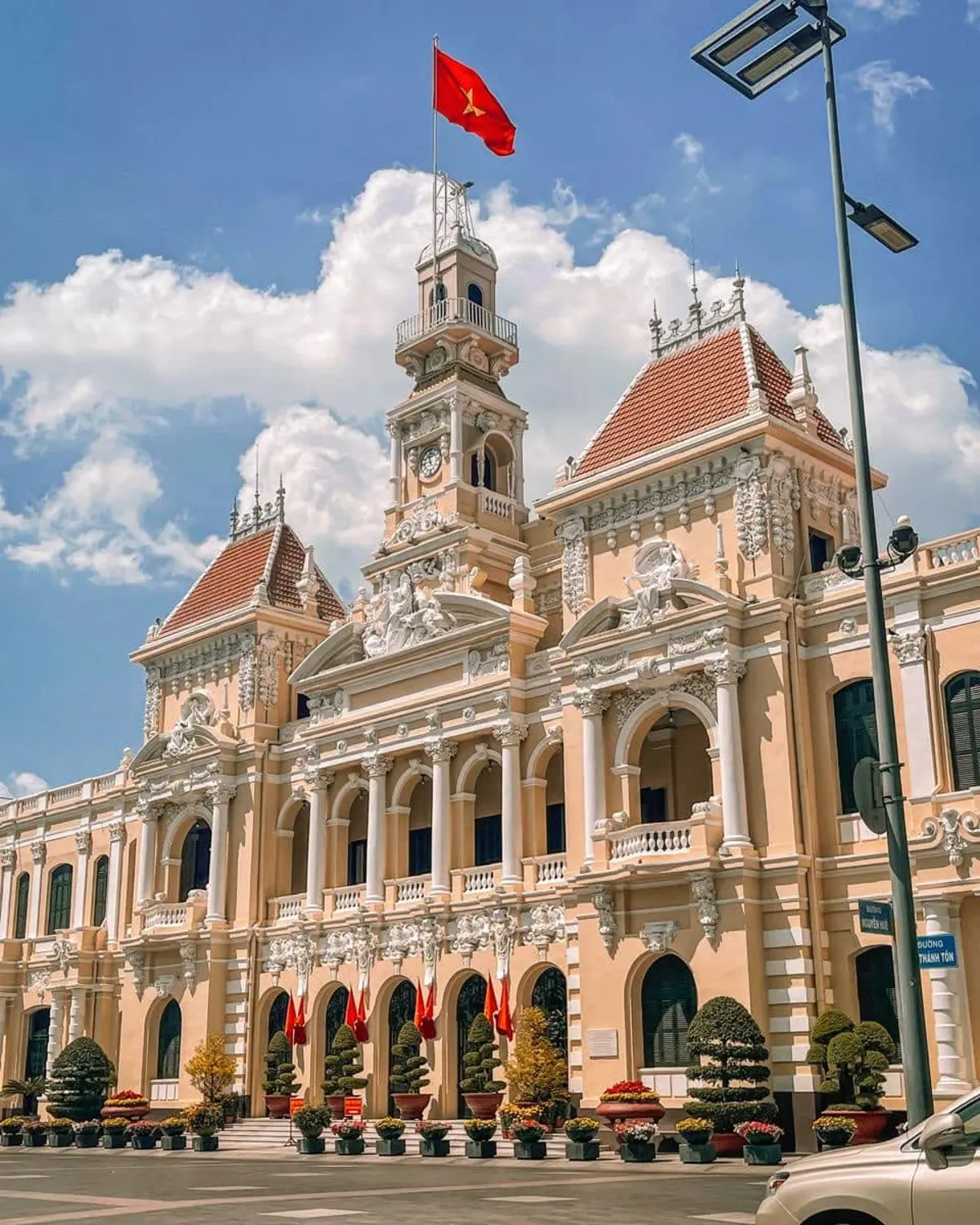
Ho Chi Minh City, frequently known by its historical name Saigon, offers numerous public parks that provide both residents and visitors with opportunities for rest, recreation, and a glimpse into daily Vietnamese routines. These green areas present a welcome contrast to the city's energetic pace, serving as important communal hubs for exercise, social interaction, and quiet contemplation amidst the urban environment.
Central Urban Retreats: Parks in Downtown Ho Chi Minh City
The central districts of Ho Chi Minh City host several significant green spaces, each with its own character and purpose. These parks are easily accessible and offer a quick escape from the city's traffic and concrete structures, providing shaded pathways and open areas for various activities.
23-9 Park, situated in the core of downtown Ho Chi Minh City, is a common spot for locals seeking relaxation between the busy areas of Ben Thanh Market and the backpacker district. The park's name commemorates September 23, 1945, a date when President Ho Chi Minh called upon the newly independent Vietnam to defend the nation against French forces. This naming serves as a significant marker in Vietnamese history. The park provides ample room for activities such as jogging and general exercise, along with a dedicated playground and an amphitheater for children.
30/4 Park is readily identifiable as it forms a connecting pathway between the Reunification Palace and Notre Dame Cathedral. On weekends, this park becomes a gathering point for many local residents, including students and amateur artists who come to share their studies and display their talents. Visitors can enjoy observing these activities while perhaps sipping a nearby beverage and taking a leisurely walk, experiencing authentic local interactions.
Tao Dan Park, located directly behind the Reunification Palace, is recognized as one of the most expansive green areas within the city center. This park is notable for its tall trees, which are often described as resembling intricate plant sculptures of mythical creatures. It serves as a focal point for early morning activities, where citizens engage in meditative tai chi, play badminton, and utilize public exercise equipment. Those who stroll through the park in the late afternoon might have the chance to participate in group aerobics classes. For those interested in significant historical events and sites, these central parks are often adjacent to them.
Expansive Gardens and Family Destinations
Beyond the immediate downtown area, Ho Chi Minh City offers larger green spaces that cater to broader recreational and educational interests, including a historic zoo and botanical garden.
The Saigon Zoo and Botanical Garden, established over a century ago by French botanist JB Louis Pierre, holds the distinction of being among the world's oldest zoos. It currently houses more than 550 animals, over 260 plant species, and more than 1830 trees. Visitors will find various distinct zones to explore, such as an animal conservation area, a children's amusement section, a plant conservation center, and an orchid garden. While exploring the grounds, it is worth noting a nearby monument dedicated to Vietnamese individuals who died in World War I. The opportunity to feed animals and interact with them more closely is also available, providing an engaging experience for many.
Le Thi Rieng Park, considered the largest park in District 10, is a popular destination for community activities. Residents frequently use the public exercise machines, go jogging, and participate in various sports here. The park bears the name of a Vietnamese hero who fought against the French and was imprisoned and subjected to torture during the American War. This park serves as a community hub, reflecting the city's spirit of resilience and recreation. To understand more about exploring Vietnam's southern metropolis, visiting these diverse parks offers a unique perspective.
Modern Recreational Hubs and Scenic Waterfronts
Ho Chi Minh City also features contemporary green spaces designed for modern recreation and aesthetic appeal, particularly in newer urban developments.
Ho Ban Nguyet Park, located in the Phu My Hung area of District 7, is often likened to urban landscapes found in cities like Singapore or Dubai due to its modern planning. This area, particularly Ho Ban Nguyet Park and the adjacent Anh Sao Bridge, attracts many young visitors who enjoy photography and recreational pursuits. A notable aspect is the dramatic change in scenery between day and night; while the park appears subdued during daylight hours, it becomes lively and illuminated with sparkling lights once evening arrives. This makes it a popular spot for activities and entertainment after dark.
Central Park is situated in Tan Cang, Binh Thanh District, alongside the Saigon River. This park draws inspiration from New York's Central Park, aiming to be a prominent green space within the city. A significant investment was made in its design and construction, yet there is no entrance fee required for public access, making it a freely accessible urban oasis focused on expansive green areas.
Practical Advice for Enjoying Saigon's Parks
To make the most of your visit to Ho Chi Minh City's parks, consider a few practical tips that will enhance your experience and help you engage respectfully with local customs.
The early morning and late afternoon are generally the best times to visit, as the temperatures are cooler and many locals are out exercising or socializing. Observing the morning routines of tai chi practitioners or groups playing badminton can offer a fascinating insight into local life. Remember to dress comfortably and bring water, especially during warmer periods.
While most parks are free to enter, specific attractions within larger complexes, such as the Saigon Zoo and Botanical Garden, may have separate admission fees. Always verify current operating hours and any potential costs, as these details can change. Respect local customs by keeping noise levels down, especially in areas where people are practicing quiet activities, and dispose of waste properly to help maintain the cleanliness of these public spaces.
Comparison of Ho Chi Minh City Parks
| Park Name | Location | Primary Features | Best For |
|---|---|---|---|
| 23-9 Park | Downtown (District 1) | Historical significance, open space, children's play area | Relaxation, light exercise, families, history enthusiasts |
| 30/4 Park | Downtown (District 1) | Central location, local gatherings, street performances | Observing local life, casual strolls, cultural interaction |
| Tao Dan Park | Downtown (District 1) | Wide green space, ancient trees, morning exercise groups | Tai chi, badminton, aerobics, quiet contemplation |
| Saigon Zoo and Botanical Garden | District 1 | Historic zoo, diverse animal and plant species, WWI monument | Families, nature lovers, educational visits |
| Ho Ban Nguyet Park & Anh Sao Bridge | Phu My Hung (District 7) | Modern design, scenic bridge, night illumination | Photography, evening strolls, contemporary urban experience |
| Le Thi Rieng Park | District 10 | Large recreational area, public exercise equipment | Sports, jogging, community activities, local hero tribute |
| Central Park | Tan Cang (Binh Thanh District) | Riverside setting, New York-inspired design, green focus | Relaxation, walks, city views, no entry fee |
Frequently Asked Questions
What activities can I do in Ho Chi Minh City parks?
Ho Chi Minh City parks offer a range of activities, including jogging, walking, exercising with public equipment, playing badminton, practicing tai chi, and participating in aerobics classes. Some parks, like 23-9 Park, have playgrounds for children, while the Saigon Zoo and Botanical Garden provides opportunities for animal observation and interaction.
Are there any entrance fees for these parks?
Most public parks in Ho Chi Minh City, such as 23-9 Park, 30/4 Park, Tao Dan Park, Le Thi Rieng Park, Ho Ban Nguyet Park, and Central Park, do not require an entrance fee. However, the Saigon Zoo and Botanical Garden typically charges an admission fee, so it is advisable to check current prices before visiting.
What is the best time of day to visit a park in Saigon?
The best times to visit parks in Ho Chi Minh City are generally in the early morning (around 5:00 AM to 8:00 AM) or late afternoon (around 4:00 PM to 6:00 PM). During these hours, the weather is cooler, and you can observe many locals engaging in exercise and social activities.
How do these parks reflect local culture?
Ho Chi Minh City's parks are significant cultural spaces, reflecting daily life through the activities of residents. You can observe morning tai chi sessions, students gathering for study, amateur artists performing, and families enjoying leisure time. The names of some parks, like 23-9 Park and Le Thi Rieng Park, also carry historical and national significance.
Are Ho Chi Minh City parks suitable for children?
Yes, many parks in Ho Chi Minh City are suitable for children. 23-9 Park features a playground and amphitheater. The Saigon Zoo and Botanical Garden is a major attraction for families, offering animal exhibits and a children's amusement zone. These spaces provide safe and engaging environments for younger visitors.








