
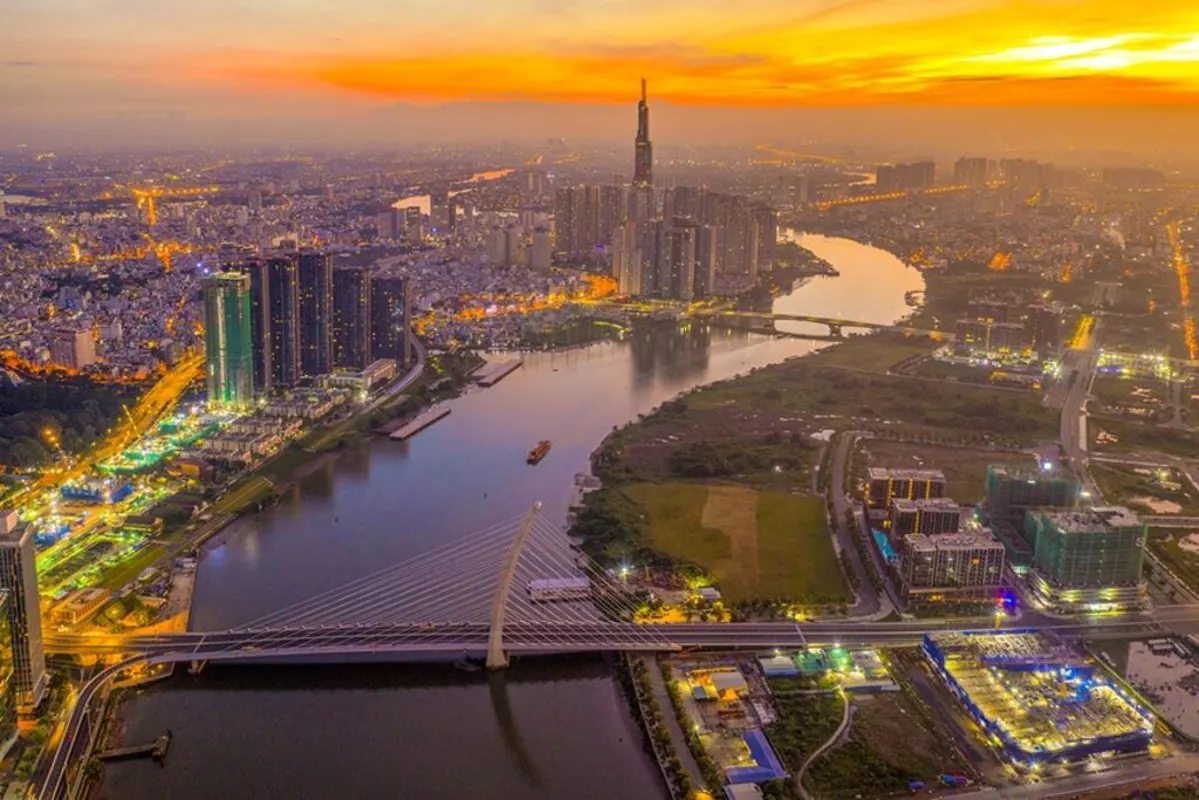
Looking for the best food in Ho Chi Minh City? The city’s eateries showcase southern Vietnamese flavors alongside dishes from other regions; street vendors, casual stalls and family-run restaurants serve a large variety of items visitors commonly seek. Below is a clear overview of 21 notable dishes, how they differ, and practical advice for trying them.
What defines Ho Chi Minh City’s food scene
Ho Chi Minh City’s culinary landscape reflects a mix of southern Vietnamese tastes with influences carried from other parts of the country and neighboring regions. Local cooking tends to favour sweeter broths, abundant fresh herbs and lively condiment combinations — traits that distinguish many Saigon plates from versions found in northern or central Vietnam.
Because the city is a long-standing trading hub, you can also find variations imported from places like Hue and Phnom Penh alongside dishes that originated in the Mekong Delta. Street stalls and casual eateries make these items easy to sample across most districts, day or night.
Signature dishes and highlights
Several items are widely considered emblematic of Ho Chi Minh City dining. Pho bo (beef pho) in the south is typically sweeter and served with different garnishes than its northern counterpart; for more on how Saigon’s pho differs, see this piece on Saigon pho. Com tam (broken rice), banh xeo (crispy rice pancakes) and hu tieu (a southern noodle soup available in wet and dry styles) are commonly recommended for first-time visitors.
Other local favourites include bun thit nuong cha gio (rice vermicelli with grilled pork and spring roll), bun bo Hue (spicy beef noodle soup from central Vietnam), banh cuon (steamed rice rolls), and a range of soupy options such as banh canh cua (thick crab noodle soup) and bun rieu (crab-and-tomato noodle soup). Lighter snacks like bot chien (pan-fried rice cakes) and banh beo (steamed rice cakes) are popular at street-side counters.
- Hu Tieu: noodle soup available in several regional styles (dry or with broth)
- Banh Xeo: pan-fried rice crepe folded with herbs, bean sprouts and protein
- Com Tam: plates of broken rice served with grilled meats or stews
- Bun Mam: strong-flavored noodle soup based on fermented fish broth
Practical tips for eating around the city
Visitors report that eating street food in Ho Chi Minh City is generally straightforward if you follow basic hygiene precautions: choose busy stalls where turnover is high, select foods cooked to order at high heat, and ask for clean chopsticks or utensils when available. Carrying hand sanitiser or wet wipes can make quick clean-ups easier before eating.
If you plan to travel between cities to sample regional specialties, consider scheduled options such as intercity shuttle services or public transport that suit your itinerary; many travellers use organised coaches for short hops between southern hubs. For advice on booking and using intercity services, see guidance on intercity shuttle buses.
- Look for vendors with a steady local clientele — high turnover usually means fresher food.
- Order simple, well-known dishes first to build confidence with local flavours.
- Carry a translation card for food allergies or dietary restrictions in Vietnamese.
Cultural context: how food fits local life
Food in Ho Chi Minh City is tied to social routines and family cooking traditions. Many dishes show regional borrowing—the city hosts specialities from central provinces, the Mekong Delta and even Cambodian-inflected recipes—so a single plate may carry the imprint of several culinary regions.
Meals can be communal and informal; sharing bowls, plates and dipping sauces is common among locals. Respecting local dining etiquette (for example, allowing elders to start eating and avoiding sticking chopsticks upright in a bowl) is appreciated in more traditional settings.
Who these dishes suit
People seeking bold, varied flavours will find much to enjoy: spicy, sour, sweet and fermented profiles all appear across Saigon menus. Adventurous eaters who welcome fermented fish or offal dishes should explore items such as bun mam and some forms of banh beo or bun rieu, while those preferring milder tastes can stick to com tam, banh cuon or bun moc (pork meatball soup).
Vegetarian and vegan options exist but require some preparation: many plant-based dishes rely on fish sauce or shrimp paste unless the cook is asked to omit them. Dishes like cuon diep (rolled mustard leaves with tofu and vermicelli) provide clear vegetarian choices at specialised eateries.
Comparisons and alternatives
Several dishes overlap in format or ingredients; understanding key differences helps when ordering. For example, pho and hu tieu are both noodle soups but use different broths and noodles, while bun varieties use thinner rice vermicelli compared with com tam’s broken rice base. Street stalls often specialise, so choosing a place known for one dish generally yields better results than ordering an entire menu.
The table below compares a handful of commonly encountered dishes to make quick distinctions easier.
| Dish | Main ingredients | Typical time to eat | Flavor profile |
|---|---|---|---|
| Pho Bo | Rice noodles, beef, clear broth | Breakfast or any time | Umami with mild sweetness |
| Com Tam | Broken rice, grilled pork, pickles | Lunch or dinner | Savory with tangy condiments |
| Banh Xeo | Rice batter crepe, shrimp, pork, bean sprouts | Snack or meal | Crisp, lightly savory |
| Bun Mam | Vermicelli, seafood, fermented fish broth | Lunch or dinner | Strong, deeply savory and pungent |
Frequently Asked Questions
Is street food in Ho Chi Minh City safe to eat?
Most visitors report being able to eat street food safely by choosing busy vendors, opting for freshly cooked items, and following standard hygiene precautions. If you have a sensitive stomach or specific health concerns, favour cooked-over-raw options and consider bottled water.
Which dishes should I try first as a newcomer?
Begin with broadly appealing plates such as com tam, banh xeo, pho bo and bun thit nuong cha gio. These provide a variety of textures and flavours without relying on strongly fermented or unfamiliar ingredients.
Are vegetarian options widely available?
Vegetarian food is available but can require clarification because many Vietnamese dishes include fish sauce, shrimp paste or pork stock. Look for restaurants that advertise vegetarian or vegan menus, or choose clearly plant-based items and ask staff to omit animal products.
Can I find regional dishes from other parts of Vietnam in the city?
Yes. Ho Chi Minh City hosts specialities from northern and central Vietnam as well as southern regional plates. Popular examples include bun bo Hue (from Hue) and banh cuon (northern origin), both of which are commonly served in the city.
How should I handle food allergies or dietary restrictions?
Carry a written note in Vietnamese describing your allergy or restriction. When eating street food, point to ingredients and confirm with the vendor — many cooks will accommodate simple requests when they understand the issue.








