
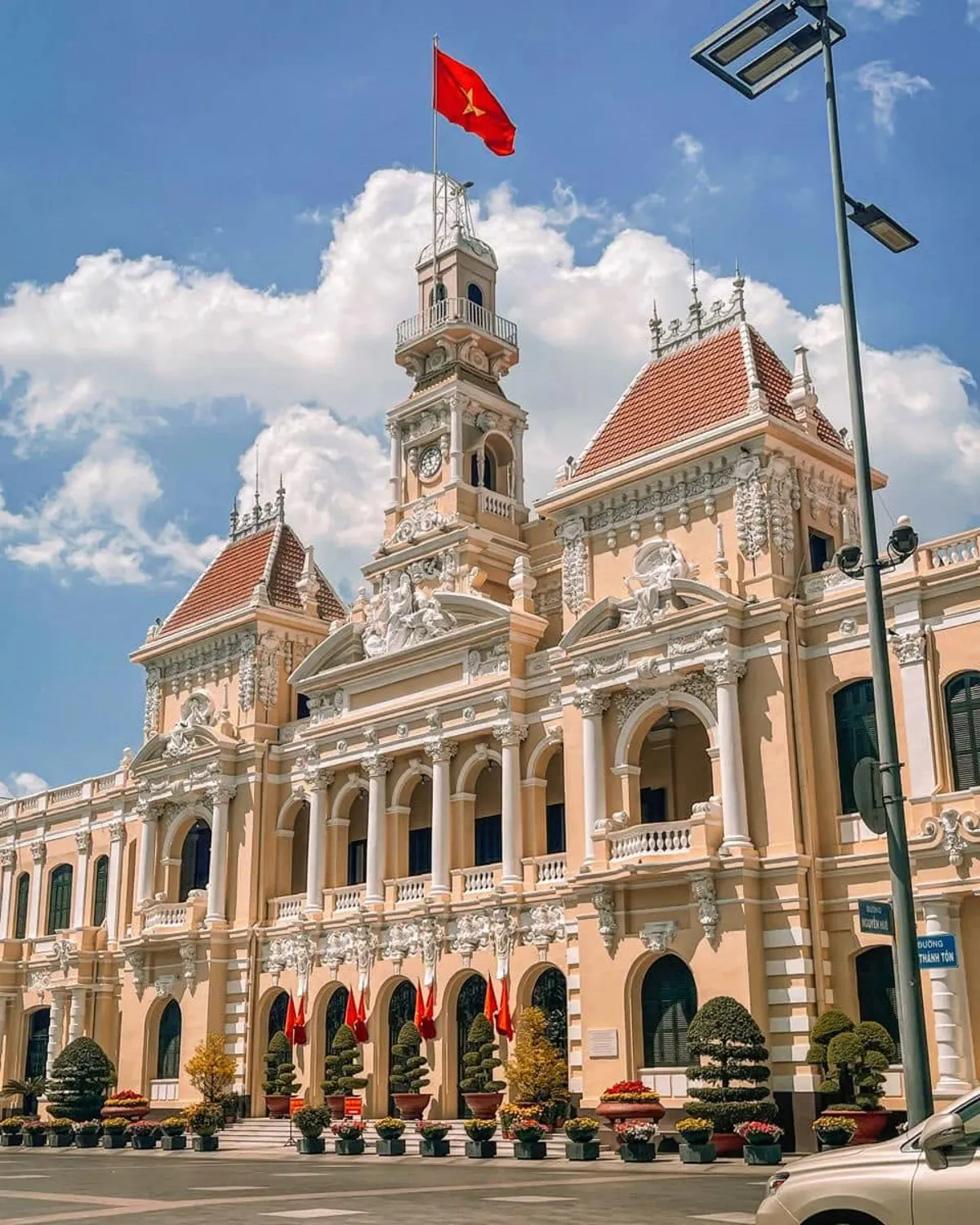
Ho Chi Minh City experiences its rainy season from May through December. Travelers planning a visit during these months can still enjoy the city by understanding the weather patterns and preparing appropriately. This guide offers practical advice for making the most of a monsoon-period trip to Vietnam's southern metropolis.
Understanding Ho Chi Minh City's Rainy Season Climate
Situated in the southern region of Vietnam, Ho Chi Minh City is characterized by a tropical monsoon climate. While the dry season brings consistently high temperatures, the arrival of the monsoon period from May to December introduces a noticeable shift in weather conditions. During these months, daily temperatures tend to be more moderate, providing a welcome respite from the intense heat often experienced at other times of the year. Rainfall typically occurs in short, intense bursts, often in the afternoon, rather than prolonged, continuous downpours.
Beyond the cooler air, visiting during the rainy season presents several distinct advantages. The city generally sees fewer international visitors compared to the peak dry season, which can lead to a more relaxed atmosphere at popular attractions. This reduction in tourist numbers may also translate into more favorable pricing for accommodations, organized tours, and various dining and entertainment options, making it a potentially more budget-friendly time to explore the city.
| Aspect | Dry Season (January - April) | Rainy Season (May - December) |
|---|---|---|
| Temperature | Often very high, humid | Generally cooler, more moderate |
| Crowds | Higher number of visitors | Fewer visitors |
| Costs | Potentially higher for tours, hotels | Potentially lower for tours, hotels, food |
| Rainfall | Minimal to none | Frequent, short, intense showers |
Essential Packing for Wet Weather Travel
Thoughtful packing is crucial for a comfortable experience in Ho Chi Minh City during the monsoon. Choosing the right clothing can significantly enhance your comfort, especially given the city's humidity. Opt for light, loose-fitting garments made from quick-drying fabrics. These materials not only help you stay cool in the tropical climate but also dry much faster if you happen to get caught in a sudden shower, preventing prolonged discomfort.
Beyond clothing, effective rain protection is paramount. A Vietnamese plastic poncho is a highly practical item; these are exceptionally lightweight, convenient, and widely available throughout the city, often costing under VND 15,000. They offer a cost-effective alternative to heavier raincoats. Additionally, carrying a compact umbrella serves a dual purpose, providing shelter from both rain and the intense sun. To safeguard your electronics, documents, and money, a waterproof cover for your backpack or day bag is highly recommended. When considering what to buy locally, these widely available ponchos are a practical purchase.
- Light, breathable, and quick-drying clothing
- Vietnamese plastic poncho (costing under VND 15,000, widely available)
- Compact, sturdy umbrella
- Waterproof cover for backpacks or day bags
- Sealable plastic bags for small electronics and documents
Health and Footwear Considerations
The monsoon season often coincides with an increase in mosquito populations, making it important to take precautions against insect bites. Carrying a reliable mosquito repellent is essential to protect yourself from potential diseases. An anti-itch cream can also provide relief should you get bitten. For nighttime comfort, especially if staying in more open accommodations, a portable mosquito net can offer an additional layer of protection.
Selecting appropriate footwear is another key aspect of preparing for the rainy season. High heels or delicate shoes are generally impractical and can lead to discomfort or even pose a safety risk on wet, potentially slippery surfaces. Many travelers opt for plastic sandals, which are suitable for navigating wet streets. However, prolonged walking in such footwear can sometimes cause chafing or small cuts, and the humid conditions can increase the risk of infection. Therefore, it is advisable to carry a small bottle of hand sanitizer or antiseptic wipes for quick cleaning of any minor abrasions, prioritizing your foot health and overall well-being.
- Effective insect repellent
- Anti-itch cream for bites
- Consider a portable mosquito net for sleeping
- Water-resistant sandals or closed-toe shoes with good grip
- Small bottle of hand sanitizer or antiseptic wipes
Engaging Activities for Rainy Days
While outdoor sightseeing might be interrupted by a downpour, Ho Chi Minh City offers a wealth of indoor activities to keep visitors entertained. The city's cultural depth and modern attractions provide numerous alternatives for enjoying your time, regardless of the weather outside. These options ensure that a rainy day doesn't diminish your travel experience.
For those interested in local craftsmanship, participating in a pottery class offers a hands-on cultural experience. Vietnam is recognized for its traditional handicrafts, and creating your own pottery can be a memorable activity and a unique souvenir. The Overland Club in District 11 is one such venue where visitors can learn to make small items like cups or decorative domes (specific address and phone number for Overland Club were not provided in the source material). Another cultural highlight is the A O Show, a theatrical performance unique to Ho Chi Minh City that beautifully portrays Vietnamese rural life through acrobatics and dance (specific venue details for the A O Show were not provided in the source material). For panoramic city views, even on a cloudy day, the Bitexco Tower stands at 262 meters in the city center. Visitors can utilize binoculars for a closer look at the urban landscape or enjoy Vietnamese cuisine from the tower's 50th floor (specific address and phone number for Bitexco Tower were not provided in the source material). When planning your trip, remember that managing finances effectively is important for protecting your valuables.
| Venue/Activity | Description | Location Details | Notes |
|---|---|---|---|
| Pottery Class | Learn traditional Vietnamese pottery, create small items. | Overland Club, District 11 | Specific address and phone not supplied in source. |
| A O Show | Theatrical performance depicting Vietnamese rural life. | Ho Chi Minh City | Specific venue and booking details not supplied in source. |
| Bitexco Tower | Observation deck with city views, dining on 50th floor. | City Center | Height: 262 meters. Specific address and phone not supplied in source. |
Practical Tips for Navigating Ho Chi Minh City in the Rain
Flexibility is key when traveling to Ho Chi Minh City during the rainy season. While showers are common, they are often brief, allowing for outdoor activities to resume quickly. It's wise to carry a small day bag with your rain gear and essentials, so you're always prepared for sudden changes in weather. Planning your day with a mix of indoor and outdoor activities can help you adapt seamlessly to the conditions.
When moving around the city, be mindful that streets can become wet and occasionally prone to temporary flooding in lower-lying areas. Motorbikes are a primary mode of transport, and many locals use ponchos while riding. Consider using ride-hailing apps for cars if you prefer to stay dry. Always ensure your electronic devices, passport, and money are secured in waterproof pouches or covers to prevent damage from moisture. While the rain might present some logistical challenges, the city maintains its energetic character, offering a different perspective to those who embrace the experience.
Frequently Asked Questions
When is the rainy season in Ho Chi Minh City?
The rainy season in Ho Chi Minh City typically runs from May to December. During this period, the city experiences frequent, though often brief, rain showers.
What are the advantages of visiting during the monsoon?
Advantages include cooler temperatures, generally fewer tourist crowds at popular sites, and potentially lower prices for accommodations, tours, and other travel expenses compared to the dry season.
What kind of clothing should I pack?
It is advisable to pack light, loose-fitting clothing made from quick-drying materials. These fabrics help you stay comfortable in the humid climate and dry quickly if they get wet.
Are there specific indoor activities recommended for rainy days?
Yes, options include taking a pottery class (such as at Overland Club in District 11), attending the A O Show for a cultural performance, or visiting the Bitexco Tower for city views and dining.
How can I protect myself from mosquitoes?
To protect against mosquitoes, travelers should carry insect repellent, use anti-itch cream for any bites, and consider using a portable mosquito net at night, especially in certain types of accommodation.








