
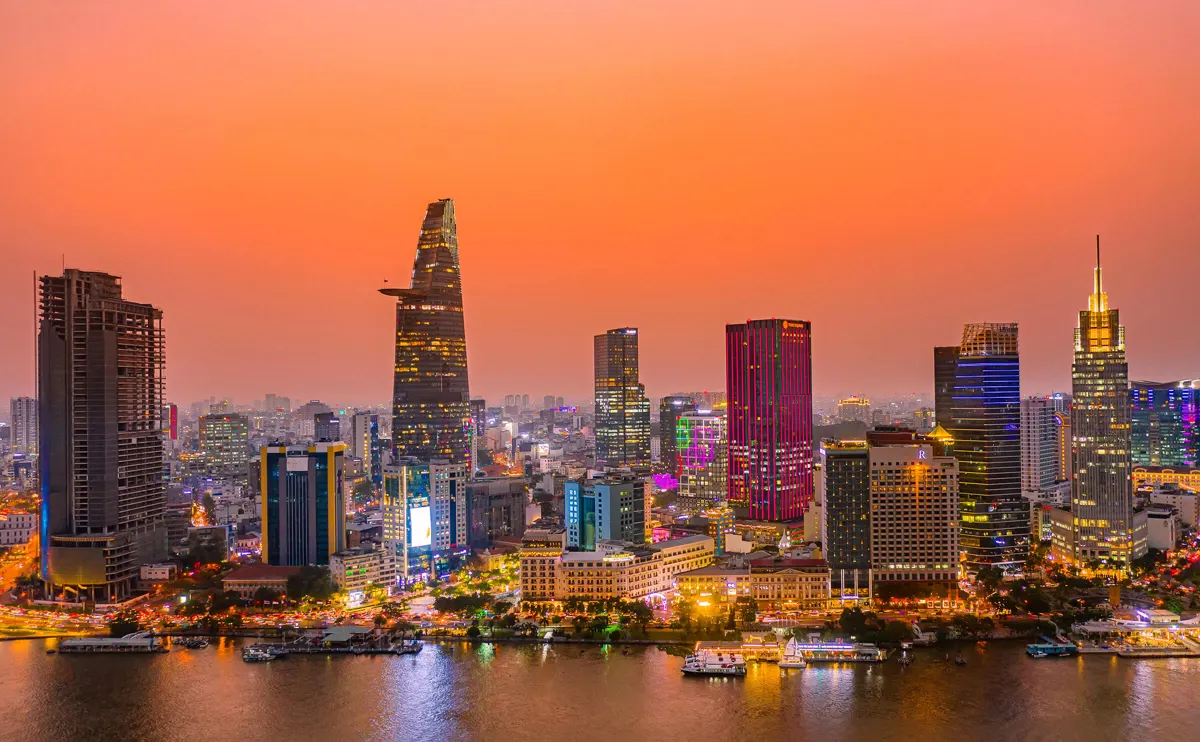
Ho Chi Minh City, often referred to as Saigon, stands as a major urban center in Vietnam, offering visitors a rich array of experiences. From historical monuments that recount significant national events to cultural institutions showcasing traditional arts and modern architectural achievements, the city presents a diverse itinerary for travelers. This guide outlines several prominent locations that provide insight into the city's past and present.
Preserving Vietnamese Heritage: Museums and Cultural Sites
Ho Chi Minh City hosts several institutions dedicated to the preservation and display of Vietnam's cultural and historical legacy. These sites offer profound educational opportunities for those interested in the nation's identity and journey through time.
The Ao Dai Museum stands out as Vietnam's only museum specifically dedicated to the traditional Vietnamese long dress, the Ao Dai. Located approximately a 30-minute drive from the city center, this museum provides a tranquil, verdant setting that contrasts with the city's energy. Its design incorporates traditional ethnic architecture, creating an atmosphere of reflection. The museum's primary mission involves collecting and exhibiting artifacts and documents related to the Ao Dai, emphasizing its cultural significance and connection to Vietnamese women's identity. Visitors can find the museum at 206/19/30 Long Thuan Street, Long Phuoc Ward, District 9.
For those interested in Vietnam's recent past, the War Remnants Museum offers a comprehensive look at the conflicts that shaped the nation. This institution systematically gathers, preserves, and displays materials related to wartime atrocities and their impact on the Vietnamese populace. As a recognized member of both the International Network of Museums for Peace (INMP) and the International Council of Museums (ICOM), the museum presents documents, photographs, and artifacts illustrating the severe consequences of war. It also communicates messages of resilience, the struggle for national sovereignty, and the value of global peace and understanding. The museum is situated at 28 Vo Van Tan Street, Vo Thi Sau Ward, District 3.
The History Museum of Ho Chi Minh City, housed in a French colonial building constructed in 1929, showcases the distinctive 'innovative Indochina' architectural style. Its collections span thousands of years of Vietnamese history and culture, with a particular focus on the cultural characteristics of Southern Vietnam and neighboring Asian countries. Over 43,000 documents and artifacts, including twelve national treasures, are displayed in its galleries, offering extensive historical and cultural knowledge to the public. The museum is located at 2 Nguyen Binh Khiem Street, Ben Nghe Ward, District 1.
Art enthusiasts will appreciate the Ho Chi Minh City Museum of Fine Arts, which began operations in 1991 after its establishment in 1987. This museum has observed the city's development and artistic evolution. Beyond its visually appealing exterior, which blends Eastern and Western architectural elements, the museum holds a significant backstory. Early in its history, under the guidance of a contemporary art center, a section of the museum was used as a hub for modern art, hosting various workshops, exhibitions, and performances. The museum's extensive collection includes ancient bronze sculptures from South Vietnam, Cham sculptures, statues from Tay Nguyen tombs, Vietnamese ceramics dating from the 11th to 20th centuries, Southern fine arts from the 18th to 20th centuries, and contemporary artworks. For those interested in exploring the city's artistic landscape further, a guide to contemporary and traditional works can provide additional insights. The museum can be found at 97A Duc Chinh Street, Nguyen Thai Binh Ward, District 1.
Architectural Icons and Historical Significance
Ho Chi Minh City's cityscape features several structures that are not only architectural marvels but also hold deep historical importance, reflecting different periods of the nation's past.
The Reunification Palace, also known as Independence Palace, is designated as a special national monument of Vietnam. This site played a pivotal role in Vietnam's history, witnessing numerous significant events, most notably the liberation of the South and the reunification of the country on April 30, 1975. The building's design, characteristic of the 1960s, demonstrates considerable architectural skill. It contains over 100 rooms, each furnished for specific functions, including the cabinet chamber, a room for diplomatic credentials, the strategic operations department, a grand ballroom, the presidential family's living quarters, a cinema, and a library. The War Remnants Museum is situated behind the palace. The address is 135 Nam Ky Khoi Nghia Street, Ben Thanh Ward, District 1.
The Notre Dame Cathedral Basilica of Saigon (officially the Cathedral Basilica of Our Lady of The Immaculate Conception) stands as the largest and most architecturally distinct church in Ho Chi Minh City. Completed on October 7, 1877, this religious structure is notable for its two 60-meter-high bell towers and remains a significant attraction for visitors. It is located at 1 Cong Xa Paris Street, District 1.
Adjacent to the Notre Dame Cathedral is the Ho Chi Minh City Central Post Office, an enduring example of French colonial architecture. Designed in a Gothic style by architect Villedieu and his assistant Foulhoux, this building has been recognized internationally, ranking second among the world's most beautiful post offices by Architectural Digest. Although its range of services has evolved, the post office continues to operate daily, serving both residents and tourists with services such as parcel delivery, flower and gift sending, express mail, and souvenirs. A prominent classical clock adorns the entrance, displaying the building's construction and inauguration dates. Inside, two historical maps illustrate Saigon's communication infrastructure: one depicting Saigon and its surrounding areas in 1892, and another showing Vietnam and Cambodia's telegraph lines in 1936. Visitors can also browse a selection of souvenir items and postage stamps reflecting Vietnamese culture. The post office is located at 2 Cong Xa Paris, District 1. For travelers seeking unique accommodations that echo the city's past, exploring historic hotels of Vietnam can offer a deeper connection to the country's heritage.
Modern Marvels and Unique Local Experiences
Beyond its historical depth, Ho Chi Minh City also showcases modern aspirations and offers distinctive community-based tourism opportunities.
Landmark 81 SkyView is a prominent skyscraper in the city, recognized as Vietnam's tallest tower at the time of its completion, reaching a height of 461.2 meters. Its design draws inspiration from the traditional image of a bamboo bundle. From its transparent glass observation decks, visitors can experience a comprehensive panoramic view of the entire urban landscape from above. The tower is located at 720A Dien Bien Phu Street, Ward 22, Binh Thanh District.
For a different kind of experience, the Thieng Lieng community-based tourism destination offers a retreat into a more natural environment. This hamlet, situated deep within the Thanh An island commune in Can Gio District, is known for its unique characteristics and engaging activities. Visitors to Thieng Lieng can enjoy a clean environment, free from urban dust, stress, and traffic congestion. Points of interest within the hamlet include Giong Chua mountain, which is the only rocky mountain in Ho Chi Minh City, and extensive white salt fields.
Echoes of Conflict: Significant Historical Locations
Ho Chi Minh City and its surroundings contain sites that vividly recount the struggles and resilience of the Vietnamese people during periods of conflict.
The Saigon Ranger Monument System includes several historical markers within the city. One notable location, often referred to as a 'red address,' is found in an alley connecting Nguyen Dinh Chieu and Vo Van Tan streets in District 3. This specific house commemorates the achievements of the Saigon rangers and features a secret basement that once concealed nearly two tons of weapons used in the 1968 Tet Offensive attack on the Independence Palace. This site is recognized as a National Historical-Cultural Monument. Other components of the Saigon Ranger Monument System scattered across the city include the Museum of Intelligence-Saigon-Gia Dinh Rangers, secret mailboxes and floating bunkers, and additional secret weapons bunkers. The primary address for the 'red address' site is 287/70 Nguyen Dinh Chieu Street, District 3.
Approximately 70 kilometers northwest of Ho Chi Minh City's center lies the extensive Cu Chi Tunnels. This vast underground network provides a distinct and engaging experience of Southern Vietnam's wartime history. Often described as an 'underground maze,' the system spans about 250 kilometers, featuring trenches, emplacements, fighting nests, bunkers for dining, sleeping, meetings, and military activities, as well as medical facilities, food storage areas, wells, and kitchens. Travelers can learn about the events that transpired within these tunnels and the conflicts between Vietnamese soldiers, civilians, and opposing forces from 1945 to 1975. Individuals who experience claustrophobia should be aware of the nature of this attraction. The Cu Chi Tunnels are located on Provincial Road 15, Phu Hiep hamlet, Phu My Hung commune, Cu Chi District.
Essential Information for Visiting Ho Chi Minh City Attractions
Planning your visits to Ho Chi Minh City's various attractions can enhance your experience. Below is a summary of key locations and their addresses for easy reference.
| Attraction | Address |
|---|---|
| Ao Dai Museum | 206/19/30 Long Thuan Street, Long Phuoc Ward, District 9 |
| War Remnants Museum | 28 Vo Van Tan Street, Vo Thi Sau Ward, District 3 |
| The History Museum of Ho Chi Minh City | 2 Nguyen Binh Khiem Street, Ben Nghe Ward, District 1 |
| Ho Chi Minh City Museum of Fine Arts | 97A Duc Chinh Street, Nguyen Thai Binh Ward, District 1 |
| Reunification Palace | 135 Nam Ky Khoi Nghia Street, Ben Thanh Ward, District 1 |
| Landmark 81 SkyView | 720A Dien Bien Phu Street, Ward 22, Binh Thanh District |
| Saigon Ranger Monument System (main site) | 287/70 Nguyen Dinh Chieu Street, District 3 |
| Cu Chi Tunnels | Provincial Road 15, Phu Hiep hamlet, Phu My Hung commune, Cu Chi District |
| Notre Dame Cathedral | 1 Cong Xa Paris Street, District 1 |
| Ho Chi Minh City Central Post Office | 2 Cong Xa Paris, District 1 |
When exploring the city, consider the local culinary offerings. Ho Chi Minh City is renowned for its diverse food scene, and a local food guide can help you discover authentic dishes. Public transportation and ride-sharing services are widely available for navigating between sites. It is advisable to verify current operating hours and any entry requirements directly with each venue, as these details can change.
Frequently Asked Questions
What are the must-see historical sites in Ho Chi Minh City?
Key historical sites include the War Remnants Museum, Reunification Palace, and the Cu Chi Tunnels. These locations offer significant insights into Vietnam's past conflicts and national journey.
Are there any unique cultural museums in Ho Chi Minh City?
Yes, the Ao Dai Museum is a unique cultural institution dedicated to the traditional Vietnamese long dress, offering a deep dive into its history and cultural significance. The Ho Chi Minh City Museum of Fine Arts also showcases a broad range of Vietnamese art.
How far are the Cu Chi Tunnels from the city center?
The Cu Chi Tunnels are located approximately 70 kilometers northwest of Ho Chi Minh City's center, requiring a dedicated trip to visit.
Can I see modern architecture in Ho Chi Minh City?
Certainly. Landmark 81 SkyView is a prime example of modern architecture, offering panoramic city views from its observation deck. The city's skyline continues to evolve with contemporary structures.
Is there a place to experience local community life near Ho Chi Minh City?
The Thieng Lieng community-based tourism destination in Thanh An island commune (Can Gio District) provides an opportunity to experience local community life, including salt fields and a natural environment away from the urban rush.








