
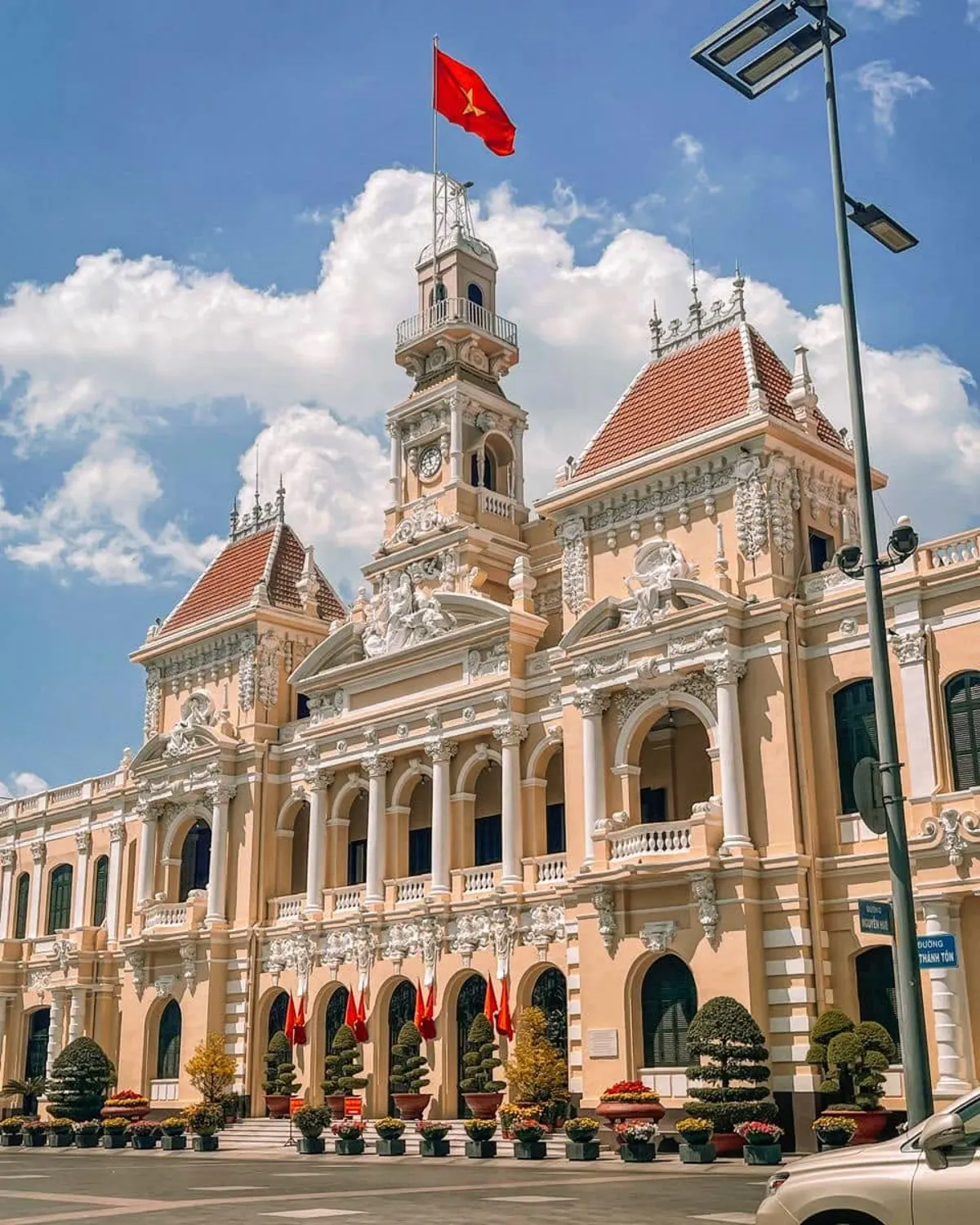
Ho Chi Minh City, often still referred to as Saigon, serves as a major hub in Vietnam, captivating visitors with its distinctive architecture, diverse culinary offerings, and extensive shopping venues. To truly appreciate the city's character and rhythm, understanding its practical aspects is key. This guide provides essential information to help you plan and enjoy your time in this energetic destination.
Understanding Ho Chi Minh City's Climate
Ho Chi Minh City's weather patterns are defined by a tropical monsoon climate, which brings about a distinct dry season and a rainy season. Temperatures generally remain high and consistent throughout the year. The wet season typically extends from June through November, characterized by sudden, heavy downpours.
Despite the frequent rain during these months, precipitation in Ho Chi Minh City usually does not persist for extended periods. Consequently, the city remains a suitable travel destination throughout the entire year. Locals often describe the weather as 'sunny in the morning and rainy in the afternoon,' indicating that heavy showers can commence unexpectedly, even when the sun is shining. These unpredictable weather shifts are considered a unique aspect of the city's atmosphere.
Navigating the City: Arrival and Local Transport
As a prominent Vietnamese urban center, Ho Chi Minh City offers a variety of straightforward transportation options for arrival. Travelers have several choices depending on their starting point and preferences.
For those traveling from Hanoi, train services are available from Hanoi Train Station, offering different seating and sleeping arrangements such as soft seats, hard seats, and cabins with four or six beds. The 'Thong Nhat' (Reunification) express train provides the fastest rail connection between Hanoi and Ho Chi Minh City, with a journey duration of approximately 30 hours. This option allows passengers to observe the changing landscapes of Vietnam. Alternatively, long-distance bus services also connect Hanoi to Ho Chi Minh City, typically costing around 900,000 VND for a bed-chair ticket, which usually includes food and drink during the 30 to 40-hour trip. For a quicker journey, flying is an efficient choice, with flights from Hanoi to Ho Chi Minh City taking about 1 hour and 45 minutes. Airfares are often reasonable, especially if booked several months in advance to take advantage of promotional rates. Tan Son Nhat International Airport is conveniently situated within the city's urban area, minimizing transfer times and costs upon arrival. For those considering overnight rail journeys in Vietnam, planning ahead is always beneficial.
Getting Around Ho Chi Minh City
Once in Ho Chi Minh City, a range of public and private transportation methods are available for exploring. Buses offer an economical way to navigate the city, especially when used in conjunction with a map. For a more independent experience, renting a motorbike is a popular choice, typically costing around 100,000 VND per day. The rental process is generally simple, usually requiring only an ID card and the rental fee. For travelers who prefer a more structured and safer option, taxis are readily available. Reputable taxi companies include Mai Linh (identifiable by their green or white vehicles), Vinasun, and Hoang Long.
Choosing Your Stay: Accommodation Options
Selecting appropriate accommodation is an important aspect of planning your visit, providing a comfortable base for rest and rejuvenation. It is generally advisable to choose lodging in well-populated areas rather than secluded locations, as this can contribute to personal safety and convenience. Ho Chi Minh City provides a wide spectrum of hotels and guesthouses, with prices ranging from approximately 200,000 VND to several million VND per night.
Many visitors opt for hotels located in the city center or near popular districts like Nguyen Trai street, Le Thanh Ton street, the Ben Thanh market vicinity, Pham Ngu Lao, and Bui Vien. While accommodation in these central areas might be priced higher, the advantage of reduced travel time and lower transportation costs often offsets the difference, particularly given the city's frequent traffic congestion. For a different perspective, some travelers enjoy staying in high-rise hotels with balconies or rooftop access, offering opportunities to relax with a drink while observing the city's illuminated skyline at night.
Shopping Experiences in Ho Chi Minh City
Ho Chi Minh City presents a diverse retail landscape, blending modern shopping centers featuring global brands with traditional markets. This makes it a compelling destination for both local and international shoppers. The city offers an extensive array of goods, from everyday necessities and regional specialties to internationally recognized products. Shoppers can find a good selection of silk items, clothing, lacquerware, embroidered goods, and home furnishings.
While prices for these items may be higher than in other parts of the country, the selection is often more refined, and the cosmopolitan environment can make the shopping experience more relaxed, particularly in higher-end boutiques where sales pressure is typically lower. Most retail establishments operate seven days a week, from morning until evening. Credit cards are widely accepted in many stores, though some may apply a 3-5% processing fee. Local markets and street vendors, however, typically operate on a cash-only basis. For those interested in unique purchases and souvenirs from a trip to Vietnam, Ho Chi Minh City offers many options.
District 1 is a central hub for shopping, hosting numerous centers, markets, and fashion streets. Notable locations include Ben Thanh Market, Diamond Plaza, Parkson Saigon, Saigon Square Shopping Center, Miss ‘Ao Dai’ Building, Tax Department Store, and Saigon Centre, all providing extensive choices for fashion, cosmetics, and other goods. For visitors with limited time, Ben Thanh Market, Saigon Square, or An Dong Plaza offer a concentrated shopping experience.
| Shopping Venue | Typical Price Level | Negotiation Expected | Local Presence |
|---|---|---|---|
| Ben Thanh Market | Higher (due to tourist traffic) | Significant (start at 40-50% off) | Fewer locals |
| Saigon Square | Moderate | Moderate (expect 10-20% off) | More locals |
| An Dong Plaza | Moderate | Moderate | More locals |
It is worth noting that Ben Thanh Market, while centrally located and convenient, can be more expensive than other markets due to its popularity with tourists. When shopping at Ben Thanh, it is common practice to negotiate prices, often starting at 40-50% below the initial asking price. If a vendor does not agree to a lower price, moving to another stall is a common approach. In contrast, at Saigon Square, shoppers should anticipate a more modest discount, typically around 10-20% off the listed price. Saigon Square and An Dong Plaza are generally frequented by more local residents.
Exploring Southern Vietnamese Cuisine
Street food forms an integral part of the Ho Chi Minh City travel experience. The city's streets are filled with popular food stalls where the aromas and tastes of local dishes combine with an energetic atmosphere, creating appealing dining spots. Visitors can explore these culinary offerings from evening into the late hours, stopping at various vendors to sample dishes such as banh mi, pho, bun, hu tiu Nam Vang, banh tam bi, banh trang tron, and com tam suon. Ben Thanh Market also provides a good overview of Vietnamese cuisine for those seeking a concentrated food experience.
Signature Dishes to Try
- Bánh Mì (Vietnamese Baguette): Small stalls selling Vietnamese baguettes are found on nearly every street and alley. These sandwiches offer a variety of fillings, including ham, pate, and pork, often complemented by pickled radish, carrots, and sliced cucumber for added flavor.
- Phở (Noodles): Originally from Northern Vietnam, pho has adapted to Southern tastes in Ho Chi Minh City. The noodles here are typically thinner than those found in Hanoi, and the broth is often sweeter, less salty. Variations now include pho with fish or ostrich.
- Hủ Tiếu: While Hanoi is known for pho, Ho Chi Minh City is recognized for hu tiu, a popular Southern noodle dish with a sweet broth. Varieties include Hu Tieu Nam Vang (Phnom Penh noodle), Hu Tieu My Tho, hu tiu with beef, and Chinese fishing hu tiu. The broth, traditionally made from pork bones, is crucial to the dish's sweet and savory profile. This dish has a long history in the South and is considered a unique part of Southern Vietnamese culinary heritage.
- Bánh Tráng Trộn: A visit to Ho Chi Minh City would be incomplete without trying banh trang tron. This mixed rice paper salad combines chewy, soft, salty, fatty, sweet, sour, and spicy elements, typically served in a small plastic bag. It is often regarded as a representation of the city's diverse and harmonious character.
- Cơm Tấm Sườn Nướng (Rice with Grilled Ribs): Com tam is a simple yet ubiquitous dish available on most streets in Ho Chi Minh City. It is often served with grilled ribs, fried eggs, and savory rolls. Although com tam is found nationwide, it holds a special cultural significance in Saigon, where it has become a culinary staple for its ten million residents. Its widespread availability, from street vendors to upscale restaurants, highlights its importance. Com tam has been recognized by CNN and honored by the Asian Record Organization as one of Ho Chi Minh City's most appealing dishes, maintaining a favored position in the hearts of locals despite the city's extensive international culinary offerings.
Important Safety and Travel Considerations
Street security in Ho Chi Minh City requires visitors to remain vigilant. It is advisable to avoid displaying valuable items such as jewelry, handbags, cameras, or smartphones openly while traveling. For smaller handbags, consider dividing your money into several smaller portions, and keep important documents secured in a safe place at your accommodation. Incidents of petty theft, particularly targeting foreign visitors who may be less prepared, have been reported.
During your travels, carrying a physical map or utilizing a smartphone application like Google Maps can be highly effective for navigation. When using taxis, always opt for well-known and reputable brands. While most drivers are honest, a small number may attempt to overcharge by taking longer routes or applying inflated fares. Additionally, exercise caution when approached by individuals who appear overly friendly and offer to assist with luggage, as some may have ulterior motives, such as pressuring you to purchase goods or attempting to abscond with your belongings. When enjoying street food or shopping, it is always prudent to confirm prices before making a purchase or consuming food. For managing finances, understanding banking services in Ho Chi Minh City for travelers is also a useful preparation.
Despite these considerations, Ho Chi Minh City remains a captivating and expansive destination for first-time visitors. Its energetic and dynamic atmosphere is a defining characteristic. For international tourists seeking to experience the vastness and diversity of Vietnam, Ho Chi Minh City often serves as an excellent starting point.
Frequently Asked Questions
What is the best time of year to visit Ho Chi Minh City?
Ho Chi Minh City can be visited throughout the year due to its consistently warm tropical monsoon climate. While the rainy season occurs from June to November, the rains are typically brief, allowing for continued exploration. The dry season, from December to May, generally offers more consistent sunny weather.
What are the primary ways to travel to Ho Chi Minh City from other major Vietnamese cities?
Travelers can reach Ho Chi Minh City from places like Hanoi via several methods: train, which offers scenic views over approximately 30 hours; long-distance buses, a budget-friendly option taking 30-40 hours; or by air, which is the quickest, with flights from Hanoi lasting about 1 hour and 45 minutes.
How should I approach shopping and price negotiation in Ho Chi Minh City markets?
In markets like Ben Thanh, negotiation is expected, and it's common to start bargaining at 40-50% below the initial asking price. At places like Saigon Square, expect a smaller discount, typically 10-20%. Always confirm prices before committing to a purchase.
What are some essential local dishes I should try in Ho Chi Minh City?
Key culinary experiences include Banh Mi (Vietnamese baguette), Pho (Southern-style noodles), Hu Tieu (a popular Southern noodle soup), Banh Trang Tron (mixed rice paper salad), and Com Tam Suon Nuong (broken rice with grilled ribs), which is considered a city staple.
What safety advice is important for visitors in Ho Chi Minh City?
Visitors should be mindful of their belongings, avoiding open display of valuables. It's wise to carry money in divided portions and secure important documents. Be cautious of taxi drivers who might take longer routes and be wary of overly friendly individuals offering unsolicited help with luggage.








