
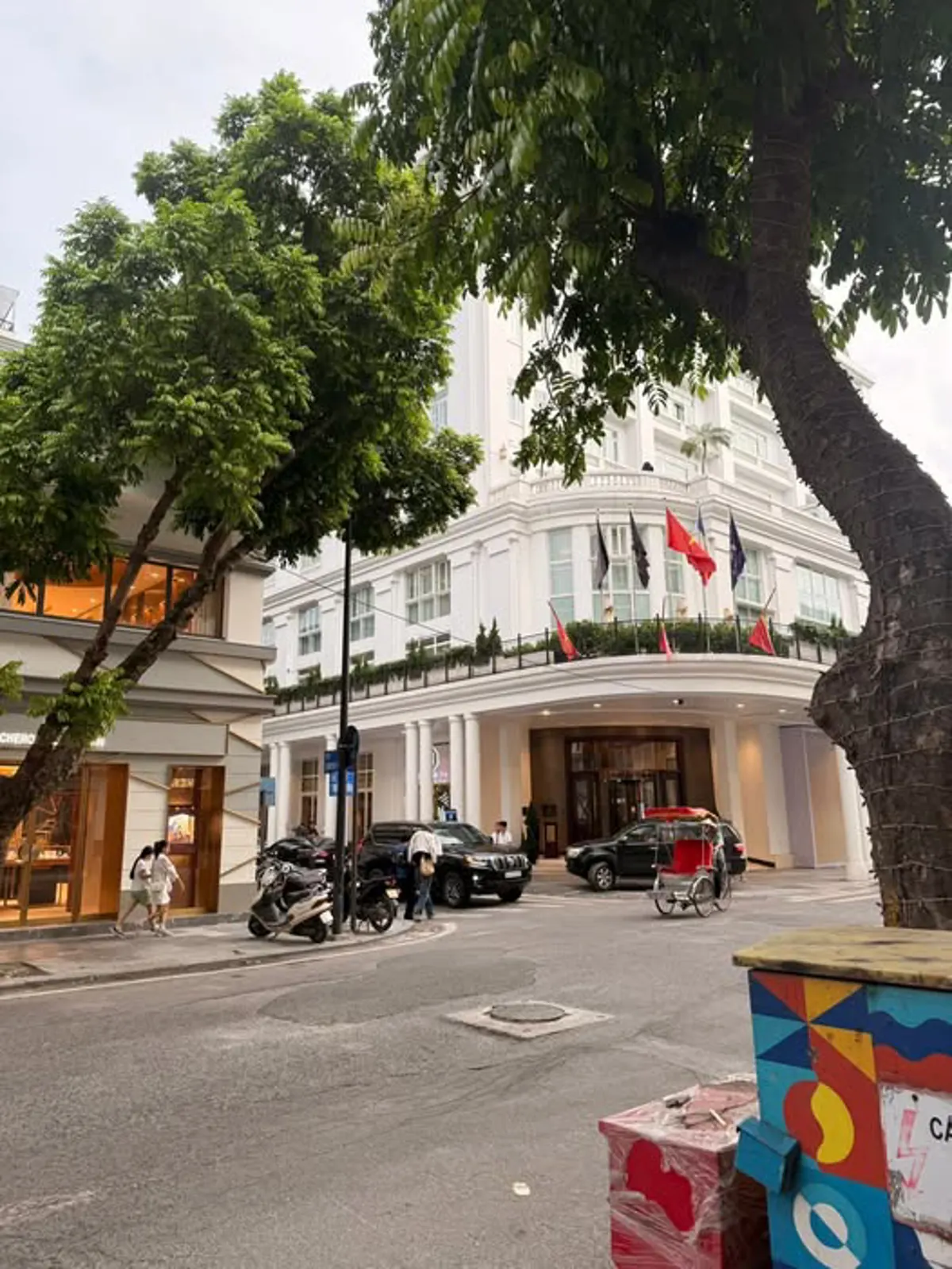
Hoan Kiem Lake, also known as Sword Lake, holds a central position in Hanoi, serving as both a geographical focal point and a profound symbol of Vietnamese culture and history. This freshwater body is renowned for its tranquil setting, its deep historical roots, and the cultural significance it imparts to the surrounding urban landscape. For anyone planning an itinerary in the Vietnamese capital, a visit to this prominent lake and its adjacent attractions is considered a fundamental experience.
The Enduring History and Legends of Hoan Kiem Lake
Hoan Kiem Lake, spanning approximately 12 hectares in the historical core of Hanoi, has been known by several names throughout its long history. Previously, it was referred to as Luc Thuy Lake, meaning “Green Water Lake,” a name reflecting the distinctive color of its waters. Another historical designation was Thuy Quan Lake, or “Mariner’s Lake,” and under the Le Mat Dynasty, it was called Ta Vong. The lake's current name, Hoan Kiem, translates to “Lake of the Returned Sword” or “Lake of the Restored Sword,” stemming from a revered Vietnamese legend.
The legend recounts that in the early 15th century, during the struggle against Ming Chinese invaders, King Le Loi acquired a magical sword. This sword, bearing the inscription “Thuan Thien” (harmonious with heaven), was believed to be a divine gift that aided him in his victories. In 1428, after peace was restored, as King Le Loi was boating on the lake, a Golden Turtle God emerged from the water and requested the return of the sacred weapon. Acknowledging that the sword's purpose had been fulfilled, the King extended it to the turtle, which grasped it and vanished beneath the surface. To commemorate this extraordinary event, King Le Loi renamed the body of water Hoan Kiem Lake, solidifying its place in national folklore. Historically, the lake was considerably larger, but sections were filled during the French colonial era to facilitate the expansion of Hanoi city. Today, it measures about 700 meters in length and 250 meters in width, with an average depth ranging from 1 to 1.4 meters. The lake's greenish water, which shifts in shade with the sky's reflection, is distinctive. It is also home to tortoises, considered sacred creatures in Vietnamese culture alongside dragons, phoenixes, and unicorns, further enhancing the lake's revered status.
Architectural and Cultural Landmarks Surrounding the Lake
The area immediately surrounding Hoan Kiem Lake is rich with historical and architectural sites, making it a focal point for visitors seeking cultural exploration. These landmarks are not only visually engaging but also carry deep historical and symbolic meaning for the people of Hanoi.
On the northern side of the lake, situated on Jade Island, stands Ngoc Son Temple, or the Temple of the Jade Mountain. Constructed in the 18th century, this temple honors Tran Hung Dao, a national hero celebrated for successfully repelling Mongolian invasions three times. Inside the temple, visitors can find altars, various historical artifacts, and a preserved specimen of a giant turtle weighing 250 kilograms. The temple complex is accessible from the mainland via a distinctive bridge.
Connecting the shore to Jade Island and Ngoc Son Temple is The Huc Bridge, often translated as “Perch of the Morning Sunlight.” This wooden bridge is painted a bright red and exemplifies traditional Buddhist architectural styles. Its elegant form, particularly striking during sunrise and sunset, makes it a popular spot for photography. Further within the lake, Turtle Tower stands as a significant emblem of Hanoi. During the period of French occupation, the Vietnamese revolutionary flag was reportedly displayed atop this tower, symbolizing the nation's aspirations for independence. Despite its non-traditional Vietnamese architectural style, the tower remains a source of pride for Hanoians.
At the entrance to Ngoc Son Temple, visitors will notice Thap But, also known as the Pen Tower. Erected in 1865 at the suggestion of scholar Nguyen Van Sieu, this stone tower reaches a height of 28 meters and features five distinct floors. It rests upon a four-meter-high stone base. The tower's apex is shaped like a writing brush, measuring 0.9 meters. Inscribed on its surface are the words “Writing on the clear blue sky,” conveying the principle of upholding integrity and truthfulness. Beyond its aesthetic and literary symbolism, the Pen Tower also represents principles of feng shui and commemorates the influence and martial prowess of the Trinh Lord.
| Landmark | Location/Connection | Key Feature | Significance |
|---|---|---|---|
| Ngoc Son Temple | Northern shore, Jade Island | Dedicated to Tran Hung Dao, houses turtle specimen | Honors national hero, cultural and historical site |
| The Huc Bridge | Connects shore to Ngoc Son Temple | Bright red wooden bridge, Buddhist architecture | Iconic photo spot, symbolic link to sacred island |
| Turtle Tower | Center of Hoan Kiem Lake | Historical site for revolutionary flag display | Symbol of Hanoi, national pride |
| Thap But (Pen Tower) | Entrance to Ngoc Son Temple | 28m high, five-story stone tower with brush tip | Symbolizes literature, integrity, and feng shui |
Engaging Activities and Local Experiences at Hoan Kiem Lake
The area around Hoan Kiem Lake offers a diverse range of activities throughout the day, drawing both locals and international visitors. Early mornings, typically between 5 AM and 6 AM, reveal a different side of the lake. During this time, the city's usual sounds are replaced by a peaceful calm, ideal for outdoor exercise. Many local residents gather here to participate in activities such as yoga, aerobics, and Tai Chi, and visitors are often welcome to join in, providing an opportunity for cultural interaction.
For an insight into traditional Vietnamese performing arts, attending a Water Puppet Show is highly recommended. These performances are a long-standing cultural tradition, featuring puppets manipulated over water by hidden performers. The shows are accompanied by a Vietnamese orchestra, which provides live music using instruments like wooden bells, drums, bamboo flutes, cymbals, and horns. Two prominent venues for these performances near the lake include Bong Sen Puppet Theater and Thang Long Puppet Theater.
During weekends, the streets immediately surrounding Hoan Kiem Lake transform into a pedestrian zone, with traffic restricted from 7 PM to 12 AM on Fridays, Saturdays, and Sundays. This creates a lively public space where traditional folk games and musical performances are often showcased. Adjacent to this area, the Hang Dao Night Market operates from 6 PM to 11 PM on Fridays, Saturdays, and Sundays. This market extends from Hang Dao Street, across Dong Kinh Nghia Thuc Square, and towards the entrance of Dong Xuan Market, offering a variety of local souvenirs and traditional crafts, alongside numerous snack options.
Beyond the immediate vicinity of the lake, the Old Quarter of Hanoi lies to the northeast, within the Hoan Kiem district. Historically, this area served as a significant residential, manufacturing, and commercial center, with many streets specializing in particular trades—a legacy reflected in its alternative name, the “36 streets.” While few streets retain their exclusive original commerce today, the Old Quarter remains a fascinating place to explore local life. A ride on a cyclo, a human-powered transport with passengers seated in front, offers a unique perspective for slow-paced sightseeing through its narrow, active thoroughfares.
Culinary Discoveries and Retail Opportunities Near Hoan Kiem Lake
The area surrounding Hoan Kiem Lake is a hub for culinary exploration and shopping, catering to various preferences from street food to luxury brands. A must-try local treat is Trang Tien ice cream, a Hanoi specialty available in a range of flavors including chocolate, vanilla, young glutinous rice, green bean, and Indian taro.
For those seeking dining experiences with scenic views, Cau Go restaurant offers delicious Vietnamese cuisine overlooking the lake. Alternatively, the Ham Ca Map (Shark Jaw building) provides a spot for enjoying drinks and coffee. Hanoi is also renowned for its diverse and affordable street food scene. Popular dishes to sample include “Pho,” “Bun cha,” “Cha ca,” “Bun thang,” and “Bun dau mam tom,” which are widely available at reasonable prices.
Shopping enthusiasts interested in high-end international brands will find Trang Tien Plaza Shopping Mall a suitable destination. Originally constructed in 1901 in a French colonial architectural style, the mall underwent a significant renovation in 2013 to achieve its current appearance. Situated on a corner adjacent to Hoan Kiem Lake, it is one of Hanoi's oldest shopping centers and hosts numerous luxury brands such as Bvlgari, Dior, Cartier, and Louis Vuitton.
Practical Information for Visiting Hoan Kiem Lake
Hoan Kiem Lake's central location makes it highly accessible for visitors to Hanoi. It is just a short walk from the city's Old Quarter, where many hotels are situated. For those arriving from Noi Bai Airport, the journey to the lake typically takes approximately 40 minutes. If you are staying in the West Lake area, you can reach the Old Quarter via Yen Phu Road and then proceed east to Hoan Kiem Lake. Planning your visit to include both the early morning tranquility and the weekend evening activities will provide a comprehensive experience of this iconic Hanoi landmark.
When planning your trip to Hanoi, it is also beneficial to understand the local infrastructure, including managing finances in Hanoi. While Hoan Kiem Lake itself does not have specific banking facilities, numerous options are available throughout the city to ensure a smooth travel experience.
Frequently Asked Questions
What is the best time of day to visit Hoan Kiem Lake?
The best times to visit Hoan Kiem Lake depend on your interests. Early mornings (around 5 AM to 6 AM) offer a peaceful atmosphere, ideal for observing locals practicing Tai Chi and other exercises. Weekends, particularly Friday, Saturday, and Sunday evenings from 7 PM to 12 AM, transform the surrounding streets into a lively pedestrian zone with cultural performances and the Hang Dao Night Market operating from 6 PM to 11 PM.
What is the significance of the tortoises in Hoan Kiem Lake?
Tortoises are considered sacred animals in Vietnamese culture, alongside dragons, phoenixes, and unicorns. The presence of giant tortoises in Hoan Kiem Lake, particularly in relation to the legend of King Le Loi and the returned sword, elevates the lake to a holy place. Spotting one is often considered a sign of good fortune.
Are there any entrance fees for attractions around the lake?
While access to the Hoan Kiem Lake area itself is free, some specific attractions like Ngoc Son Temple typically require an entrance fee. Information on current ticket prices for such sites should be verified upon arrival, as these details can change.
How can I experience the Old Quarter from Hoan Kiem Lake?
The Old Quarter is located immediately northeast of Hoan Kiem Lake and is easily accessible by walking. For a unique sightseeing experience, consider taking a cyclo ride, which allows for a leisurely tour through the historic narrow streets and provides excellent photo opportunities.
What kind of food should I try near Hoan Kiem Lake?
The area around Hoan Kiem Lake offers a wide array of culinary options. Must-try items include Trang Tien ice cream and various street food specialties such as Pho, Bun cha, Cha ca, Bun thang, and Bun dau mam tom. Many restaurants and cafes also provide scenic views of the lake while you dine.








