
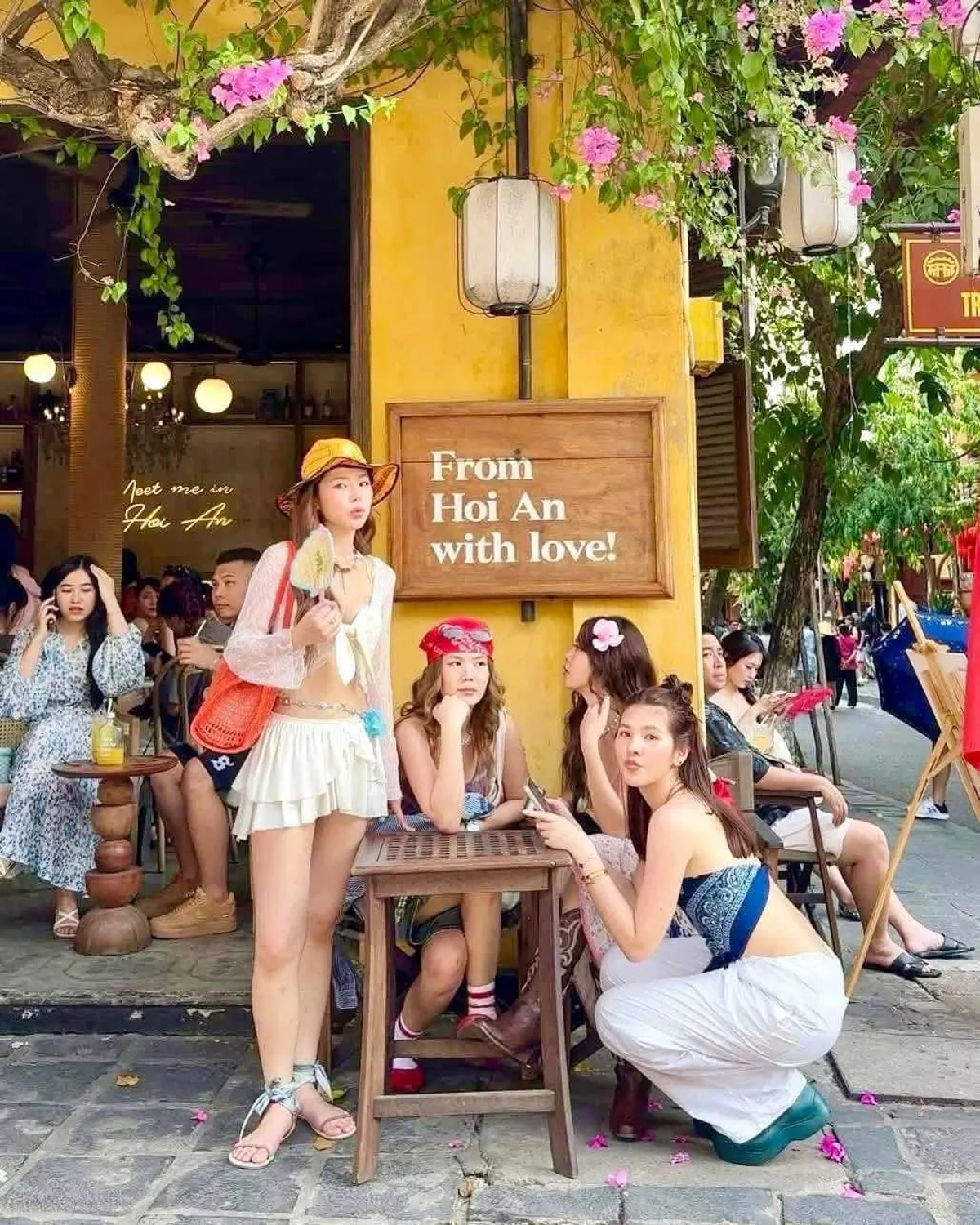
Hoi An, a charming city situated along a river, offers an exceptional pedestrian experience due to its car-free zones. Traversing its streets on foot allows visitors to fully appreciate the local way of life, engage with historical sites, and capture memorable photographs, making it an essential activity during any visit.
Exploring Hoi An on Foot
Hoi An is recognized as an ancient settlement, home to numerous temples, museums, and well-preserved traditional residences. A significant characteristic of the city center is its restriction on motorized traffic, which means that walking is the primary and most effective method for exploration. This allows individuals the freedom to pause wherever they wish, whether to learn about the history of a particular temple, purchase local crafts, or sample regional cuisine. The city's atmosphere is known to captivate visitors, often leading them to lose themselves in its unique charm.
For those who prefer structured exploration, various guided walking tours are available in Hoi An. These tours can focus on historical sightseeing, covering many of the city's important cultural landmarks with an expert guide, or they can be centered around culinary experiences, leading participants to sample the finest local dishes.
Guided Walking Tours in Hoi An
Visitors to Hoi An have several options for guided walks, catering to different interests. A half-day sightseeing tour is typically sufficient to cover many of the prominent historical and cultural locations. During such a tour, a guide can lead groups to significant points of interest, including the iconic Covered Bridge, the Assembly Hall of the Cantonese Chinese Congregation, the bustling Central Market, and various tailor shops.
Alternatively, a street food walking tour provides an excellent opportunity to taste the city's culinary offerings. With a local guide, participants can navigate the streets, discovering and sampling some of Hoi An's most celebrated dishes. This type of tour often focuses on specific areas known for their food culture.
Key Historical and Cultural Sites
Hoi An's historical core presents a collection of sites that reveal its rich past and diverse cultural influences. A walking tour provides an intimate perspective on these significant landmarks.
The Japanese Covered Bridge
Constructed in 1593, the Covered Bridge, also known as the Japanese Bridge, has served for centuries as a spiritual sanctuary for residents and a defining emblem of Hoi An. Its original purpose was to connect the Chinese and Japanese communities within the city. The bridge's architectural details reflect influences from both Chinese and Japanese design, alongside Vietnamese elements. Statues of dogs and monkeys, representing years of the Chinese Zodiac, are visible on the bridge. A visit offers insight into Hoi An's historical development and its people.
Cantonese Assembly Hall
Dating back to the 18th century, the Assembly Hall of the Cantonese Chinese Congregation functioned as a gathering place for seafaring merchants, offering a space for rest, meetings, and religious observance. The central altar within the hall honors Quan Cong, a revered Chinese military general. Despite its modest size, the Assembly Hall features an impressive courtyard, a detailed statue depicting a dragon and a carp, multiple shrines, lion sculptures, and intricately carved bas-reliefs, all contributing to its architectural appeal.
Historic Merchant Houses
Hoi An is home to numerous ancient residences, with notable examples including the Diep Dong Nguyen, Duc An, Pung Hung, and Tan Ky houses. Exploring these homes provides a window into the traditional lifestyle of Vietnamese people from earlier eras. Inside, visitors can find historical photographs, various displays, and souvenir shops, offering a deeper understanding of Hoi An's history and cultural heritage.
Hoi An Central Market
Located on Phan Boi Chau street, the Hoi An Central Market is a hub of activity. Here, shoppers can find a wide array of goods, from fresh produce like fruits, vegetables, fish, and meat, to custom-made clothing such as suits and dresses crafted by local tailors. It also serves as an ideal location for purchasing souvenirs for family and friends. This market uniquely blends the city's tourism industry with its traditional daily routines.
A Culinary Journey: Hoi An Food Walking Tours
For those interested in the local gastronomy, a food walking tour offers an excellent way to experience Hoi An's flavors. Chau Trinh street is particularly recognized for its array of street food establishments, with numerous restaurants and food stalls lining the thoroughfare. Other streets like Hai Ba Trung, Thai Phien, and Le Loi also feature culinary options for a more extended exploration.
Notable Food Stops
Hoi An's culinary scene is rich with distinctive dishes. Below are some highly regarded spots for a taste of local specialties:
| Venue | Address | Specialty | Notes |
|---|---|---|---|
| Com Ga Ba Nga | 08 Phan Chau Trinh | Com Ga (Chicken Rice) | Features carefully selected and cooked chicken, firm pieces, a savory brown sauce, and is served with chicken salad and herbs. |
| Mi Quang Di Hat | 04 Phan Chau Trinh | Mi Quang (Quang Noodle) | A small stall with a pleasant setting. The dish includes rice noodles, shrimp (with options for pork, chicken, fish, or beef), herbs, and a distinctive broth, prepared with a reported secret recipe. |
| Banh Mi Phuong | 2B Phan Chu Trinh Street | Banh Mi (Vietnamese Sandwich) | Widely acclaimed for its crispy yet soft baguettes, flavorful fillings, and unique accompaniments. Offers high quality at an accessible price point. |
Beyond these specific locations, visitors might also consider trying other local dishes such as Cao Lau (Pork Rice Noodle), Hoanh Thanh Chien (Fried Wontons), and Banh Bao Banh Vac (White Rose Dumpling) for a broader culinary experience.
Practical Advice for Your Hoi An Walking Experience
To enhance your exploration of Hoi An on foot, consider these practical suggestions:
- Student-Led Tours: Free walking tours are often organized by local students. These non-profit initiatives provide an excellent opportunity to learn about the city's key attractions in a concise timeframe. The student guides are typically enthusiastic about practicing their English language skills. Participants are generally expected to cover their own entrance fees for sites and are encouraged to offer a generous tip to their guide at the conclusion of the tour.
- Footwear: Given the extensive walking involved, comfortable shoes are advisable.
- Hydration: Carry water, especially during warmer months, to stay hydrated.
- Sun Protection: Sunscreen, hats, and sunglasses are recommended for daytime excursions.
- Cash: While some establishments accept cards, having local currency is useful for street vendors, small shops, and tipping. For managing your finances, understanding banking services in Hoi An can be helpful.
- Respect Local Customs: When visiting temples or assembly halls, dress modestly, covering shoulders and knees.
- Photography: Hoi An offers many photo opportunities; consider bringing a camera.
Frequently Asked Questions
Is Hoi An suitable for walking?
Yes, Hoi An is exceptionally well-suited for walking. The city center is largely restricted to motorized vehicles, creating a pedestrian-friendly environment that encourages exploration on foot. This allows visitors to leisurely experience its historical sites, markets, and culinary offerings.
What are the main attractions to see on a walking tour in Hoi An?
Key attractions often included in walking tours are the Japanese Covered Bridge, the Assembly Hall of the Cantonese Chinese Congregation, various ancient merchant houses like Tan Ky House, and the Hoi An Central Market. These sites offer insights into the city's history, architecture, and daily life.
Can I find food during a walking tour in Hoi An?
Absolutely. Hoi An is renowned for its street food. Many walking tours are specifically designed as food tours, guiding participants to popular eateries and stalls. Even on general sightseeing tours, you will find numerous opportunities to sample local dishes and snacks.
Are there free walking tours available in Hoi An?
Yes, some non-profit organizations and local students offer free walking tours in Hoi An. These tours are often led by students eager to practice English and share their city's culture. While the tour itself is free, participants are usually responsible for any entrance fees to sites and are encouraged to tip their student guide.
What should I bring on a walking tour in Hoi An?
It is advisable to bring comfortable walking shoes, water, sun protection (hat, sunscreen, sunglasses), and local currency for purchases, snacks, and tips. A camera is also recommended to capture the city's unique charm.








