
Thailand consistently ranks among Southeast Asia's more economical travel destinations, presenting a diverse array of cultural practices, natural settings, and culinary delights. Before embarking on a visit to this captivating country, understanding various methods to manage your budget effectively can enhance your experience and financial planning.
Optimizing Airfare and Accommodation Expenses
Air travel often represents the largest single expenditure for a trip to Thailand. Consequently, dedicating time to locate lower-cost flight options is a primary strategy for reducing overall costs. Numerous budget carriers frequently offer promotional fares and discounted tickets to Thai destinations. Airlines such as Jetstar, AirAsia, VietJet, TigerAir, and various local Thai airlines are known for competitive pricing. Thorough research and comparing offers across different providers are crucial steps to securing the most favorable airfare.
Beyond flights, securing economical lodging is another vital component of budget travel in Thailand. The country provides a broad spectrum of budget-friendly accommodation types to suit different preferences. Options include three-star or four-star hotels, hostels, dormitory rooms, local homestays, and even couch-surfing communities for those seeking a more unconventional experience. For comfort and safety, many travelers find mid-range hotels or hostels that provide essential amenities to be a practical choice, allowing for personal space and relaxation during a cost-conscious vacation.
Savoring Local Cuisine on a Budget
For culinary experiences that are both authentic and economical, focusing on local Thai food is highly recommended. This includes enjoying street food and traditional Thai dishes at mid-range restaurants. Opting for these local eateries instead of upscale Western dining establishments offers a more genuine taste of the country's gastronomy at a fraction of the price. Thailand is widely recognized for its exceptional food culture, where well-prepared local dishes are typically inexpensive, flavorful, and fresh. Visitors can sample a wide variety of dishes while exploring streets and markets, often for the same cost as just a few items at luxury dining venues. The principle of seeking out local dining experiences for both authenticity and economy extends to other regional destinations, such as when exploring the culinary landscape of Phnom Penh.
Furthermore, purchasing snacks, beverages, and other daily necessities from convenience stores, like 7-Eleven, can lead to considerable savings. These stores are widely available, offer a diverse selection of products at reasonable prices, and are generally open extended hours. Choosing local brands over imported ones often results in lower costs, particularly for alcoholic beverages. Buying alcohol from convenience stores can be significantly cheaper, sometimes three to four times less expensive than purchasing drinks at bars. Adopting local consumption habits is a smart approach for an affordable trip.
Navigating Thailand's Transport Affordably
Managing transportation costs effectively is key to a budget trip in Thailand. The country offers numerous ways to get around without spending excessively, including public buses, trains, tuk-tuks, and walking. While frequent taxi use can quickly accumulate expenses, relying on public and local transportation methods provides substantial savings. For longer distances or inter-city travel, public transport like buses and trains offer significant savings. This mirrors the choices travelers make in other countries, for example, when planning rail journeys in Vietnam.
The tuk-tuk, a three-wheeled open-air vehicle, is a quintessential Thai experience worth trying at least once. It is advisable to negotiate the fare with the driver before beginning your journey. Agreeing on a fixed price per person or per group, and clarifying whether it's for a one-way or round-trip, can help prevent common misunderstandings regarding pricing.
Smart Shopping and Inexpensive Activities
For shopping, local markets and malls in Thailand often present the best opportunities for value. The country is known for its weekend and night markets, which provide a lively atmosphere and excellent deals on various goods. These markets are ideal for experiencing local culture and finding affordable items. However, for those who prefer a less crowded environment or wish to avoid bargaining, several shopping malls offer competitive prices. A useful tip for shoppers aiming to stay within their budget is to establish a daily spending limit for different categories of purchases throughout their stay. Exploring local markets is a key strategy for finding good value on goods. This approach to seeking authentic items and fair prices is common across Southeast Asia, similar to how visitors might look for unique purchases in Vietnam.
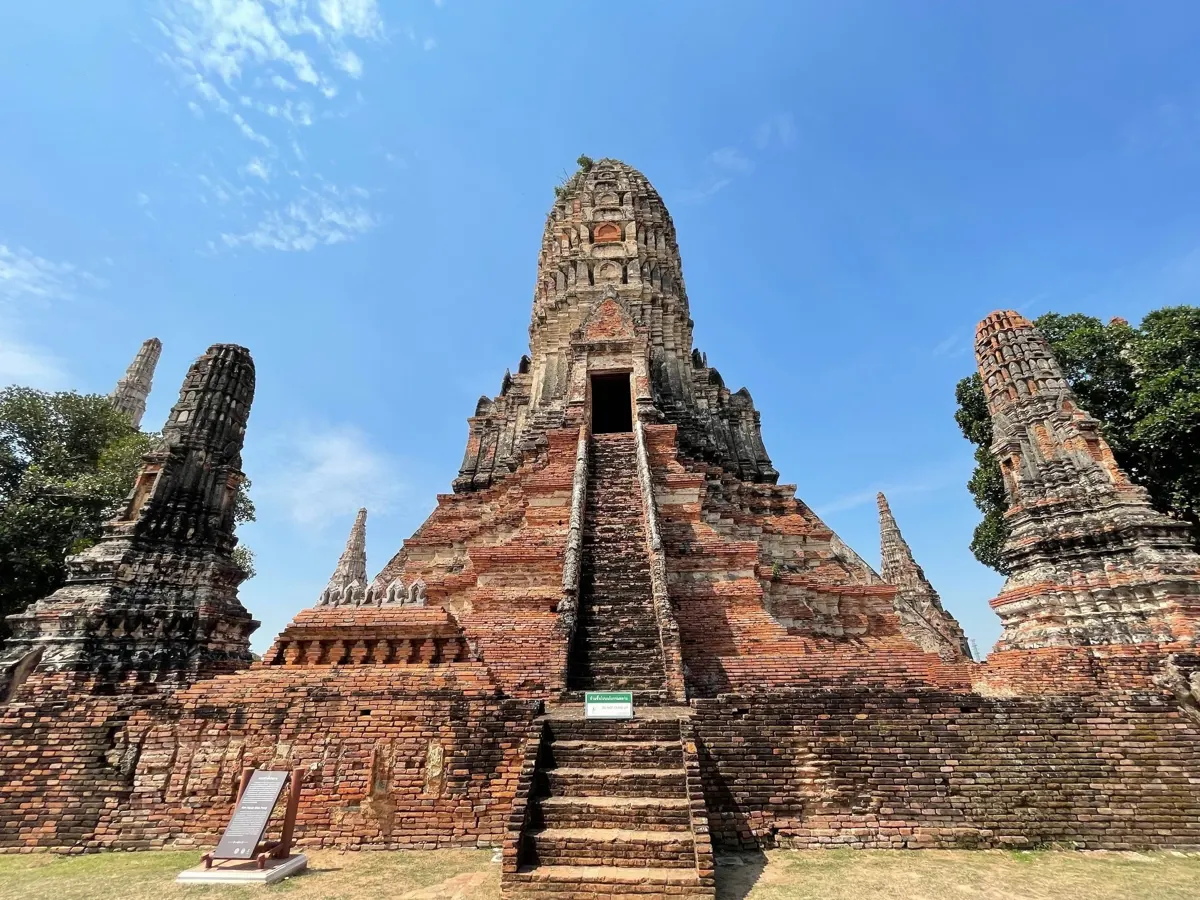
Beyond the entrance fees for some prominent attractions, Thailand offers a multitude of sights with free admission and many low-cost activities. Numerous temples, public parks, and markets can be visited without charge. Additionally, travelers can seek out budget-friendly tour packages that include various excursions, such as temple visits, beach relaxation, or gentle adventure activities. Engaging in these more affordable options allows visitors to explore the country's offerings without straining their finances.
Typical Daily Expenditure for Mid-Range Travel
For travelers planning a budget-conscious trip to Thailand, a reasonable daily expenditure typically falls between 2,500 and 4,000 Thai Baht. This estimate generally covers staying in a mid-range hotel or similar accommodation, dining at street food stalls or budget-friendly restaurants, and utilizing local transportation methods to move around. This range allows for comfortable travel while still prioritizing cost savings.
| Category | Budget-Friendly Option | Savings Strategy |
|---|---|---|
| Flights | Budget airlines (e.g., Jetstar, AirAsia) | Research and compare fares, book in advance |
| Accommodation | Hostels, guesthouses, 3-star hotels | Book outside peak season, consider homestays |
| Food | Street food, local markets, mid-range Thai restaurants | Avoid Western restaurants, buy snacks at convenience stores |
| Transportation | Public buses, trains, shared tuk-tuks, walking | Negotiate tuk-tuk fares, limit taxi use |
| Shopping | Local markets, night bazaars, discount malls | Set a daily budget, practice bargaining |
| Activities | Free temples, parks, beaches, budget day tours | Seek out free attractions, look for package deals |
Frequently Asked Questions
What is a typical daily budget for a mid-range trip to Thailand?
For a mid-range budget trip in Thailand, travelers can anticipate spending approximately 2,500 to 4,000 Thai Baht per day. This amount generally covers accommodation in a mid-range hotel, meals from street vendors or budget restaurants, and local transportation.
Which airlines offer budget-friendly flights to Thailand?
Several airlines are known for providing economical flight options to Thailand, including Jetstar, AirAsia, VietJet, TigerAir, and various domestic Thai carriers. It is advisable to compare prices across these airlines to find the best deals.
How can I save money on meals in Thailand?
To save money on food, prioritize eating local Thai cuisine, especially street food and dishes from mid-range Thai restaurants. These options are typically more authentic, flavorful, and significantly less expensive than Western dining establishments.
What are the most economical ways to travel around Thailand?
Economical transportation options in Thailand include public buses, trains, tuk-tuks, and walking. Using taxis frequently can be costly, so opting for public and local transport methods is a better way to manage expenses. Remember to negotiate tuk-tuk fares beforehand.
Are there free activities available in Thailand?
Yes, Thailand offers many free attractions and inexpensive activities. Numerous temples, public parks, and local markets can be visited without an admission fee. Additionally, travelers can find budget-friendly tour packages that include various excursions at a lower cost.








