
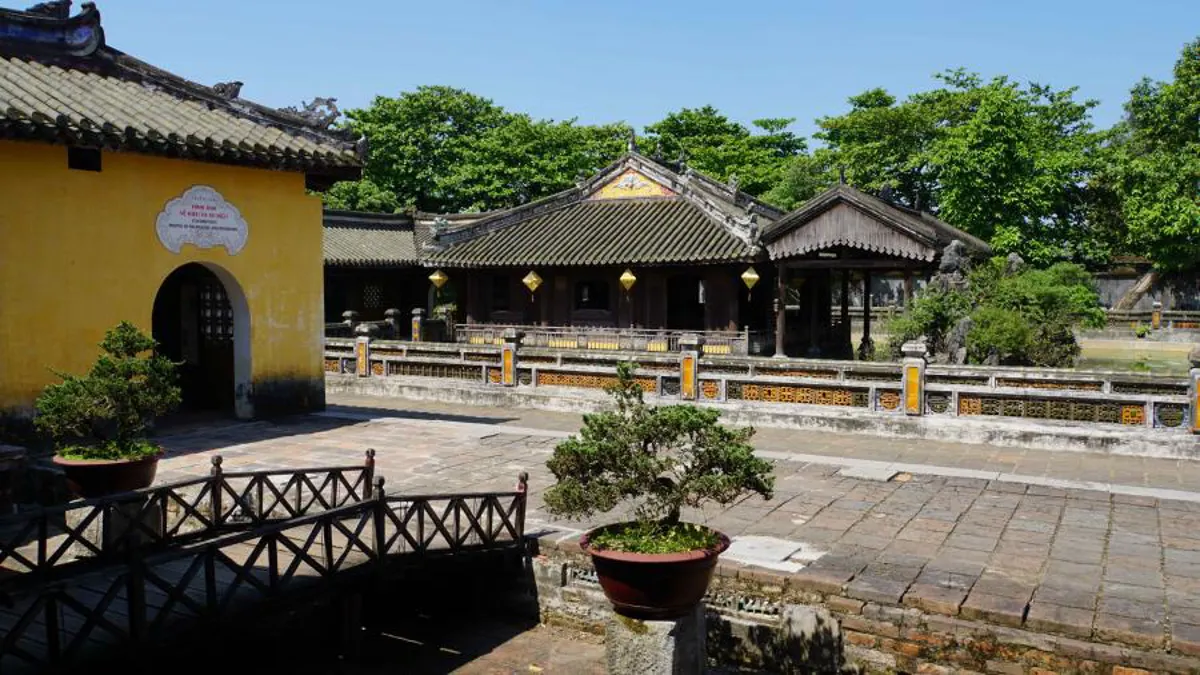
Hue, a city in Central Vietnam with a profound imperial past, is celebrated for its distinctive culinary identity. Its food traditions are often referred to as "Royal Cuisine," reflecting centuries of refined cooking developed for the Nguyen Dynasty. Visitors can experience a spectrum of flavors, from elaborate historical preparations to everyday street vendor specialties, all offering an authentic taste of the region.
The Historical Foundations of Hue's Gastronomy
Hue's position as the former imperial capital of the Nguyen Dynasty profoundly shaped its culinary landscape. The Forbidden Purple City, once home to emperors and their families, was a crucible for sophisticated cooking. Emperors commissioned the nation's most skilled chefs to devise exquisite dishes, emphasizing both taste and visual presentation. These culinary artists drew upon local ingredients and regional cooking methods, creating a repertoire that became synonymous with refined Vietnamese dining.
Beyond the imperial kitchens, the city's common residents also developed their own distinctive recipes. Many of the dishes enjoyed today originated from these traditional local practices, demonstrating a parallel evolution of culinary ingenuity. This dual heritage means that Hue's food culture offers a wide array of options, from dishes with courtly origins to those born from everyday necessity and creativity.
Essential Noodle Soups and Steamed Delicacies
Hue is particularly known for its hearty and flavorful noodle dishes, which often stand apart from those found in other Vietnamese regions. One such dish is Bun Bo Hue, a spicy beef noodle soup. Unlike the more widely known Pho, Bun Bo Hue is recognized for its robust and complex broth, incorporating beef brisket, various cuts of pork such as hocks and trotters, and sometimes congealed blood cubes and strips of loin. The soup is seasoned with a blend of garlic, shallots, paprika, shrimp paste, lemongrass, and fresh herbs, typically finished with a squeeze of lime. Many consider it a more substantial and deeply flavored option among Vietnamese noodle soups. For those interested in the broader world of Vietnamese noodle dishes, exploring regional noodle dishes can reveal many more culinary treasures.
Another specialty with ties to the imperial court is Banh Nam. These flat, translucent rice dumplings are filled with minced pork and shrimp, then carefully wrapped in banana leaves and steamed. The preparation results in a delicate parcel, often compared to a pearl within an oyster, which is traditionally enjoyed with a savory fish sauce. Similarly, Banh Canh Nam Pho offers a unique noodle experience. This soup features thick, transparent tapioca noodles served in a rich broth, typically adorned with crab meat, prawns, and quail eggs, enhanced by a dash of fish sauce. It is particularly comforting during cooler weather.
Savory Pancakes, Crispy Cakes, and Grilled Skewers
The culinary offerings of Hue extend to a variety of savory pancakes and grilled items that showcase local ingredients and cooking techniques. Banh Khoai, for instance, is a crispy, rice-based pancake often likened to a thin crepe or tortilla. It is typically filled with pork, shrimp, egg, and fresh vegetables, served folded in half and accompanied by a distinctive dipping sauce. The variety of sauces in Vietnamese cuisine is extensive, each designed to complement specific dishes and enhance their flavors.
Banh Ep presents another crispy delight, a thin, brown cake cooked over a charcoal stove. It is commonly served with fresh vegetables, pickled carrots, and a sweet and sour fish sauce for dipping. For those who appreciate grilled meats, Bun Thit Nuong offers a satisfying combination of textures and temperatures. This dish features cold vermicelli rice noodles topped with warm, freshly grilled pork, garnished with greens, herbs, spices, roasted peanuts, and a rich peanut sauce unique to Hue. Its origins are also said to trace back to the royal kitchens.
Nem Lui provides a popular street food experience, consisting of savory ground pork skewers. The pork is marinated with fish sauce, shallots, and a blend of herbs and seasonings before being slowly grilled. These skewers are typically served with rice paper, fresh herbs, pineapple, bean sprouts, green banana, and chili, all wrapped together and dipped into a special creamy sauce. This interactive way of eating highlights the fresh components and balanced flavors characteristic of Vietnamese cuisine, and is an excellent example of Vietnam's diverse rolled dishes.
Unique Rice Preparations and Sweet Endings
Hue's culinary creativity is also evident in its rice dishes and desserts. Com Hen, a spicy clam rice dish, is believed to have humble origins, developed as a way to utilize leftover rice. It typically combines small clams sourced from the nearby Perfume River with an assortment of vegetables, herbs, bean sprouts, a pungent shrimp sauce, roasted peanuts, and crispy pork rind strips. This dish exemplifies the resourcefulness and flavor complexity found in local cooking.
Com Am Phu, often translated as "Hell Rice," is another notable specialty, recognized for both its intriguing name and its appealing taste. This dish features fragrant white rice accompanied by charcoal-grilled pork, shrimp, egg, and various herbs, all finely cut into strips. Despite its dramatic name, visitors often find its simple yet harmonious flavors quite appealing.
For those seeking something sweet, Che Hem, or "Sweet soups of alleys," offers a delightful conclusion to any meal. These dessert stalls provide a colorful selection of sweet soups. Options range from glutinous sweet soup with corn or lotus seeds to unique preparations like Che bot loc heo quay, which features grilled pork dumplings in a sweet soup, and sweet soup with taro. These diverse offerings reflect a rich tradition of sweet treats in Hue.
Experiencing Hue's Food Scene
Exploring Hue's food scene offers more than just a meal; it provides a direct connection to the city's history and culture. The blend of imperial refinement and local culinary traditions means that every dish tells a story. From the intricate preparations once served to emperors to the robust street foods enjoyed by everyone, the flavors of Hue are distinct within Vietnam. Many visitors find that sampling these local specialties is a highlight of their trip, providing insights into the region's heritage. For a broader understanding of regional specialties, one might also look at a Da Nang dining guide, as it shares some culinary influences with Hue.
The city's culinary identity is deeply intertwined with its geographical location in Central Vietnam, approximately five miles from the coast. This proximity influences the availability of fresh ingredients, particularly seafood and local produce, which are integral to many traditional recipes. Whether dining in a formal setting or at a casual street stall, the emphasis on fresh components and balanced flavors remains consistent, offering an authentic taste of Hue.
| Dish Name | Primary Ingredients | Key Characteristics | Origin Type |
|---|---|---|---|
| Bun Bo Hue | Beef, Pork, Rice Noodles | Spicy, hearty, complex broth with lemongrass and shrimp paste | Local/Commoner |
| Banh Nam | Minced Pork, Shrimp, Rice Flour | Steamed, flat, translucent dumpling wrapped in banana leaf | Imperial Court |
| Banh Khoai | Pork, Shrimp, Egg, Rice Flour | Crispy savory pancake, often folded like a taco | Local/Commoner |
| Nem Lui | Ground Pork | Grilled skewers, served with rice paper and fresh accompaniments | Royal Kitchen |
| Com Hen | Baby Clams, Rice, Herbs | Spicy, flavorful rice dish with pungent shrimp sauce | Peasant/Local |
Frequently Asked Questions
What distinguishes Hue cuisine from other Vietnamese food?
Hue cuisine is characterized by its historical connection to the imperial court, leading to an emphasis on aesthetic presentation and refined flavors. It often features a balance of spicy, sour, salty, and sweet notes, with many dishes having origins in either royal kitchens or local peasant traditions, making it distinct from the culinary styles of Northern or Southern Vietnam.
Is Hue food generally spicy?
Many dishes in Hue, such as Bun Bo Hue and Com Hen, are known for their spicy elements, often incorporating chili and other warming spices. However, the level of spice can vary, and visitors can usually request milder versions. The spice is typically balanced with other flavors to create a complex taste profile rather than just heat.
Can I find vegetarian options in Hue?
While many traditional Hue dishes feature meat or seafood, vegetarian options are available, especially at Buddhist temples and dedicated vegetarian restaurants. It is advisable to specify dietary preferences when ordering, as some dishes may contain hidden animal products like fish sauce or shrimp paste.
What does "Royal Cuisine" mean in the context of Hue?
"Royal Cuisine" refers to the culinary traditions developed for the Nguyen Dynasty emperors and their court in Hue. These dishes were often elaborate, visually appealing, and prepared with the finest ingredients and techniques by skilled chefs. While some are adapted for general consumption today, the term reflects a heritage of sophisticated and artistic cooking.
How does Hue's food compare to other Central Vietnamese cities?
Hue's cuisine shares some characteristics with other Central Vietnamese cities like Da Nang, particularly in its use of fresh seafood and certain spices. However, Hue maintains a stronger emphasis on its imperial past, resulting in unique dishes and a more pronounced focus on presentation and a specific balance of flavors that set it apart, even within the Central region.








