
Phu Quoc, Vietnam's largest island, is renowned for its extensive white sand beaches, yet its appeal extends far beyond the coastline. The island provides a wide array of experiences, making it a desirable vacation spot for various interests. Travelers can engage with protected natural environments, pursue diverse water-based activities, or explore the surrounding archipelago.
Phu Quoc's Diverse Coastal Environments
Phu Quoc boasts approximately 150 kilometers of shoreline, offering numerous sandy stretches for visitors to explore. Each beach presents a distinct atmosphere and range of activities. On the eastern side, Bai Sao is recognized for its scenic beauty, providing opportunities for water sports such as windsurfing and jet skiing. Moving to the western coast, Long Beach is characterized by its array of cafes, entertainment venues, and prime spots for observing sunsets. Further north, Ganh Dau offers a more secluded experience, bordered by a mountain ridge cloaked in jungle foliage. For those seeking even more remote coastal areas, the southern region of the island features beaches spread across its 22-island archipelago, accessible primarily by boat excursions.
Beyond the immediate shorelines, the marine environment surrounding Phu Quoc Island holds significant appeal. The waters are typically calm and remarkably clear, often described as transparent. Many islands within the archipelago are encircled by extensive and flourishing coral reef systems, encompassing both soft and hard coral varieties. This clarity acts as a natural window into the aquatic world, revealing a spectrum of colors and marine life. Consequently, Phu Quoc is considered a premier location in Vietnam for engaging in various water activities, including snorkeling and scuba diving, allowing participants to observe the underwater ecosystems up close. Exploring the island's marine environment offers a unique perspective on its natural beauty.
Exploring Phu Quoc's Natural Reserves
Over half of Phu Quoc Island's land area is designated as a UNESCO biosphere reserve, highlighting its ecological importance. Visitors can venture into Phu Quoc National Park to experience the island's terrestrial nature, which includes dense forests and varied terrain. Alternatively, boat trips provide access to the UNESCO marine reserve, offering insights into the underwater ecosystems. For those seeking a more physically demanding experience, hiking trails lead to several mountain peaks that form a north-south spine through the park.
Even without undertaking strenuous hikes, the island's natural attractions remain accessible. Suoi Tranh Waterfall, for instance, is situated conveniently close to the national park entrance, making it an easy destination for a refreshing stop. The island's commitment to conservation extends to its zoological park, which is the largest in Vietnam. This facility plays a crucial role in protecting hundreds of plant and animal species, including those that are rare or endangered, contributing to the broader ecological health of the region. Nature exploration on Phu Quoc Island provides many opportunities to connect with the environment.
Culinary Delights of Phu Quoc Island
Phu Quoc Island has gained international recognition for its distinctive fish sauce and fresh seafood. A visit to Phu Quoc Night Market provides an opportunity to sample a wide array of seafood preparations, many of which are regional specialties unique to the island. The market atmosphere allows visitors to experience local culinary traditions firsthand, with numerous stalls offering freshly prepared dishes.
Beyond the seafood, Phu Quoc fish sauce is a celebrated product. Travelers can tour a local factory to observe the traditional production process of this internationally valued condiment. These tours often include opportunities to taste different varieties, akin to a tasting experience for wines, allowing visitors to appreciate the nuances of this essential ingredient. The island's culinary scene reflects its strong connection to the ocean and its agricultural heritage. Phu Quoc Island's essential seafood dishes are a highlight for many visitors.
Luxury Stays and Leisure Activities
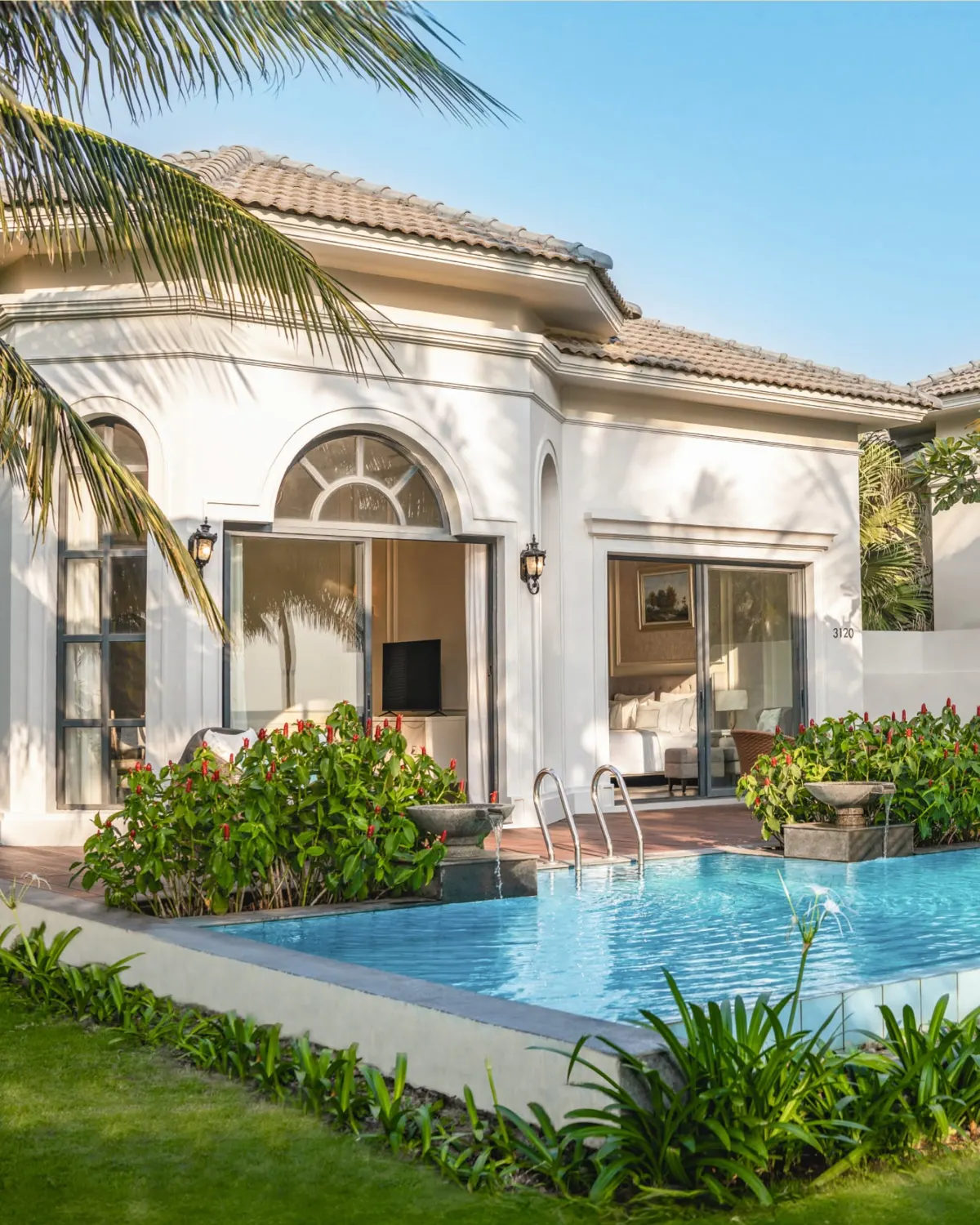
For travelers desiring comfort and refined amenities, Phu Quoc offers a selection of high-end resorts. These establishments provide a counterpoint to outdoor adventures, allowing guests to relax in sophisticated surroundings after a day of exploration. Many resorts feature spa services by the pool and offer expertly crafted beverages at their bars. The island's hospitality sector received international recognition when it hosted the Gala Ceremony for the World Travel Awards in 2019, and several of its resorts have earned global accolades for their design and guest services. Upscale stays in Vietnam often feature properties like those found on Phu Quoc.
In addition to luxurious accommodations, Phu Quoc provides various leisure and recreational pursuits. Golf enthusiasts can spend time on well-maintained courses, enjoying the sport in a scenic setting. For a unique experience, a 15-kilometer cable car journey transports visitors to Hon Thom, an island featuring a water park with slides and rides. Back on the main island, the aforementioned zoological park, Safari, offers another option for family-friendly entertainment and animal viewing.
Understanding Local Culture and History
To gain insight into the daily routines of the island's residents, visitors can explore the fishing and agriculture industries, which form the economic backbone of Phu Quoc. A visit to a fishing village like Ham Ninh provides a glimpse into this way of life, where local fishers bring in their catches at dawn and dusk. The docks also serve as points for unloading produce and supplies arriving from mainland Vietnam. For a more interactive experience, guided squid fishing excursions allow participants to join local fishers and attempt to catch their own evening meal.
Phu Quoc Island's history is reflected in its various monuments and cultural sites. Coconut Tree Prison stands as a preserved site commemorating wartime events, offering historical context for the island's contemporary identity. For moments of tranquility and expansive views, Ho Quoc Pagoda requires ascending 222 steps to reach its summit, where visitors are rewarded with panoramic vistas of the ocean and surrounding forest, particularly striking at sunrise. Concluding a day at Dinh Cau Cape involves a shorter climb of 29 steps to a shrine dedicated to the sea goddess, traditionally believed to safeguard local fishers.
Practical Information for Visiting Phu Quoc
Reaching Phu Quoc is straightforward for both domestic and international travelers. Numerous direct flights depart daily from major Vietnamese cities such as Ho Chi Minh City, Hanoi, Can Tho, and Da Nang. For those preferring a sea journey, daily ferry services are available from Rach Gia and Ha Tien. An important aspect for international visitors is the visa policy: individuals from all countries are eligible for a 30-day visa exemption specifically for travel to Phu Quoc, simplifying entry procedures.
Beyond the main island, the Phu Quoc archipelago comprises 21 additional islands, each possessing its own character and ecological features. Many of these islands remain uninhabited, offering opportunities for encountering undisturbed natural environments. These areas are known for supporting marine life, with sightings of green or hawksbill turtles possible, as these species occasionally use the islands for breeding. Exploring these smaller islands by boat provides an extended perspective on the region's biodiversity.
Key Destinations and Experiences on Phu Quoc
To assist in planning your visit, here is a summary of notable locations and activities mentioned:
- Bai Sao: Eastern beach known for its beauty and water sports like windsurfing and jet skiing. Specific address, phone, and hours not provided in source.
- Long Beach: Western beach featuring cafes, clubs, and sunset views. Specific address, phone, and hours not provided in source.
- Ganh Dau: Northern beach offering privacy, backed by a jungle-covered mountain ridge. Specific address, phone, and hours not provided in source.
- Phu Quoc National Park: Protected UNESCO biosphere reserve for terrestrial nature exploration and hiking. Specific address, phone, and hours not provided in source.
- Suoi Tranh Waterfall: Easily accessible waterfall located near the national park entrance. Specific address, phone, and hours not provided in source.
- Phu Quoc Night Market: A destination for sampling local seafood dishes and regional specialties. Specific address, phone, and hours not provided in source.
- Ham Ninh: A fishing village offering insights into local life and fresh seafood. Specific address, phone, and hours not provided in source.
- Coconut Tree Prison: Historical monument preserving war memories. Specific address, phone, and hours not provided in source.
- Ho Quoc Pagoda: Temple requiring 222 steps for panoramic ocean and forest views. Specific address, phone, and hours not provided in source.
- Dinh Cau Cape: Site with a shrine dedicated to the sea goddess, accessible via 29 steps. Specific address, phone, and hours not provided in source.
- Hon Thom: Island accessible by cable car, featuring a water park. Specific address, phone, and hours not provided in source.
- Safari (Zoological Park): Vietnam's largest zoological park, focused on conservation. Specific address, phone, and hours not provided in source.
Frequently Asked Questions
Is Phu Quoc suitable for nature enthusiasts?
Yes, Phu Quoc is highly suitable for nature enthusiasts. More than half of the island is protected as a UNESCO biosphere reserve, encompassing Phu Quoc National Park and a marine reserve. Visitors can trek through forests, explore waterfalls like Suoi Tranh, or take boat trips to observe coral reefs and marine life in the surrounding archipelago.
What culinary specialties can I find on Phu Quoc?
Phu Quoc is particularly known for its fish sauce and fresh seafood. The Phu Quoc Night Market offers a wide variety of regional seafood dishes. Factory tours are also available to learn about and taste the island's famous fish sauce, a staple of Vietnamese cuisine.
How easy is it to travel to Phu Quoc?
Traveling to Phu Quoc is quite convenient. There are numerous daily direct flights from major Vietnamese cities such as Ho Chi Minh City and Hanoi. Additionally, ferry services operate from Rach Gia and Ha Tien. International visitors benefit from a 30-day visa exemption specifically for Phu Quoc, making entry straightforward.
Are there luxury accommodation options on Phu Quoc?
Phu Quoc offers a range of luxury resorts and high-end accommodations. These establishments provide amenities such as poolside spa services and sophisticated bars, catering to travelers seeking comfort and refined experiences. The island has received international recognition for its hospitality sector.
What activities are available for adventure seekers on Phu Quoc?
Adventure seekers will find many options on Phu Quoc. The island is a prime destination for water sports, including windsurfing, kitesurfing, jet skiing, and kayaking. Beyond the water, activities include golfing, taking a long cable car ride to Hon Thom island for a water park, and visiting the large zoological park, Safari, for wildlife viewing.








