
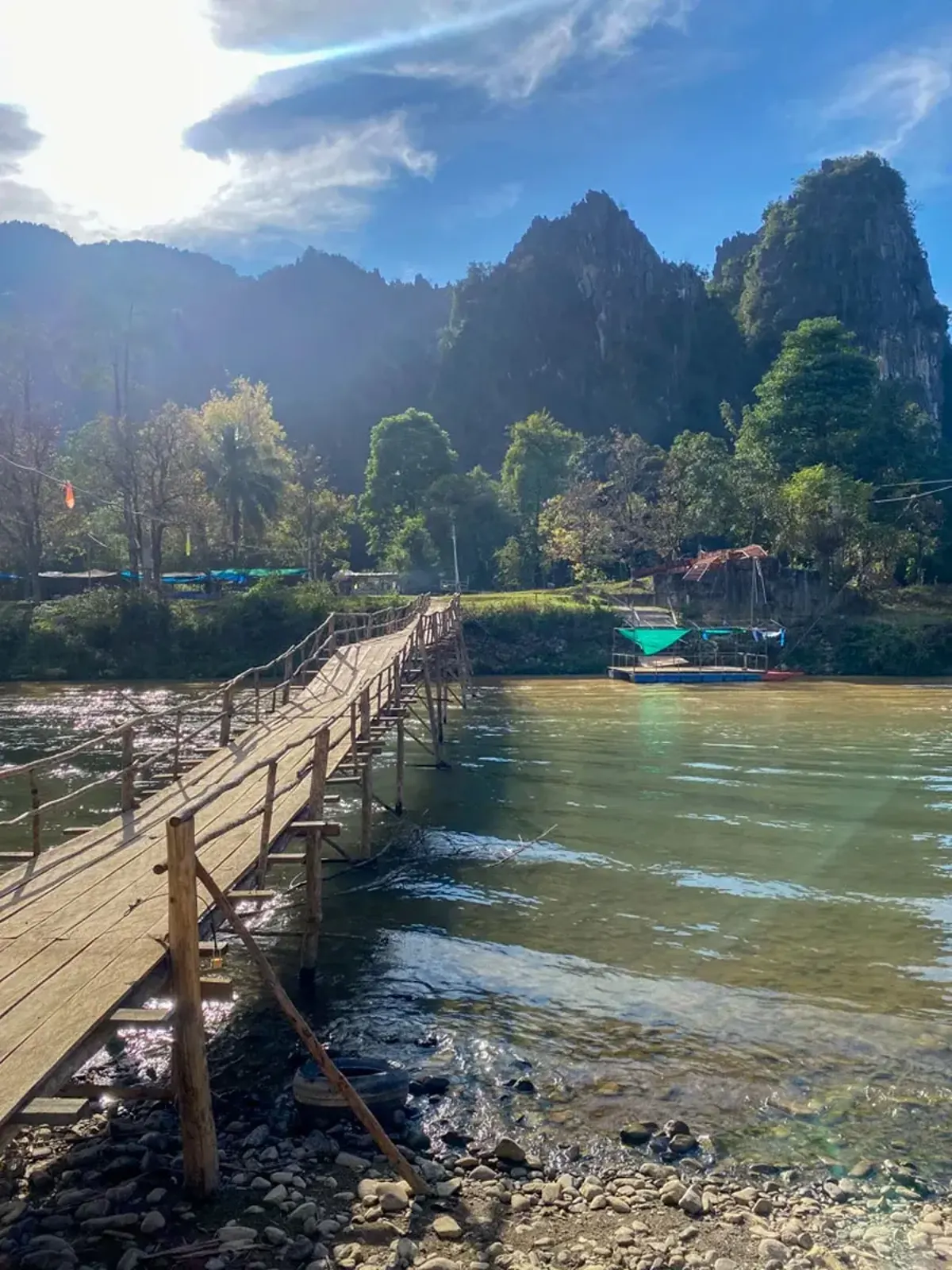
To experience Laos under optimal conditions, visitors generally find the cool dry season, spanning from November to February, most agreeable. During this period, the nation experiences pleasant temperatures and minimal rainfall, creating ideal circumstances for exploration and outdoor activities. Understanding the country's distinct tropical climate and its annual cultural events is crucial for planning a fulfilling trip.
Understanding Laos' Climate Patterns
Laos, officially known as the Lao People's Democratic Republic, shares a tropical climate common to many Southeast Asian countries, characterized by two primary seasons: a dry period and a wet period. While temperatures remain warm throughout the year, certain mountainous areas in the northern regions can experience significantly colder, even freezing, conditions during the cooler months. The country's topography, with its extensive mountainous terrain, plays a significant role in local weather variations.
The climate is largely influenced by altitude and geographical features, rather than coastal weather systems, as Laos is landlocked. This results in a cooler, elevated northern region and a warmer, lower-lying southern plain. Travelers should anticipate these regional differences when preparing their itinerary and packing for their journey.
The Dry Season: Optimal and Challenging Periods
The dry season in Laos is typically divided into two distinct phases: the cool dry season and the hot dry season. The cool dry season, extending from November through February, aligns with the regional winter and is widely considered the most favorable time for travel. During these months, temperatures are moderate, and the air quality is generally clear, offering comfortable conditions for sightseeing and outdoor pursuits.
Conversely, the hot dry season, which occurs from March to April, presents more challenging conditions for visitors. Temperatures can escalate significantly, often exceeding 40°C. This period also coincides with traditional agricultural practices where farmers burn rice fields and forest areas to prepare the soil for new crops. This practice can lead to widespread smoke and dust, affecting air quality and visibility across much of the country, making it a less desirable time for many travelers.
Navigating the Wet Season
The wet season in Laos typically runs from May to October, bringing increased rainfall across the country. Higher elevations generally receive more precipitation, while areas along the Mekong River, including the capital Vientiane, tend to experience less intense rain. A primary consideration during this season is the potential for infrastructure impacts; roads can become muddy and slippery, and heavy rains may cause rivers to swell, potentially damaging bridges and routes. This can sometimes lead to extended travel times.
Despite these challenges, the wet season offers certain advantages. Elevated river levels facilitate boat transfers, making river travel more accessible and smoother for slow boats. However, caution is advised for speedboat travel during this time, as heavy rainfall can introduce debris into the rivers, posing risks. On the positive side, the wet season often brings cooler ambient temperatures and cleaner air following rain showers, which some visitors find appealing.
Key Months for Travel: A Detailed Overview
Selecting the ideal month for a trip to Laos depends on individual preferences regarding weather, activities, and crowd levels. The cool dry season consistently offers the most agreeable conditions, with specific months standing out for particular benefits.
- January and February: These months are characterized by consistently dry weather across the entire nation. Major urban centers experience comfortable warmth, with average temperatures around 25°C. The lower southern plateau is even warmer, often nearing 29°C. Travelers heading to the northern mountainous areas should pack warmer attire, as evenings can be quite cold.
- November: Marking the beginning of the cool and dry period, November is an excellent time to explore all regions of Laos. The rainy season has concluded, leaving rural landscapes verdant and lush. River levels remain sufficiently high for enjoyable boat excursions, and temperatures are generally warm, though the northern highlands begin to feel cooler.
- December: This month is highly regarded for travel in Laos, offering minimal rainfall, pleasant warmth, and abundant sunshine. While northern highland nights can be quite cool, December is a popular choice for visitors seeking favorable weather.
For those considering regional travel, understanding the climate in neighboring countries can also be beneficial. For instance, travelers to Vietnam often find unique purchases that reflect its distinct culture and climate, which can vary from Laos.
Here is a summary of seasonal conditions:
| Season/Month | Typical Weather | River Conditions | Traveler Experience |
|---|---|---|---|
| November - February (Cool Dry) | Mild temperatures, low humidity, minimal rain. | High enough for boat trips (Nov/Dec). | Most popular, comfortable for activities, cooler nights in north. |
| March - April (Hot Dry) | Very high temperatures (above 40°C), dry, widespread smoke/dust. | Lower levels. | Challenging due to heat and air quality. |
| May - October (Wet Season) | Increased rainfall, lower temperatures, cleaner air. | High levels, good for slow boats; potential debris for speedboats. | Fewer crowds, lush landscapes; potential for travel delays due to road conditions. |
Cultural Celebrations and Festivals
Beyond climatic considerations, Laos hosts several significant national holidays and festivals that offer profound insights into local traditions and culture. Timing a visit to coincide with one of these events can greatly enrich the travel experience.
- Boun Pi Mai (Lao New Year)
This is the most significant national holiday in Laos, typically observed in mid-April. While officially a three-day event, celebrations often extend for approximately a week. Similar to festivals in neighboring countries, Boun Pi Mai involves parades, traditional dancing, and singing. People engage in the ritual of pouring water and flowers onto Buddha images, as well as on friends and family, to bestow good fortune for the coming year. Occurring during the hottest and driest month, the festival is also known for lively water fights in public areas. Those wishing to remain dry should consider avoiding the streets during these days. - Rocket Festival
Usually held in late May, the Rocket Festival takes place on different weekends in various villages. This event serves as a traditional "rain caller" during the dry season, with participants launching homemade rockets in rural areas. The festival includes competitions for the rockets. Visitors can experience this celebration by traveling to the countryside, though it is important to be aware that local health and safety standards, particularly concerning impaired driving, may differ from international norms. - Loy Khatoung (National Boat Racing Festival)
This prominent boat racing festival occurs annually, beginning on the 15th day of the Lunar calendar in November, with the main races held on the 16th, starting early in the morning. Over twenty teams compete in dragon boats on the Mekong River, drawing participants and spectators from across Laos. The event features three categories: Sport for men, Traditional for men, and Traditional for women, with races and prize ceremonies broadcast live on national television. Streets in the vicinity are often closed to accommodate vendors and booths, so large crowds are to be expected. Exploring Cambodian cuisine might also be a good idea if you are in the region. - Xayaboury Elephant Festival
Taking place over two or three days in February or March each year, the Xayaboury Elephant Festival is a major attraction. Held in Xayabury, a province in western Laos known for its hill tribes, wildlife, and elephant population, the festival gathers over 100 elephants and their trainers. Attendees from around the world come to witness demonstrations of traditional working techniques and participate in various elephant-related activities. Visitors are welcome to document the event through filming. For those interested in ascending high peaks in Southeast Asia, the northern regions of Laos offer similar mountainous terrain, albeit without cable car access.
Frequently Asked Questions
When is the least crowded time to visit Laos?
The wet season, from May to October, generally sees fewer tourists compared to the peak cool dry season. While there's more rain, it can offer a quieter experience and lush green landscapes. However, some remote areas might be less accessible due to road conditions.
What should I pack for a trip to Laos?
For the cool dry season (November-February), light clothing for daytime is suitable, but include warmer layers for evenings, especially if traveling to northern mountainous regions. During the hot dry season (March-April), very light, breathable clothing is essential, along with sun protection. For the wet season (May-October), lightweight waterproof gear and quick-drying clothes are recommended.
Are there any health and safety concerns during festivals?
While festivals offer unique cultural experiences, visitors should be mindful of their surroundings. During events like the Rocket Festival, local safety standards may be more relaxed, and issues like impaired driving have been reported. It's always advisable to exercise caution, stay aware of crowds, and prioritize personal safety.
How does the "slash and burn" agriculture affect travel?
From March to May, the practice of "slash and burn" agriculture can significantly impact air quality across much of Laos, leading to smoke and dust. This can reduce visibility and make outdoor activities less comfortable for some travelers. Those with respiratory sensitivities might find this period particularly challenging.
Is river travel safe during the wet season?
During the wet season, higher river levels make slow boat travel generally easier and more accessible. However, speedboats carry a risk of encountering debris washed into the rivers by heavy rainfall. Travelers opting for speedboat services should be aware of this potential hazard.








