
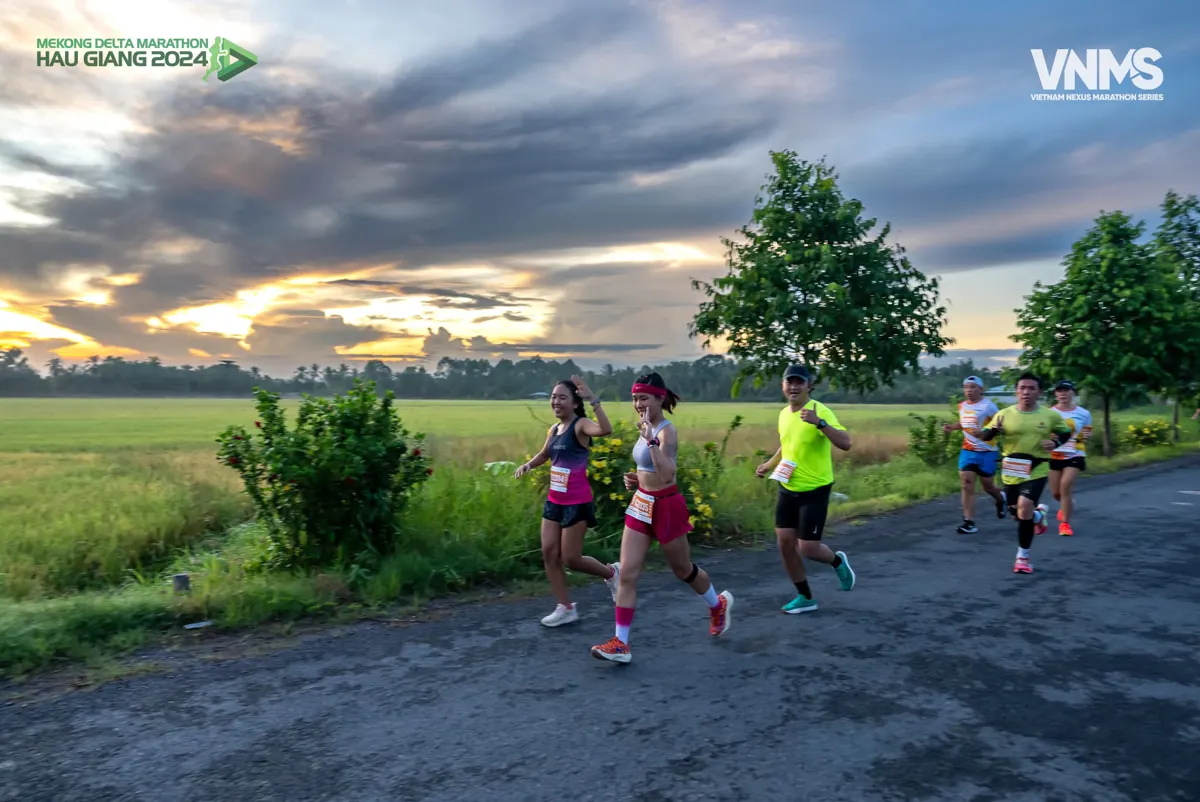
The Mekong Delta, situated in southern Vietnam at the river's lower reaches, draws many visitors with its distinctive natural environment and the welcoming demeanor of its residents. This region offers a peaceful yet engaging setting where the daily rhythm of life unfolds on the water. Travelers frequently cite the area's remarkable landscapes and the genuine hospitality of its people as primary attractions.
The Unique Riverine Landscape of the Mekong Delta
The Mekong Delta is characterized by its intricate network of rivers, canals, and tributaries that define the local way of life. This expansive region, often referred to as Vietnam's "rice bowl" due to its agricultural productivity, presents a landscape shaped by the mighty Mekong River. Its waterways serve not only as transportation routes but also as the foundation for commerce and community.
Visitors often observe how closely human activity is tied to the water, from homes built on stilts to entire markets operating from boats. The delta's environment supports a rich ecosystem, contributing to both its economic output and its appeal as a travel destination. Understanding this fundamental connection to the river is key to appreciating the region's distinct character.
Experiencing the Floating Markets
Among the most iconic sights in the Mekong Delta are its floating markets, which offer a truly unique retail experience. Unlike conventional markets on land, these hubs of commerce operate entirely on the water, with vendors navigating their boats laden with goods. For many international visitors, witnessing trade conducted from a boat is a novel concept.
The Cai Rang floating market, near Can Tho, stands out as a significant example of this tradition. Here, local people row their vessels, filled with fresh produce, prepared foods, and other regional specialties, creating a dynamic and colorful scene. Observing this lively exchange provides insight into a traditional aspect of delta life.
- Cai Rang Floating Market:
- Location: Near Can Tho city.
- Description: A large, active floating market where goods are traded directly from boats.
- Note: Specific operating hours and exact address for market entry points are not provided in the source material. Visitors typically access the market via boat tours from Can Tho.
Local Cuisine and Fresh Produce
The Mekong Delta is celebrated for its abundant fresh produce and distinct culinary offerings. Beyond the visual appeal of the waterways, the region provides a variety of flavors that appeal to many palates. Freshly harvested fruits are a particular highlight.
Travelers can sample tropical fruits such as durian, pomelo, rambutan, and coconut, often directly from local gardens or market stalls. The experience of tasting these fruits shortly after they are picked is a memorable part of a visit. In addition to fruits, the delta's morning markets offer a selection of sweet cakes, creamy desserts, and noodle dishes. Specific local dishes mentioned include:
- Mustard leaves & sauteed beef
- Banh bo (a type of flour cake with honey and coconut cream)
- Bo la lot (minced beef grilled or fried, wrapped in betel nut leaves)
- Vietnamese Fried ruffled gourami fish
These dishes represent a small selection of the diverse flavors available throughout the region. For those interested in deeper culinary exploration, consider essential dishes to experience in An Giang, a province within the Delta.
Daily Life on the Waterways
The daily existence of residents in the Mekong Delta is deeply intertwined with its extensive river system. For many visitors, observing this aquatic lifestyle presents a notable contrast to life on solid ground. Transportation predominantly relies on boats, which are not merely a means of travel but an integral part of community and commerce.
It is common to see families residing in homes adjacent to the waterways or even directly on their boats. This adaptation to the river environment offers a different perspective on community organization and daily routines. Exploring areas like Thoi Son island provides a closer look at these unique living arrangements and the ingenuity of delta residents. Understanding the rhythm of river life offers a profound appreciation for the region. To fully appreciate the various ways to engage with this environment, consider exploring the range of Mekong Delta activities available.
Authentic Homestay Experiences
A significant aspect of visiting the Mekong Delta involves engaging directly with local communities through homestay programs. Rather than staying in conventional hotels or resorts, many tours offer the chance to participate in the daily activities of local families. This provides an opportunity to observe and even join in traditional practices.
Guests might find themselves assisting with tasks such as rowing boats to sell goods, fishing in the canals, or helping with crop gathering. These interactions contribute to a more personal understanding of the local culture and create lasting memories. Such experiences allow for a deeper connection to the region's people and their way of life. For a more extended stay that includes this kind of immersion, a Mekong Delta homestay and floating markets tour can provide comprehensive insights.
Planning Your Visit to the Mekong Delta
When arranging a trip to the Mekong Delta, several factors can enhance the experience. The region's appeal lies in its authentic local interactions and natural settings, making it suitable for those seeking cultural engagement rather than typical tourist amenities. While specific venue details like addresses or phone numbers for individual floating market vendors or homestays are not typically provided in general travel guides, tours often facilitate these experiences.
Visitors should be prepared for a slower pace of travel, often involving boat journeys and interactions in rural settings. The best way to experience the delta's unique features, such as the floating markets and local life, is often through organized tours that connect travelers with local guides and communities. Consider what makes planning a Vietnam trip unique, especially when incorporating a region like the Mekong Delta.
| Experience Type | Description | Notable Locations/Examples |
|---|---|---|
| Floating Markets | Witnessing and participating in commerce conducted entirely from boats on the river. | Cai Rang Floating Market (near Can Tho) |
| Fresh Produce | Sampling tropical fruits and local specialties directly from harvest or market. | Durian, pomelo, rambutan, coconut, various local cakes. |
| Riverine Lifestyle | Observing daily life, transportation, and homes centered around the extensive waterway network. | Thoi Son Island, general delta canals and rivers. |
| Local Cuisine | Enjoying traditional dishes and street food prepared with regional ingredients. | Mustard leaves & sauteed beef, Banh bo, Bo la lot, Vietnamese Fried ruffled gourami fish. |
| Homestay Immersion | Participating in local family activities and experiencing daily life firsthand. | Various local households offering guest accommodation. |
Frequently Asked Questions
What makes the Mekong Delta distinct from other regions in Vietnam?
The Mekong Delta's defining characteristic is its extensive network of rivers and canals, which dictates nearly every aspect of local life, from transportation and commerce to housing. This creates a unique aquatic culture, contrasting with the mountainous north or coastal central regions of Vietnam.
Is it possible to visit the floating markets independently?
While it is technically possible to reach some areas by land, experiencing the floating markets truly requires a boat. Most visitors join organized boat tours, which depart from cities like Can Tho, to navigate the waterways and interact with vendors. This approach ensures a comprehensive and safe experience of the market environment.
What kind of food should I expect in the Mekong Delta?
The cuisine in the Mekong Delta emphasizes fresh ingredients, particularly seafood, fruits, and vegetables grown in the fertile soil. Expect a variety of sweet and savory dishes, including fresh tropical fruits, noodle soups, rice dishes, and unique local specialties like various cakes and grilled meats wrapped in leaves.
How long should I plan for a visit to the Mekong Delta?
Many visitors opt for day trips or overnight stays, typically ranging from one to three days. A single day provides a glimpse of the floating markets and some river life, while a two or three-day itinerary allows for deeper engagement, including homestays, cycling through villages, and more extensive exploration of different towns and islands.
Are homestays a common accommodation option?
Yes, homestays are a popular and recommended way to experience the authentic culture of the Mekong Delta. They offer a chance to stay with local families, partake in their daily routines, and gain insights into their traditions, providing a more personal and immersive alternative to standard hotels.








