
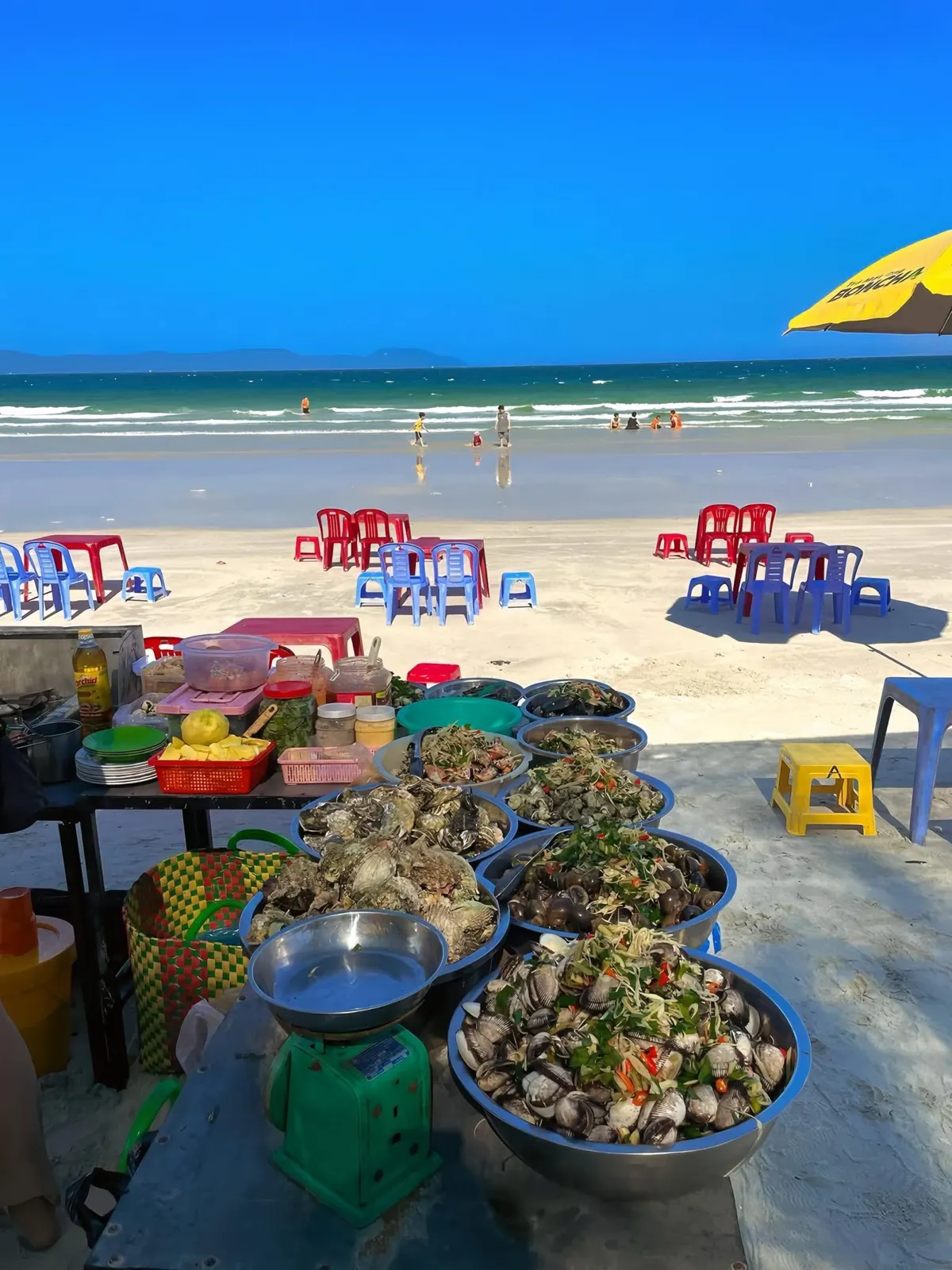
August in Nha Trang presents a climate characterized by warm temperatures and a transition between the dry and rainy seasons, offering generally pleasant conditions for visitors. This period is suitable for enjoying the city's coastal attractions and exploring its cultural sites. Travelers can expect ample sunshine alongside occasional rainfall, making it important to monitor daily forecasts.
Understanding August Weather in Nha Trang
August marks a transitional phase in Nha Trang's climate, moving from the drier months towards increased precipitation. Despite this shift, the weather remains largely favorable for tourism, with warm conditions prevailing throughout the month. This time of year is often considered one of the warmer periods, comparable to July, making it a popular choice for those seeking sun and sea. The changing seasons contribute to a generally mild climate, avoiding the extremes of either intense heat or heavy, prolonged rainfall.
Temperatures in August typically fluctuate between 24°C and 32°C, with the average hovering around 28°C. This range ensures comfortable daytime exploration and pleasant evenings. The ocean water maintains a consistently inviting temperature of approximately 28°C, making it ideal for swimming, snorkeling, and various other water sports without feeling too cool or too warm. With an average of around 12 hours of sunshine daily, August is a bright month, providing ample light for outdoor activities. This high level of sun exposure means that protective measures like wide-brimmed hats, sunglasses, and high-SPF sunscreen are strongly advisable for anyone planning to spend significant time outdoors. The humidity level averages 77%, which is typical for a coastal tropical environment.
Rainfall in August is relatively moderate, with an average of 50mm distributed over about seven rainy days. This indicates that while showers are possible, they are generally not continuous and often brief, allowing for quick recovery and continued enjoyment of planned activities. As August transitions into the rainy season, visitors might experience slightly wetter conditions compared to earlier dry months, but these are typically short-lived tropical downpours. It is important to keep a close eye on local weather updates and forecasts to plan daily itineraries effectively and be prepared by carrying waterproof gear such as a compact umbrella or a light rain jacket. Overall, the combination of warmth, sunshine, and manageable rainfall makes August a suitable time for a Nha Trang visit.
Coastal Activities in Nha Trang During August
Nha Trang is renowned for its beautiful coastline, making beach-related activities a primary draw for many visitors. The city's central beach is a major attraction, celebrated for its clear waters and extensive stretch of fine white sand, extending for approximately 7 kilometers. This expansive shoreline provides an ideal setting for relaxation, swimming, and various recreational pursuits, from leisurely sunbathing to more active sports. The calm, blue sea invites visitors to spend hours enjoying the refreshing water.
Visitors frequently spend time by the sea, enjoying the gentle waves and the scenic environment. The early morning hours offer a chance to witness the sunrise over the ocean, painting the sky with colors, while evenings provide equally appealing views as the sun sets, creating a tranquil atmosphere. Beyond simple relaxation, the beach facilitates activities such as beach volleyball, building sandcastles, or simply taking long, reflective strolls along the shore. The consistently warm water temperature in August further enhances the appeal of swimming and other aquatic pastimes, ensuring a comfortable experience for all. The appeal of Vietnam's coast extends beyond Nha Trang, with many regions offering similar opportunities for seaside enjoyment. For instance, visitors can also explore the best beaches in Halong Bay.
Exploring Nha Trang's Islands
Beyond the mainland beaches, Nha Trang's surrounding islands offer additional opportunities for experiencing the region's natural splendor and marine life. These islands are popular destinations for day trips and provide diverse landscapes and activities suitable for various interests. Many visitors choose to explore these areas to appreciate the pristine marine environment and picturesque coastal scenery, often via organized boat tours.
Notable islands that attract travelers include Hon Mun, which is particularly recognized for its rich marine biodiversity and is a favored spot for snorkeling and diving due to its protected coral reefs. Hon Tam often features resorts and recreational facilities, offering a blend of relaxation and activities like parasailing or jet-skiing. Hon Chong – Hon Vo presents distinctive rock formations along the coast, creating unique geological spectacles and offering excellent photographic opportunities, especially at sunrise or sunset. Yen Island is another destination that draws interest for its natural features, including its bird population. These locations provide settings for a range of water-based activities, from exploring underwater worlds to simply enjoying boat excursions around the bay and appreciating the panoramic views.
Cultural Experiences Beyond the Beach
While Nha Trang is famous for its beaches and island excursions, the city also offers a rich array of cultural attractions that provide a different perspective on local life, history, and artistic traditions. For those interested in traditional crafts and the historical narrative of the region, the XQ Historical Village is a prominent destination. This unique village showcases the intricate art of traditional Vietnamese embroidery in a serene and thoughtfully designed setting.
At XQ Historical Village, guests can observe highly skilled artisans creating exquisite embroidered pieces by hand, often dressed in traditional attire, providing a glimpse into a time-honored craft. The village also features compelling historical photographs and exhibits that offer insights into the region's past and the evolution of this particular art form. It serves not only as a place for cultural appreciation but also as a venue where visitors can acquire unique, handcrafted souvenirs that reflect Vietnamese artistry. This experience offers a pleasant diversion from coastal activities and connects visitors with the area's deep cultural heritage. When considering what to bring home, visitors can discover a diverse array of local products and traditional crafts.
General Travel Advice for Nha Trang in August
The period from February to August is generally considered optimal for visiting Nha Trang, primarily due to comfortable temperatures and reduced rainfall compared to other times of the year. August, as the final month of this preferred window, still offers conditions conducive to enjoying the city's offerings, particularly for those interested in beach-focused vacations and water activities. Planning your trip during this month allows you to experience the best of Nha Trang's natural beauty before the peak of the rainy season.
When preparing for a trip to Nha Trang during August, it is prudent to pack light, breathable clothing made from natural fibers suitable for warm and humid conditions. Essentials should include swimwear, shorts, t-shirts, and comfortable sandals or flip-flops. Given the high number of sunshine hours, sun protection items such as a wide-brimmed hat, sunglasses, and high-SPF sunscreen are absolutely essential to prevent sunburn. As August transitions into the rainy season, including a compact umbrella or a light, packable rain jacket can be beneficial for unexpected brief showers, ensuring your plans are not entirely disrupted. Staying well-hydrated is also important due to the warm climate, so carrying a reusable water bottle is a good idea. Consider wearing comfortable walking shoes for exploring cultural sites or the city center.
Frequently Asked Questions
Is August a good month to visit Nha Trang?
Yes, August is generally considered a good month to visit Nha Trang. It falls within the preferred travel season (February to August) characterized by warm temperatures and relatively lower rainfall. While it marks the transition to the rainy season, significant sunshine hours and comfortable water temperatures make it suitable for beach activities and exploration. The climate is typically mild, offering a pleasant environment for tourists.
What are the typical temperatures in Nha Trang during August?
In August, temperatures in Nha Trang typically range from 24°C to 32°C, with an average temperature of approximately 28°C. This makes for consistently warm days and evenings. The ocean water temperature is also around 28°C, which is ideal for swimming and various water sports, providing a refreshing escape from the daytime heat.
How much rain can be expected in Nha Trang in August?
Nha Trang experiences moderate rainfall in August, with an average precipitation level of about 50mm. This rain usually occurs over approximately seven days during the month, meaning showers are generally intermittent and brief, rather than continuous downpours. It is advisable to be prepared for occasional rain by carrying appropriate gear, though it rarely disrupts travel plans for extended periods.
What kind of clothing should I pack for Nha Trang in August?
For a trip to Nha Trang in August, pack lightweight and breathable clothing suitable for warm and humid conditions, such as cotton or linen. Essentials include swimwear, shorts, t-shirts, and comfortable sandals or flip-flops. Due to significant sunshine, also bring sun protection like a wide-brimmed hat, sunglasses, and high-SPF sunscreen. A light rain jacket or compact umbrella is recommended for potential brief showers.
Are there cultural attractions to visit in Nha Trang besides the beaches?
Yes, Nha Trang offers cultural attractions in addition to its beaches. The XQ Historical Village is a notable example, where visitors can observe traditional Vietnamese embroidery, view historical photographs, and purchase handcrafted souvenirs. This provides an opportunity to engage with the city's artistic heritage and learn about local traditions. For those considering travel within the region, understanding medical care options is an important part of travel planning.








