
Ayutthaya, situated approximately 80 kilometers north of Bangkok, presents a significant historical destination for travelers in Thailand. This former capital of the Siamese Kingdom, a UNESCO World Heritage site, is renowned for its extensive archaeological remains and ancient temple complexes. A single day spent exploring Ayutthaya offers a profound glimpse into its past grandeur and cultural heritage, making it a highly sought-after excursion from the modern capital for those interested in Thai history and architecture.
Discovering Ayutthaya's Historical Core
The heart of any visit to Ayutthaya is its Historical Park, a designated UNESCO World Heritage site that preserves the remnants of a once-flourishing metropolis. This expansive area allows visitors to gain a comprehensive perspective on Ayutthaya's historical importance and its impressive architectural achievements during its peak. Within the park's boundaries, numerous ancient structures stand as poignant testaments to the kingdom's past, including several sacred temples and the former Royal Palace grounds, all contributing to a unique historical landscape.
While a full, in-depth exploration of every single site within the Ayutthaya Historical Park would undoubtedly require more than a single day, a well-planned itinerary can effectively cover its primary attractions. The park is characterized by its evocative ruins, often gracefully integrated with mature trees and waterways, creating an atmosphere that speaks to centuries of rich history. Key components of the park frequently visited include Wat Phra Ram, Wat Phra Si Sanphet, Wat Mahathat, Wat Ratchaburana, the area of the Royal Palace, and Viharn Phra Mongkol Bophit, each offering distinct historical and architectural insights.
Significant Ancient Temples and Structures
Among Ayutthaya's most notable sites is Wat Mahathat, often referred to as the 'Temple of the Great Relic.' Established around 1374, this temple held immense importance as a pivotal center for Buddhism within the Ayutthaya Kingdom, notably housing significant Buddha relics. Its original design reflected strong ancient Khmer architectural influences, a style still discernible even in its current state of ruin. Today, Wat Mahathat continues its legacy as a significant monastic learning center for the Mahanikai school of Buddhism, drawing members from across Southeast Asia.
Another essential stop on a day's excursion is Wat Phra Si Sanphet, historically recognized as the Royal Chapel and considered the spiritual core of the ancient kingdom. Situated within the Royal Palace complex, it was once the holiest temple associated with the royal residence. Like many structures throughout the historical park, Wat Phra Si Sanphet bears visible marks of severe destruction from past conflicts, particularly the 18th-century invasion, yet its remaining foundations and three prominent chedis powerfully convey its former prominence and grandeur.
Viharn Phra Mongkol Bophit offers a different, yet equally fascinating, experience. This preaching hall, or Wihan, is distinguished by housing one of the few large Buddha images that notably survived the devastating Burmese attack on Ayutthaya in the late 18th century. The revered Phra Mongkon Bophit Buddha statue, a bronze-gilded figure, stands as a symbol of resilience and provides a tangible connection to the artistry and deep religious devotion of the era.
A short distance from the main city island, Wat Yai Chai Mongkol stands as a significant monastic site with a unique history. Also known as the 'Monastery of Auspicious Victory,' its origins are said to be linked to providing a resting place for monks returning from Sri Lanka, situated on the eastern banks of the Pa Sak River. Visitors to this temple can observe an impressively large reclining Buddha statue and numerous smaller Buddha figures arranged in rows around its central, towering chedi, which offers panoramic views of the surrounding area from its summit.
Key Historical Sites in Ayutthaya
| Site Name | Primary Significance | Known Details (Verify Locally) |
|---|---|---|
| Ayutthaya Historical Park | UNESCO World Heritage Site, encompasses multiple ruins and temples. | No specific address/phone supplied. Entry fees may apply to individual temples within the park. |
| Wat Mahathat | Temple of the Great Relic, ancient Buddhist center (est. 1374), Khmer design. | No specific address/phone supplied. Operating hours and entry fees should be verified upon arrival. |
| Wat Phra Si Sanphet | Royal Chapel, holiest temple of the old Royal Palace. | No specific address/phone supplied. Operating hours and entry fees should be verified upon arrival. |
| Viharn Phra Mongkol Bophit | Houses a large bronze-gilded Buddha image that survived 18th-century conflicts. | No specific address/phone supplied. Operating hours and entry fees should be verified upon arrival. |
| Wat Yai Chai Mongkol | Monastery of Auspicious Victory, features a large reclining Buddha and towering chedi. | Located off the city island. No specific address/phone supplied. Operating hours and entry fees should be verified upon arrival. |
| Bang Pa-In Summer Palace | Former royal summer residence, showcases diverse architectural styles. | Located in Bang Pa-In District, on the Chao Phraya River bank. No specific address/phone supplied. Operating hours and entry fees should be verified upon arrival. |
The Royal Retreat: Bang Pa-In Summer Palace
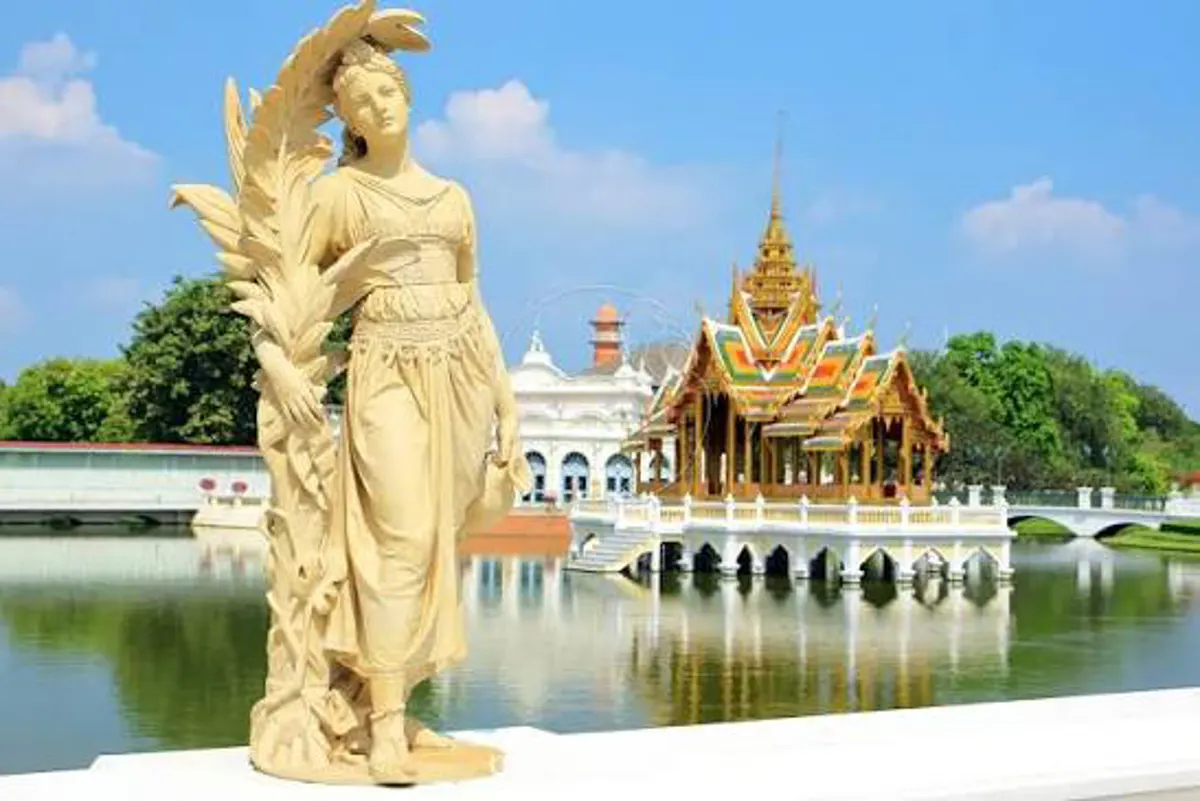
Beyond the immediate confines of the central historical park, the Bang Pa-In Summer Palace provides a distinct perspective on royal life, tracing its origins back to the Ayutthaya period and continuing through later dynasties. Positioned gracefully along the Chao Phraya River in the Bang Pa-In District, this former royal palace served as a cherished summer residence for Siamese monarchs and their consorts. The expansive palace grounds feature a diverse collection of distinctive buildings, each reflecting different architectural styles—ranging from traditional Thai to European and Chinese influences—and representing various historical periods. Spending time here allows visitors to appreciate the evolution of Thai royal architecture and gain insight into the broader history of the kingdom under rulers such as King Prasat Thong, who initiated its construction.
A Scenic Return Journey on the Chao Phraya River
Following a morning dedicated to exploring Ayutthaya's historical and religious sites, many day trips typically include a lunch experience, often enjoyed at a charming riverside restaurant or aboard a boat. Culinary experiences are a significant part of Southeast Asian travel, offering diverse flavors and local specialties that enrich any journey. The return journey to Bangkok frequently involves a leisurely cruise along the majestic Chao Phraya River, often affectionately referred to as the 'River of Kings.' This offers travelers a chance to relax and absorb the changing scenery as they transition from the ancient landscapes of Ayutthaya to the modern cityscape. The route typically passes various notable landmarks, including the graceful Temple Of Dawn (Wat Arun) and the grand Royal Grand Palace complex, providing a different, often spectacular, perspective on Thailand's diverse cultural and architectural heritage, especially as the sun begins to set.
Planning Your Day Trip to Ayutthaya
A day trip to Ayutthaya from Bangkok is a highly recommended choice for those seeking to engage with Thailand's rich and ancient past. Transportation options commonly include organized tours that combine minivan travel for efficiency with a scenic river cruise for a varied and enjoyable travel experience. Independent travelers also have several options, including reaching Ayutthaya by train, public bus, or private car. For those considering longer rail journeys across Southeast Asia, understanding regional train networks and their offerings can be a valuable part of travel planning.
When preparing for your visit, it is important to consider the tropical climate; bringing appropriate sun protection, such as hats and sunscreen, and ensuring adequate hydration are essential. Comfortable walking shoes are also crucial for navigating the extensive temple grounds and archaeological sites. Visitors should be prepared for varying levels of accessibility at the historical sites, as many are ancient ruins with uneven paths. Respectful attire, covering shoulders and knees, is strongly recommended when visiting active temples or any religious sites to honor local customs. While specific entry fees for individual temples and precise operating hours were not provided in the source material, visitors should anticipate small admission charges at some of the major attractions within the Historical Park. It is always advisable to verify current operating hours and any admission costs close to your travel date, as these details can change. Travelers often look for unique keepsakes to remember their travels in the region, and local markets in Ayutthaya can offer such opportunities.
Frequently Asked Questions
How far is Ayutthaya from Bangkok?
Ayutthaya is located approximately 80 kilometers north of Thailand's capital, Bangkok. The travel time can vary depending on the chosen mode of transport, but it is generally a convenient distance for a day excursion.
What are the main attractions in Ayutthaya Historical Park?
The Ayutthaya Historical Park, a UNESCO World Heritage site, includes several significant locations. Key attractions mentioned are Wat Phra Ram, Wat Phra Si Sanphet, Wat Mahathat, Wat Ratchaburana, the Royal Palace grounds, and Viharn Phra Mongkol Bophit.
Is one day enough to see Ayutthaya?
While one day allows visitors to experience the primary highlights and major historical sites within Ayutthaya, it is generally acknowledged that a comprehensive exploration of every ruin and temple in the expansive Historical Park would require more time. A focused itinerary for a day trip prioritizes the most prominent locations.
What is the historical significance of Wat Mahathat?
Wat Mahathat, dating back to 1374, served as a central Buddhist temple in the Ayutthaya Kingdom. It was known for enshrining Buddha relics and was a significant center for monastic learning. Its design incorporated ancient Khmer influences.
Can you visit Bang Pa-In Summer Palace on a day trip?
Yes, the Bang Pa-In Summer Palace is often included in full-day Ayutthaya itineraries. It is situated on the banks of the Chao Phraya River in the Bang Pa-In District and offers a look at a former royal residence with diverse architectural styles.








