
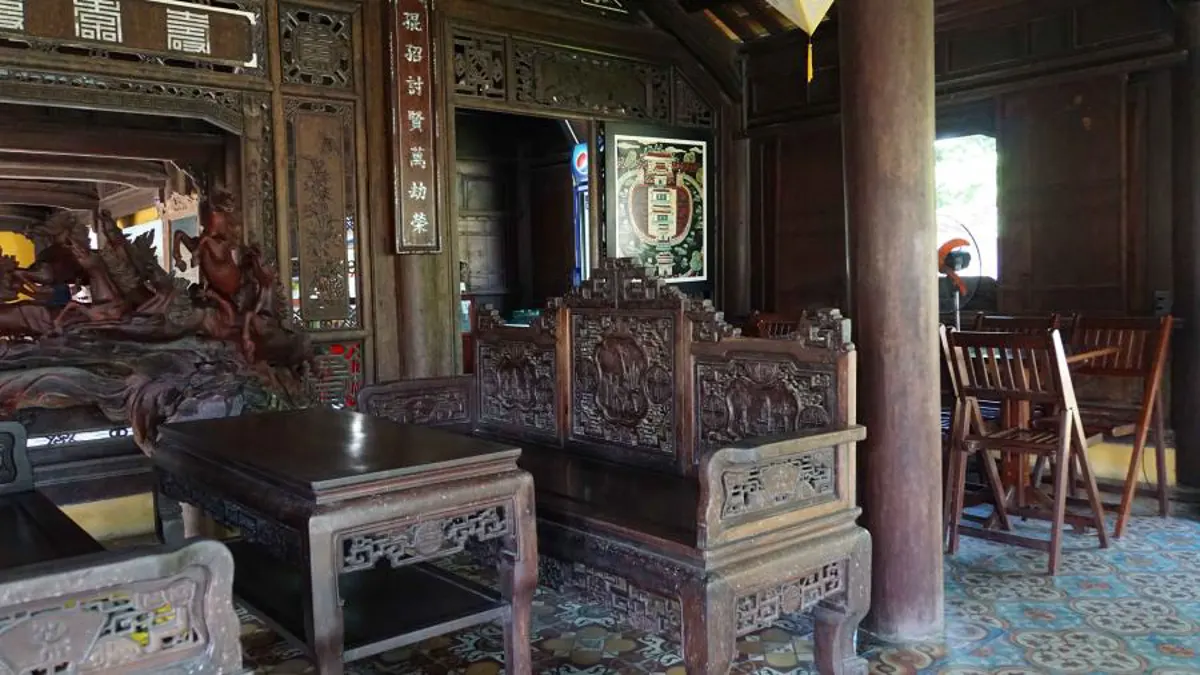
Hue, once the imperial capital of Vietnam, offers a rich array of historical and cultural experiences that can be explored effectively within a single day. While less frenetic than major urban centers like Hanoi or Ho Chi Minh City, Hue presents a concentrated collection of significant sites, many of which are geographically close. A well-structured itinerary allows visitors to appreciate the city's unique heritage, from ancient pagodas and royal residences to elaborate tombs and local markets.
Morning Exploration: Imperial Grandeur and River Views
Begin your day in Hue by immersing yourself in the city's historical heart. A morning schedule typically commences around 8:30 AM, often with a pickup from your accommodation if participating in a guided tour. The initial activity frequently involves a serene boat trip along the Perfume River, offering scenic perspectives of the city as you travel towards the first historical site.
The journey on a traditional dragon boat lasts approximately 30 minutes, leading to the Thien Mu Pagoda. This religious site is among Vietnam's well-preserved and visually appealing spiritual locations. Visitors generally spend about 45 minutes here, learning about the pagoda's history and associated legends from a guide.
Following the pagoda visit, the itinerary proceeds to the Imperial Citadel, a UNESCO World Heritage Site. Construction of this significant architectural complex began in 1804 under the first Emperor of the Nguyen Dynasty. Although some sections have sustained damage over time, the remaining structures offer a clear illustration of the Citadel's original design and scale, providing insight into its past appearance.
After exploring the Imperial Citadel, a visit to the Hue Royal Antiques Museum is often included. This museum houses a collection of artifacts from the Nguyen Dynasty, featuring bronze pottery, Chinaware, Phap Lam enamel, court attire, headwear, and personal items once belonging to the emperors. Before concluding the morning's activities, a stop at Dong Ba Market is customary. As the largest market in Hue and central Vietnam, it provides a glimpse into local daily life and offers various cultural items and souvenirs.
Afternoon Discoveries: Royal Tombs and Craft Traditions
Around 12:00 PM, a break for lunch is usually scheduled at a local Hue restaurant, allowing approximately 30 minutes to sample regional specialties. The afternoon portion of the tour then focuses on two of Hue's most notable royal tombs: Minh Mang Tomb and Khai Dinh Tomb.
Minh Mang Tomb serves as the resting place for Emperor Minh Mang (1791-1841), the second monarch of the Nguyen dynasty. This tomb is widely regarded for its harmonious integration of landscaping and architectural elements, presenting a majestic appearance among the royal burial sites. Following this, the itinerary moves to Khai Dinh Tomb, dedicated to Emperor Khai Dinh (1885-1925), the twelfth Nguyen ruler. This tomb is distinguished by its elaborate design, often considered one of the most opulent within the Nguyen dynasty's tomb system and globally. Its unique blend of Western and Eastern architectural styles sets it apart from other royal tombs in Hue.
Concluding the afternoon, visitors typically head to local craft villages. These stops offer an opportunity to observe the traditional methods of making conical hats and incense sticks. Here, you can see artisans at work, crafting items such as sandalwood and cinnamon incense. The full-day tour generally concludes around 5:00 PM with a return to your hotel.
Hue's Evening Flavors: A Culinary Journey
As evening arrives, Hue transforms, offering opportunities to explore its culinary landscape. A night culinary tour is a popular choice for those wishing to sample the city's diverse street food. These tours often begin in the early evening and can last until approximately 10:00 PM, concluding with a return to your accommodation.
Participants on a culinary tour can try a wide selection of Hue's distinctive dishes. This includes various local cakes such as Banh Beo, Banh Nam, Banh Bot Loc, Banh Ram It, and Banh Uot. Additionally, clam-based dishes like clam rice and clam noodles are frequently featured. Other local favorites often highlighted are Banh Khoai (a savory pancake) and Nem Lui (grilled pork skewers). For those with a sweet tooth, local sweet soups are also a common offering. Beyond the food, these evening excursions provide a chance to experience Hue's romantic atmosphere after dark.
During the evening, there are also opportunities to purchase special souvenirs for family or friends. Popular items include sesame candies, conical hats, sour shrimps, traditional Vietnamese long dresses (ao dai), and Minh Mang wines. For travelers managing their finances, understanding banking services in Hue City can be helpful during their visit.
Architectural Grandeur: Minh Mang and Khai Dinh Tombs Compared
The royal tombs of Hue are significant examples of Vietnamese imperial architecture, each reflecting the personality and era of the emperor it commemorates. While both are essential stops on a one-day itinerary, they offer distinct experiences.
| Feature | Minh Mang Tomb | Khai Dinh Tomb |
|---|---|---|
| Emperor | Minh Mang (2nd Nguyen King) | Khai Dinh (12th Nguyen King) |
| Reign Dates | 1791-1841 | 1885-1925 |
| Architectural Style | Harmonious balance of traditional Vietnamese landscaping and architecture | Remarkable blend of Western and Eastern architectural influences |
| Distinguishing Characteristic | Considered the most majestic, emphasizes natural surroundings | Known for its opulence and intricate, expensive detailing |
Essential Tips for Your Hue Visit
To make the most of your single day in Hue, consider these practical recommendations. Starting your day early, around 8:30 AM, is crucial to cover the main attractions efficiently. Comfortable footwear is advisable, as you will be doing a fair amount of walking, particularly within the Imperial Citadel and around the tomb complexes. Hydration is also important, especially during warmer months.
While many sites are close, utilizing local transport like taxis or a pre-arranged tour can optimize travel time between locations such as the city center and the more distant royal tombs. If you are exploring independently, consider hiring a motorbike with a driver for convenience. For any medical needs during your trip, information on healthcare facilities in Hue is available.
Frequently Asked Questions
What are the primary historical sites to see in Hue in one day?
In a single day, the main historical sites to prioritize in Hue include the Thien Mu Pagoda, the Imperial Citadel (a UNESCO World Heritage Site), the Hue Royal Antiques Museum, Dong Ba Market, and two significant royal tombs: Minh Mang Tomb and Khai Dinh Tomb.
Is it possible to experience Hue's culinary scene in one day?
Yes, it is certainly possible. While the daytime focuses on historical sites, the evening offers dedicated culinary tours where you can sample a wide array of Hue's famous street foods and local specialties, such as various traditional cakes and clam dishes.
How much time should be allocated for each major attraction?
Typically, a guided tour allocates around 45 minutes for Thien Mu Pagoda, a couple of hours for the Imperial Citadel, and approximately 1-1.5 hours for each of the royal tombs (Minh Mang and Khai Dinh). Market and museum visits are usually shorter, around 30-45 minutes each.
What kind of transportation is recommended for a one-day Hue itinerary?
For an efficient one-day itinerary, joining a pre-arranged tour that includes transportation (like a dragon boat on the Perfume River and vehicle transfers) is often recommended. Alternatively, hiring a private car with a driver or utilizing taxis can provide flexibility between sites, especially for reaching the royal tombs located outside the city center.
Are there any specific local crafts or products to look for in Hue?
Hue is known for several traditional crafts. During your visit, you might observe the making of conical hats and incense sticks in local villages. Popular souvenirs available for purchase include these handcrafted items, along with sesame candies, sour shrimps, traditional Vietnamese long dresses (ao dai), and Minh Mang wines.








