
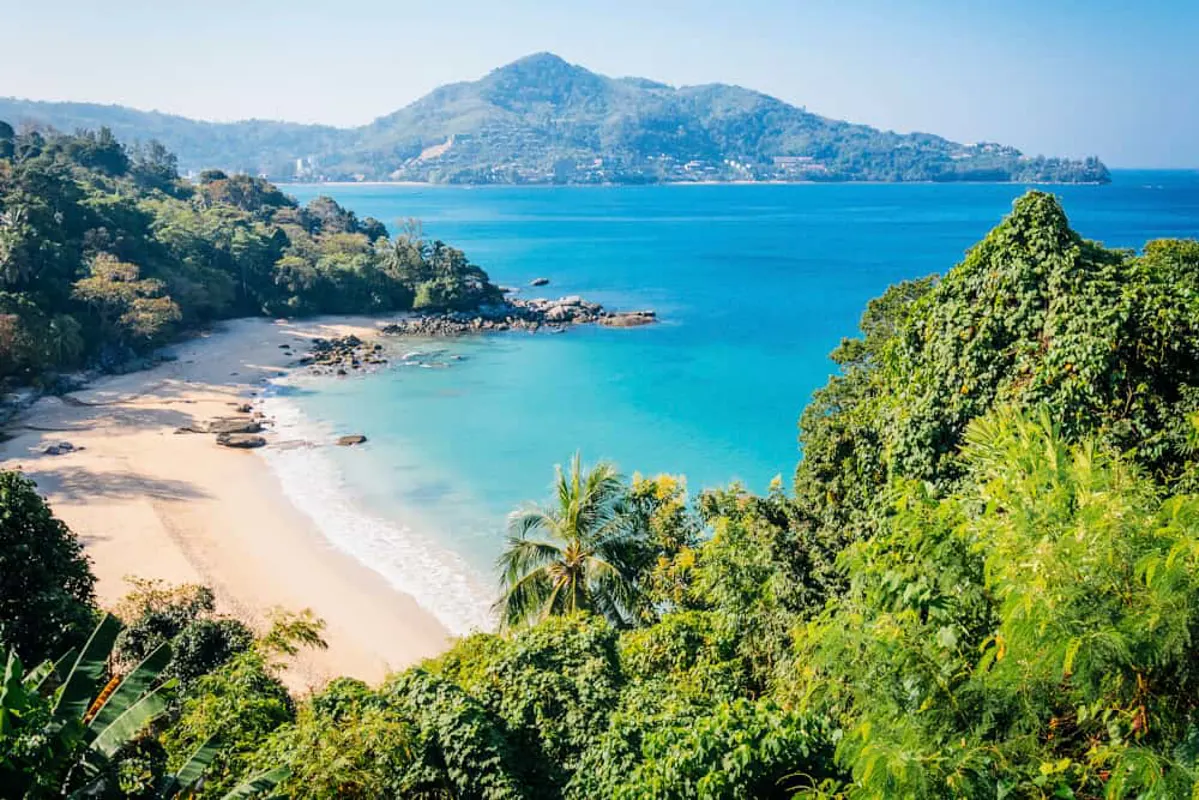
For travelers considering a visit to Phuket, Thailand, during March, the island typically offers a transition period from its cooler, drier season to warmer conditions. This month presents generally favorable weather, characterized by ample sunshine and comfortable sea temperatures, making it suitable for various outdoor and water-based pursuits. It's a time when the island remains appealing for those seeking a tropical escape before the onset of the heavier monsoon rains.
Understanding Phuket's March Climate
March in Phuket marks the conclusion of the primary dry season and the beginning of the hotter period. Visitors can generally anticipate clear skies and abundant sunshine, creating ideal conditions for outdoor activities. While the monsoon season typically commences in May, March experiences a relatively low amount of rainfall, averaging around 40 millimeters spread across approximately seven to eight days. This means that while some wet days may occur, they are usually brief and do not significantly disrupt travel plans, allowing most of the day to be spent enjoying the island.
Temperatures during March are among the warmest of the year. Daily lows generally hover around 23 degrees Celsius, providing pleasant evenings, while daytime highs can reach up to 34 degrees Celsius. Such conditions are well-suited for exploring the island's outdoor attractions or engaging in water activities to mitigate the heat. The average humidity level is about 75%, which may increase slightly on days with precipitation, but typically remains manageable. Travelers can expect roughly eight hours of sunshine each day, providing ample opportunity for outdoor enjoyment from morning to late afternoon. The surrounding sea maintains a consistent average temperature of 29 degrees Celsius, making it exceptionally inviting for swimming, snorkeling, and other marine leisure. Instances of fog are minimal, with a maximum of eight foggy days reported for the month in this part of Southwestern Thailand, ensuring clear visibility for coastal views and boat excursions.
Daytime Activities and Island Excursions
Phuket's climate in March is particularly conducive to a beach-focused holiday, offering excellent conditions for relaxation and recreation. The island's numerous beaches provide a wide array of amenities and services catering to visitors, from casual eateries to watersports rentals. Popular activities include swimming in the warm ocean, snorkeling to observe the diverse marine life, and simply relaxing under the sun on the sandy shores. Beyond the immediate coastline, Phuket provides a developed tourism infrastructure with various inland entertainment options, ensuring that travelers have plenty to occupy their time over several days, from cultural sites to adventure parks.
For those interested in exploring beyond Phuket's main island, several nearby island excursions are highly recommended. These trips often involve travel by boat to picturesque locations, allowing for further swimming, snorkeling, and sunbathing opportunities in more secluded or iconic settings. Notable destinations include the Phi Phi Islands, widely regarded as a premier tropical getaway known for its dramatic limestone cliffs and clear waters. The Khai Islands offer shallow, calm waters ideal for families, while the iconic James Bond Island, officially Ko Tapu, is famous for its distinctive limestone karsts rising from the sea, a popular spot for photography and sightseeing. These day trips offer a chance to experience the wider Andaman Sea region and its natural splendor.
Evening Explorations: Phuket's Night Markets
As evening approaches, Phuket's night markets offer a different kind of experience, combining casual shopping with local culinary delights in a relaxed, open-air setting. These markets are excellent places to sample a wide variety of street food, from savory local dishes to sweet treats, and to search for unique souvenir items to take home. Among the notable options is Chillva Market, which began operating in 2016 and has quickly gained popularity with both local youth and international visitors for its modern and lively atmosphere.
Chillva Market operates as an open-air venue, featuring a variety of stalls housed in converted shipping containers and traditional market setups. Shoppers can find an eclectic mix of souvenir items, fashion accessories, and handmade crafts, while numerous food vendors present a diverse selection of street food, fresh juices, and desserts. The market occasionally hosts live music or street performances, contributing to its generally friendly and contemporary atmosphere. A dedicated seating area is available for guests to comfortably enjoy their food purchases, making it a popular social hub in the evenings. Many visitors find the prices here to be quite reasonable, offering good value for both food and shopping. The market typically becomes quite active at night, with numerous stalls available for browsing and a steady flow of people enjoying the ambiance.
| Feature | Description |
|---|---|
| Type | Open-air market, utilizing shipping containers |
| Establishment | Opened in 2016 |
| Offerings | Souvenir shops, fashion, handmade crafts, diverse street food vendors, fresh juices |
| Atmosphere | Friendly, trendy, lively, occasional live music/performances |
| Amenities | Dedicated seating area for dining |
| Pricing | Generally considered reasonable by visitors |
| Activity Level | Busy in the evenings with many stalls and a steady flow of visitors |
Practical Advice for March Travelers
Traveling to Phuket in March generally means encountering fewer crowds compared to the peak tourist months of January and February. This reduction in visitor numbers can contribute to a more relaxed experience at popular sites and beaches for swimming, allowing for easier movement and potentially shorter wait times. Additionally, the decrease in demand during this shoulder period may present opportunities for travelers to secure more favorable rates on accommodation, from resorts to guesthouses. Planning a trip for March could therefore offer a beneficial balance between pleasant weather and a less congested environment, potentially leading to cost savings on hotels and a more tranquil island experience. It is always advisable to book popular tours and accommodations in advance, even during shoulder seasons, to ensure availability.
Frequently Asked Questions
Is March a good month to visit Phuket?
Yes, March is generally considered a good month to visit Phuket. The weather is warm and dry, marking the end of the dry season, with plenty of sunshine and comfortable sea temperatures. Rainfall is minimal compared to the upcoming monsoon season, and crowd levels are typically lower than in the peak months of January and February, offering a more relaxed atmosphere.
What are the typical temperatures in Phuket during March?
In March, Phuket experiences consistently warm temperatures. Daily lows average around 23 degrees Celsius, while daytime highs can reach up to 34 degrees Celsius. The surrounding sea maintains a comfortable average temperature of 29 degrees Celsius, making it ideal for all types of water-based activities.
How much rain can I expect in Phuket in March?
March sees relatively low rainfall in Phuket, with an average of about 40 millimeters spread over approximately seven to eight days. While some brief rain showers may occur, they are generally short-lived and do not usually impact travel plans significantly, allowing for ample outdoor enjoyment throughout most of the day.
Are there many tourists in Phuket during March?
Compared to the busiest months of January and February, March typically sees fewer tourists in Phuket. This can result in a more relaxed atmosphere at attractions and potentially more competitive pricing for hotels and other services, offering a more serene travel experience.
What activities are recommended for a March trip to Phuket?
Recommended activities for a March trip include spending time at the beaches for swimming, snorkeling, and sunbathing. Excursions to nearby islands like Phi Phi Islands, Khai Islands, and James Bond Island are also popular for their natural beauty. In the evenings, exploring local night markets, such as Chillva Market, offers opportunities for shopping, trying local street food, and enjoying the lively atmosphere.








