
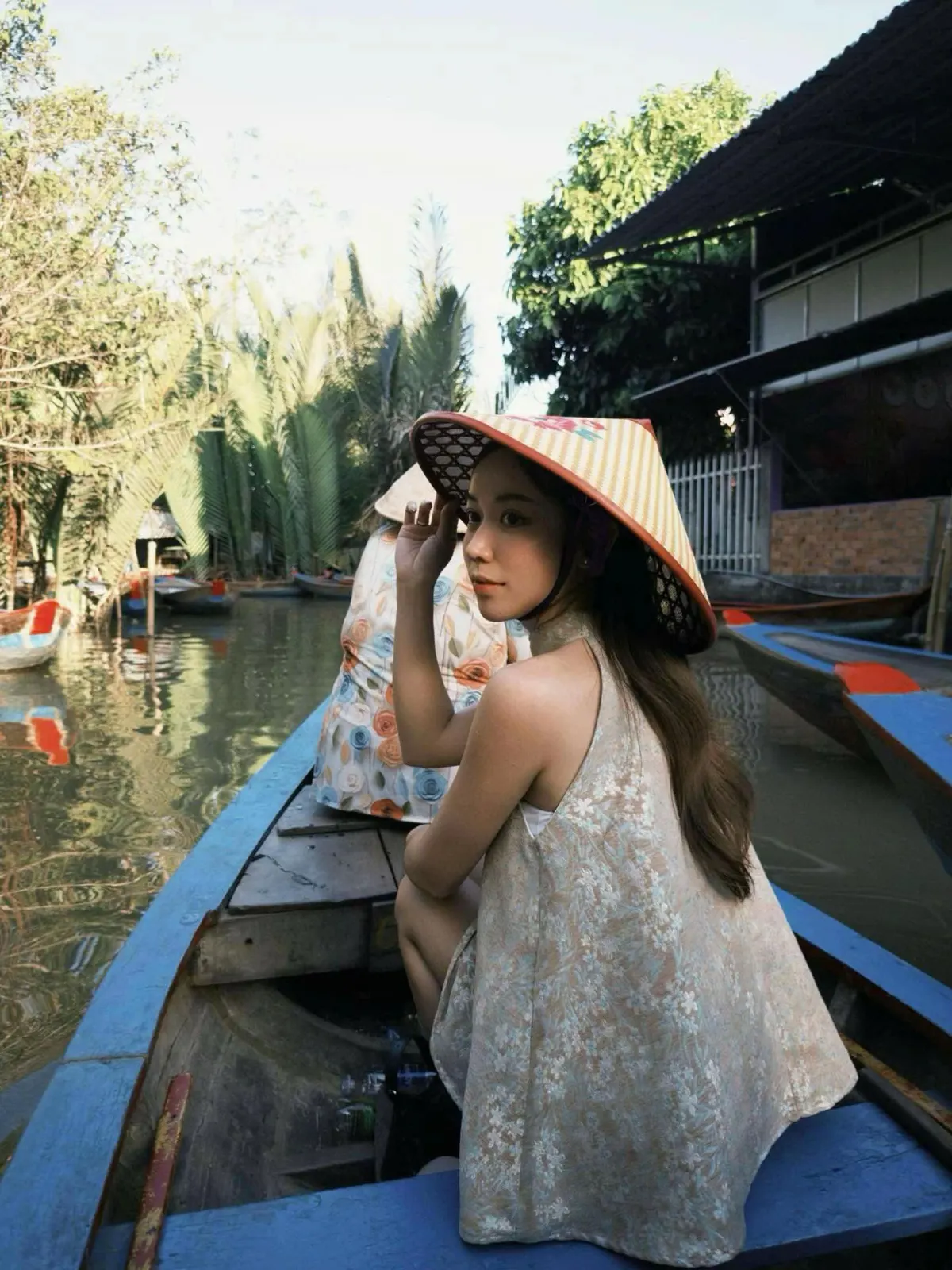
The Mekong Delta region of southern Vietnam features a tropical climate, characterized by two primary seasons: a dry period and a rainy period. Deciding the most suitable time for a visit depends on the specific activities and sights one wishes to experience, as each season presents distinct opportunities for travelers. This guide provides insights into the different times of year and corresponding attractions across the delta.
Understanding the Mekong Delta's Climate Patterns
Unlike northern Vietnam, which experiences four distinct seasons including spring, summer, autumn, and winter, the southern parts of the country, particularly the Mekong Delta, operate on a tropical wet and dry cycle. This means the region primarily observes two main periods: a dry season and a rainy season. These climatic variations significantly influence the landscape, local livelihoods, and the array of activities available to visitors.
The dry season typically brings sunny days and lower humidity, making it comfortable for outdoor exploration. Conversely, the rainy season, while marked by increased precipitation, often features short, heavy showers rather than prolonged downpours, and it contributes to the lushness of the agricultural lands and the swelling of waterways. Each period offers unique perspectives on the delta's natural beauty and cultural practices, making it a destination that rewards year-round visitation depending on individual preferences.
The Season of Abundant Fruits (April to August)
The fertile soil of the Mekong Delta supports extensive fruit cultivation, earning it a reputation as a major fruit-producing area for Vietnam. While various fruits are harvested throughout the year, the period from April to August, coinciding with the warmer months, is particularly notable for its peak fruit season. During this time, many tropical fruits reach their ripeness, making it an excellent opportunity to visit local plantations.
Travelers can engage in activities such as picking fresh produce directly from the trees, tasting a variety of fruits on-site, and capturing photographs of the verdant orchards. Common fruits available during these months include rambutans, durians, mangosteens, longan, and lychee. The abundance of these distinctive fruits is considered a regional highlight and a key element of the local economy. Many transactions involving these harvests occur on boats at the region's unique floating markets, offering a glimpse into a traditional way of commerce. For those interested in experiencing the delta's agricultural heartland, consider a day trip to the Mekong Delta from Ho Chi Minh City, often including visits to areas like Ben Tre.
Recommended Fruit Plantation Destinations:
- Bến Tre Province
- Cần Thơ Province
- Tiền Giang Province
- Đồng Tháp Province
Experiencing the Floating Season (September to October)
From September to October, while other parts of Vietnam might experience storms, the Mekong Delta enters its 'floating season.' This period sees rivers and canals rise, particularly in provinces such as An Giang, Đồng Tháp, and Long An, transforming the landscape. Local communities adapt their daily routines to these higher water levels, which also bring significant natural benefits.
During this time, the delta's waterways become rich sources of food, with locals gathering fish, shrimp, crabs, voles, and various water vegetables. These ingredients form the basis of many regional dishes. Visitors during the floating season can participate in hands-on activities like rowing boats to collect fish from nets, gathering sesbania sesban flowers, harvesting water caltrop plants, and even catching voles. A popular destination to witness this unique riverine lifestyle is the Chau Doc floating village. Exploring the Tra Su Cajuput Forest also offers a distinctive experience during this season. For a more extensive exploration, a Mekong Delta River Life and Tra Su Forest adventure can provide deeper insights into the region's ecological and cultural offerings.
Key Locations for the Floating Season:
- Đồng Tháp Province
- An Giang Province
- Trà Sư Cajuput Forest
Festive Preparations and New Year Atmosphere (December to January)
The final months of the year, particularly December and January leading up to the Lunar New Year (Tết Holiday), offer international visitors a chance to observe unique cultural traditions in the Mekong Delta. This is a time of widespread preparation for Tết, Vietnam's most significant holiday. Streets and homes across the delta are adorned with apricot blossoms, which symbolize spring, along with decorative flower pots, traditional Tết cakes, candies, and colorful ornaments.
The atmosphere is lively and busy as people rush to complete their new year shopping. A highlight of this period is the sight of boats laden with beautiful flowers from villages like Tân Quy Đông and Sa Đéc, ready to be transported across the country. Tết is a time for family reunions, house decorating, preparing special foods like bánh chưng, and visiting local markets to witness the festive changes. Visitors can join in the celebratory mood by exploring markets, purchasing flowers, sampling seasonal treats, and capturing the vibrant scenes. Understanding Vietnamese Lunar New Year traditions can enhance this experience. The weather in January generally remains pleasant, making it an ideal time for travel.
Suggested Tours and Experiences:
- Sa Đéc Flower Village – Lai Vung Tangerine Farm Tour: A one-day excursion to witness the flower and fruit preparations.
- Đồng Tháp – Cần Thơ Tour: A two-day option including Sa Đéc Flower Village, Lai Vung Tangerine Farm, Cồn Sơn, and Cái Răng Floating Market.
Post-Tet Activities and Dry Season Exploration (January to March)
Following the Tết Holiday, from January through March, the Mekong Delta continues to offer engaging experiences during its dry season. This period is historically significant, as fish often become concentrated in ponds and canals due to lower water levels, a phenomenon that early settlers of the delta utilized for sustenance. Today, visitors can partake in a unique 'farmer for a day' activity, which involves draining ponds and catching fish, providing a hands-on insight into traditional delta life.
The dry season is also an opportune time to explore the U Minh Thượng and U Minh Hạ Forests, located in Kiên Giang and Cà Mau Provinces, respectively. These remote forests are known for their wild forest honey. Adventurous travelers can challenge themselves by joining locals in collecting honey directly from trees, an experience that offers a taste of the delta's natural bounty. Engaging with locals during these activities often includes sharing meals prepared from the day's catch or harvest, along with hearing fascinating stories about the delta's pioneers and its development into the prosperous region it is today. Consider a Mekong Delta cycling adventure to fully appreciate the rural landscapes and local interactions.
Comparing Mekong Delta Seasons
| Season | Typical Months | Primary Attractions & Activities | Recommended Provinces/Areas |
|---|---|---|---|
| Fruit Abundance | April - August | Fruit picking, tasting, plantation tours, floating markets for fruit trade. | Bến Tre, Cần Thơ, Tiền Giang, Đồng Tháp |
| Floating Season | September - October | River life, natural harvesting (fish, water vegetables), boat excursions, Tra Su Cajuput Forest. | An Giang, Đồng Tháp, Long An |
| Festive Period | December - January (pre-Tết) | Tết preparations, flower villages, cultural decorations, traditional markets. | Sa Đéc, Tân Quy Đông, Đồng Tháp, Cần Thơ |
| Post-Tết Dry Season | January - March | Traditional fishing activities, wild honey collection, U Minh Forests exploration. | Kiên Giang, Cà Mau |
Frequently Asked Questions
What are the two main seasons in the Mekong Delta?
The Mekong Delta primarily experiences two distinct seasons: a dry season and a rainy season, characteristic of its tropical wet and dry climate.
When is the best time to see fruit plantations?
The period from April to August is considered the peak season for abundant tropical fruits, offering the best opportunities for fruit picking and tasting tours.
What unique activities can be done during the floating season?
During the floating season (September to October), visitors can participate in activities such as traditional fishing, gathering water vegetables, and exploring areas like the Tra Su Cajuput Forest by boat.
Why is the end of the year a special time to visit?
The end of the year, particularly December and January, is special due to the preparations for the Tết Lunar New Year, featuring vibrant flower markets, festive decorations, and unique cultural traditions.
Can I experience local farming activities?
Yes, during the dry season (January to March), visitors can often engage in traditional farming activities like draining ponds and catching fish, or participate in wild honey collection in areas like the U Minh Forests.








