
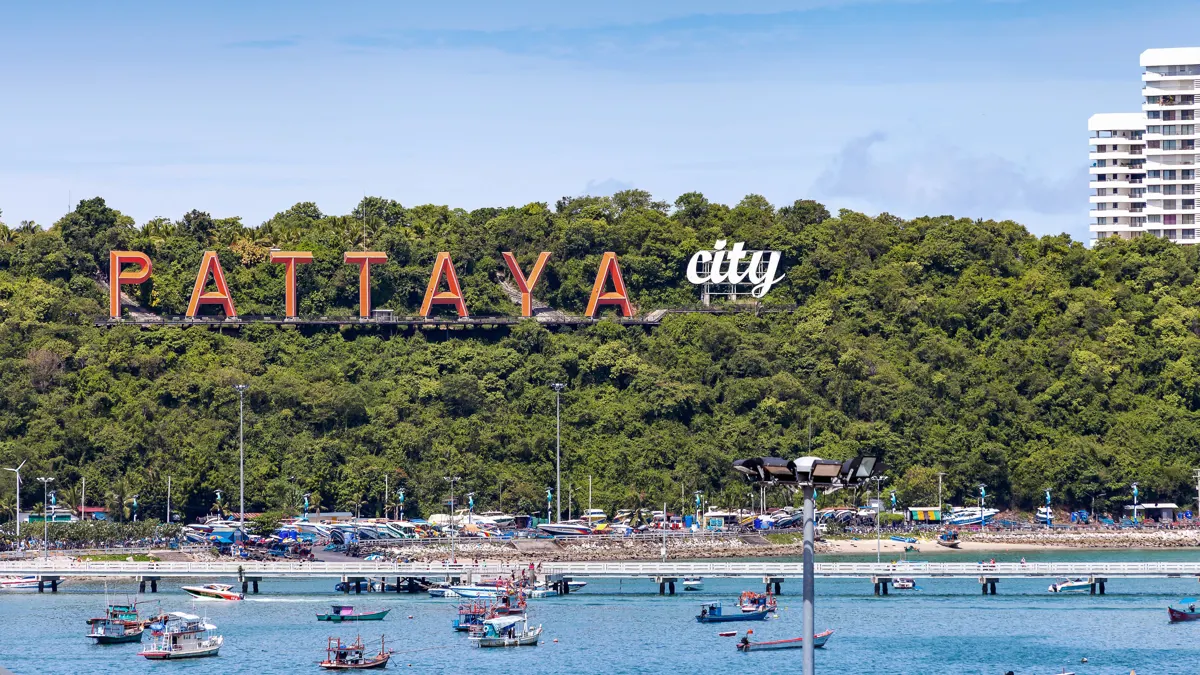
Pattaya U-Tapao International Airport, often referred to simply as U-Tapao Airport, is the main aerial entry point for visitors heading to Pattaya, Thailand. This facility plays a crucial role in connecting the popular resort city with domestic and international destinations. Understanding its layout, services, and transport links is key for a smooth travel experience.
Understanding U-Tapao International Airport
U-Tapao International Airport serves a dual function, supporting both commercial air travel for Pattaya, a significant Thai resort area, and military aviation. Situated approximately a 45-minute drive from central Pattaya, it is also about 140 kilometers from Bangkok. The passenger terminal spans an area exceeding 2,500 square meters, providing space for various traveler services.
This airport also functions as the technical service base for Thai Airways, one of Thailand's major airlines. A key aspect of its commercial operations involves accommodating charter flights, particularly for tourists arriving at Pattaya's resorts. While it handles a considerable number of domestic flights, U-Tapao is also capable of serving as a backup aviation hub for the country, equipped with a 3.5-kilometer asphalt runway that can receive all aircraft types, including the Airbus A380.
Navigating Ground Transportation from U-Tapao
Upon arrival at Pattaya U-Tapao Airport, travelers have several options for reaching the city. The most common methods include taxis and minibuses. A designated parking area capable of holding 100 vehicles is located directly in front of the terminal building, making it convenient for pick-ups.
Many travel agencies and hotels frequently arrange transfers from the airport for their clients, providing a pre-booked and often more structured transport solution. For those seeking a more economical choice, buses typically offer a significantly lower fare compared to taxis. It is advisable for travelers to compare prices and convenience based on their specific needs and destination within Pattaya.
Services and Amenities for Travelers
U-Tapao Airport provides a range of facilities designed to meet the needs of passengers. Visitors can find various retail outlets, including duty-free shops, souvenir stores, and jewelry retailers. For dining, there are cafes and restaurants offering different food and beverage options. Additionally, practical services such as Internet cafes, a post office, and travel centers are available.
The airport also facilitates onward travel arrangements, with car rental services, taxi stands, and hotel reservation counters located within the terminal area. Travelers with some waiting time can explore the dining and shopping opportunities. When considering what to look for in Southeast Asia, a traveler's guide to unique purchases can offer inspiration for regional finds, even if specific items vary by country. Similarly, for those interested in exploring culinary experiences in the region, a dining guide to Phnom Penh highlights regional and international dishes, providing context for the diverse food scene across Southeast Asia.
VAT Refund Process at U-Tapao
International visitors making eligible purchases in Thailand may be able to claim a Value Added Tax (VAT) refund at U-Tapao Airport. To qualify, the total value of purchases must be at least $90 (USD, or equivalent in local currency). The refund process is handled at a specific counter labeled “VAT Refund for Travelers.”
This counter is situated in the departure area, accessible after passport control. Travelers should ensure they have all necessary documentation, including their passport and original tax invoices for their purchases, to complete the refund application. Successfully claiming a VAT refund can provide a notable saving on eligible goods.
Planning Your Arrival: Peak Seasons and Considerations
The busiest period for tourist arrivals at U-Tapao Airport typically occurs during Thailand's peak season, which falls in the winter months. During this time, the airport experiences its highest volume of passenger traffic. While the airport handles a significant number of international charter flights, the majority of its passenger movements are attributed to domestic routes.
Travelers planning to visit during the peak winter season should anticipate potentially higher passenger volumes and consider booking transportation and accommodation in advance. Conversely, during off-peak times, the airport may be less crowded, offering a more relaxed arrival or departure experience.
Frequently Asked Questions
What is the official name of Pattaya's international airport?
Pattaya's international airport is officially known as Pattaya U-Tapao International Airport. It is also commonly referred to as U-Tapao Airport.
How far is U-Tapao Airport from Pattaya city center?
U-Tapao Airport is located approximately a 45-minute drive from the main city area of Pattaya.
What transportation options are available from U-Tapao Airport?
Travelers can choose between taxis and minibuses for ground transportation from U-Tapao Airport to Pattaya. Many hotels and travel agencies also arrange private transfers.
Can I get a VAT refund at U-Tapao Airport?
Yes, visitors can apply for a VAT refund at U-Tapao Airport for purchases totaling at least $90. The








