Planning a visit to Vietnam requires careful consideration of your available time to truly appreciate its diverse regions and rich heritage. Whether you have just over a week or several weeks, structured itineraries can help maximize your exploration of this Southeast Asian nation. This article provides comprehensive plans for trips lasting 10 days, two weeks, and three weeks, along with practical advice to assist in your preparations.
Choosing Your Vietnam Itinerary Duration
For those aiming to experience Vietnam thoroughly, a minimum of 10 days is generally recommended. Most travelers find that a two to three-week period allows for a more comprehensive exploration, covering the country from its northern reaches to the southern delta. The optimal itinerary depends on individual preferences for pace and the depth of cultural engagement desired.
A shorter 10-day trip is suitable for individuals or small groups comfortable with a quicker pace, focusing on major highlights. A two-week plan offers a more relaxed approach, ideal for families or older travelers, allowing for additional activities and rest days. For those seeking a deeper cultural understanding and the chance to explore less frequented areas, a three-week itinerary provides ample opportunity for extensive travel and varied experiences.
| Duration | Primary Destinations | Best Suited For |
|---|---|---|
| 10 Days | Ho Chi Minh City, Mekong Delta, Cu Chi Tunnels, Hoi An, Hanoi, Halong Bay | Solo travelers, Small groups, Fast-paced exploration |
| 2 Weeks | Hanoi, Mai Chau, Halong Bay, Hoi An, Hue, Ho Chi Minh City, Mekong Delta | Group travel, Seniors, Family trips, Relaxed pace |
| 3 Weeks | Hanoi, Sapa, Ninh Binh, Halong Bay, Hoi An, Hue, Ho Chi Minh City, Mekong Delta, Phu Quoc | Group travel, Couples, Adventure seekers, In-depth exploration |
A 10-Day Vietnam Travel Plan
A 10-day itinerary allows visitors to experience significant sites across Vietnam, from the southern metropolis to the northern natural wonders. This plan typically involves air travel between distant locations to save time, ensuring you visit key cultural and natural attractions.
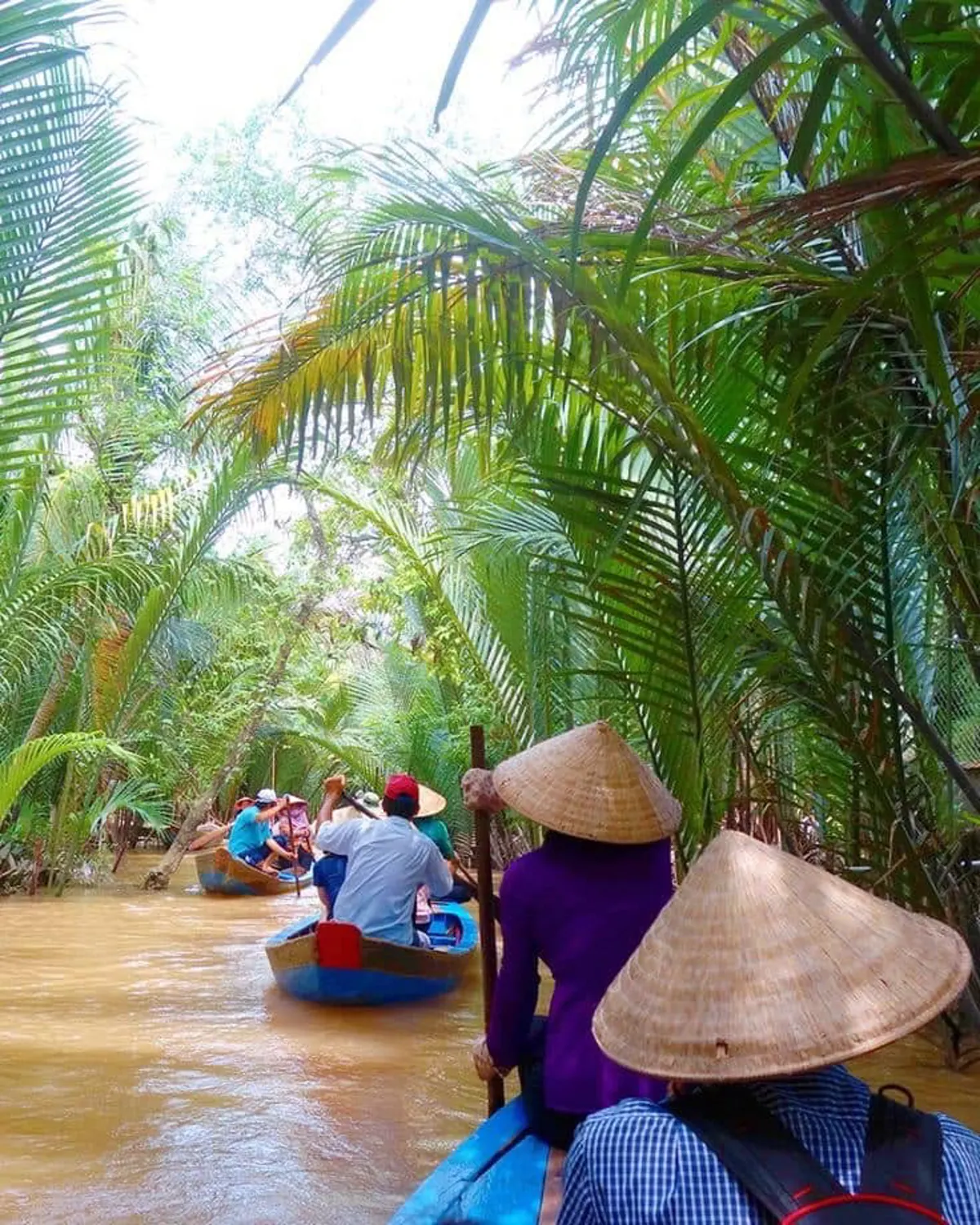
Starting in the south, travelers often arrive in Ho Chi Minh City, spending time exploring its historical landmarks and experiencing local markets. A day trip to the Mekong Delta introduces visitors to river life and agricultural practices, while the Cu Chi Tunnels offer insights into wartime history. Moving to the central region, Hoi An captivates with its ancient town charm. The journey then continues north to Hanoi, Vietnam's capital, before concluding with a cruise through the iconic Halong Bay.
- Day 1: Ho Chi Minh City Arrival
- Day 2: Mekong Delta Exploration (Sampan tours, floating markets, Cu Chi Tunnels)
- Day 3: Ho Chi Minh City Landmarks (Ben Thanh Market, Independence Palace, Notre-Dame Cathedral)
- Day 4-5: Hoi An Ancient Town (Japanese Covered Bridge, Tan Ky House, custom tailoring)
- Day 6-7: Hanoi Capital City (Hoan Kiem Lake, Ho Chi Minh Mausoleum, Old Quarter, local cuisine like Pho)
- Day 8-10: Halong Bay Cruise (Overnight cruise, cave exploration, kayaking, seafood meals)
Exploring Vietnam in Two Weeks
An extended two-week itinerary offers a more comprehensive journey through Vietnam's northern, central, and southern regions, allowing for a relaxed pace and deeper cultural engagement. This duration provides opportunities to explore both urban centers and tranquil rural areas.
The trip often begins in Hanoi, with two days dedicated to its historical sites, markets, and cultural performances. A visit to Mai Chau provides a glimpse into ethnic minority life and scenic rice fields. The journey proceeds to Halong Bay for an overnight cruise, followed by time in Hoi An, known for its lanterns and ancient architecture. Hue, the former imperial capital, offers historical palaces and pagodas. The itinerary concludes in the south with Ho Chi Minh City's dynamic atmosphere and a boat trip through the Mekong Delta.
- Day 1-2: Hanoi (Dong Xuan Market, Old Quarter, Thang Long Water Puppet Theater, Hoan Kiem Lake, Temple of Literature, local dishes like Pho, Cha Ca La Vong, Bun Cha)
- Day 3-4: Mai Chau (Mountain valley, local cuisine including Hill Chicken and Lam Rice, cycling, visits to Na Meo, Na Mo, and Xam Pa villages with a local guide)
- Day 5-6: Halong Bay (Dark & Light Caves or Luon Cave, kayaking or bamboo boat, seafood dinner, sundeck activities, squid fishing, cooking classes, Trung Trang Cave)
- Day 7-9: Hoi An (Travel from Hanoi, ancient town exploration, Japanese Covered Bridge, local dishes like Cao Lau and Mi Quang, Cua Dai Beach relaxation, Hoi An Memories Show)
- Day 10-11: Hue (Hue Imperial City, Thien Mu Pagoda, Perfume River, local dishes like banh beo, banh nam, che Hue)
- Day 12-13: Ho Chi Minh City (Saigon Central Post Office, War Remnants Museum, Nguyen Hue Walking Street, Southern cuisine like Com Tam and Hu Tieu Nam Vang)
- Day 14: Mekong Delta (Cai Rang Floating Market, mat weaving villages, tropical fruit orchards)
An In-Depth Three-Week Vietnam Adventure
For travelers with three weeks, Vietnam offers an extensive exploration that extends beyond the primary tourist routes, allowing for a deeper understanding of the country's diverse landscapes and local cultures. This extended period facilitates travel through various modes, including buses, cruises, and flights, connecting a wider array of destinations.
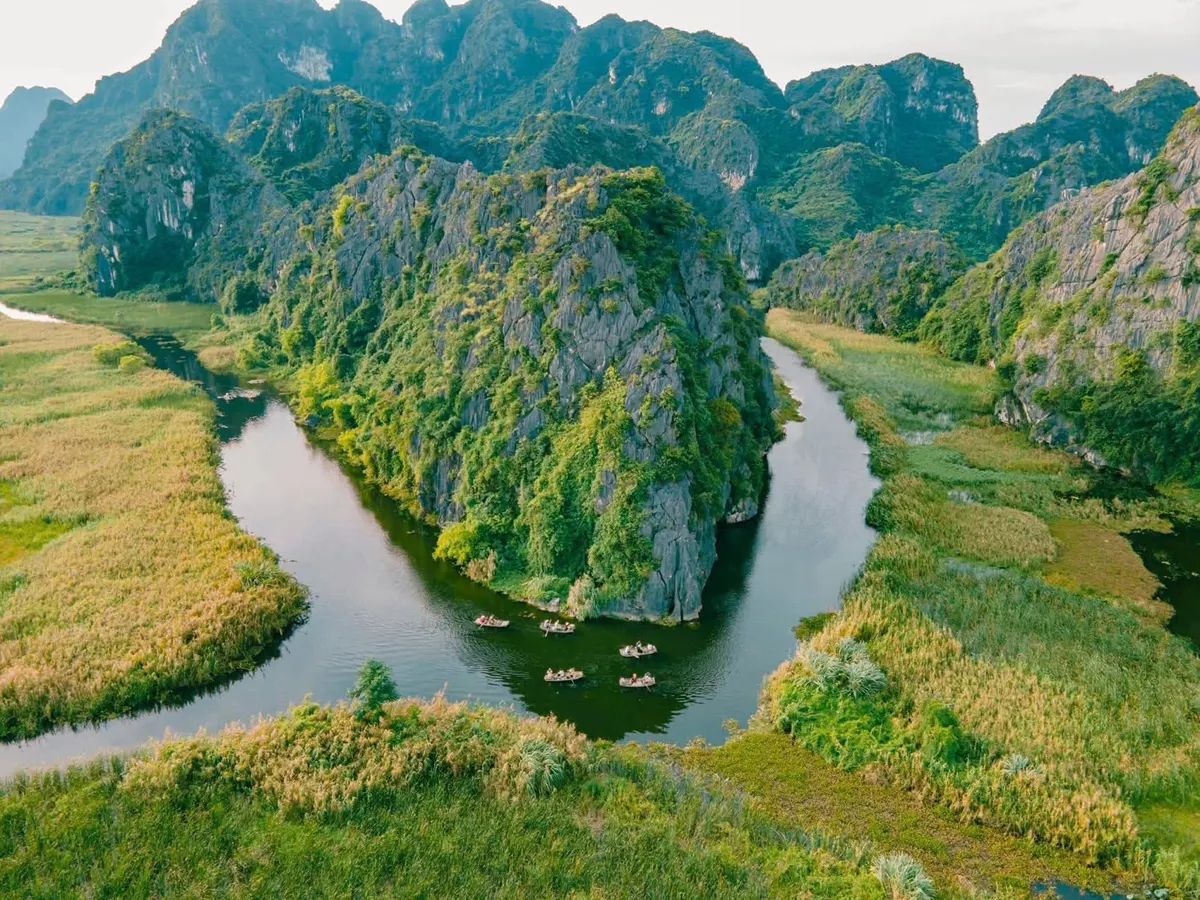
This comprehensive itinerary typically includes the major cities and natural attractions but also incorporates regions like Sapa, known for its terraced rice fields and ethnic communities, and Ninh Binh, with its dramatic limestone karsts and historical capital. The journey often concludes with relaxation on the beaches of Phu Quoc island, providing a contrast to the historical and cultural explorations. Such a trip offers a rich tapestry of experiences, from mountainous treks to island retreats.
- Day 1-2: Hanoi (One Pillar Pagoda, West Lake, Tran Quoc Pagoda)
- Day 3-4: Sapa (Terraced rice fields, Cat Cat and Ta Van villages, Fansipan Mountain. For an easier ascent, consider experiencing Mount Fansipan's cable car.)
- Day 5: Ninh Binh (Tam Coc, Thung Nham, Mua Cave, Hoa Lu ancient capital, Bai Dinh Pagoda, Van Long Nature Reserve)
- Day 6-7: Halong Bay (Kayaking, cave visits. Explore Halong Bay's best beaches for relaxation during your cruise.)
- Day 8-9: Hoi An (Ancient houses, assembly halls, cooking classes, lantern release on Hoai River)
- Day 10-11: Hue (Imperial Citadel, Tu Duc Tomb, Thien Mu Pagoda)
- Day 12-13: Ho Chi Minh City (Reunification Palace, Saigon Old Post Office, War Remnants Museum)
- Day 14-15: Mekong Delta (Cu Chi Tunnels, Cai Rang Floating Market, local cuisine)
- Day 16-21: Phu Quoc (Sao Beach, Long Beach, snorkeling, Phu Quoc National Park)
Estimated Costs for a Vietnam Trip
Understanding the potential expenses is a vital part of planning any international trip. The daily cost for a trip to Vietnam can vary significantly based on your travel style, ranging from budget-friendly options to more luxurious experiences. The following estimates provide a general guide for daily expenditures.
Accommodation choices range from economical dormitories to premium resorts, influencing a large portion of the daily budget. Dining offers flexibility, with street food being highly affordable and upscale restaurants providing a more refined experience. Transportation costs depend on whether you opt for local public services or intercity flights. Additionally, allocating funds for entrance fees, activities, and essential souvenirs and unique purchases is important.
| Category | Estimated Daily Price (USD) |
|---|---|
| Accommodation | $50 - $200 |
| Dining | $8 - $30 |
| Transportation | $5 - $40 |
| Entrance Fees & Sightseeing | $10 - $20 |
| Shopping & Souvenirs | $10 - $50 |
| Total Estimated Daily Cost | $80 - $400 |
Detailed Cost Breakdown:
- Accommodation: Budget options like dorms or guesthouses are typically $20-40 per day. Mid-range 3-star hotels or homestays usually fall between $50-100 daily. Luxury 5-star hotels or resorts can cost $150-200 or more per day.
- Dining: Street food, including popular dishes like Pho, Banh Mi, and Com Tam, can be enjoyed for $5-10 per day. Meals at mid-range restaurants offering traditional Vietnamese dishes are generally $10-30 daily. Upscale restaurants with international or fusion cuisine may range from $30-50 per day.
- Transportation: Using public transportation such as buses or ride-hailing services like Grab or Be typically costs $5-15 daily. For intercity travel, domestic flights, private car rentals, or buses booked through platforms like 12Go are common choices. For longer distances, overnight rail journeys in Vietnam are also an option.
- Entrance Fees & Sightseeing: Access to historical sites, museums, or participation in a Halong Bay cruise can range from $10-20 per day, depending on the chosen activities.
- Shopping & Souvenirs: Purchases of items like ao dai, silk products, handicrafts, or local coffee may cost between $10-50 per day, based on individual preferences.
Recommended Overall Budget:
- Short-Term Tour (10-14 days): A total budget between $500 - $1,000 is generally sufficient to cover all trip expenses.
- Long-Term Tour (3 weeks or more): For extended stays, a higher budget starting from $1,500 or more is advisable, depending on your itinerary and desired comfort level.
Essential Advice for Travelers to Vietnam
To ensure a smooth and pleasant journey through Vietnam, keeping a few key travel tips in mind can be beneficial. These recommendations cover optimal timing for your visit, transportation options, navigation tools, and cultural practices.
The period from November to April generally offers the most favorable weather conditions for touring Vietnam, characterized by cooler temperatures suitable for exploring both urban and rural settings. When navigating the country, various public transportation methods are available, and digital tools can greatly assist with directions and local information. Additionally, understanding local customs like bargaining in markets can enhance your travel experience.
- Best Time to Visit: The ideal period for travel to Vietnam is typically from November to April. During these months, the weather is cooler and more comfortable for sightseeing, avoiding the intense heat of summer and the rainy season.
- Public Transportation: Vietnam offers a range of transportation choices, including motorbikes, local buses, trains, taxis, and domestic flights. Your selection will depend on your destination and personal comfort.
- Navigation: It is advisable to download offline maps, such as those from Google Maps, before your trip. This helps in navigating easily, especially in smaller streets, and avoids potential roaming charges. Offline maps are also useful for locating nearby attractions, dining establishments, and other services.
- Bargaining: In traditional Vietnamese markets, bargaining over prices is a common practice. Researching typical prices for items beforehand can help you negotiate fairly and secure reasonable deals.
Frequently Asked Questions
What is the best duration for a first-time trip to Vietnam?
For a first-time visit, a two-week itinerary is often recommended. It provides a balanced pace to see major highlights from North to South, allowing for both exploration and relaxation without feeling rushed.
Is Vietnam suitable for solo travelers?
Yes, Vietnam is generally considered safe and welcoming for solo travelers. A 10-day itinerary can be particularly well-suited for solo adventurers who prefer a faster pace and want to cover key attractions efficiently.
What are the main transportation methods for intercity travel in Vietnam?
For travel between cities, common options include domestic flights for long distances, sleeper buses, and trains. Ride-hailing apps like Grab are popular for local transport within cities.
Can I extend my Vietnam trip to include neighboring countries?
Absolutely. Vietnam's geographical location makes it convenient to extend your travels to nearby countries such as Cambodia, Laos, or Thailand. Flights or buses can connect you to destinations like Phnom Penh, Luang Prabang, or Bangkok.
What should I budget for daily expenses in Vietnam?
Daily expenses can range from $80 to $400 USD, depending on your travel style. This includes accommodation, dining, local transportation, entrance fees, and shopping. Budget travelers can manage on the lower end, while those seeking luxury will spend more.