
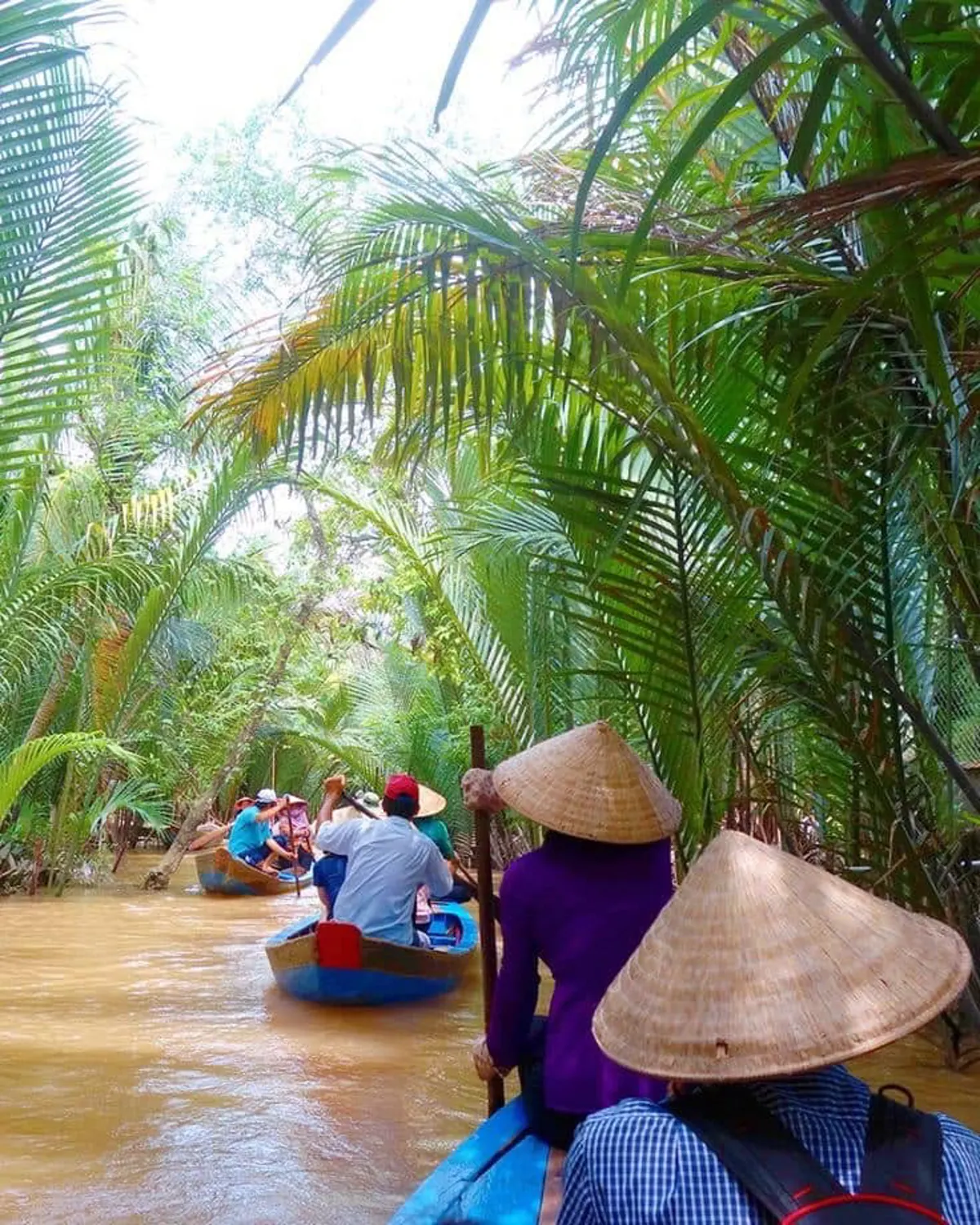
The Mekong Delta, a vast and fertile region in southern Vietnam, offers travelers a distinct experience characterized by its extensive waterways, agricultural landscapes, and rich cultural heritage. Located approximately two hours from Ho Chi Minh City, this area invites visitors to explore its rice paddies, coconut plantations, and mangrove forests. A four-day exploration allows for a comprehensive overview of its diverse offerings, from local culinary delights to historical sites.
Ben Tre: Coconut Groves and Riverine Exploration (Day 1)
Begin your Mekong Delta adventure in Ben Tre province, a location recognized for its abundant coconut production, situated about two hours from Ho Chi Minh City. Cycling provides an excellent method for navigating the area, with many accommodations offering complimentary bicycles to their guests. Start your morning by pedaling towards the coconut groves, passing the local Ben Tre Market and the Ben Tre River en route to a ferry dock. A brief ferry crossing transports you to Cu Lao Long, one of Ben Tre’s numerous islets, where shaded paths and occasional cafes await. Consider a stop for a refreshing Vietnamese iced coffee (ca phe sua da) before continuing your exploration. Ferries also provide access to other islets, some offering organized activities, while those along the Ham Luong River present a glimpse into daily local life.
For lunch, Ben Tre presents a variety of dishes featuring coconut, such as creamy coconut rice, shrimp cooked in coconut milk, and củ hủ dừa, a light salad prepared with coconut hearts. In the afternoon, visit one of the many coconut candy factories in the region; Ben Tre is home to over 300 such establishments. These factories produce soft, chewy coconut sweets popular both domestically and internationally. A factory tour offers insight into the production process, culminating in a tasting of the original Ben Tre coconut candy, a simple blend of coconut milk and sugar. Conclude your day with a bowl of hủ tiếu for dinner, a Mekong Delta staple comprising hot rice noodles, pork, shrimp, and a quail egg, typically served with lime and fresh cilantro.
Tra Vinh: Khmer Culture and Town Life (Day 2)
On your second day, travel by car or bus from Ben Tre to Tra Vinh City, a journey best undertaken in the early morning. Tra Vinh is often noted for its pleasant appearance, characterized by tree-lined streets, traditional houses, and surrounding rice paddies. After settling in, take a walk through Tra Vinh City, observing its blend of historical and contemporary elements. The city’s wet market and the Long Binh river retain much of their original character despite recent development. A stroll along the river allows views of local fishermen, while the market offers an opportunity to admire local produce and try snacks like bánh tét trà cuôn, a steamed sticky rice cake with banana or mung bean filling. The city center features modern bubble tea and coffee shops alongside traditional sidewalk cafes and food stalls. For lunch, choose any stall that appeals to you; for those seeking a more adventurous option, bánh canh Bến Có offers round rice noodles in a clear broth with pork, liver, and other cuts.
The afternoon is dedicated to exploring Tra Vinh’s rich history and cultural landscape. The province is home to 140 ornate temples constructed by Vietnam’s Khmer Krom ethnic group, who constitute approximately 31 percent of Tra Vinh’s population. These temples contribute significantly to the region's unique charm. Visit Kom Pong Chrai Pagoda, also known as Hang Pagoda, located about 6 kilometers from the city. This pagoda is recognized for its intricate wooden sculptures crafted by resident monks, some reaching ceiling height. Visitors who remain until dusk may witness flocks of storks taking flight. Finish the day with a hearty bánh mì from local vendors; the regional favorite, bánh mì phá lấu, contains a variety of meats served with a rich, sweet sauce. After dinner, consider relaxing at a cafe along Pham Ngu Lao street or joining families for an evening walk in Deja Vu Huynh Kha Eco Park.
Lakes, Pagodas, and Can Tho City (Day 3)
Before departing Tra Vinh, a visit to Ao Ba Om is recommended. This square, artificial lake is surrounded by mature trees, picnic areas, and coffee stalls. Local legends suggest the lake was excavated centuries ago by Khmer women in a competition to secure the right to choose their spouses. Today, Ao Ba Om is a tranquil setting adorned with lotus flowers and frequented by dragonflies. Enjoy the peaceful atmosphere with an iced coffee. Afterwards, explore Ang Pagoda, one of Tra Vinh’s most impressive Khmer structures, and the Khmer Cultural Museum located directly across the street, which provides further insight into Khmer Krom history and traditions. For lunch, seek out bún nước lèo, a renowned Tra Vinh specialty. This flavorful rice noodle soup features a broth made from freshwater fish, herbs, and shredded banana flower, often accompanied by fried spring rolls and steamed pork for a complete local meal.
In the afternoon, transfer by car or bus to Can Tho province, a journey of approximately three hours. Can Tho is a well-established destination for visitors, offering numerous activities. Upon arrival, take a walk through Can Tho town. Visit Ong Pagoda, which was built in the late 19th century by descendants of Chinese immigrants. Inside, the entrance hall is dimly lit, filled with the spicy scent of incense. Conical coils of burning incense hang from the rafters, and the entire temple is decorated in deep red hues. For dinner, explore the many restaurants in downtown Can Tho, known for fresh seafood and traditional Mekong-style cooking. Try can chua, a hot and sour soup native to the region, prepared with fish or shrimp, pineapple, tomato, sprouts, and elephant ear stems. Before retiring for the evening, arrange a boat tour for the following morning.
Can Tho's Floating Markets and Riverine Farewell (Day 4)
Your final day in the Mekong Delta begins early at the Cai Rang floating market, the largest wholesale floating market in the Delta, operating from early morning until midday. Plan to depart Can Tho around 5 AM for the 30-minute journey to Cai Rang, where the river comes alive with wide wooden boats laden with fruits and vegetables. Vendors display samples of their goods on long poles at the front of their vessels to attract customers. Smaller boats navigate between the larger ones, offering breakfast noodles and coffee. After experiencing the floating market, continue your morning river journey by cruising through smaller tributaries to observe local life along the water. Back in Can Tho, find a spot for lunch to try nem nướng Cái Răng. These skewers of lean pork are grilled over charcoal and served with peanut sauce, herbs, pickles, and bánh hỏi, which are delicate bundles of vermicelli noodles topped with sautéed garlic.
Spend a relaxed afternoon exploring Can Tho town, browsing for souvenirs, and walking along the lively promenade of Ninh Kieu Park. For your last evening in the Delta, consider a dinner cruise. TransMekong’s Mystic Sampan offers a gentle river excursion around the perimeter of Can Tho city. Enjoy views of the city lights while dining on Vietnamese mango salad, grilled sea bass, chicken with lemongrass, and other freshly prepared dishes, providing a fitting conclusion to your Mekong exploration.
Navigating the Mekong Delta: Transport Options
Traveling within the Mekong Delta offers several options, each suited to different preferences and budgets. Understanding these choices can help plan your distinct towns efficiently.
- Chartered Bus: For deeper exploration into the Delta, commercial bus companies offer online booking. For example, a ticket to Ben Tre with Thao Chau Express was VND75,000 per person at the time of the source publication. Prices should be verified prior to travel.
- Local Bus: Local bus networks connect most provinces within the Mekong Delta to each other and to Mien Tay Bus Station in Ho Chi Minh City. These services are generally more economical than chartered options. For information on travel between Ben Tre and Can Tho, local buses are a viable choice.
- Taxi: Taxis are available in the Mekong Delta. It is advisable to ensure the meter is used upon entering the vehicle.
- Xe Om (Motorcycle Taxi): Motorcycle taxis are common. Always agree on the fare before starting your journey.
- Bicycle: Cycling is a pleasant way to experience the Mekong Delta's landscapes. Inquire with your accommodation about bicycle rental availability in the area.
- Motorbike: Motorbike tours offer an extensive way to see the region. Always wear a quality helmet and remain aware of larger vehicles like trucks.
Key Venues and Eateries Mentioned
While specific addresses and phone numbers for many local establishments were not provided in the source material, here is a list of named places and recommended dishes to seek out during your visit:
- Ben Tre Market: Local market for produce and goods in Ben Tre.
- Ben Tre River: Major waterway in Ben Tre, good for cycling alongside.
- Cu Lao Long: An islet in Ben Tre, accessible by ferry, known for shaded paths and cafes.
- Ham Luong River: Features islets offering authentic local life experiences.
- Coconut Candy Factories: Over 300 in Ben Tre, offering tours and tastings.
- Kom Pong Chrai Pagoda (Hang Pagoda): Located 6km from Tra Vinh City, known for elaborate wooden sculptures and storks at dusk.
- Tra Vinh Wet Market: A traditional market in Tra Vinh City for local produce and snacks.
- Long Binh River: River in Tra Vinh City, where fishermen can be observed.
- Ao Ba Om: A square, man-made lake in Tra Vinh, surrounded by trees, picnic areas, and cafes.
- Ang Pagoda: An impressive Khmer structure in Tra Vinh, near Ao Ba Om.
- Khmer Cultural Museum: Located across from Ang Pagoda in Tra Vinh, offering insights into Khmer Krom culture.
- Ong Pagoda: In Can Tho, built in the late 19th century by Chinese descendants, known for its red interior and incense coils.
- Cai Rang Floating Market: Largest wholesale floating market in the Delta, operating from early morning (around 5 AM) until midday, 30-minute boat ride from Can Tho.
- Ninh Kieu Park: Promenade in Can Tho town, suitable for evening strolls and souvenir shopping.
- TransMekong’s Mystic Sampan: A dinner cruise service in Can Tho.
Recommended Dishes:
- Ben Tre: Coconut rice, coconut-braised shrimp, củ hủ dừa (coconut heart salad), hủ tiếu (rice noodle soup).
- Tra Vinh: Bánh tét trà cuôn (steamed sticky rice cake), bánh canh Bến Có (round rice noodle soup), bánh mì phá lấu (pork offal sandwich), bún nước lèo (fish noodle soup).
- Can Tho: Can chua (hot and sour soup), nem nướng Cái Răng (grilled pork skewers). For more about popular Vietnamese snacks, explore further.
Frequently Asked Questions
How long does it take to reach the Mekong Delta from Ho Chi Minh City?
The Mekong Delta region is quite extensive, but its closest provinces, such as Ben Tre, are typically accessible within approximately two hours by road from Ho Chi Minh City. Travel times will vary depending on the specific destination within the Delta and traffic conditions.
What are the main culinary specialties of the Mekong Delta?
The Mekong Delta is renowned for its fresh ingredients and unique dishes. Key specialties include coconut-infused dishes in Ben Tre, various noodle soups like hủ tiếu and bún nước lèo, and savory snacks such as bánh tét trà cuôn. Seafood and freshwater fish are also prominent in the local diet, often prepared in dishes like can chua (hot and sour soup).
Is it possible to explore the Mekong Delta independently?
Yes, exploring the Mekong Delta independently is feasible. Public transport options like local and chartered buses connect major towns, and bicycles or motorbikes can be rented for local travel. However, for river-based attractions like floating markets, booking a local boat tour is generally necessary. Understanding the Mekong Delta's climate can also help in planning an independent trip.
What cultural experiences can be found in the Mekong Delta?
The Mekong Delta offers a rich array of cultural experiences, particularly reflecting its diverse ethnic populations. In provinces like Tra Vinh, visitors can explore numerous ornate Khmer temples and learn about Khmer Krom culture at local museums. Observing daily life along the rivers, visiting traditional markets, and touring craft factories (like coconut candy production in Ben Tre) also provide significant cultural insights.






