
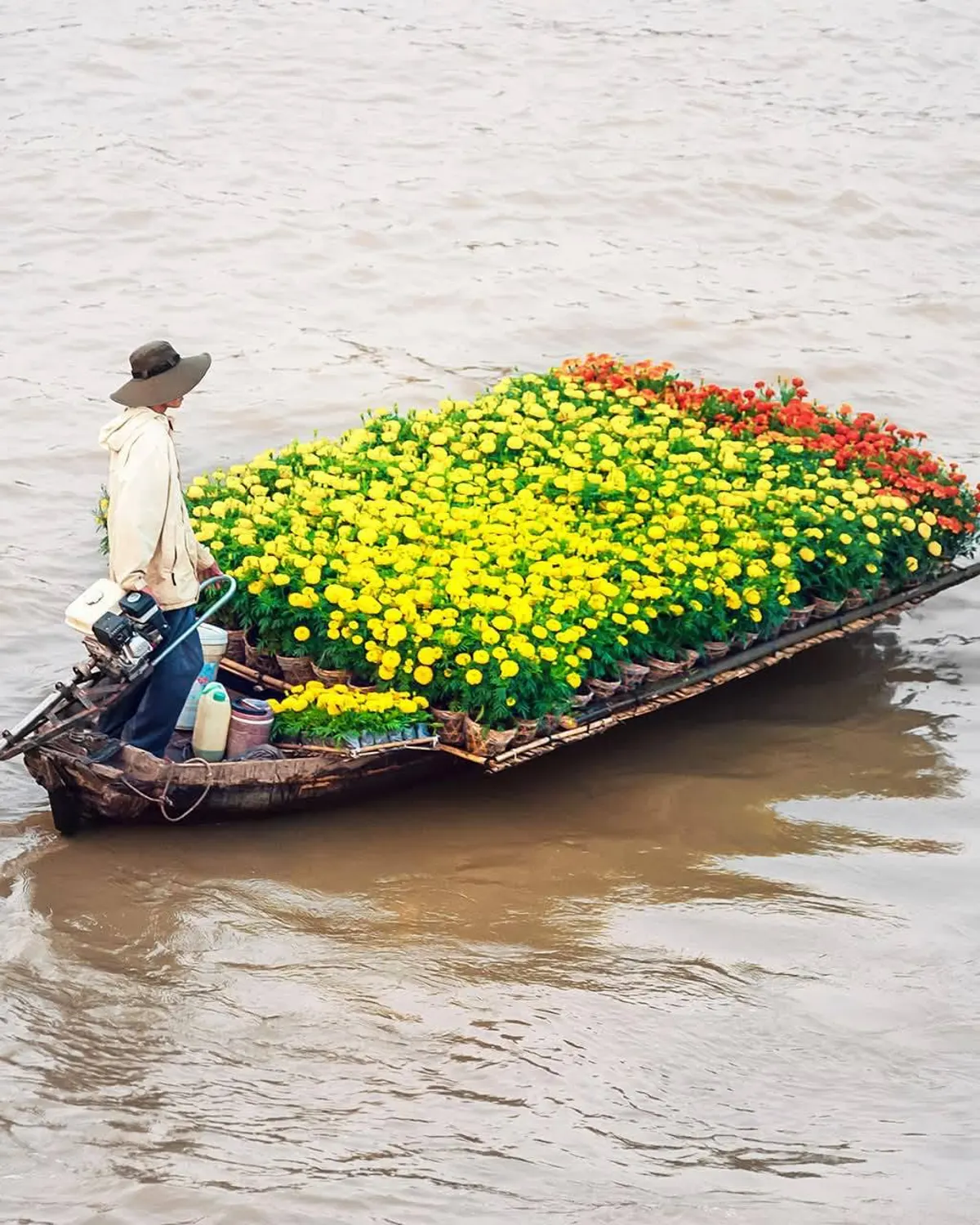
The Mekong Delta, an expansive agricultural region covering approximately 40,000 square kilometers, is home to about 20% of Vietnam's population. This area is characterized by its tranquil rural landscapes and the welcoming demeanor of its inhabitants. For those considering a trip to this part of Vietnam, understanding the local climate is essential for effective planning.
The region experiences a tropical, sub-equatorial climate, which significantly influences travel conditions throughout the year. Visitors often seek information on weather patterns to determine the most suitable period for their activities, from exploring waterways to enjoying local produce. This guide offers detailed insights into the Mekong Delta's weather and temperature variations across its distinct seasons.
Understanding the Mekong Delta's Climate
Situated adjacent to Southeast Vietnam, the Mekong Delta shares a similar climatic profile with the southern parts of the country. Its climate is classified as humid tropical and sub-equatorial. Throughout the year, average temperatures generally fluctuate between 23°C and 34°C. Notably, there is minimal difference between daytime and nighttime temperatures, and the region rarely experiences severe storms or typhoons.
The year in the Mekong Delta is divided into two primary seasons: the dry period and the wet period. The dry season typically extends from November through April, marked by very little, if any, rainfall. Conversely, the wet season runs from May to November, during which approximately ninety percent of the annual precipitation occurs. These climatic conditions are favorable for both agricultural development and tourism activities in the area.
The Dry Season: November to April
The dry season in the Mekong Delta spans from November to April, offering generally pleasant weather conditions. During these months, the sky is often clear and blue, the vegetation appears lush, and the rivers flow calmly. This period is widely considered the most favorable for experiencing the region's serene landscapes without concerns about rain.
However, it is worth noting that during the drier months, some rivers may have lower water levels, potentially making navigation more challenging for boats, especially in more secluded areas. This could limit access to certain remote locations. Despite this, the dry season remains a popular time for visitors due to the agreeable weather, which supports a wide range of outdoor activities.
The Wet Season: May to October
From May to October, the Mekong Delta experiences its wet season. Rainfall during this period typically occurs in the afternoons and usually lasts for about an hour, meaning it often does not significantly disrupt travel plans. The initial months of the wet season are also the warmest of the year, accompanied by elevated humidity levels that some visitors might find uncomfortable.
This period is generally considered the less busy time for tourism in the Mekong Delta. However, the summer months within this season are particularly advantageous for enjoying locally grown fresh fruits, such as dragon fruits and mangoes. Additionally, fishing activities are often reported to be more productive during these months due to higher water levels.
Monthly Weather Breakdown for the Mekong Delta
Understanding the monthly variations can help tailor a visit to specific preferences.
- January: This is typically the coolest month, with an average temperature of 29°C and minimal rainfall. January often sees the highest number of tourists.
- February: Average temperatures are around 31°C, accompanied by a gentle breeze. This month marks the conclusion of the flower season, offering a chance to witness floral displays before the onset of heavier rains.
- March: The average temperature rises to 33°C. March is noted as the least humid month, with relative humidity around 68.2%.
- April: This is the hottest month, with average temperatures exceeding 34°C. Rainfall is exceptionally rare, perhaps occurring only twice throughout the month.
- May: As the second hottest month, May sees average temperatures of 34°C. Occasional rain showers may occur, estimated around three times during the month.
- June: The average temperature decreases slightly to 32°C. There is an increased likelihood of rain compared to the preceding two months. June, along with July and August, marks the peak fruit season in the Mekong Delta, allowing visitors to explore ripening orchards and taste various fresh fruits.
- July: The weather becomes more comfortable, with an average temperature of 31°C. Rainfall increases, estimated at about five times per month, making July the wettest month. Stronger winds also contribute to a more pleasant feel, though it remains one of the busier months for tourism.
- August: This is the windiest month, with an average wind speed of approximately 9.4 knots. Cooler winds and rains help alleviate the average temperature of 32°C. Fewer tourists typically visit in August, which may lead to more favorable pricing for accommodations and services.
- September: September is the most humid month in the Mekong Delta, with relative humidity reaching 80.6%. The average temperature remains consistent with August, at 32°C.
- October: This month continues the wet season, with frequent rain and thunderstorms expected. The average temperature remains relatively high at 31°C.
- November: Marking the final month of the flooding season, November has an average temperature of 32°C. While higher water levels can pose challenges for farmers, they also create excellent conditions for catching fish and shrimp. Visitors can experience unique scenery at locations like Cai Rang floating market or Thoi Son islet in My Tho during this period.
- December: With an average temperature of 29°C, December brings dry weather and calm waters. The region becomes adorned with colorful flowers. This is an excellent time to visit renowned flower villages such as Sa Dec in Dong Thap province, Cai Mon in Ben Tre province, or My Tho in Tien Giang province.
Optimal Periods for a Mekong Delta Journey
The most favorable period for experiencing agreeable weather in the Mekong Delta is generally considered to be between September and November. This timeframe coincides with the 'floating season,' when water from the upper Mekong River flows into the Dong Thap and An Giang provinces, leading to higher water levels. During these months, the weather is comfortable, and rainfall is minimal, allowing for various outdoor pursuits such as cycling through the countryside, engaging with local communities, participating in cooking classes, and fishing.
Beyond the floating season, the summer months of June, July, and August also present an excellent opportunity to visit the region. This period is known as the fruit season, offering visitors the chance to tour fruit orchards and sample a wide array of fresh produce, including durian, mango, tangerine, and grapefruit. Planning your trip around these seasonal highlights can enhance your experience of the Mekong Delta.
Key Locations and Experiences by Season
The Mekong Delta offers specific attractions that are particularly appealing during certain times of the year. While detailed addresses, phone numbers, operating hours, and booking information were not provided in the source material, these locations are central to the regional experience:
- Cai Rang Floating Market: This prominent market is especially engaging during the November flooding season, when the higher water levels create a dynamic environment for trade and exploration.
- Thoi Son Islet (My Tho): Also during November, the islet offers unique views of the flood-affected landscape, providing a different perspective on rural life.
- Sa Dec Flower Village (Dong Thap): In December, this village becomes a focal point for vibrant floral displays, attracting visitors keen to observe the local flower cultivation.
- Cai Mon Flower Village (Ben Tre): Similar to Sa Dec, Cai Mon is celebrated in December for its extensive flower gardens and nurseries.
- My Tho Flower Village (Tien Giang): Another destination for flower enthusiasts in December, showcasing the region's horticultural traditions.
These locations provide distinct experiences tied to the seasonal rhythms of the Mekong Delta, from agricultural cycles to cultural celebrations.
Frequently Asked Questions
What are the main seasons in the Mekong Delta?
The Mekong Delta has two primary seasons: the dry season, which runs from November to April, and the wet season, which extends from May to November. Each season offers distinct weather patterns and travel experiences.
How long does rain typically last during the wet season?
During the wet season, rainfall usually occurs in the afternoons and generally lasts for about an hour. This means that while rain is frequent, it often does not significantly impede daily activities or travel plans.
Is the Mekong Delta crowded year-round?
January and July are typically noted as busy months for tourism in the Mekong Delta. Conversely, the wet season, particularly August, is often considered a less crowded period, potentially offering a quieter experience and more favorable pricing.
What activities are recommended during the floating season?
The floating season, from September to November, is ideal for outdoor activities such as cycling through rural areas, interacting with local residents, participating in cooking classes, and fishing. The comfortable weather and lower rainfall during this period support these pursuits.
Which months are best for enjoying local fruits?
The summer months of June, July, and August are considered the peak fruit season in the Mekong Delta. Visitors during this time can explore fruit gardens and sample a variety of fresh, locally grown produce like durian, mango, tangerine, and grapefruit. For broader travel insights within Vietnam, consider exploring essential souvenirs and unique purchases from a trip to Vietnam.








