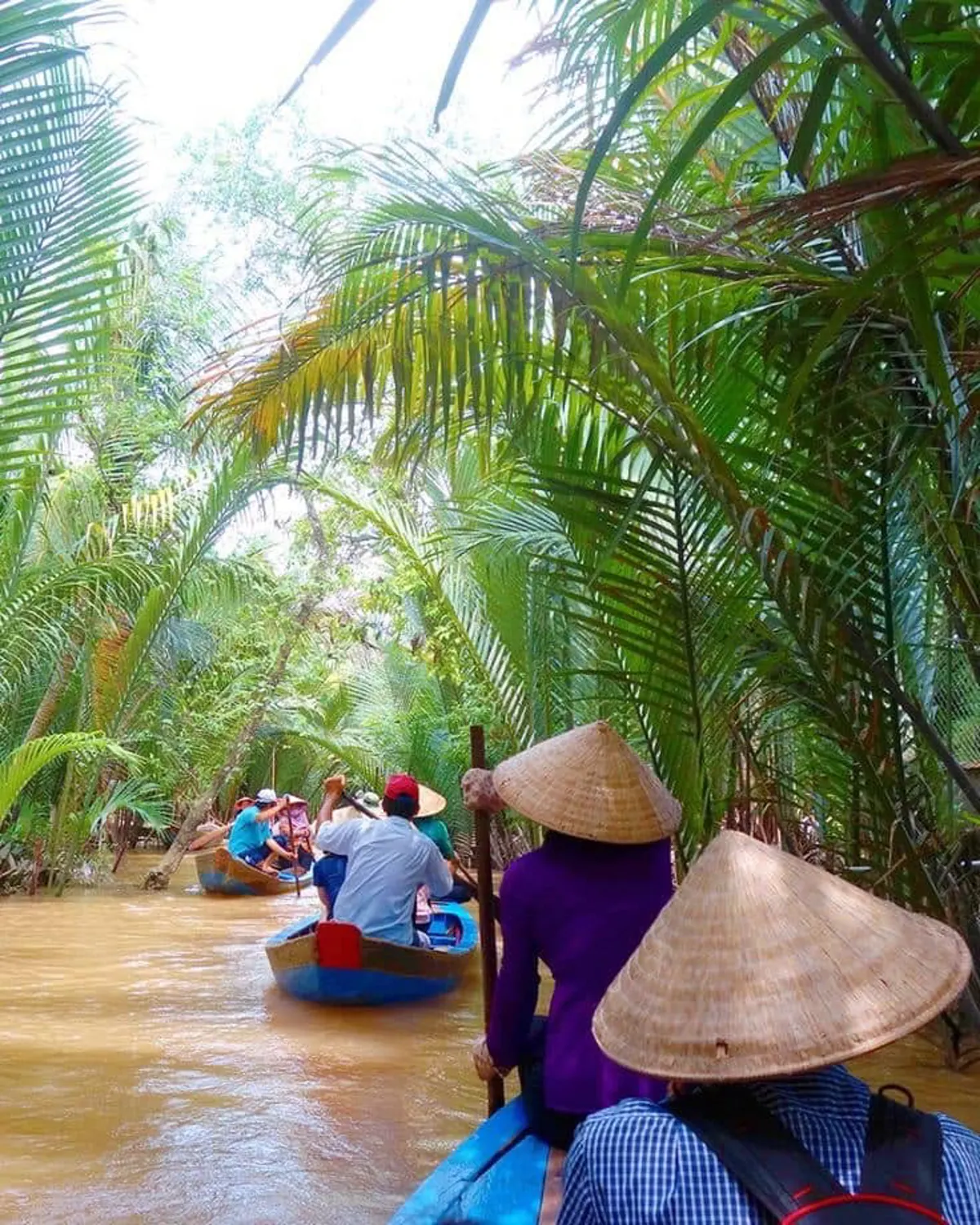
A five-day visit to Cambodia offers an opportunity to experience both its historical capital, Phnom Penh, and the ancient temple complexes near Siem Reap. This itinerary provides a structured approach to seeing the country's most significant cultural and historical landmarks within a limited timeframe. Travelers can expect to explore royal residences, historical monuments, and the renowned Angkorian architecture, gaining insight into the country's heritage and daily life.
Planning Your Five-Day Cambodian Adventure
A five-day itinerary in Cambodia typically begins with arrival in Phnom Penh, the nation's capital. This city serves as a gateway to understanding Cambodia's recent history and its contemporary urban character. Upon landing at Phnom Penh airport, visitors are usually met by a local representative and transferred to their accommodation in the city center. It is important to note that hotel rooms are generally prepared for check-in after 2:00 PM. Guests requiring an earlier check-in should arrange this in advance with their accommodation provider.
Following an initial exploration of Phnom Penh, the journey continues northward to Siem Reap, the provincial capital and primary access point for the Angkor Archaeological Park. This transition allows travelers to experience both the administrative and historical facets of Cambodia. The itinerary balances structured tours of major attractions with opportunities for independent discovery, ensuring a comprehensive yet manageable experience within the five-day period.
Exploring Phnom Penh: History and Heritage
The second day of the itinerary is dedicated to discovering Phnom Penh, a city once referred to as the 'Paris of the East'. A morning tour typically covers several key historical and cultural sites. After breakfast, a guide will collect visitors from their hotel lobby to commence the exploration. Stops often include the Independence Monument, which commemorates Cambodia's liberation, and the extensive Royal Palace compound, home to the official residence of the King of Cambodia. Within the palace grounds, visitors can find the Silver Pagoda, also known as the Temple of the Emerald Buddha, notable for its floor composed of over 5,000 silver tiles.
Further points of interest include the National Museum, which houses a collection of Khmer art, including sculptures from the Angkorian era. The morning concludes at Wat Phnom, the sole elevated point in the city, featuring a sacred Buddhist temple at its summit. From this vantage point, visitors can observe views of the surrounding urban landscape. For those interested in the local culinary scene, Phnom Penh offers a diverse array of dining options, from traditional Khmer dishes to international cuisine, providing a chance to sample local flavors. You can learn more about dining options in Phnom Penh.
Journey to Siem Reap and Evening Activities
In the afternoon of day two, the itinerary involves traveling from Phnom Penh to Siem Reap. This transfer is typically conducted via a bus service, departing from a designated bus station, such as the Mekong Bus station. The journey spans approximately six hours, offering travelers views of Cambodia's rural landscapes along the way. During the bus ride, there is usually a stop at a roadside establishment, like Arunras Restaurant, which provides facilities for restrooms and an opportunity to purchase meals or snacks.
Upon arrival at the Borei Seang Nam station in Siem Reap, a local guide greets visitors and facilitates the transfer to their hotel in the city center. The remainder of the day is often left open for personal exploration and relaxation. Siem Reap provides various options for evening entertainment and leisure, including browsing the day and night markets for souvenirs and local crafts, enjoying traditional Khmer massage or spa treatments, or sampling the offerings of numerous cafes and restaurants. Some establishments even offer unique experiences like fish massage, allowing visitors to unwind and prepare for the extensive temple explorations scheduled for the following day.
The Grandeur of Angkor Wat Complex
Day three is dedicated to a comprehensive exploration of the Angkor Archaeological Park, a UNESCO World Heritage site. A knowledgeable guide typically accompanies visitors, providing historical context and details about the architectural features of the temples. The morning often begins with a visit to Ta Prohm Temple, known for its atmospheric integration with nature. Here, massive fig tree roots and large creepers intertwine with the stone structures, creating a distinctive and ancient appearance. This site gained additional recognition as a filming location for a well-known Hollywood movie.
Following Ta Prohm, the tour proceeds to the ancient city of Angkor Thom. Entry is typically through the South Gate, which leads to several significant structures within the complex. Highlights include the Bayon Temple, distinguished by its 54 towers adorned with over 200 smiling faces of Avalokitesvara. Other notable sites within Angkor Thom are the Phimeanakas, the Royal Enclosure, the Elephants Terrace, and the Terrace of the Leper King, each offering unique insights into Khmer artistry and history.
The afternoon is reserved for visiting Angkor Wat, the most renowned temple within the complex and a national emblem of Cambodia. Spanning 200 hectares, this expansive rectangular temple showcases a blend of Khmer architectural styles, combining temple-mountain design with lengthy, narrow corridors. Its structure is thought to represent Mount Meru, a sacred mountain in Hindu mythology. The temple features a moat and a 3.6-kilometer-long wall, enclosing a three-story main hall connected by deep corridors. At its heart lies a complex of five towers, with a central tower surrounded by four corner towers. Unlike many other Angkorian temples, Angkor Wat faces west, a characteristic that continues to be a subject of scholarly discussion regarding its meaning. The temple is widely admired for its architectural scale, harmonious design, and the extensive, detailed sculptures and deities that decorate its stone surfaces. After concluding the visit to the Angkor complex, visitors are often transported to a restaurant, such as Amazon or Kulen II, to enjoy a buffet dinner accompanied by a traditional Khmer dance performance.
Leisure and Local Experiences in Siem Reap
Day four provides an opportunity for independent exploration and engagement with Siem Reap's local culture. Travelers can choose to enjoy the local street food scene, experience a traditional Khmer massage, or gain deeper cultural insight through a cooking class. Several optional half-day tours are also available for those seeking structured activities.
Two popular optional tours include a visit to Tonle Sap Lake and a Siem Reap cooking class. Tonle Sap Lake, recognized as the largest freshwater lake in Southeast Asia, supports a significant portion of the Cambodian population through aquaculture. A visit to the lake offers a chance to observe the tranquil environment, appreciate the natural scenery, and witness the daily lives of communities residing on its waters. Alternatively, the Siem Reap cooking class provides a hands-on experience in preparing celebrated Cambodian dishes, such as Nom banh chok (Khmer noodles), Bai sach chrouk (pork and rice), and Ang dtray meuk (grilled squid). Participants then have the opportunity to taste their creations, offering a direct connection to the local culinary traditions.
Departure from Cambodia
On the fifth day, following a comprehensive tour of Cambodia's key attractions, travelers are typically transferred to Siem Reap airport for their onward flight. For those wishing to extend their stay in Siem Reap or explore other parts of Cambodia, arrangements for additional accommodation or travel can often be made by contacting their travel provider in advance.
Key Locations and Experiences
| Location/Activity | Focus | Typical Duration | Experience Highlights |
|---|---|---|---|
| Independence Monument | National Heritage | Brief stop | Commemorates Cambodia's independence |
| Royal Palace & Silver Pagoda | Royal History, Architecture | Morning | Official residence, Temple of Emerald Buddha |
| National Museum | Khmer Art & History | Morning | Collection of Angkorian sculptures |
| Wat Phnom | Spiritual Site, City View | Brief stop | Temple on the city's only hill |
| Ta Prohm Temple | Ancient Temple, Nature | Morning | Roots intertwined with stone, 'Tomb Raider' site |
| Angkor Thom (Bayon, Terraces) | Ancient City, Sculpture | Morning | Smiling faces of Avalokitesvara, historical terraces |
| Angkor Wat | Iconic Temple, Architecture | Afternoon | National symbol, detailed bas-reliefs, grand scale |
| Tonle Sap Lake Tour (Optional) | Local Life, Nature | Half-day | Observe floating villages, aquaculture |
| Siem Reap Cooking Class (Optional) | Culinary Culture | Half-day | Learn traditional Cambodian dishes (Nom banh chok, Bai sach chrouk, Ang dtray meuk) |
| Buffet Dinner with Khmer Dance | Cultural Entertainment | Evening | Traditional performance (e.g., Amazon or Kulen II restaurant) |
Frequently Asked Questions
How long is the bus journey from Phnom Penh to Siem Reap?
The bus journey between Phnom Penh and Siem Reap typically takes approximately six hours. This travel time allows for a scenic route through Cambodia's rural areas and usually includes a stop for restrooms and refreshments.
What are the main temples to see in the Angkor complex?
The primary temples to visit within the Angkor complex include Angkor Wat, known as Cambodia's national symbol; Ta Prohm Temple, famous for its integration with jungle foliage; and the ancient city of Angkor Thom, which encompasses Bayon Temple with its distinctive smiling faces, as well as the Elephants Terrace and the Terrace of the Leper King.
Can I extend my stay in Cambodia beyond five days?
Yes, it is generally possible to extend your visit to Cambodia beyond the five-day itinerary. If you wish to spend more time in Siem Reap or explore other regions, it is advisable to contact your travel provider as early as possible to arrange additional accommodation and travel plans.
What cultural experiences are available in Siem Reap?
Siem Reap offers a variety of cultural experiences, including exploring local day and night markets, indulging in traditional Khmer massages and spa treatments, and participating in cooking classes to learn about Cambodian cuisine. Optional tours to Tonle Sap Lake also provide insight into local life and aquaculture.
Is an early hotel check-in possible in Phnom Penh?
Hotel rooms in Phnom Penh are typically ready for check-in after 2:00 PM. If you require an earlier check-in, it is recommended to contact your hotel or travel provider in advance to make the necessary arrangements, as this may depend on room availability and incur additional charges.