
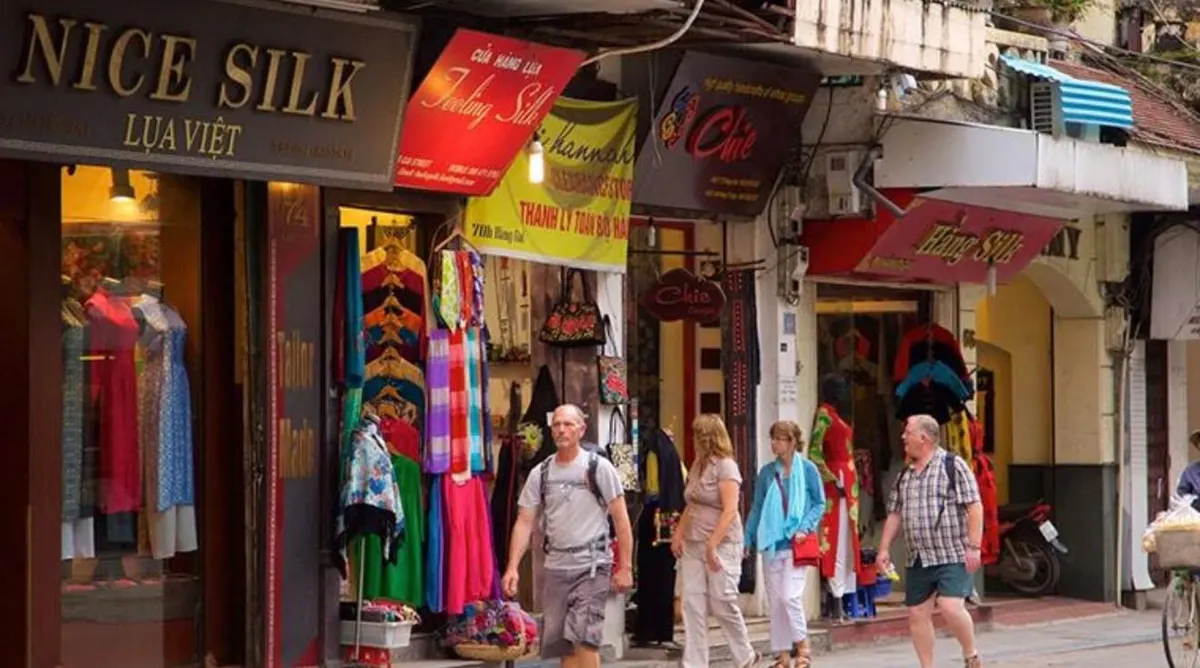
Choosing where to stay in Hanoi can significantly shape your experience of Vietnam's capital. The Old Quarter, with its distinctive character and central location, presents numerous compelling accommodation choices. This area allows guests to easily access historical sites, local markets, and a wide array of dining establishments, making it a practical base for exploration.
Hotels within the Old Quarter range from economical guesthouses to opulent luxury properties, each offering a distinct atmosphere. Many properties reflect the city's rich past, often incorporating elements of French colonial architecture alongside traditional Vietnamese design. This guide provides an overview of notable hotels in the Old Quarter, detailing their features and locations to assist in your selection.
Why Choose Hanoi's Old Quarter for Your Accommodation?
Hanoi's Old Quarter is renowned for its authentic atmosphere, characterized by narrow streets, historic buildings, and a lively local culture. The district's layout, traditionally organized by specific trades on its approximately 36 streets, offers a glimpse into Hanoi's heritage. Visitors can observe daily life unfold, from street food vendors preparing local delicacies to artisans crafting traditional goods. This area provides a concentrated experience of Hanoi's cultural identity.
Staying in the Old Quarter means proximity to many of Hanoi's key attractions. Hoan Kiem Lake, St. Joseph's Cathedral, and the Thang Long Water Puppet Theatre are often just a short walk away. The convenience of having major points of interest, diverse eateries, and local shops within easy reach makes the Old Quarter a preferred choice for many travelers. Transportation options like ride-sharing motorbikes or traditional cyclos are readily available and typically affordable for navigating the city from this central hub.
Featured Hotels in Hanoi's Old Quarter
The Old Quarter hosts a variety of hotels, each offering different amenities and styles to suit diverse preferences. From established luxury names to newer boutique properties, visitors can find options that align with their travel plans and budget considerations. The following establishments are recognized for their service quality, facilities, and guest satisfaction.
| Hotel Name | Address | Key Features & Style | Notes |
|---|---|---|---|
| Conifer Grand Hanoi Hotel | 42 Tho Xuong Street, Hang Trong, Hoan Kiem, Hanoi | Eastern & Western hospitality, elegant interiors, comfortable rooms. | Located in an alley known for street food; good for budget-conscious travelers. |
| La Siesta Central Hotel & Spa | 1 Cau Go Street, Hoan Kiem, Hanoi | Colonial style, dark-wood, black-and-white tiles, wrought-iron, balconies. | Many rooms overlook Hoan Kiem Lake; features Red Bean restaurant and a spa. |
| The Chi Boutique Hotel | 13 Nha Chung Street, Hoan Kiem District, Hanoi | Contemporary style, lotus artwork, spacious bathrooms, private balconies in suites. | Opened in 2017; near St. Joseph’s Cathedral; Vietnamese-Cantonese restaurant, rooftop lounge. |
| The Oriental Jade Hotel | 52 – 54 Hang Trong Street, Hoan Kiem District, Hanoi | Contemporary design, classic decor, modern furnishings, premium rooms/suites. | Newer 5-star property; views of Hoan Kiem Lake, Cathedral, Old Quarter; O’Spa Lotus, Thang Long Signature restaurant, Sixteen Sky Bar, rooftop pool. |
| Apricot Hanoi Hotel | 136 Hang Trong Street, Hoan Kiem District, Hanoi | Neo-classical design with Vietnamese artistic touches, art-focused. | Steps from Hoan Kiem Lake; rooftop pool with bar; 123 rooms. |
| Hotel de l’Opera | 29 Trang Tien Street, Hoan Kiem District, Hanoi | French colonial architecture, operatic interior, high ceilings, silk drapes. | Near Hanoi Opera House; recognized as a top boutique hotel in Asia (2015); year-round pool, Sante Spa, acclaimed restaurant. |
| Sofitel Legend Metropole Hanoi Hotel | 15 Ngo Quyen Street, Hoan Kiem District, Hanoi | Over a century old, Indo-French atmosphere, vintage furniture, silk tapestries. | Historic landmark; near Opera House & St. Joseph’s Cathedral; multiple restaurants (Le Beaulie, Bamboo Bar); hosted notable figures. |
Conifer Grand Hanoi Hotel
The Conifer Grand Hanoi Hotel is situated within the Old Quarter, a short walk from St. Joseph’s Cathedral. While its location in a smaller alley might require a bit of navigation initially, this area is well-known for local street food vendors, offering an authentic glimpse into daily Hanoi life. The hotel combines Eastern and Western hospitality within an elegant setting, providing comfortable and well-appointed rooms. For travelers seeking a pleasant stay while managing their budget, this hotel presents a suitable option.
La Siesta Central Hotel & Spa
Positioned as a mid-range accommodation, the La Siesta Central Hotel & Spa offers a balance between larger luxury properties and more modest guesthouses. The hotel features five floors with 27 guestrooms, including 19 that provide views of Hoan Kiem Lake. Guests can enjoy Vietnamese cuisine at the hotel’s Red Bean restaurant and indulge in local therapies at its wellness spa. The building itself exhibits a colonial architectural style, with dark-wood paneling, patterned tiles, wrought-iron elements, and classic artwork throughout its interiors. The staff are frequently noted for their attentive service.
The Chi Boutique Hotel
Opened in 2017, The Chi Boutique Hotel is conveniently located a few minutes' walk from Hanoi’s St. Joseph’s Cathedral. This hotel caters to travelers with a mid-range budget, offering 42 guestrooms, each featuring spacious en-suite bathrooms. The interior design blends contemporary aesthetics with traditional Vietnamese elements, such as dark wooden furnishings and lotus-inspired artwork. Suite rooms include private balconies that offer views of St. Joseph’s Cathedral. Dining options include a Vietnamese-Cantonese fusion restaurant and a rooftop Garden Sky Lounge for drinks and socializing.
The Oriental Jade Hotel
Among the newer five-star boutique hotels in Hanoi’s Old Quarter, The Oriental Jade Hotel provides 120 premium rooms and suites. Many accommodations offer expansive views of Hoan Kiem Lake, Hanoi Cathedral, and the Old Quarter. The hotel’s design is contemporary, featuring stylish amenities and a blend of classic decor with modern furnishings for guest comfort. Facilities include O’Spa Lotus, offering locally inspired treatments, and Thang Long Signature restaurant, which serves a range of Vietnamese and Western dishes. The Sixteen Sky Bar provides views of the Sword Lake, and a rooftop pool, complete with a poolside bar, offers a refreshing escape.
Apricot Hanoi Hotel
Situated just steps from Hoan Kiem Lake, the Apricot Hotel offers impressive views from its rooftop swimming pool and select guest rooms. The hotel emphasizes Vietnamese art, culture, and heritage, evident in its refined dining options and stylish rooftop bar. The design is neo-classical with distinct Vietnamese artistic touches, creating an inviting atmosphere across its 123 rooms. Guests can experience a journey through local artistry, complemented by bespoke services and a refreshing rooftop pool area.
Hotel de l’Opera
As its name suggests, Hotel de l’Opera is positioned very close to the Hanoi Opera House. This five-star boutique hotel showcases French colonial architecture and an operatic interior theme. It received recognition as one of the Best Boutique Hotels in Asia in 2015 by SmartTravelAsia readers. The interior features high ceilings, silk drapes, classic furnishings, and a dramatic use of color. Downstairs, designer boutiques like Max Mara, Prada, and Louis Vuitton are present. The hotel’s 107 guestrooms and suites offer luxurious wood floors, fine linens, and large en-suite bathrooms, with four l’Opera Grand Suites providing direct views of the Opera House. Amenities include a year-round pool, Sante Spa for treatments, and an acclaimed restaurant.
Sofitel Legend Metropole Hanoi Hotel
The Sofitel Legend Metropole Hanoi Hotel, a landmark over a century old, is located near the Hanoi Opera House and St. Joseph’s Cathedral. Historically, it served as the official residence for the French Governor of Tonkin. The hotel has undergone renovations to preserve its historic charm while integrating modern five-star facilities. Its elegant rooms maintain an Indo-French ambiance with vintage furniture, silk tapestries, green shutters, and original wrought-iron details. Across its historical and modern wings, the hotel offers 364 rooms. Dining options include Le Beaulie, noted as Hanoi’s first French restaurant, a Vietnamese dining room, and the romantic Bamboo Bar by the pool in a lush courtyard. Over its long history, the hotel has hosted numerous celebrities, politicians, and literary figures, including Charlie Chaplin and Graham Greene. Notably, the hotel served as a meeting location for U.S. President Trump and North Korea’s Kim Jong Un.
Choosing the Right Hotel for Your Trip
When selecting a hotel in Hanoi's Old Quarter, consider your priorities. If budget is a primary concern, options like Conifer Grand Hanoi Hotel provide comfort without excessive cost. For those seeking a balance of quality and value, La Siesta Central Hotel & Spa or The Chi Boutique Hotel offer excellent facilities and service. Travelers desiring a luxurious experience with extensive amenities might prefer The Oriental Jade Hotel, Apricot Hanoi Hotel, Hotel de l’Opera, or the historic Sofitel Legend Metropole Hanoi Hotel.
Think about the specific atmosphere you prefer. Some hotels lean into Hanoi's colonial past, while others present a more contemporary Vietnamese style. Proximity to certain attractions, such as Hoan Kiem Lake or St. Joseph's Cathedral, might also influence your decision. Many establishments offer unique features like rooftop pools, spas, or acclaimed restaurants, which can enhance your stay. Before finalizing your booking, it's advisable to verify current details and guest reviews.
Navigating Hanoi from the Old Quarter
Staying in the Old Quarter provides a strategic starting point for exploring Hanoi and beyond. The area itself is best explored on foot, allowing you to appreciate the intricate streetscapes and local businesses. For longer distances within the city, ride-sharing services like Grab (for motorbikes or cars) are widely available and offer a convenient way to travel. Traditional cyclos also provide a unique, leisurely way to see the sights.
From the Old Quarter, you can easily plan excursions to other significant Vietnamese destinations. Day trips to places like Halong Bay are popular, offering opportunities to explore its beautiful beaches and limestone karsts. For those interested in mountain landscapes, Sapa is accessible via overnight train or bus, where you can ascend Mount Fansipan by cable car. When planning your finances for your trip, understanding banking services in Hanoi can be helpful. Additionally, the Old Quarter is an excellent place to find essential souvenirs and unique purchases to remember your trip.
Frequently Asked Questions
What types of hotels are available in Hanoi's Old Quarter?
Hanoi's Old Quarter offers a diverse range of accommodations, including budget-friendly guesthouses, charming boutique hotels, and luxurious five-star establishments. Many incorporate elements of French colonial architecture and traditional Vietnamese design.
Are hotels in the Old Quarter generally expensive?
The Old Quarter provides options for various budgets. While luxury hotels are available, there are also numerous mid-range and economical choices that offer good value and comfort, particularly for those mindful of their spending.
Is the Old Quarter a good area for first-time visitors to Hanoi?
Yes, the Old Quarter is highly recommended for first-time visitors due to its central location, proximity to major attractions, and authentic cultural atmosphere. It offers easy access to historical sites, dining, and local experiences.
How can I travel around Hanoi from the Old Quarter?
The Old Quarter itself is walkable. For longer distances, ride-sharing services like Grab (motorbike or car) are readily available and affordable. Traditional cyclos also offer a unique way to explore the city at a slower pace.
Do hotels in the Old Quarter offer dining options?
Many hotels in the Old Quarter feature on-site restaurants and bars, ranging from casual eateries to fine dining establishments serving both Vietnamese and international cuisine. Additionally, the surrounding streets are filled with countless local food stalls and restaurants.








