
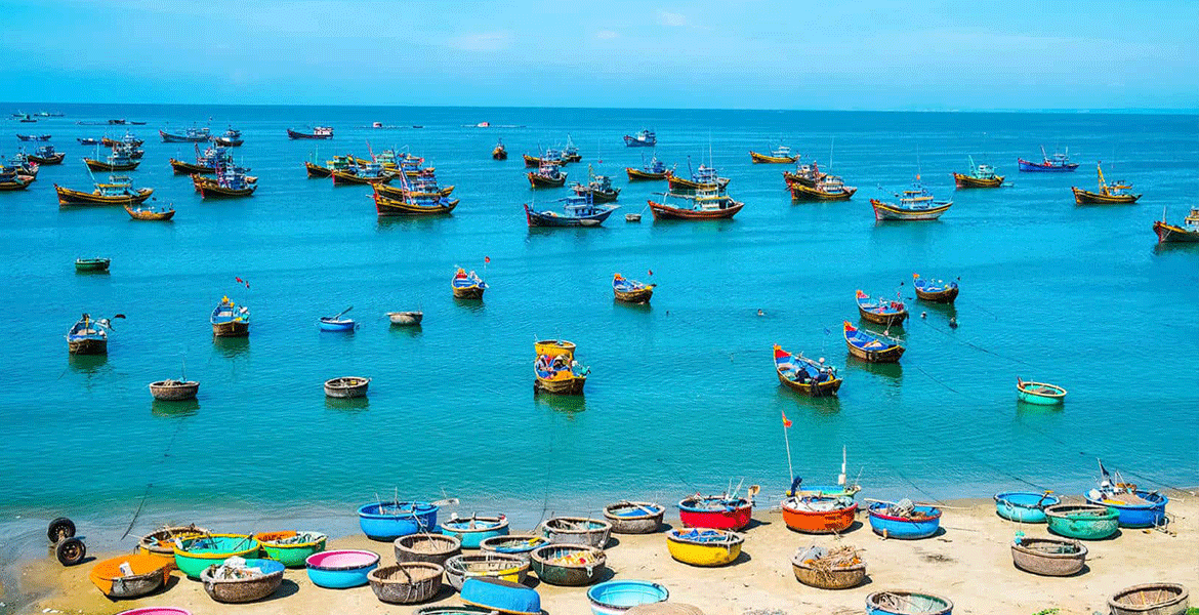
Phan Thiet, the capital of Binh Thuan Province in Southern Vietnam, is a coastal destination situated approximately 215 kilometers east of Ho Chi Minh City. Known for its extensive beaches, distinctive sand dunes, and a thriving fishing industry, the city and its surrounding areas, particularly Mui Ne, have become a notable draw for those seeking a seaside escape. This guide offers comprehensive details to assist in planning a visit to this region.
An Overview of Phan Thiet and Mui Ne
Phan Thiet is home to nearly 250,000 residents, spread across its four wards and central area. Historically recognized for its fisheries and the production of fish products, the city has increasingly developed its tourism sector, leveraging its natural coastal beauty and growing resort infrastructure. The city center features Doi Duong Beach in Hung Long and Phu Thuy Wards, where visitors can find shopping facilities, various dining establishments serving local specialties and fresh seafood, and a selection of hotels.
Approximately 10 kilometers from Phan Thiet City, Mui Ne has established itself as the primary tourist hub within the region. This area is characterized by a high concentration of resorts, hotels, guesthouses, restaurants, and retail outlets, making it a focal point for most tourist activities and lodging choices.
Climate Patterns and Optimal Visiting Times
Phan Thiet experiences an oceanic and tropical monsoon climate, marked by two distinct periods: a dry season and a rainy season. The rainy season typically extends from May through October. While rainfall does occur during these months, it often manifests as brief showers lasting one to two hours, allowing for continued enjoyment of sunny weather for much of the day. However, visitors may consider avoiding July and August, which are generally the wettest months of the year.
The dry season, from November to April, offers consistently sunny and breezy conditions with minimal rainfall, providing an uninterrupted travel experience. The region maintains a mild climate year-round, with an average annual temperature ranging from 26-27°C and infrequent thunderstorms. While Phan Thiet is accessible throughout the year, the period from January to May is often considered ideal for a visit, as the beaches are particularly appealing with clear skies, expansive blue waters, and golden sands.
Reaching Phan Thiet
As Phan Thiet does not have its own airport, travelers arriving from Hanoi or other major cities typically fly into Ho Chi Minh City (Saigon) and then arrange onward transportation. The journey from Ho Chi Minh City to Phan Thiet covers approximately 215 kilometers and usually takes about four hours by road. Several transport options are available, catering to different preferences and budgets.
By Train
Two daily train services operate from Saigon Train Station to Phan Thiet Train Station, which is located in the city's northwest. Train SPT2 departs at 6:10 am and arrives at 10:30 am, while train SPT4 departs at 7:15 am and arrives at 11:10 am. One-way ticket prices range from 7 to 12 USD, depending on the class of seat selected. Passengers on these train trips typically receive complimentary mineral water and a cold towel.
By Sleeper Bus
Numerous companies provide high-quality sleeper bus services between Ho Chi Minh City and Phan Thiet. This option is often more economical and offers greater schedule flexibility compared to train travel, with multiple departures daily. Many bus operators also include pick-up and drop-off services at hotels and guesthouses along the main road in Mui Ne. Reputable bus companies include Phuong Trang (Futa), Hanh Café, Tam Hanh, and Kumho Samco. A one-way ticket typically costs between 5 and 7 USD.
By Private Car
For those prioritizing privacy, comfort, or traveling with children, booking a private car through a local travel agency is a suitable choice, although it is generally more expensive. This option allows for a flexible schedule, with the driver picking up passengers directly from their hotel in Saigon at a chosen time and transferring them to Phan Thiet. The journey can also include stops for short breaks or photo opportunities.
Accommodation Choices in Phan Thiet and Mui Ne
The majority of beach resorts, hotels, guesthouses, and homestays are concentrated in the Mui Ne area, approximately 10 kilometers from Phan Thiet city center, due to its proximity to many tourist attractions. This area offers a broad spectrum of lodging, from budget-friendly options to luxury resorts, accommodating diverse traveler needs. Standard accommodation choices are also available within Phan Thiet City itself. When considering medical services during your stay, it's helpful to know that facilities are available in both Mui Ne and Phan Thiet.
Recommended Hotels in Mui Ne (Prices are approximate and subject to change)
| Hotel Name | Star Rating | Starting Price (USD) |
|---|---|---|
| Novela Mũi Né Resort & Spa | 3-star | 56 |
| Blue Ocean Resort Mui Ne | 4-star | 70 |
| Unique Muine Resort Beach & Spa | 4-star | 70 |
| Pandanus Resort | 4-star | 76 |
| Anantara Mui Ne Resort | 5-star | 180 |
Key Attractions and Activities
Mui Ne Beach
Mui Ne Beach extends for 15 kilometers, characterized by its sandy shores, gentle waves, and numerous beachfront resorts. The northern section of the beach retains the character of a traditional fishing village, while the southern part is geared towards recreational pursuits such as swimming, kitesurfing, kayaking, and surfing. The period between November and March is particularly favorable for these activities, offering sunny weather and consistent winds. The area along Nguyen Dinh Chieu and Huynh Thuc Khang streets is lined with hotels, guesthouses, restaurants, and shops, making it a lively area for visitors.
Mui Ne Fishing Village
The Mui Ne Fishing Village presents a serene coastal scene, with palm trees lining the shore and a collection of colorful fishing boats at anchor. Mornings are particularly active as local fishermen return with their daily catches, which often include fresh scallops, stingrays, crabs, and groupers. This provides an opportunity to observe the daily routines of the local community. Further into the village, visitors can witness locals engaged in the traditional processes of making fish sauce or drying fish, offering insights into local products and crafts.
Ta Cu Mountain
Located approximately 50 kilometers from Phan Thiet City, Ta Cu Mountain encompasses over 250,000 square meters of dense rainforest, limestone formations, diverse wildlife, and elaborate Buddhist structures. To reach the summit, visitors can opt for a 10-minute cable car ride, which provides expansive views of the surrounding lowlands, including rice paddies and dragon fruit plantations. Alternatively, a two-hour hike through the jungle offers a more active ascent; comfortable footwear and ample water are recommended. The mountain's main draw is one of Vietnam's largest reclining Buddha statues, measuring 49 meters in length.
The Sand Dunes
A visit to Phan Thiet is often considered incomplete without an excursion to its famous sand dunes. The Red Sand Dunes are situated about 11 kilometers from Mui Ne and are especially striking at sunset when the sand takes on a fiery red hue. Observing the sunrise here can also be a memorable experience, often with fewer crowds. Approximately 23 kilometers further, the White Sand Dunes offer larger and more expansive formations than their red counterparts. Popular activities at the dunes include sand-sledding and quad biking. Various tour operators offer day trips to these sand dunes, including sunrise, sunset, and Jeep tours.
Rom Island (Hon Rom)
Hon Rom, located about 28 kilometers from Phan Thiet City, is a near-shore island in Mui Ne connected to the mainland by a narrow strip of sand. The island is known for its untouched sandy beaches along its southwest coast and uniquely shaped rock formations on its eastern side. Looking westward from the island, visitors can see sand dunes partially concealed by shrubs and cacti, all contributing to the natural allure of the area.
Frequently Asked Questions
What is the primary appeal of Phan Thiet for travelers?
Phan Thiet attracts visitors primarily with its long sandy beaches, unique sand dunes, and the relaxed atmosphere of Mui Ne. It offers opportunities for water sports, cultural experiences like visiting fishing villages, and exploring natural landscapes.
Is it better to stay in Phan Thiet City or Mui Ne?
Most travelers choose to stay in Mui Ne, which is about 10 kilometers from Phan Thiet City. Mui Ne is the main tourist area with a higher concentration of resorts, hotels, restaurants, and direct access to many of the region's attractions, including the beach and sand dunes.
What activities are popular in Phan Thiet and Mui Ne?
Popular activities include swimming, kitesurfing, and surfing at Mui Ne Beach, exploring the Red and White Sand Dunes (often with sand-sledding or quad biking), visiting the Mui Ne Fishing Village, and ascending Ta Cu Mountain to see the reclining Buddha.
How can I travel from Ho Chi Minh City to Phan Thiet?
Travelers can reach Phan Thiet from Ho Chi Minh City by train, sleeper bus, or private car. Trains offer a scenic route, while sleeper buses are generally more economical and convenient. Private cars provide flexibility and comfort, especially for families.
What is the best time of year to visit Phan Thiet?
The ideal time to visit Phan Thiet is during its dry season, from November to April, when the weather is sunny and windy. Specifically, January to May is often recommended for the most pleasant beach conditions with clear skies and calm waters.








