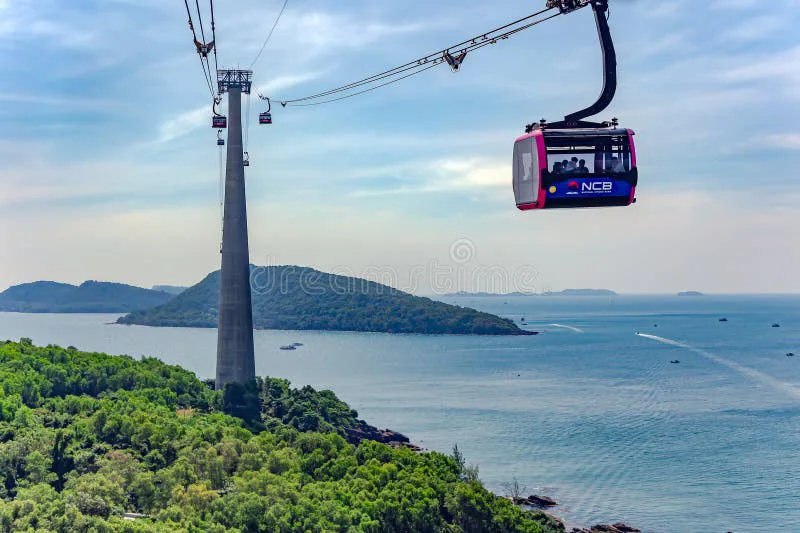
Phu Quoc, Vietnam's largest island situated within the Gulf of Thailand, is a prominent destination for those seeking coastal holidays. Its shores present a range of environments, from developed areas offering services to quiet, untouched stretches of sand, each providing a distinct experience for visitors.
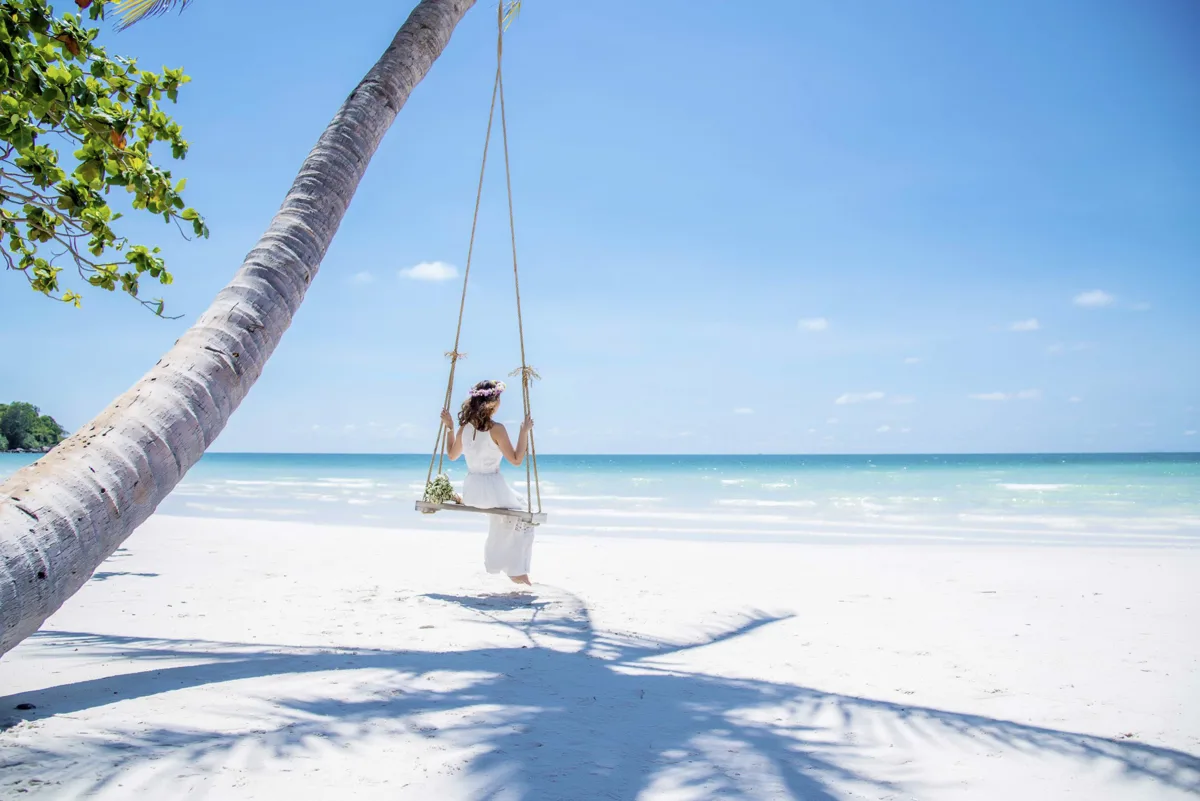
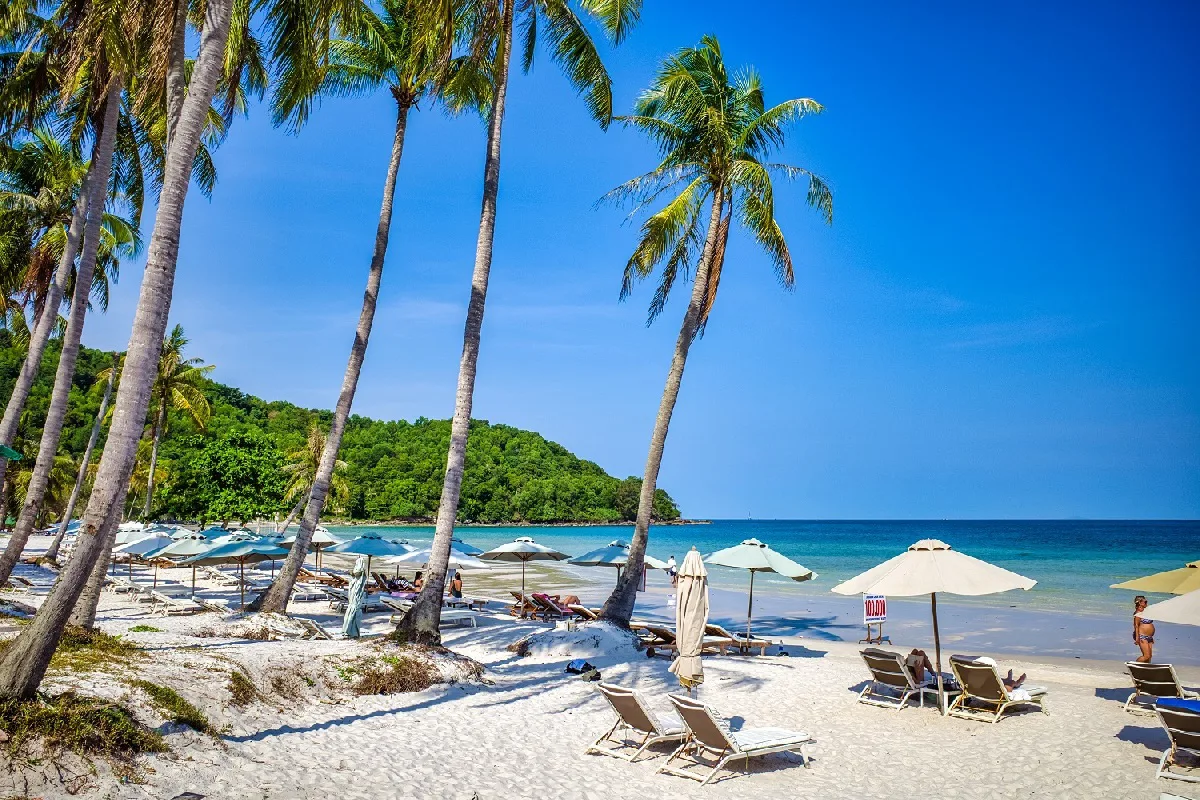
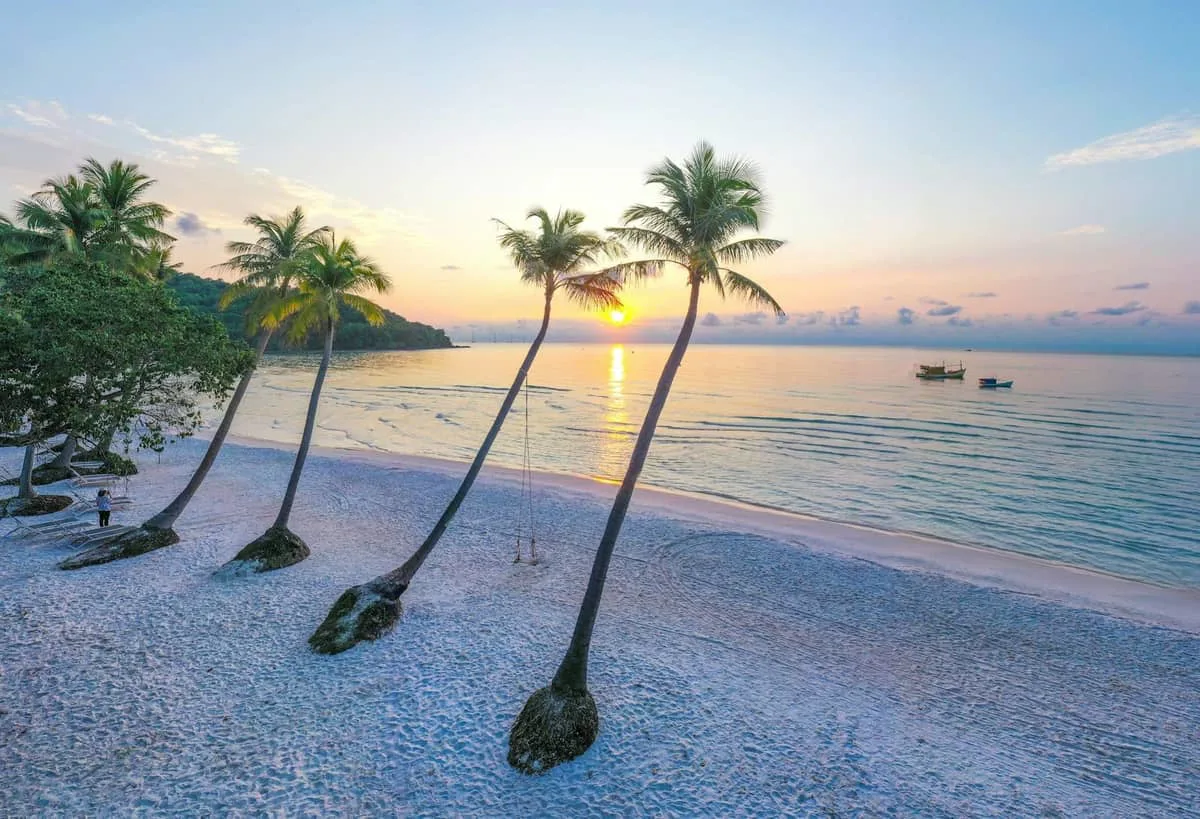
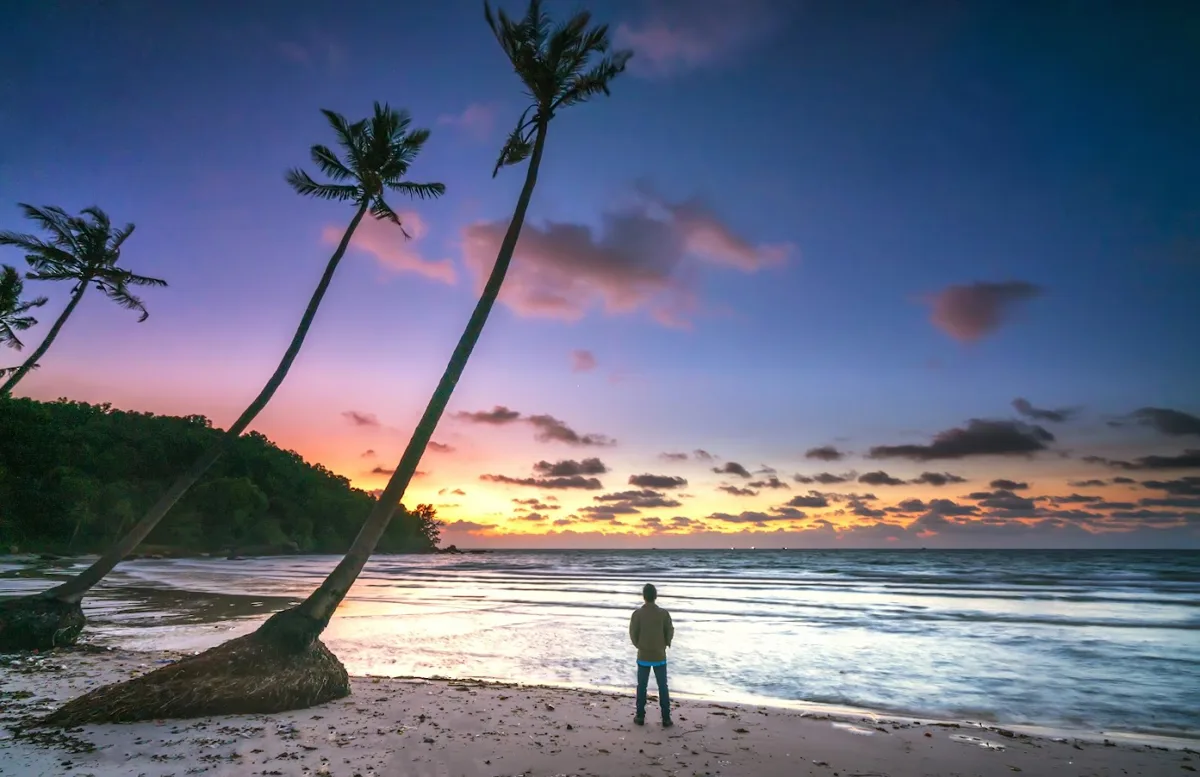
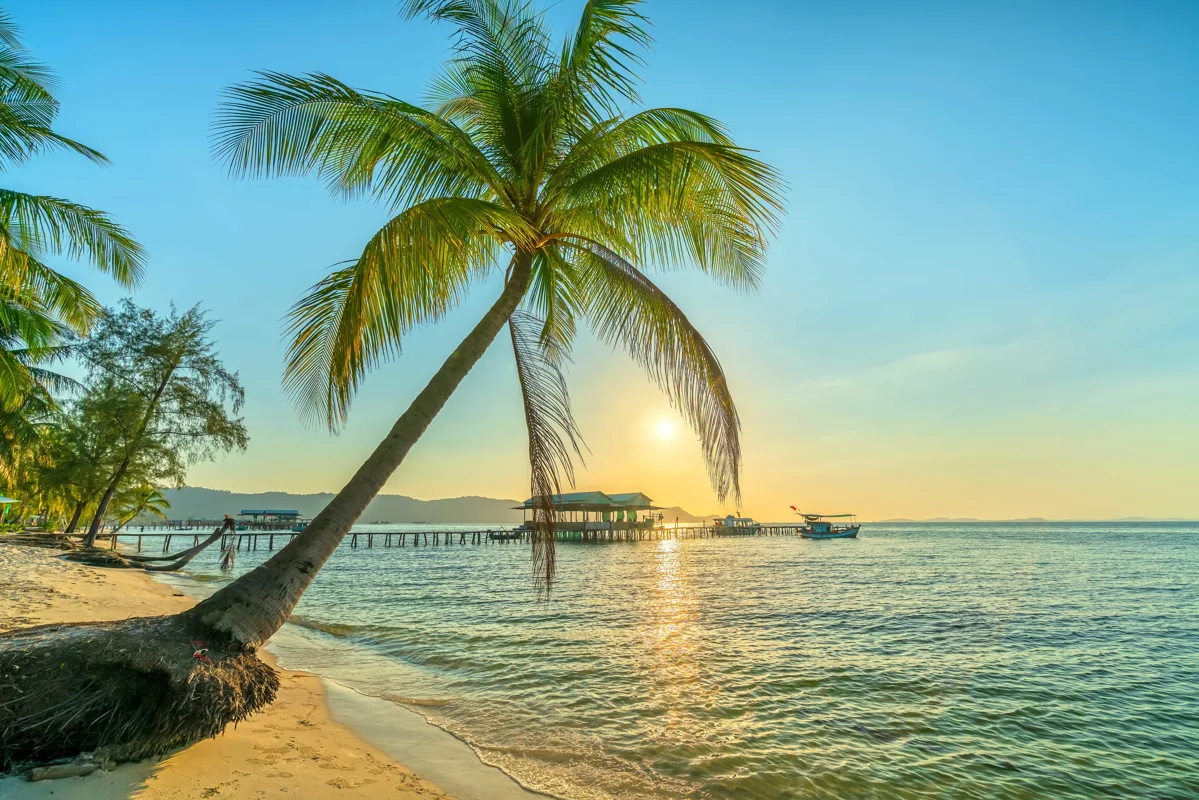
Known for its clear waters and varied landscapes, Phu Quoc attracts travelers looking for both relaxation and exploration. Understanding the unique characteristics of its different beaches can help you tailor your visit to match your preferences, whether you desire lively shores or peaceful retreats.
Understanding Phu Quoc's Coastal Landscape
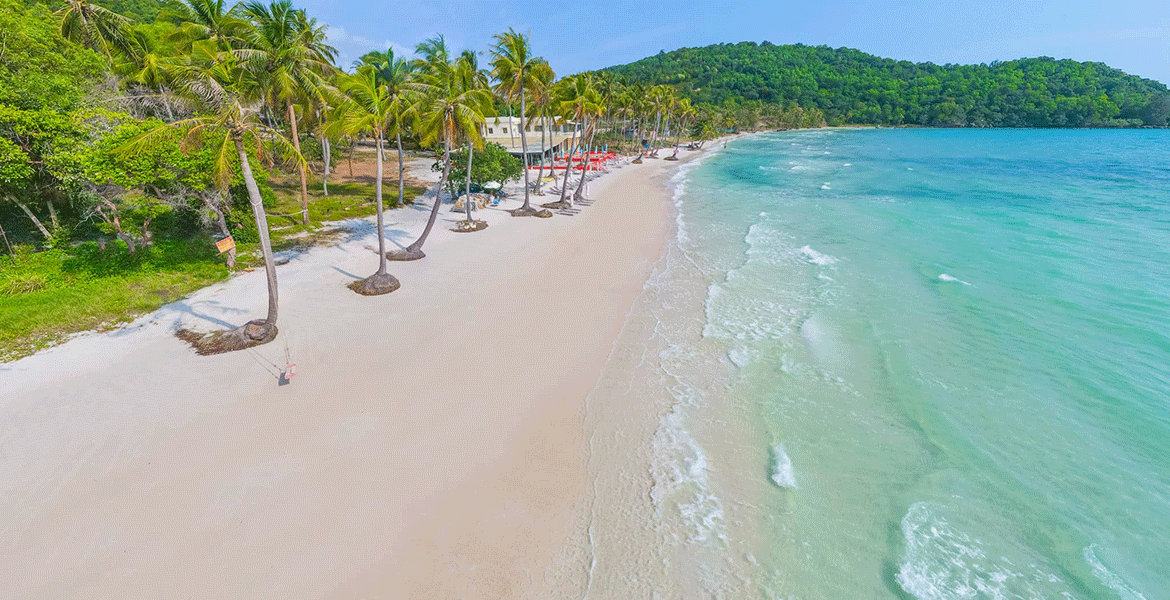
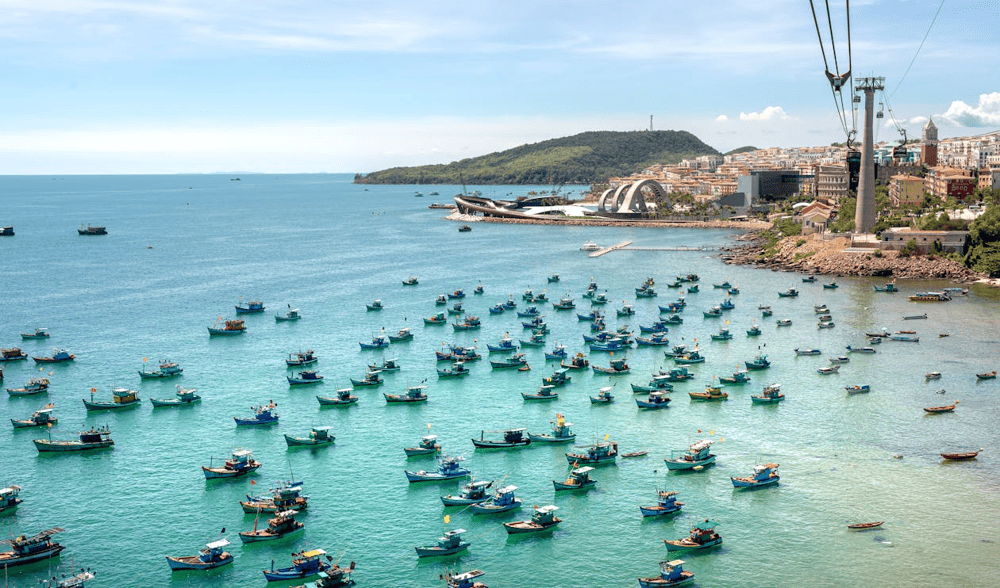
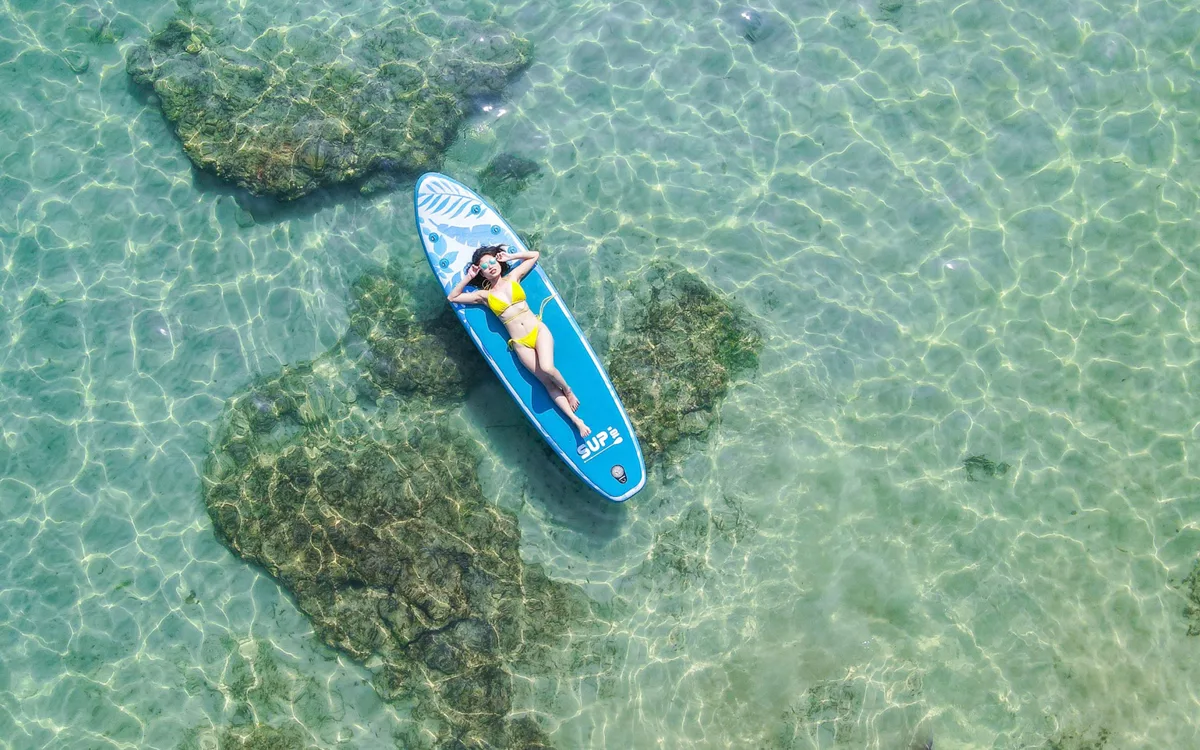
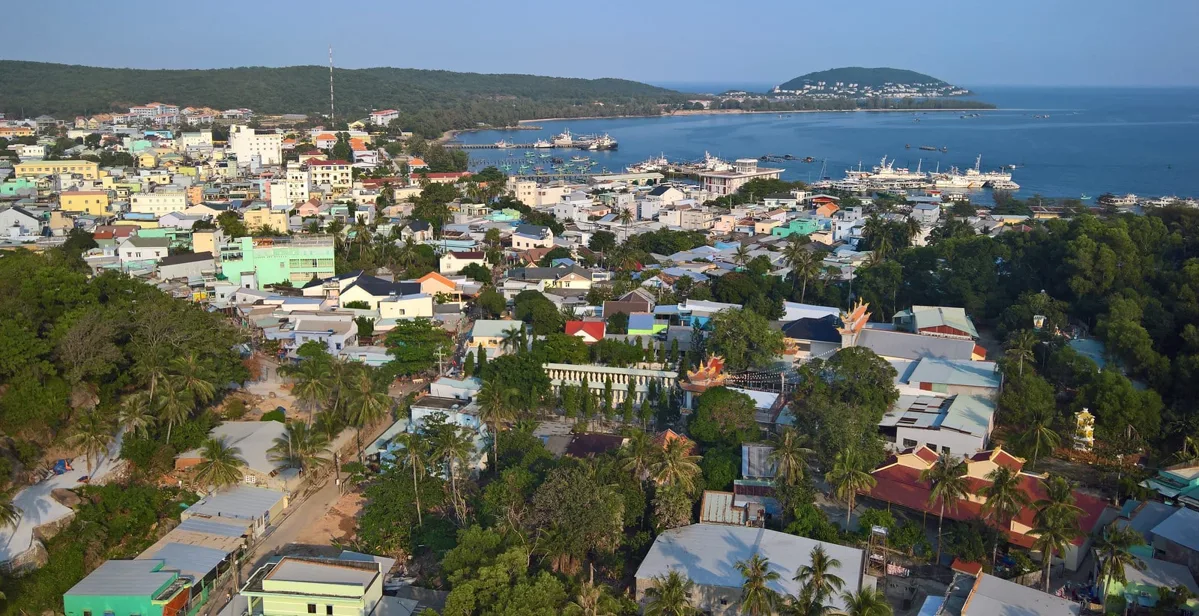
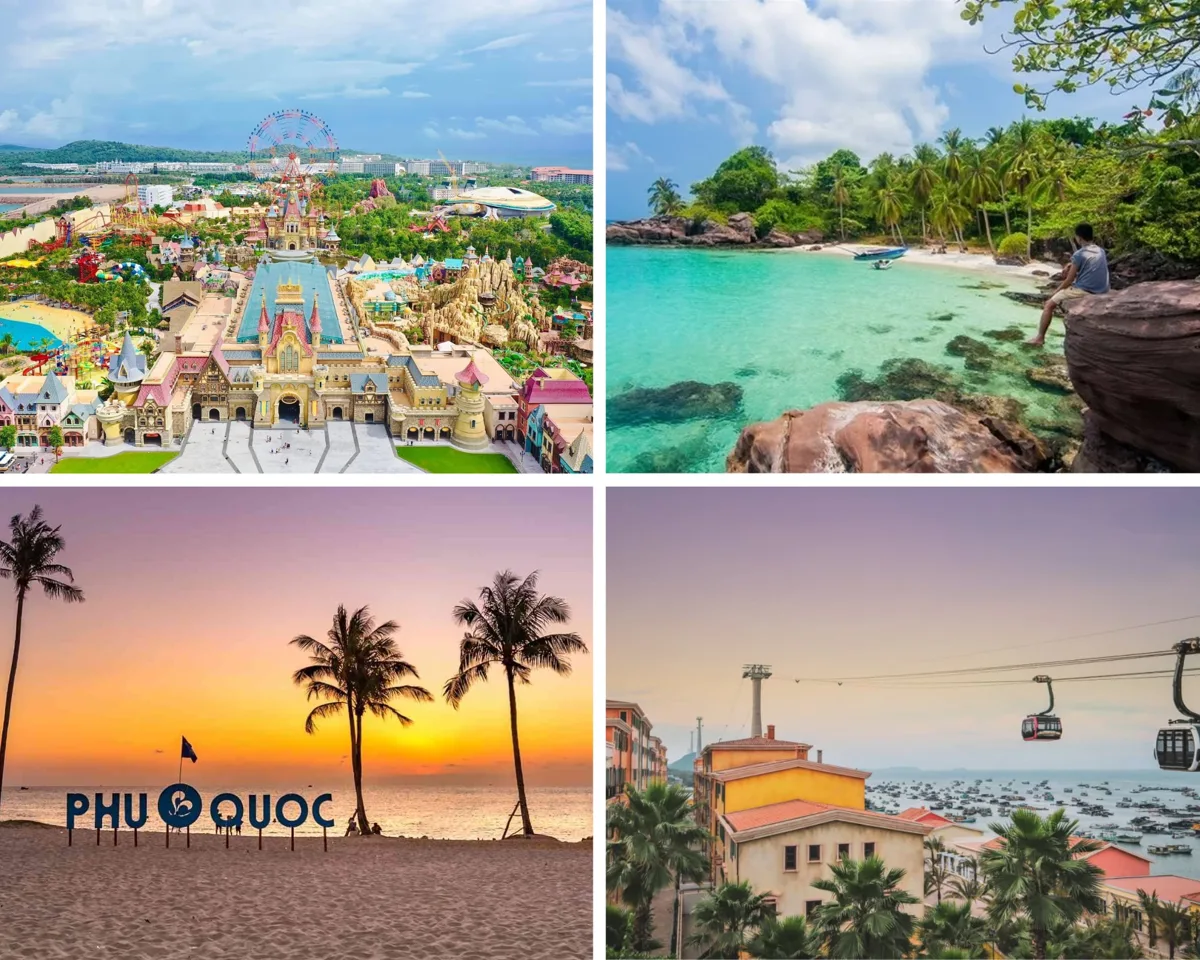
Phu Quoc, located in Kien Giang province, is recognized as Vietnam's largest island, covering a significant area. Its geographical position within the Gulf of Thailand contributes to its generally calm waters, particularly during the dry season. The island's extensive coastline features numerous sandy areas, some of which have seen considerable development for tourism, while others retain a more natural and secluded character.
The island's appeal lies in its diverse shorelines, which cater to different preferences, whether for active water sports, family relaxation, or peaceful solitude. From long, expansive stretches of sand to more intimate coves, Phu Quoc offers a variety of settings for beachgoers. To explore more of the region's diverse islands, a guide to Kien Giang island destinations can offer further insights.
Exploring Phu Quoc's Prominent Beaches
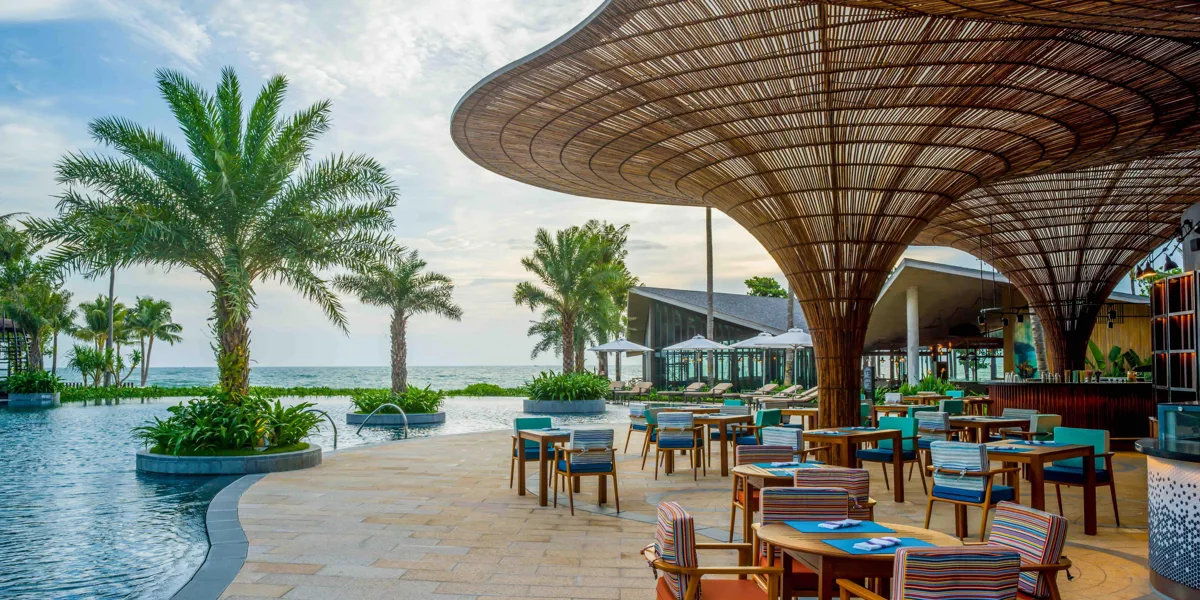
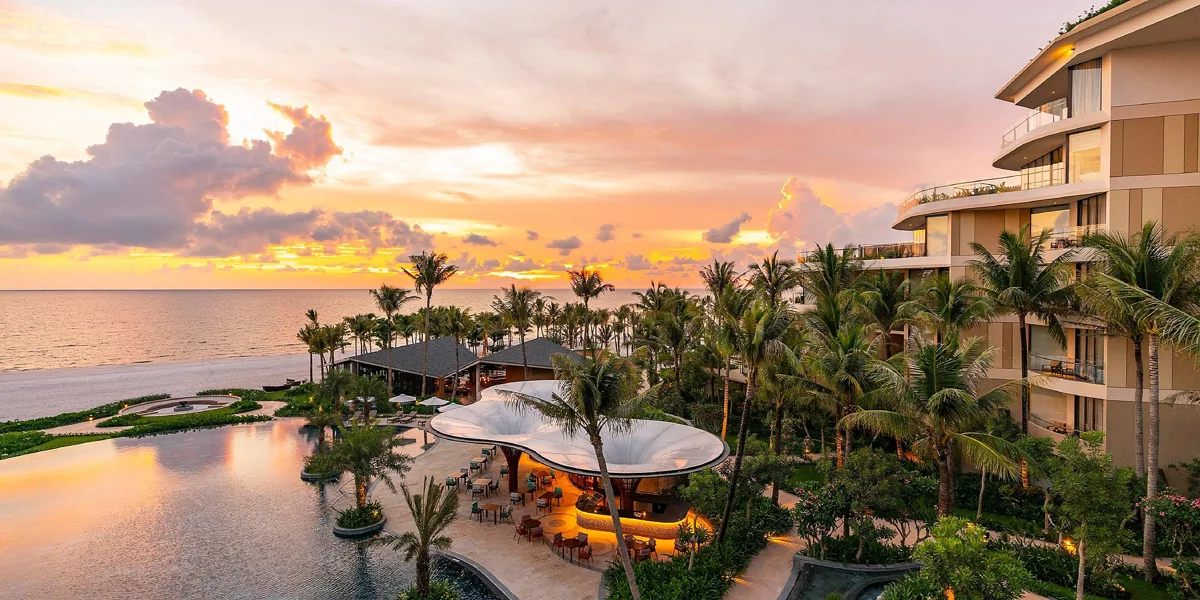
Truong Beach (Long Beach)
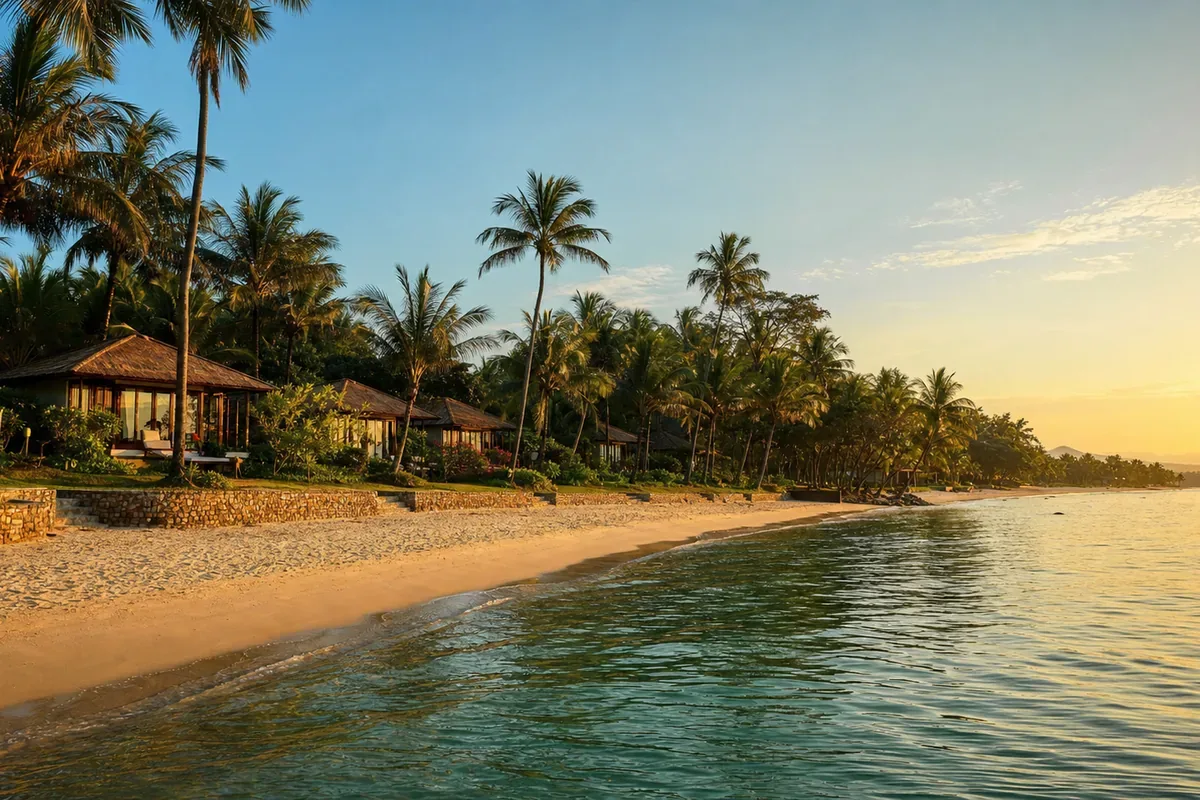
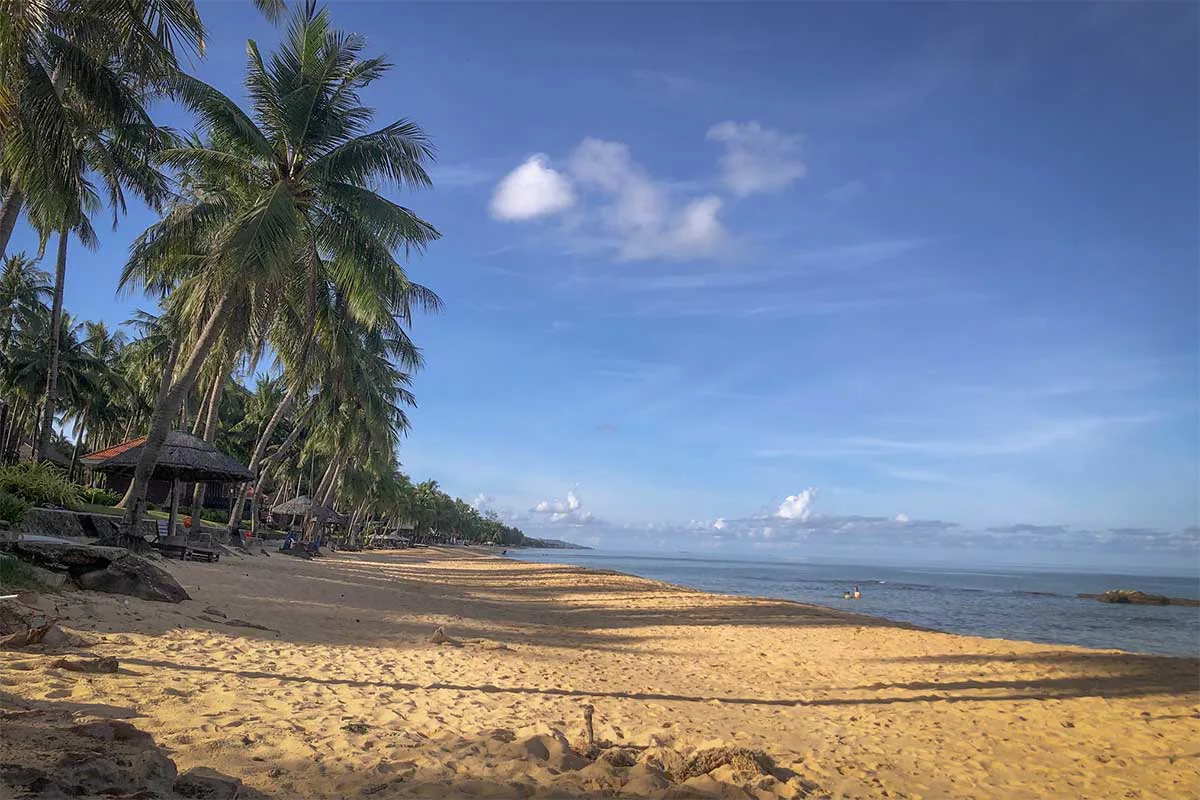
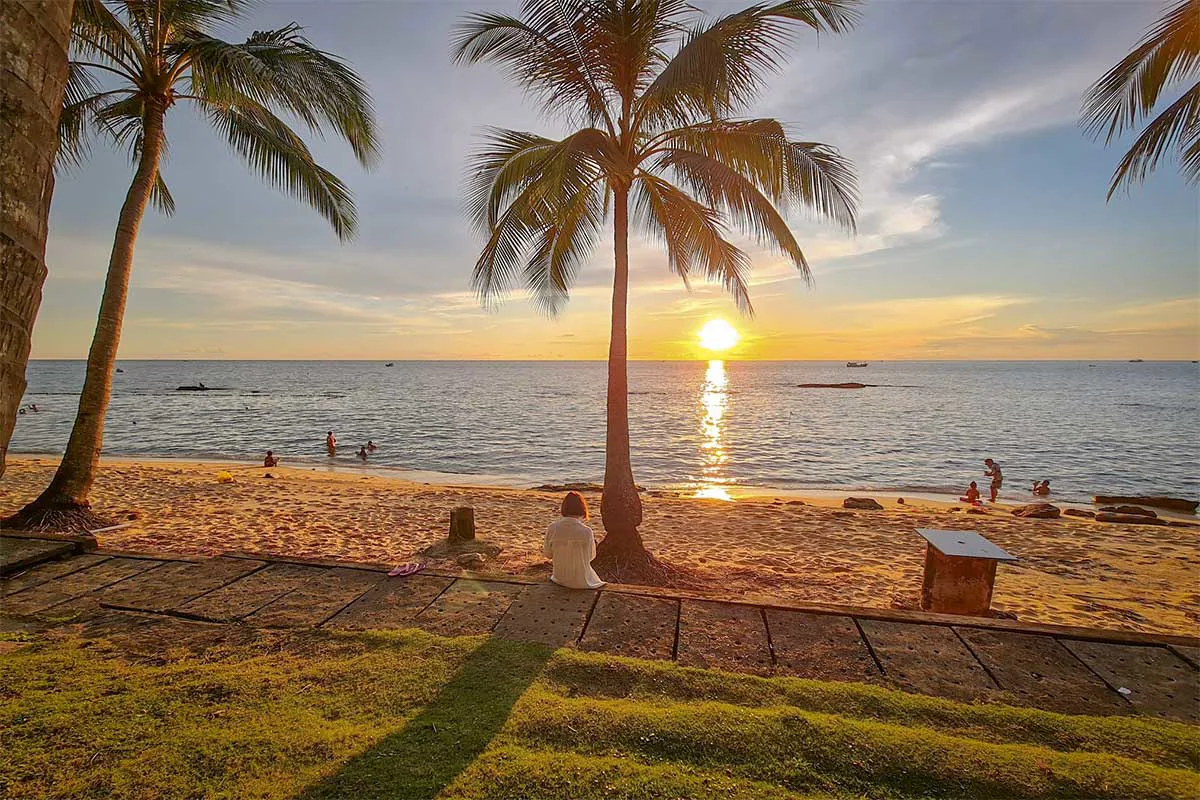
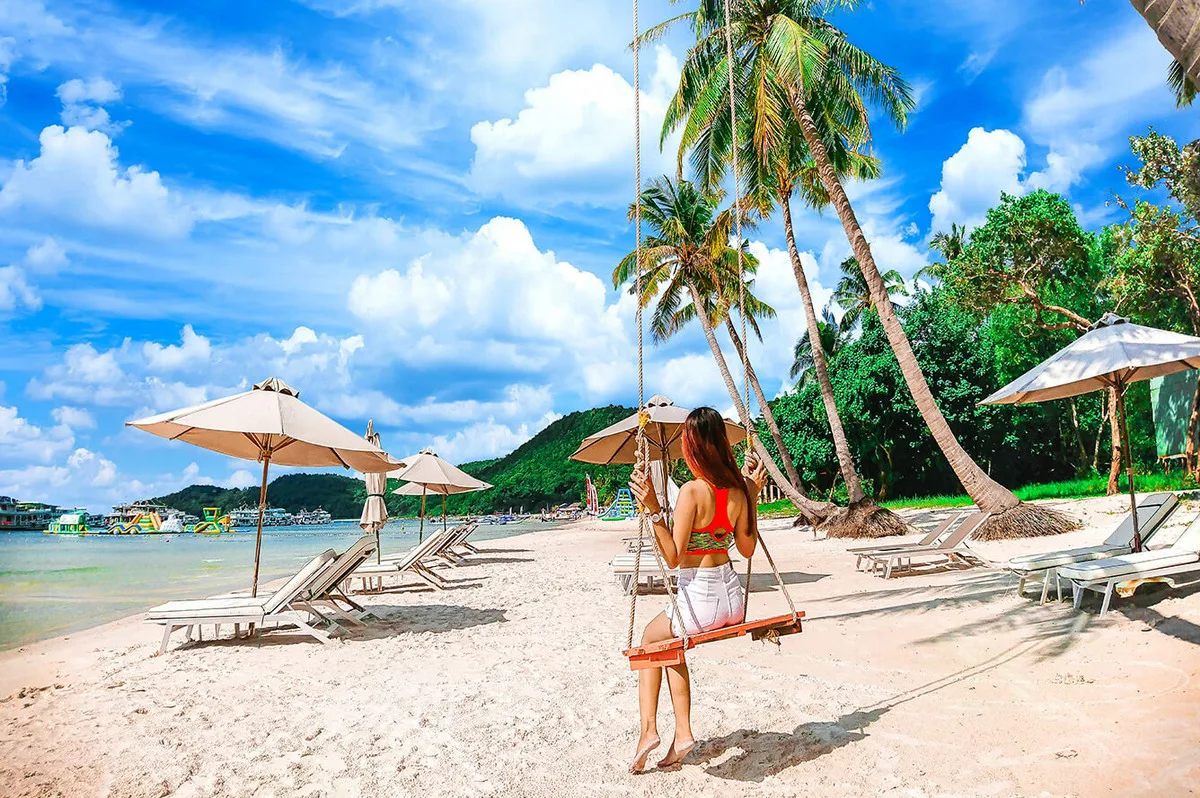
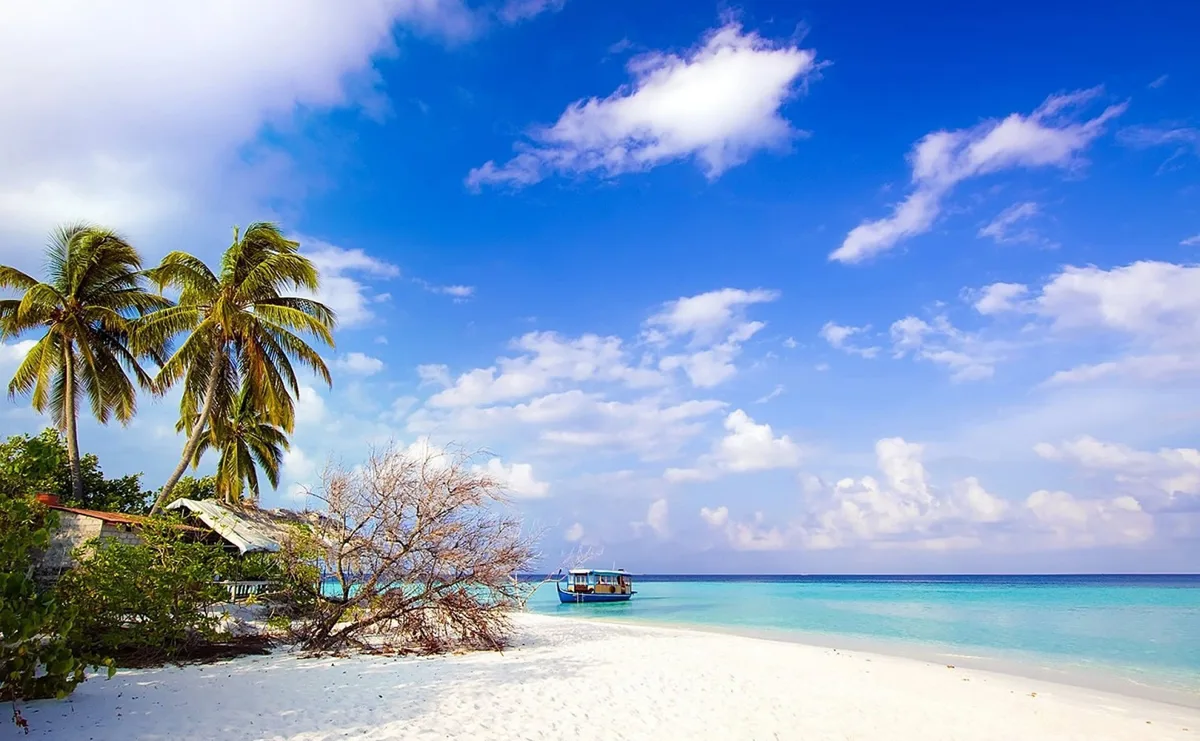
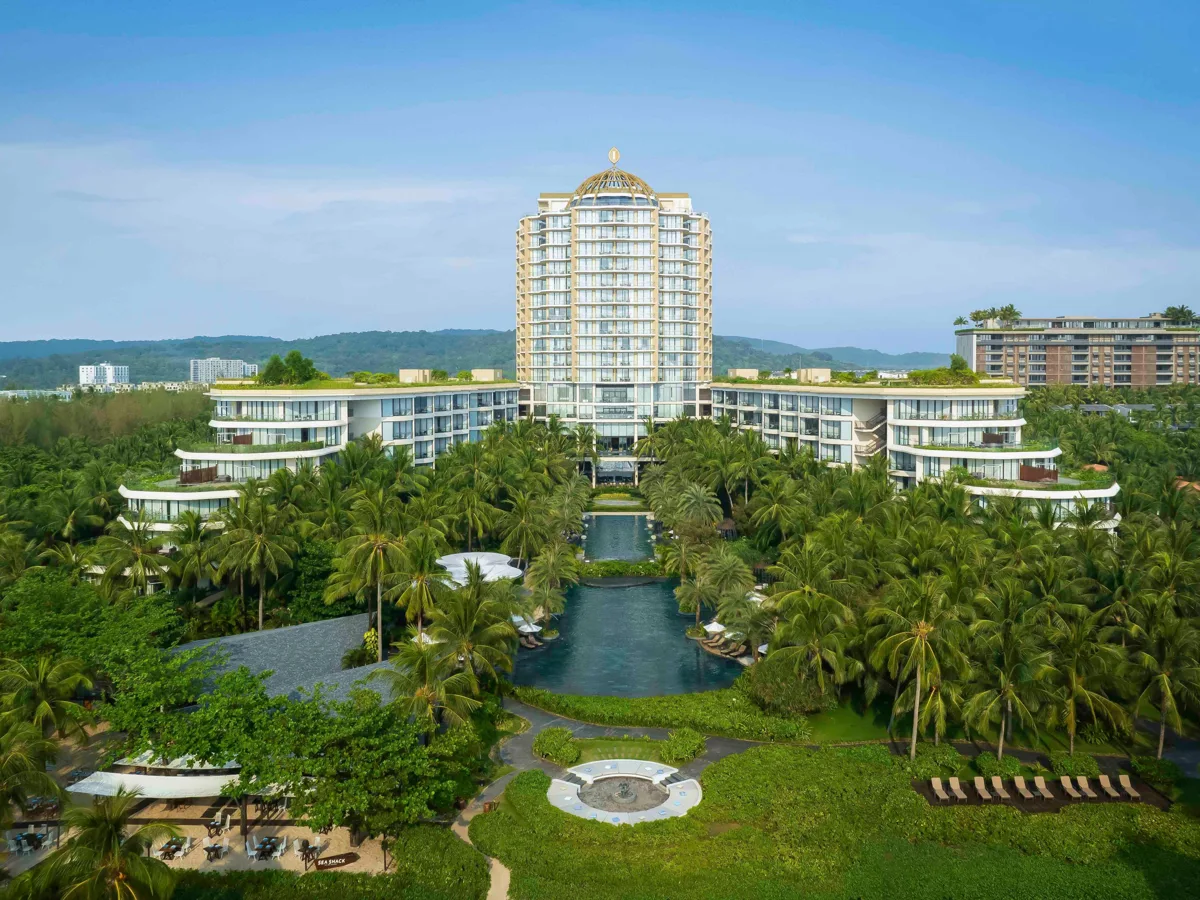
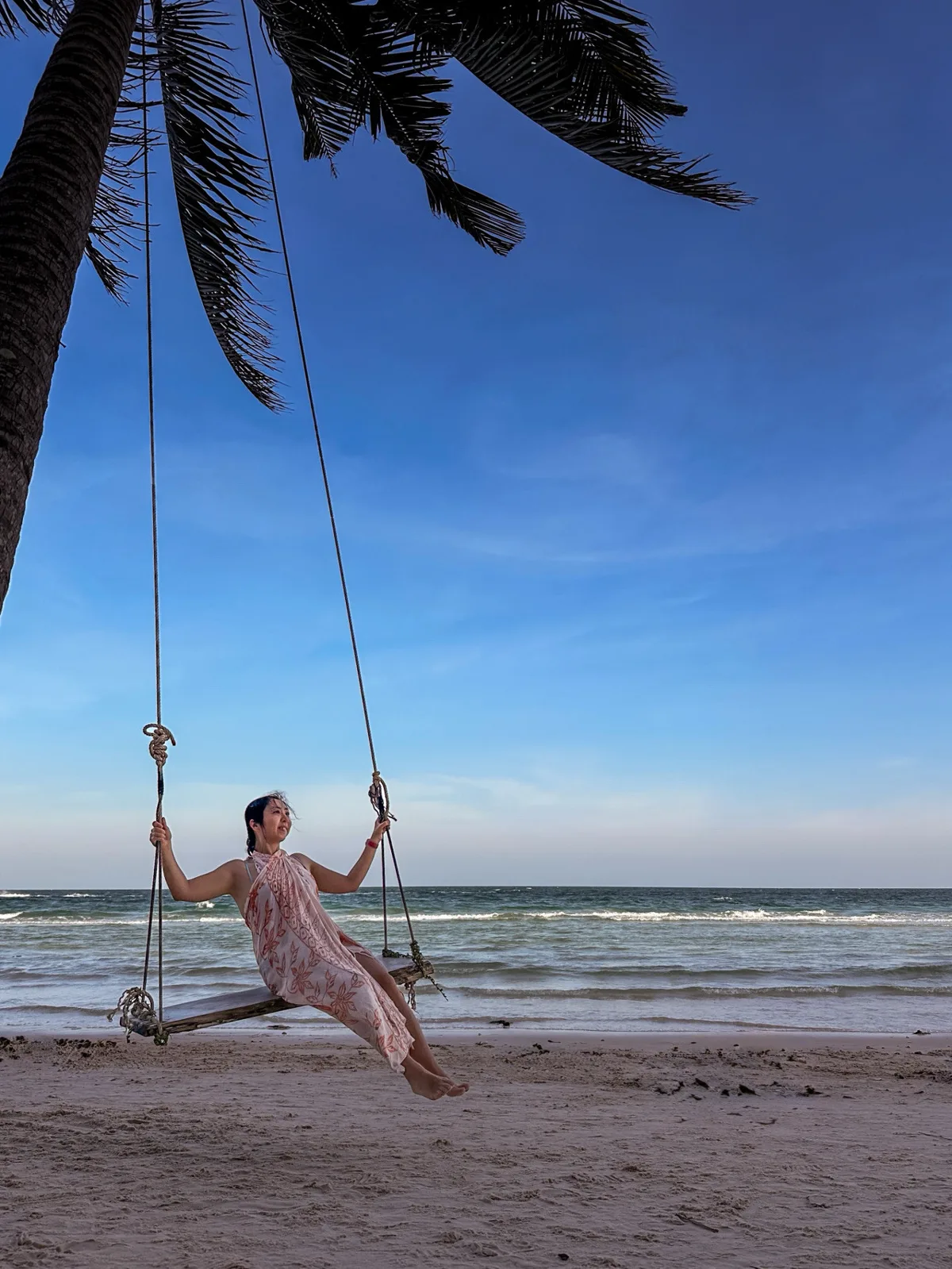
Located along the southwestern coast of Phu Quoc Island, Truong Beach extends for approximately 20 kilometers. Its shoreline is characterized by yellow sand, often interspersed with layers of grass, and bordered by coconut palms and rock formations.
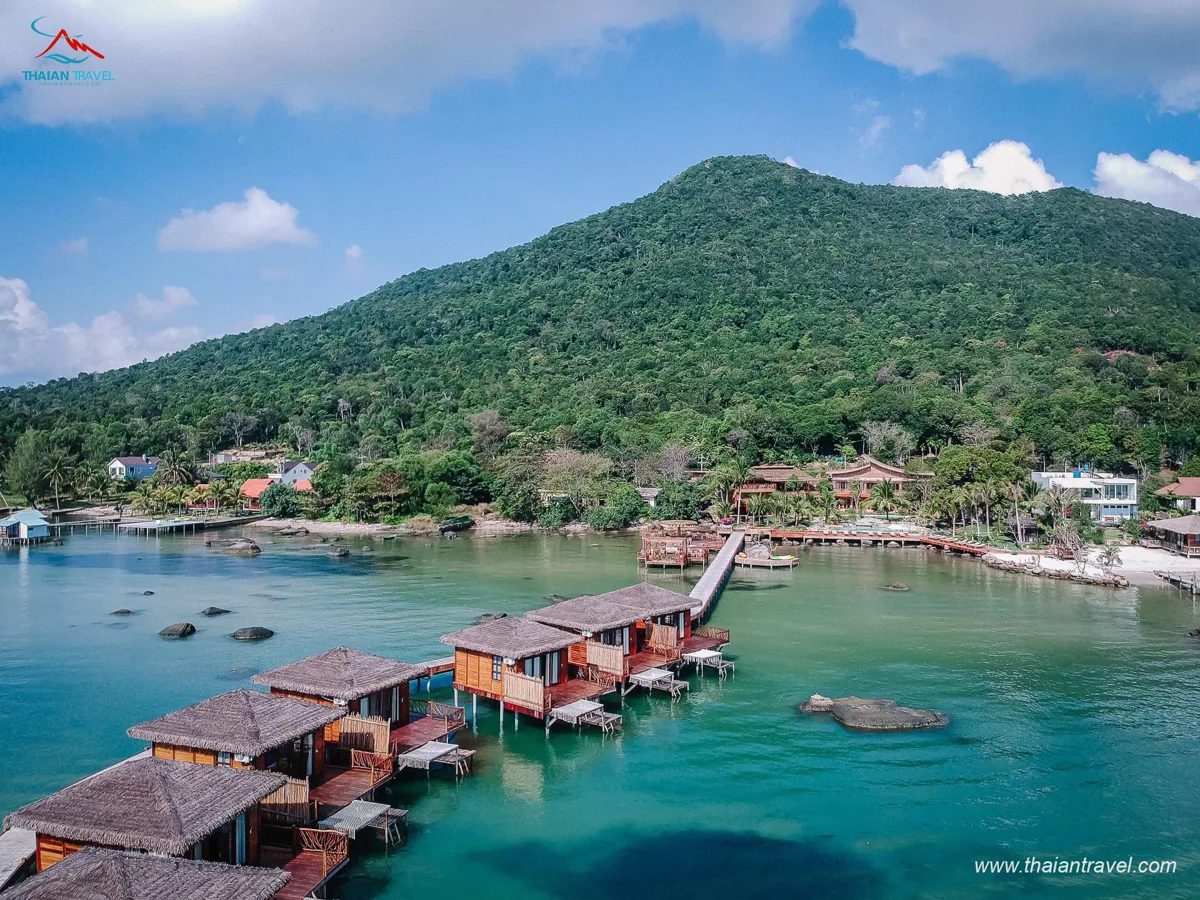
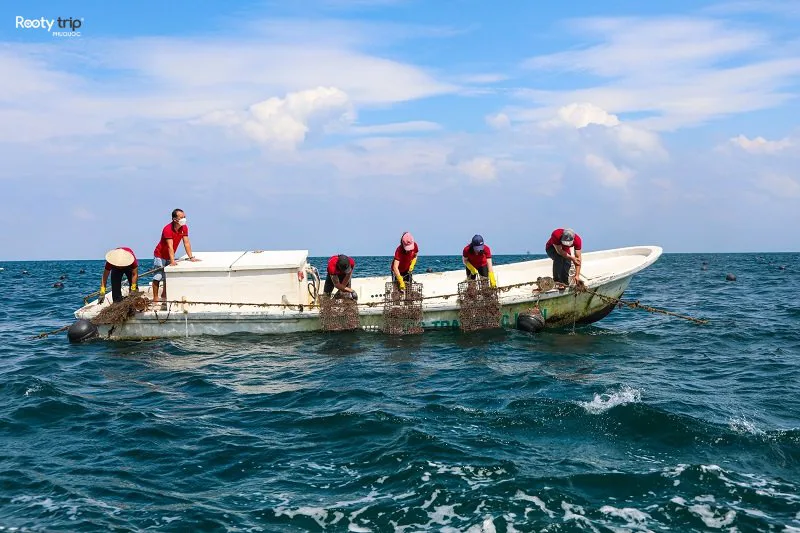
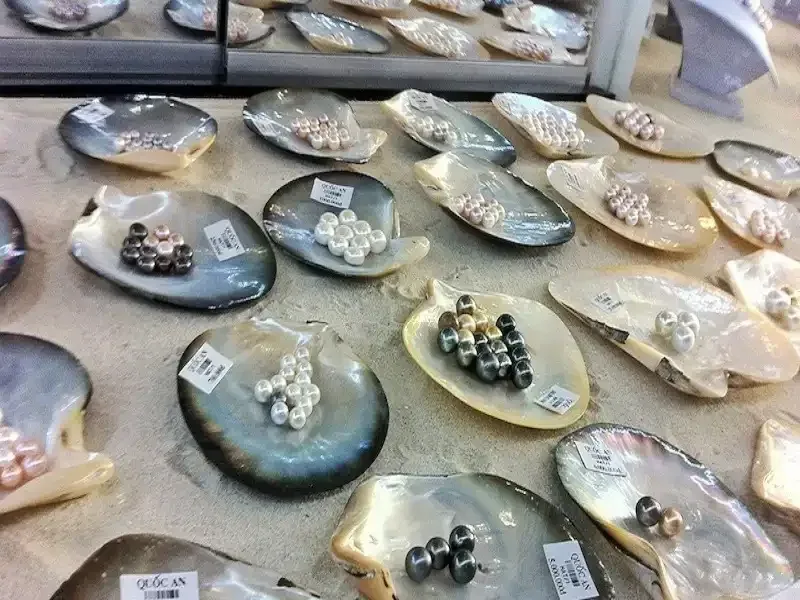
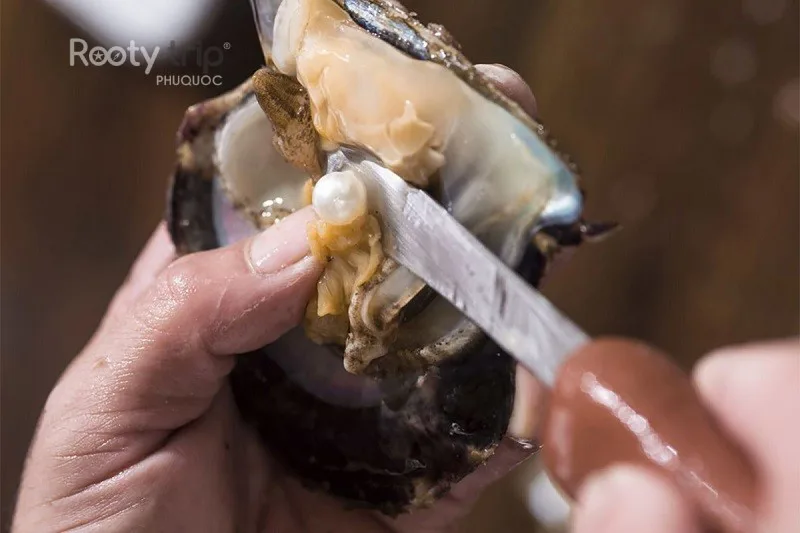
During the dry season, typically from November to April, the sea here is notably calm, often reflecting the sky like a mirror. While the central and northern parts of Truong Beach host much of the island's tourism infrastructure, the southern end remains less developed, featuring mostly isolated fishing shacks constructed from palm leaves. This area is also known for its oyster farming, which contributes to pearl production.
Sao Beach and Khem Beach
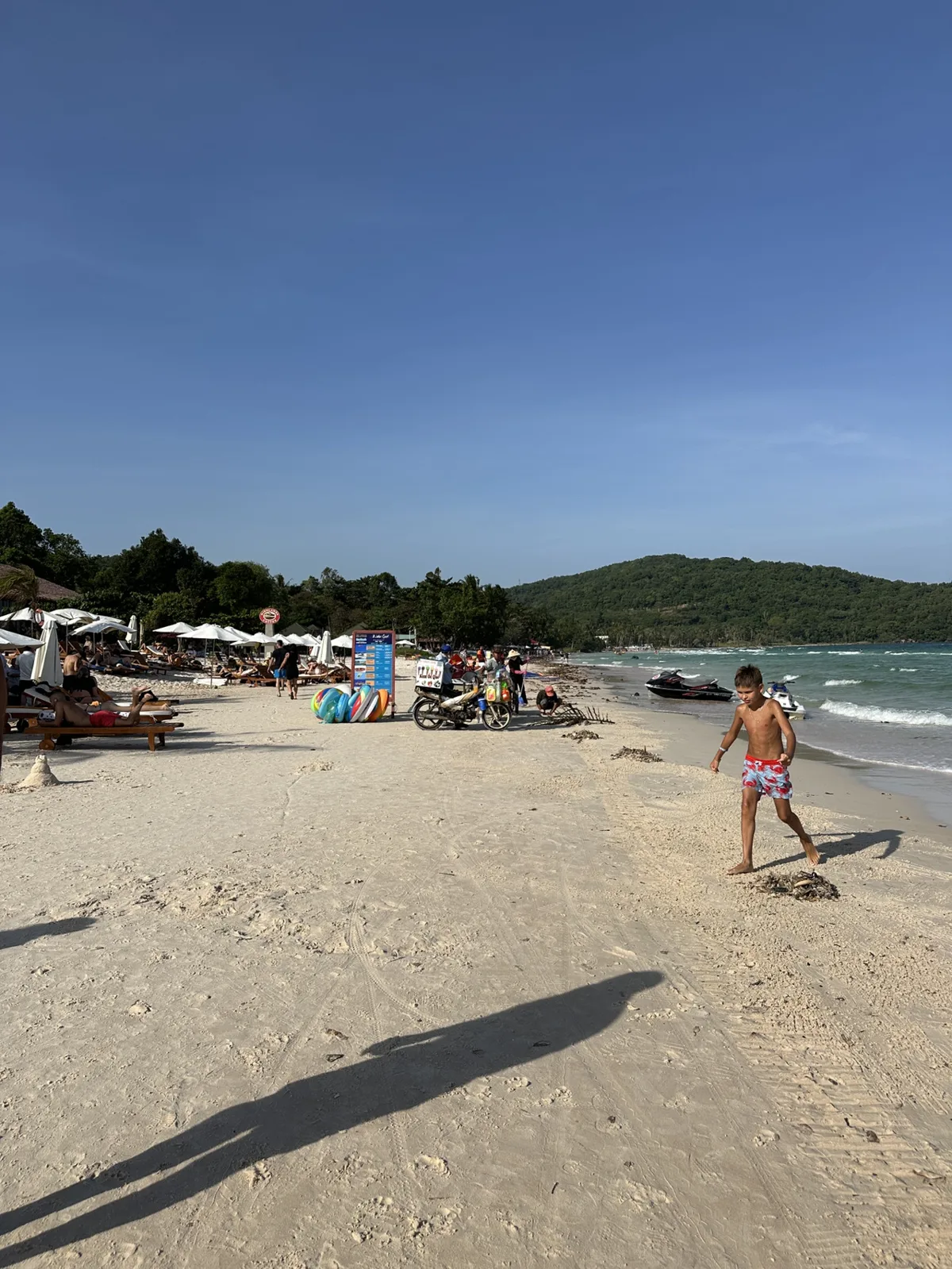
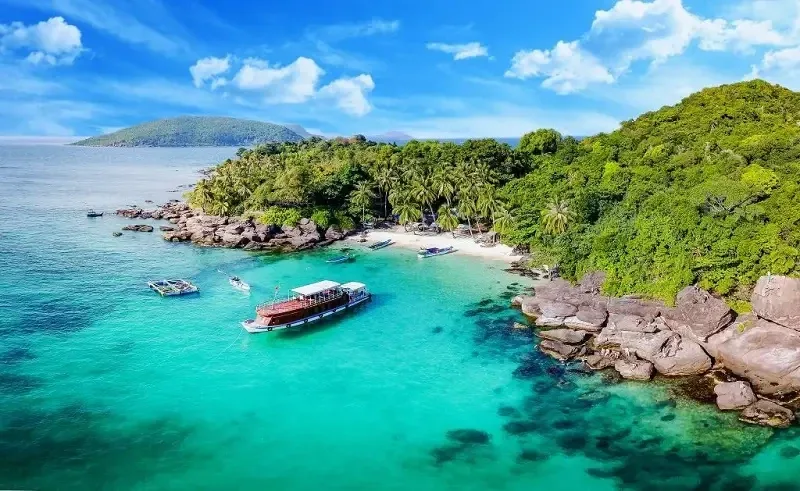
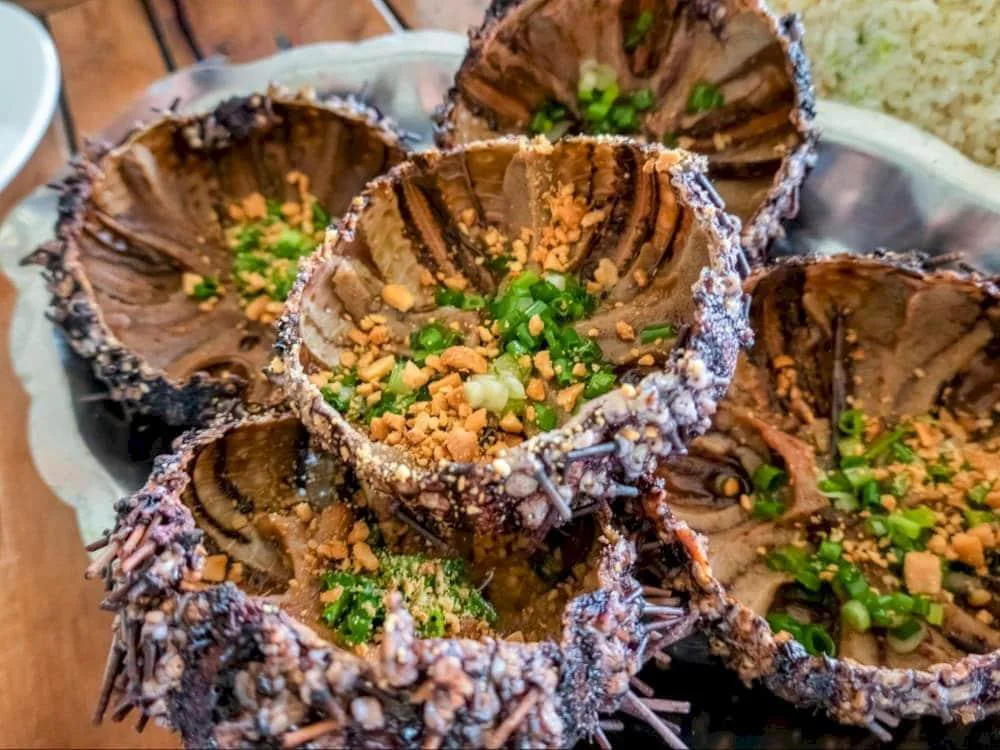
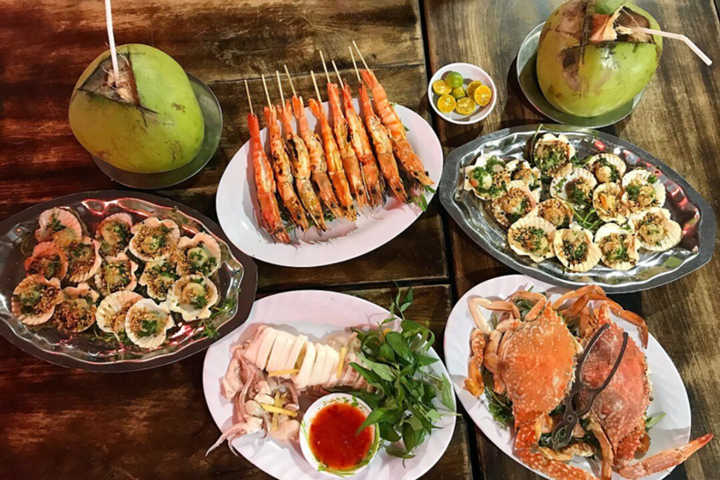
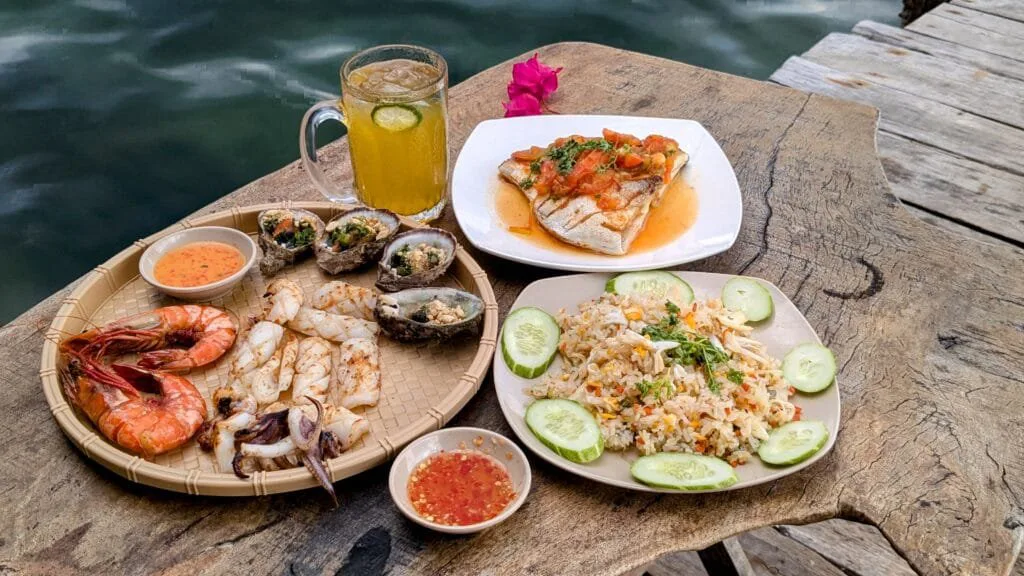
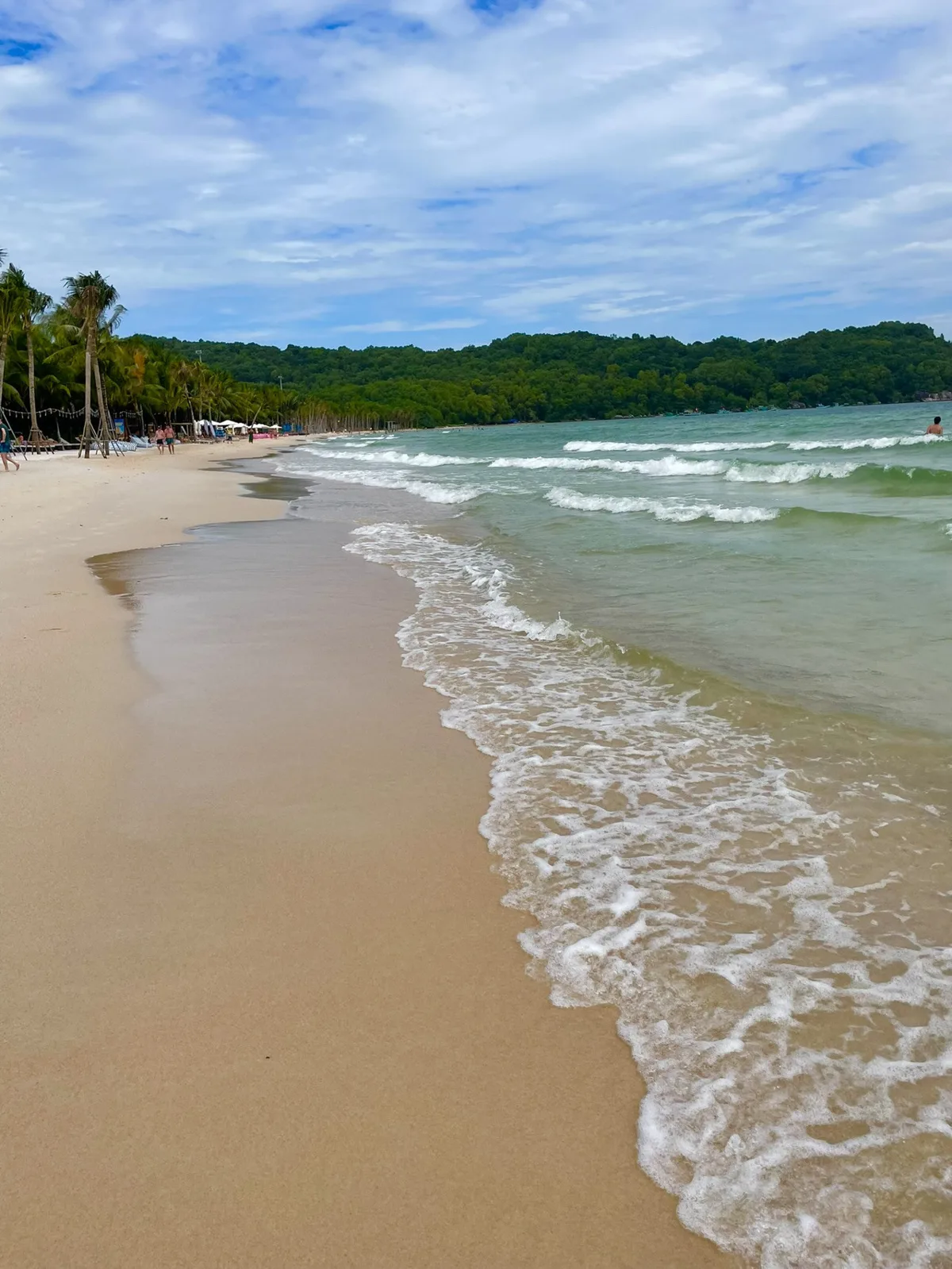
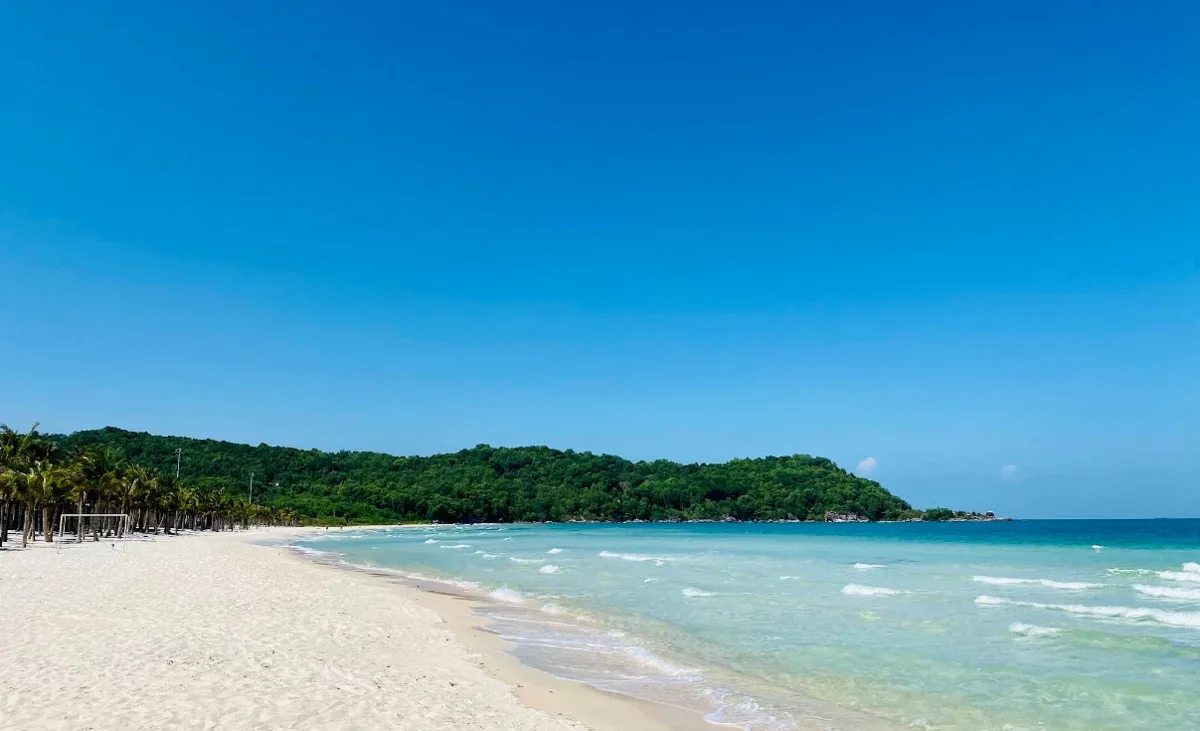
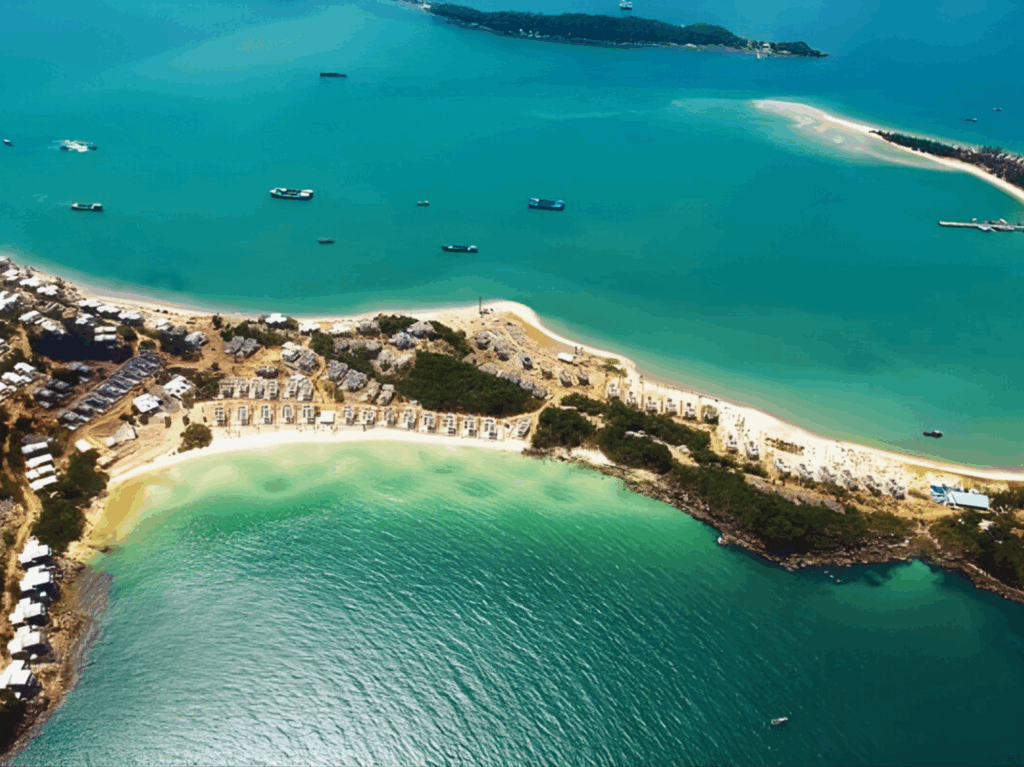
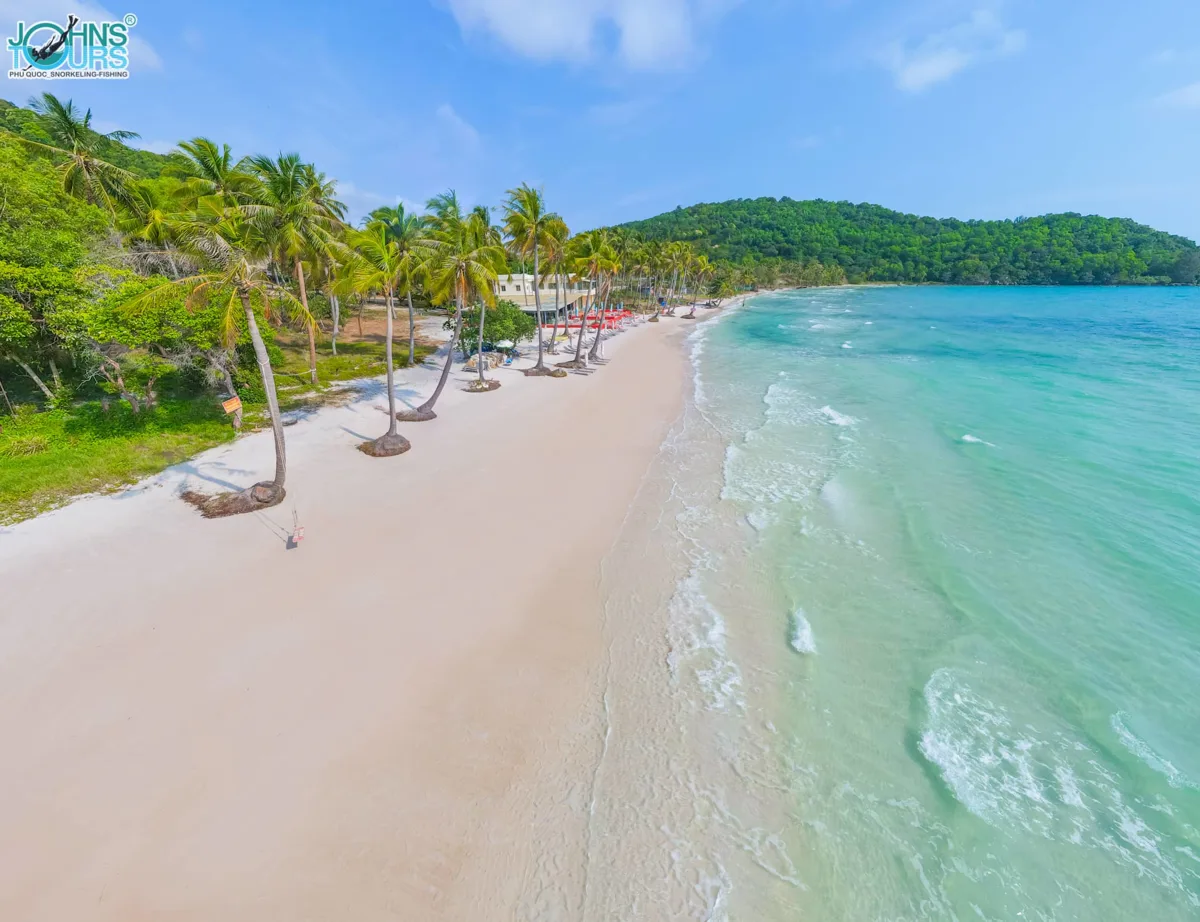
On the southeastern side of Phu Quoc Island, both Sao Beach and Khem Beach share a similar setting with curving coastlines, white sand, and tropical vegetation. Sao Beach is widely recognized for its inviting atmosphere and available tourist services. It boasts clear, sapphire-colored water and soft, white sand, making it a popular choice for those planning a beach vacation in Vietnam. Visitors often find various seafood dining establishments here, serving local specialties such as grilled fish and traditional beverages.
In contrast, Khem Beach, despite its natural beauty, is largely under military administration, which limits general tourist access and exploration. While its scenic qualities are apparent, visitors are typically not encouraged to explore this area extensively.
Thom Beach
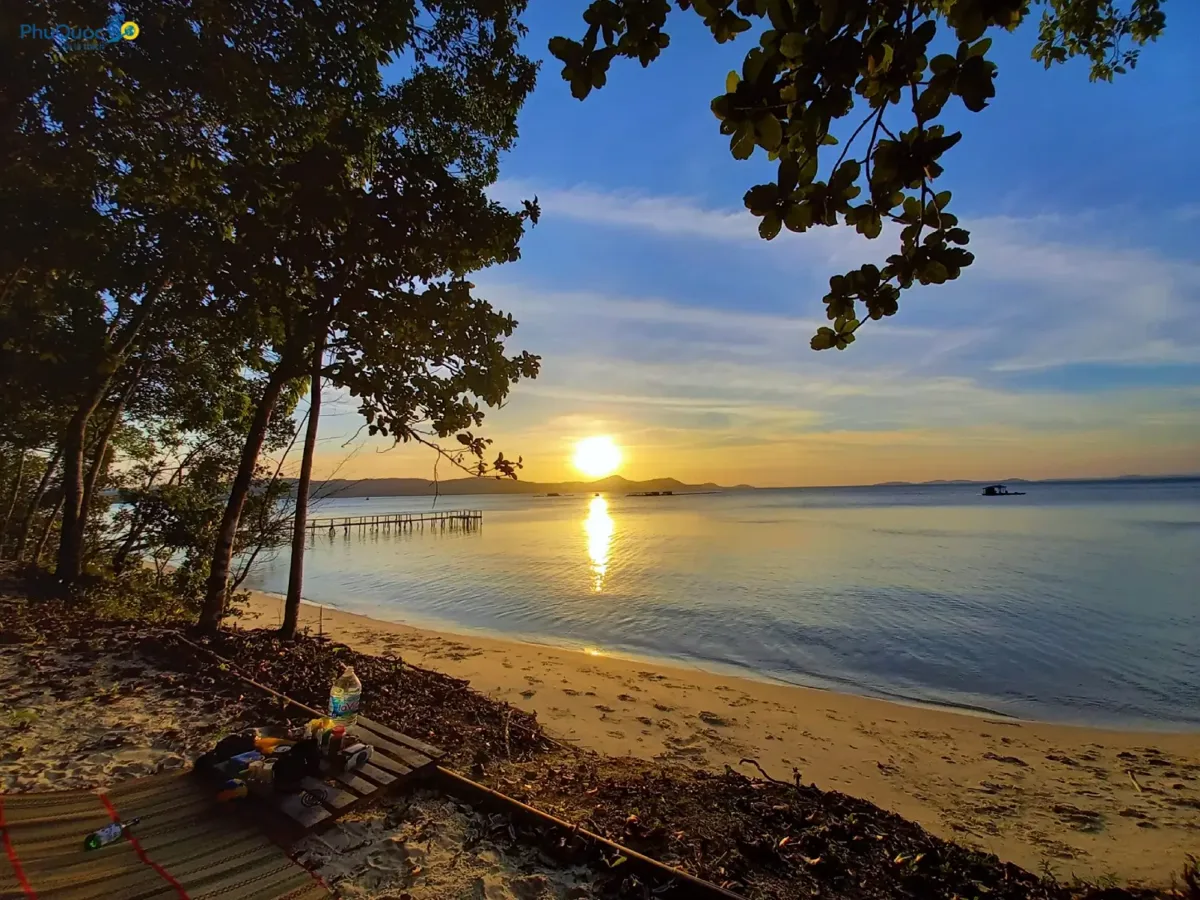
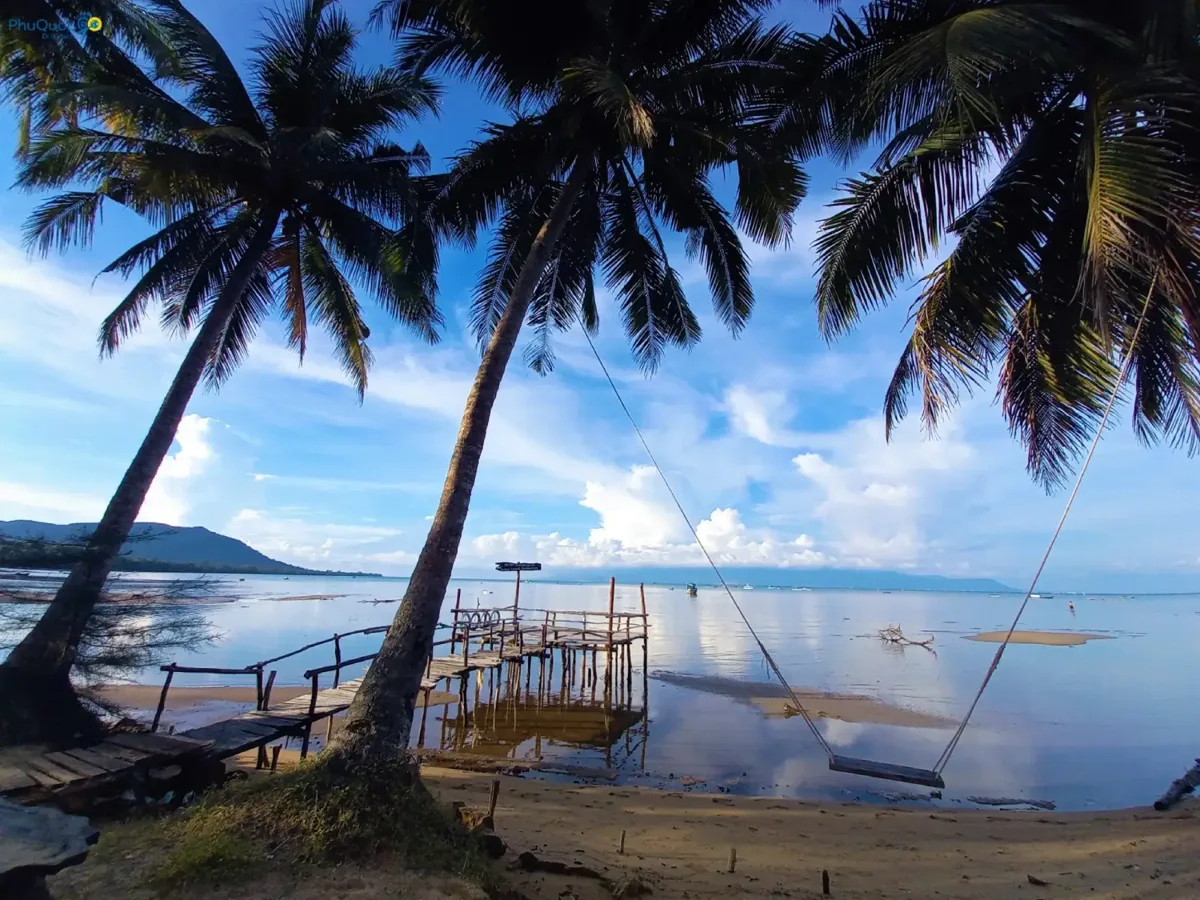
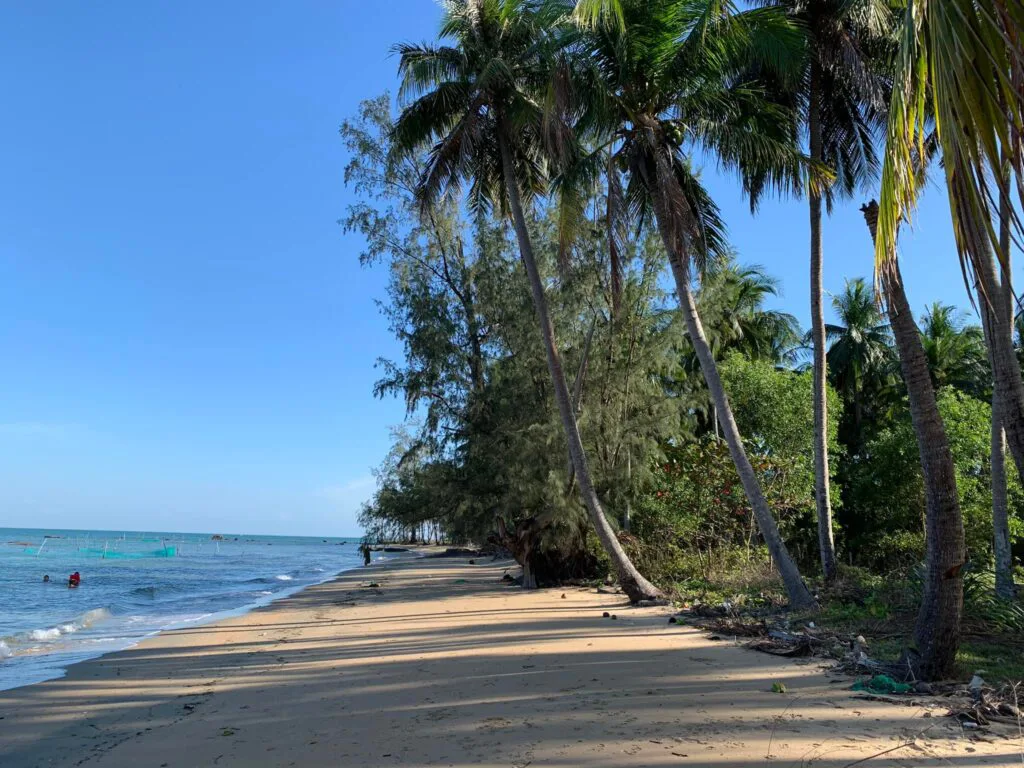
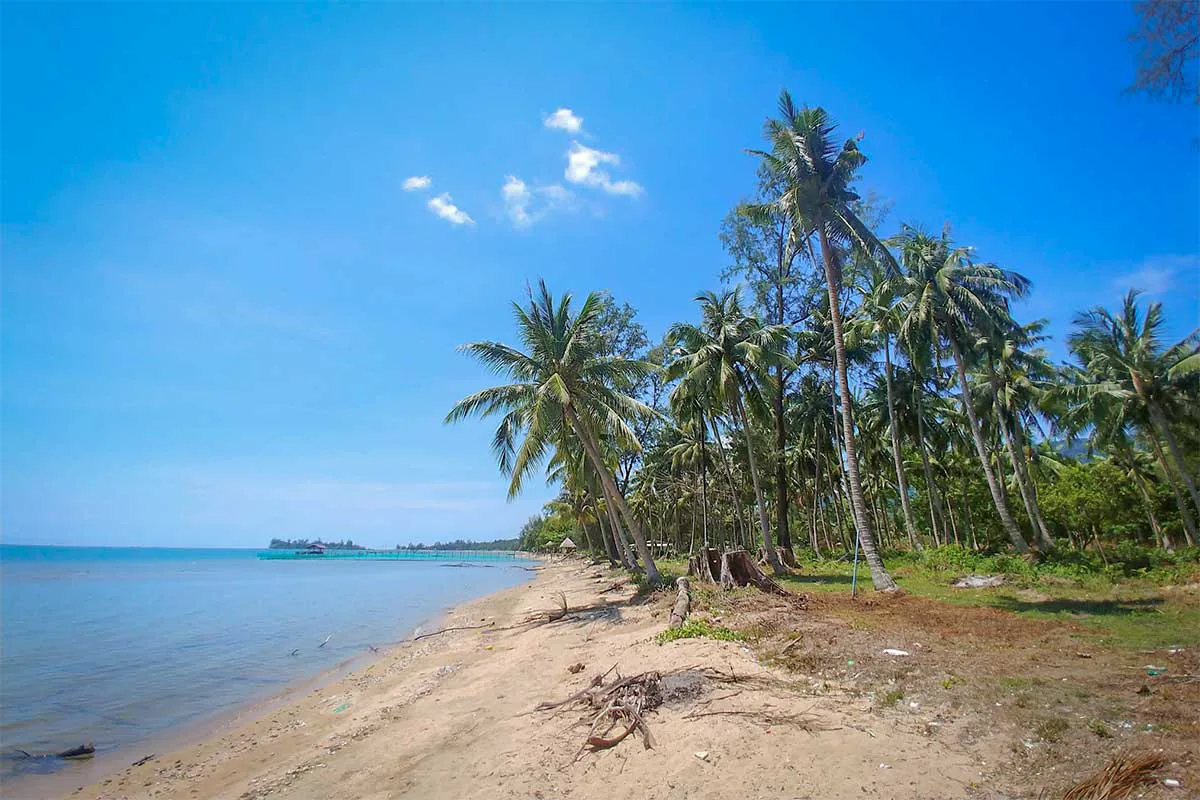
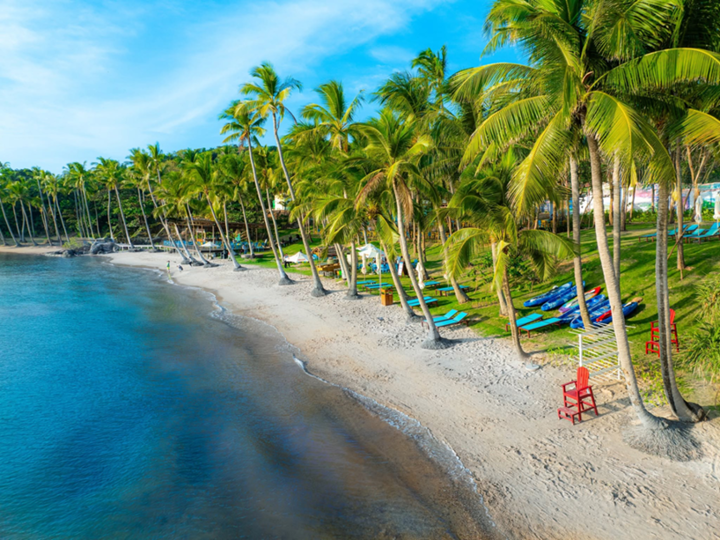
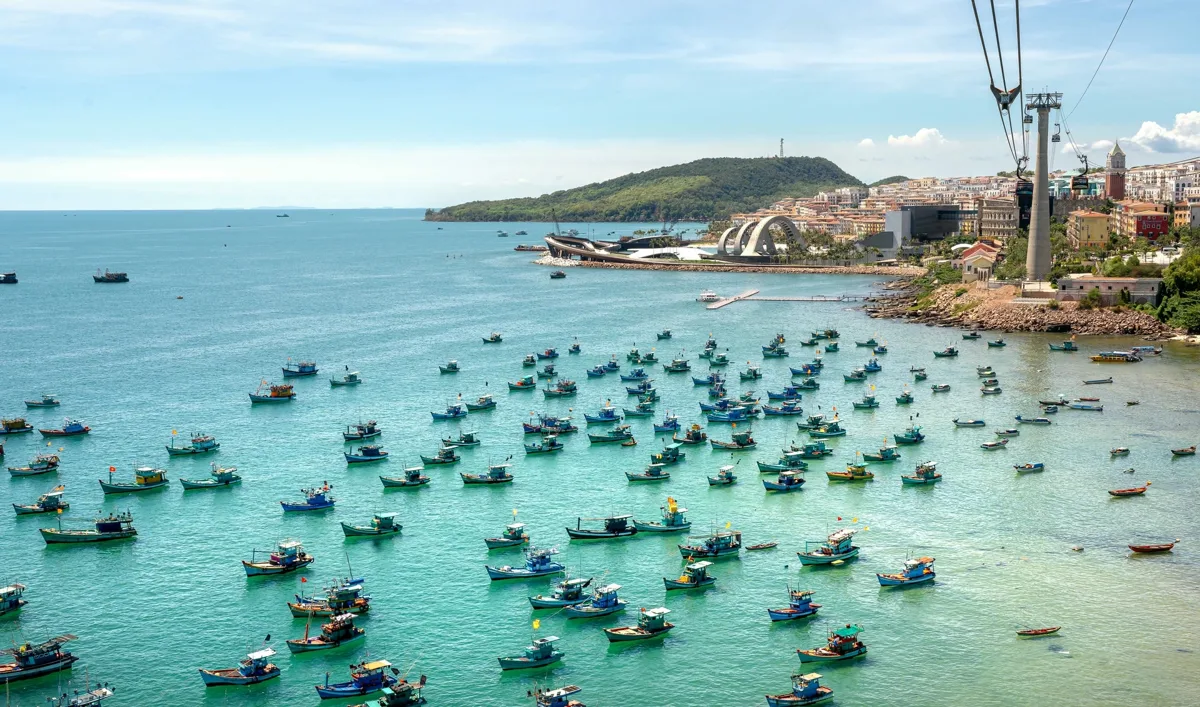
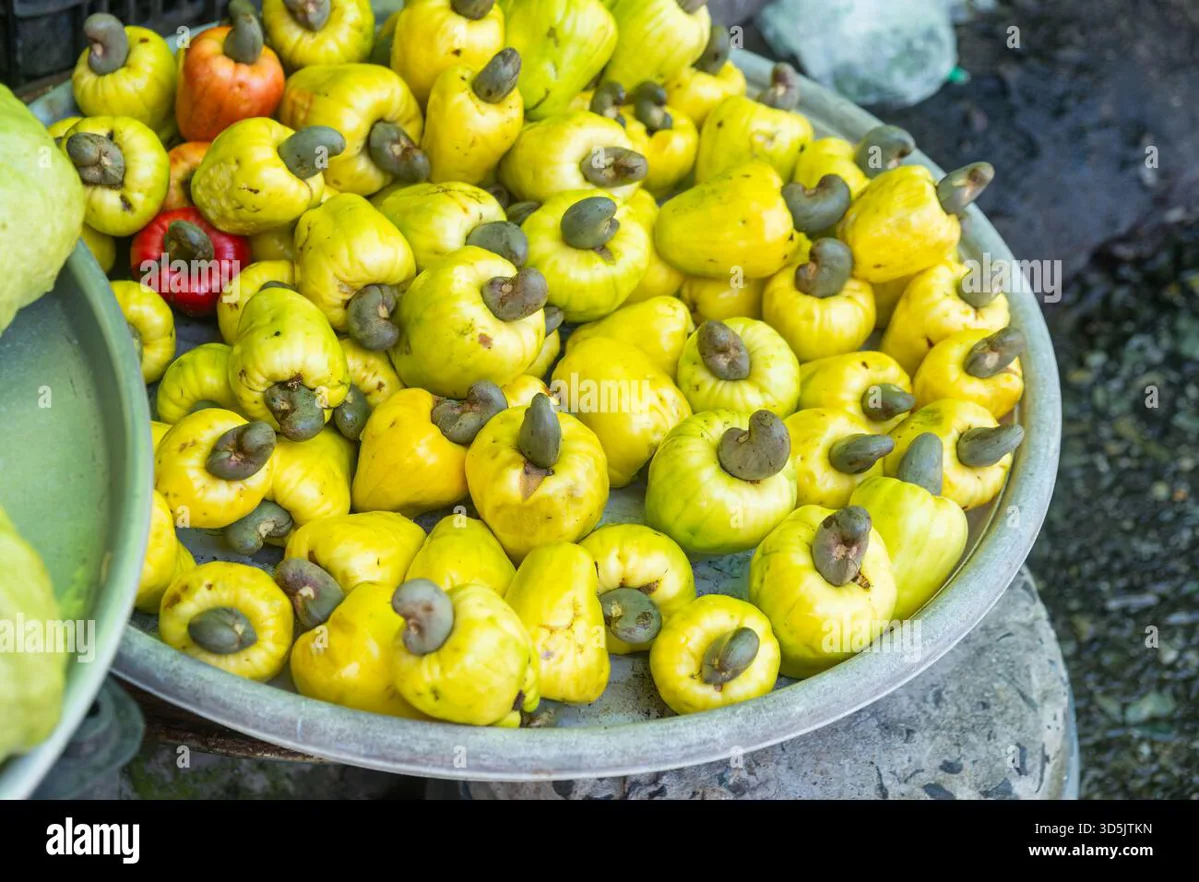
Thom Beach, located on Phu Quoc, offers a different kind of coastal experience, known for its strong, somewhat secluded ambiance. This area is generally quiet and warm, often filled with the scent of cashew fruit and the sound of cicadas. Access to Thom Beach involves navigating dirt tracks, which contributes to its remote feel. The water here is shallow and influenced by tides.
Development at Thom Beach is minimal, though some small seafood eateries, food stalls, and mid-range accommodation options can be found. It is a suitable choice for individuals seeking a peaceful and undisturbed beach environment, away from more developed tourist areas.
Long Beach (Bai Dai)
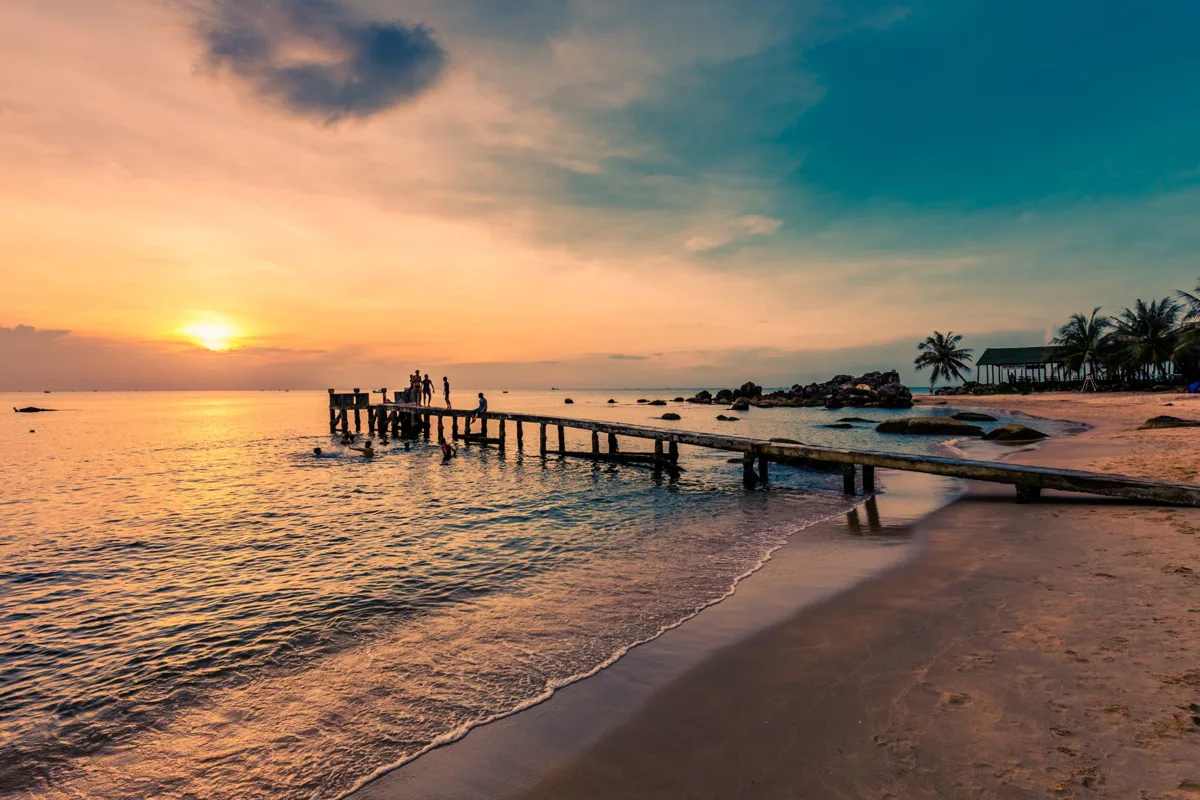
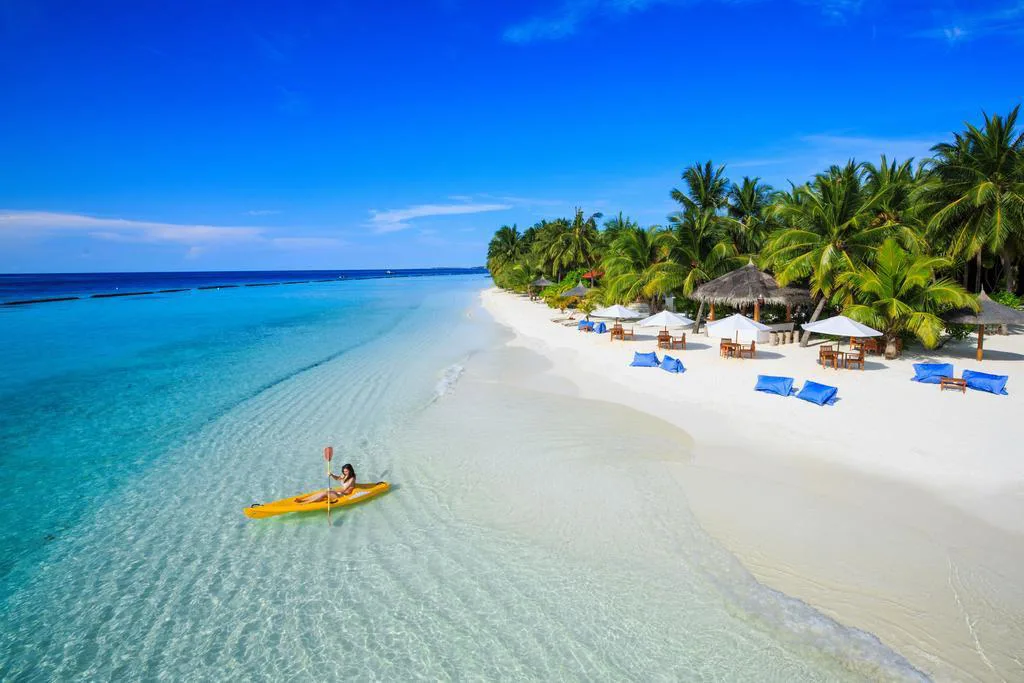
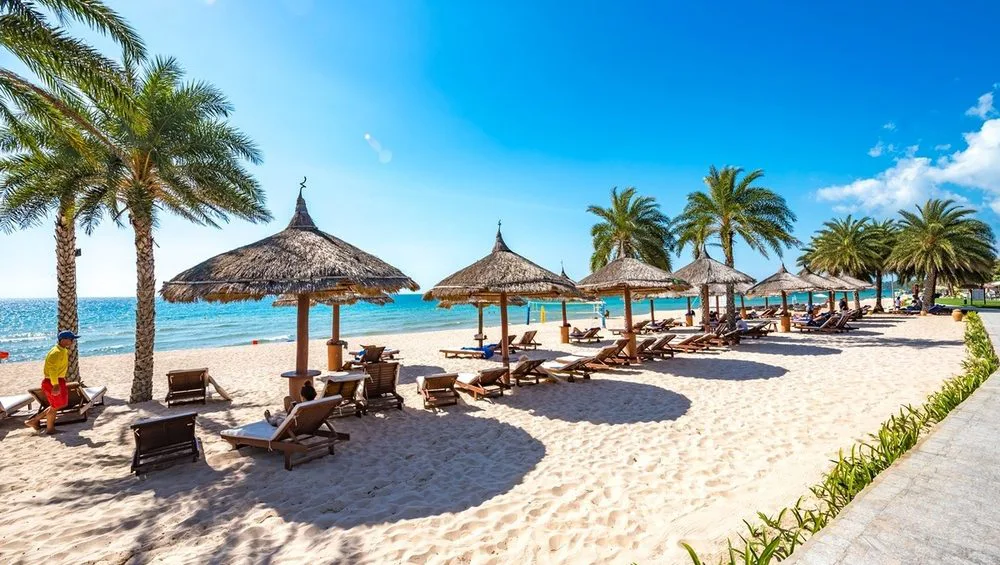
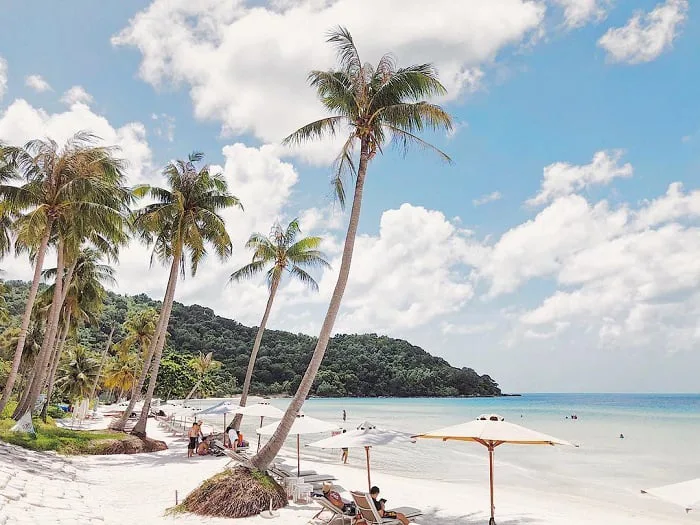
Situated on the northwestern side of Phu Quoc Island, within Kien Giang province, Long Beach is another significant coastal stretch. Its name reflects its considerable length, extending for about 15 kilometers, creating a perception of an expansive, unending shore.
This beach is often described as a serene retreat, characterized by abundant sunlight, clean water, and an atmosphere of calm seclusion. In 2008, an Australian ABC News program highlighted Long Beach as one of the world's cleanest and most appealing beaches, noting its relative lack of recognition among travelers at that time.
Comparing Phu Quoc's Coastal Options
| Beach | Location | Length | Sand Type | Water Characteristics | Atmosphere | Amenities | Notes |
|---|---|---|---|---|---|---|---|
| Truong Beach | Southwestern | ~20 km | Yellow, grassy | Calm (dry season) | Mixed (developed north, isolated south) | Tourism services, fishing shacks, pearl farming | Main tourism hub in parts |
| Sao Beach | Southeastern | Moderate | White | Sapphire, clear | Popular, lively | Seafood restaurants, tourist services | Family-friendly |
| Khem Beach | Southeastern | Moderate | White | Clear | Restricted | Limited | Military controlled, limited access |
| Thom Beach | Northeastern | Moderate | Mixed | Shallow, tidal | Secluded, quiet | Small eateries, resorts | Accessed via dirt tracks |
| Long Beach | Northwestern | ~15 km | White | Clean | Secluded, peaceful | Limited | Recognized for cleanliness in 2008 |
Planning Your Visit to Phu Quoc's Shores
When planning a trip to Phu Quoc, considering the island's distinct seasons is helpful. The dry season, typically from November to April, generally offers the most favorable conditions for beach activities, with calm seas and abundant sunshine. This period is often recommended for enjoying the clear waters and relaxing on the sand.
Transportation around Phu Quoc can involve scooters, taxis, or private car hires, depending on the desired level of independence and comfort. Some of the more secluded beaches, like Thom Beach, may require navigating unpaved roads. Visitors should prepare for sun exposure with appropriate clothing, sunscreen, and hydration. While some beaches offer extensive facilities, others are more rustic, so carrying essentials is advisable.
For a comprehensive experience of the island and its surroundings, consider a Phu Quoc Island exploration and snorkeling adventure. Exploring Vietnam's diverse coastal areas extends beyond Phu Quoc; many other regions offer unique seaside experiences. To learn more about other coastal escapes and island retreats in Vietnam, further resources are available.
Frequently Asked Questions About Phu Quoc Beaches
What is the best time of year to visit Phu Quoc for beach activities?
The period from November to April, which is the dry season, is generally considered ideal for visiting Phu Quoc's beaches. During these months, the weather is typically sunny, and the sea conditions are calm, particularly at beaches like Truong Beach.
Are there any beaches on Phu Quoc that are less crowded?
Yes, beaches like Thom Beach and the southern end of Truong Beach are known for being less developed and offering a more secluded atmosphere compared to popular spots like Sao Beach. Long Beach (Bai Dai) also provides a sense of peace and quiet due to its extensive length.
Can I find food and drink options at most Phu Quoc beaches?
Popular beaches such as Sao Beach and the developed areas of Truong Beach offer a range of restaurants and food stalls, often specializing in local seafood. More remote beaches like Thom Beach may have only a few small, local eateries or shacks, so it's wise to plan accordingly.
Is it possible to combine a Phu Quoc beach trip with other parts of Vietnam?
Absolutely. Phu Quoc can be integrated into broader travel plans exploring southern Vietnam. For example, some itineraries combine the island with experiences in the Mekong Delta, offering a mix of river life and coastal relaxation. Consider a Mekong Delta and Phu Quoc journey for a combined experience.