
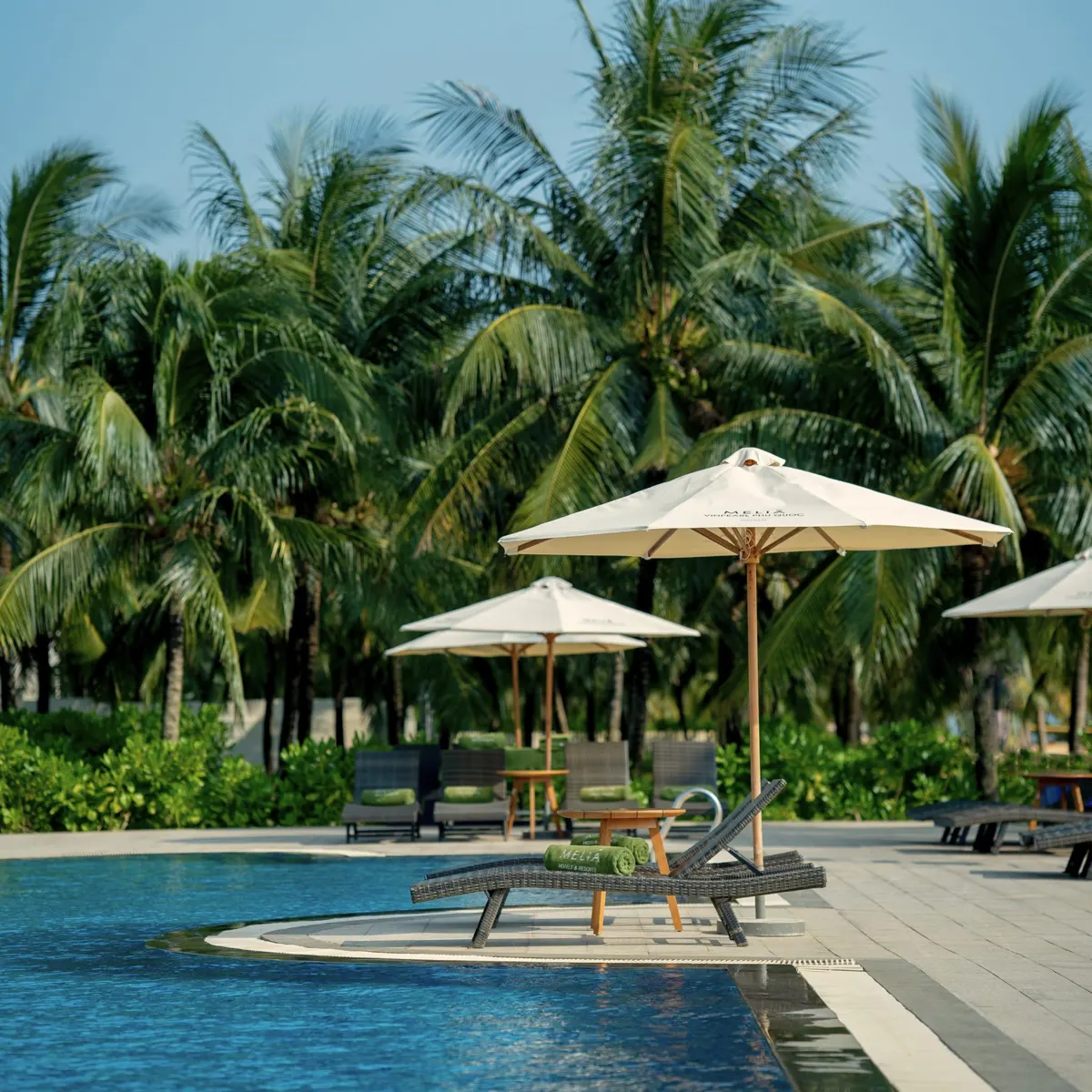
Phu Quoc Island, located in the Gulf of Thailand, offers more than just sandy shores for those seeking a Vietnamese coastal escape. This destination provides a variety of experiences, from tranquil beaches and underwater exploration to insights into local culture and significant historical sites. Visitors can discover a diverse range of activities that extend beyond typical relaxation, making it a comprehensive travel spot.
Exploring Phu Quoc's Coastline and Marine Life
Phu Quoc is widely recognized for its extensive and inviting coastline, featuring numerous beaches suitable for various preferences. From the popular stretches like Truong Beach and Long Beach to more secluded spots such as Vung Bau Beach and Ganh Dau Beach, there are options for sunbathing, swimming, and leisurely strolls. Star Beach and Khem Beach are also frequently mentioned for their appeal, alongside Thom Beach, providing ample choices for coastal relaxation. For those considering multiple island destinations in Vietnam, Phu Quoc stands out with its accessible and varied shorelines.
Beyond the shoreline, the warm waters surrounding Phu Quoc create an ideal environment for underwater activities. Diving and snorkeling are popular pursuits, particularly in the shallow areas near the island's northwest coast. Enthusiasts often visit Tiny Turtle Island and Fingernail Island, where soft and hard coral reefs are reported to be present. While large fish are not typically observed close to the Vietnamese shore, the smaller marine life and coral formations offer engaging viewing. For those interested in diving, obtaining a PADI certification is generally recommended before participating. The period from November or December through March is considered the most favorable time for these marine excursions, offering optimal water conditions.
Consider a dedicated trip to experience the underwater wonders and scenic beauty of the island. A Phu Quoc Island Exploration & Snorkeling Adventure can provide a structured way to discover these marine environments.
Cultural Encounters and Local Traditions
The island's cultural fabric is evident in its fishing communities and spiritual sites. Ham Ninh fishing village, situated in the northeast of Duong Dong town, Phu Quoc district, offers a glimpse into the traditional way of life. Here, the natural surroundings complement the peaceful routines of local fishermen. Visitors often enjoy the cool waters and observe seaweeds near the surface. The village is also known for its fresh seafood, which can be savored alongside various local beverages.
Another significant cultural landmark is Dinh Cau Temple, positioned at the mouth of the Duong Dong River, adjacent to the fishing harbor. While its structure resembles a small lighthouse, its primary function is as a shrine dedicated to Thien Hau, the goddess of the sea. This site is particularly noted as a location to witness captivating sunsets over the ocean. The temple's accessibility, being close to the main fishing area, makes it a convenient stop for many travelers.
Reflecting on History: Phu Quoc Prison
Phu Quoc holds a somber historical site that contrasts with its natural beauty: Phu Quoc Prison. This location serves as a powerful reminder of a challenging period during the Vietnam War. Historically, it was a detention facility where thousands of prisoners, many recognized as Vietnamese national heroes, were held and subjected to severe conditions.
Visiting Phu Quoc Prison provides an educational opportunity to understand the island's past beyond its reputation as a leisure destination. The site is maintained to inform visitors about the experiences of those incarcerated there, offering a perspective on the human cost of conflict. For those interested in the broader historical context of Vietnam, understanding sites like Phu Quoc Prison is crucial, much like exploring other islands with significant historical sites.
Natural Wonders and Local Industries
Beyond its coastline, Phu Quoc features inland natural attractions and thriving local industries. Painting Stream, also known as Suoi Tranh, is one such natural area. Its name suggests a scenic landscape, and indeed, it is characterized by a harmonious blend of water and rock formations. The area features waterfalls, rapids, and surrounding trees, creating a serene environment for visitors seeking a change of scenery from the beaches.
The island has also earned the moniker "Pearl Island of Vietnam" due to its significant pearl farming industry. Local pearl farmers have adopted various techniques from around the world to cultivate pearls, responding to a consistent demand for this type of jewelry. A visit to a pearl farm offers insight into the cultivation process and the craftsmanship involved in creating these natural treasures. It's an opportunity to observe a key economic activity that contributes to the island's identity.
For a broader exploration of Southern Vietnam, including its cultural and natural highlights, consider a comprehensive Southern Vietnam Discovery tour that incorporates Phu Quoc.
Planning Your Trip to Phu Quoc
When planning a visit to Phu Quoc, considering the best time of year can enhance your experience, especially for water-based activities. As noted, the period from November to March generally offers favorable conditions for diving and snorkeling. This dry season typically brings stable weather and clear waters, making it ideal for outdoor pursuits. For those planning their itinerary, understanding the regional weather patterns in November can be particularly helpful.
Accommodation options on the island range from budget-friendly guesthouses to luxury resorts, catering to different travel styles. Transportation around Phu Quoc typically involves taxis, rented motorbikes, or local tour services. While the island is known for its relaxed atmosphere, it's advisable to book accommodations and popular tours in advance, especially during peak travel seasons. Exploring the island often involves moving between its various attractions, so planning your transport can save time.
Frequently Asked Questions
What are the primary attractions on Phu Quoc Island?
Phu Quoc Island is known for its diverse attractions, including numerous beaches like Truong Beach and Star Beach, opportunities for diving and snorkeling around Tiny Turtle Island, cultural sites such as Ham Ninh fishing village and Dinh Cau Temple, the historical Phu Quoc Prison, and natural spots like Painting Stream, alongside local pearl farms.
When is the most suitable time to visit Phu Quoc for water activities?
The optimal period for water activities like diving and snorkeling in Phu Quoc is generally from November or December through March. During these months, the island typically experiences favorable weather conditions and clear waters, enhancing the marine exploration experience.
Is Phu Quoc Island suitable for history enthusiasts?
Yes, Phu Quoc Island offers historical insights, primarily through Phu Quoc Prison. This site provides a significant educational experience about a challenging period during the Vietnam War, detailing the experiences of prisoners held there. It serves as a memorial and a place for historical reflection.
Are there opportunities to experience local culture on Phu Quoc?
Visitors can experience local culture by visiting Ham Ninh fishing village, where they can observe traditional fishing life, enjoy fresh seafood, and interact with the community. Dinh Cau Temple also offers a cultural experience, serving as a spiritual site for local fishermen and a place to observe traditions.
What unique local products can be found on Phu Quoc?
Phu Quoc is renowned for its pearl farming industry, earning it the nickname "Pearl Island." Visitors can explore pearl farms to learn about the cultivation process and purchase pearl jewelry. The island is also known for its fish sauce and black pepper, which are local specialties.








