
Cambodia presents a varied landscape for travelers, encompassing ancient historical sites, tranquil beaches, and expansive natural areas. Deciding where to focus your journey can be challenging given the many options. This guide highlights key destinations throughout the country, offering insights into their primary attractions and optimal visiting periods to assist with your travel planning.
Exploring Cambodia's Ancient Wonders and Cultural Hubs
Cambodia's rich history is evident in its remarkable ancient sites and its dynamic capital city. These locations provide deep insights into the nation's past and present cultural identity.
Siem Reap: Gateway to Angkor
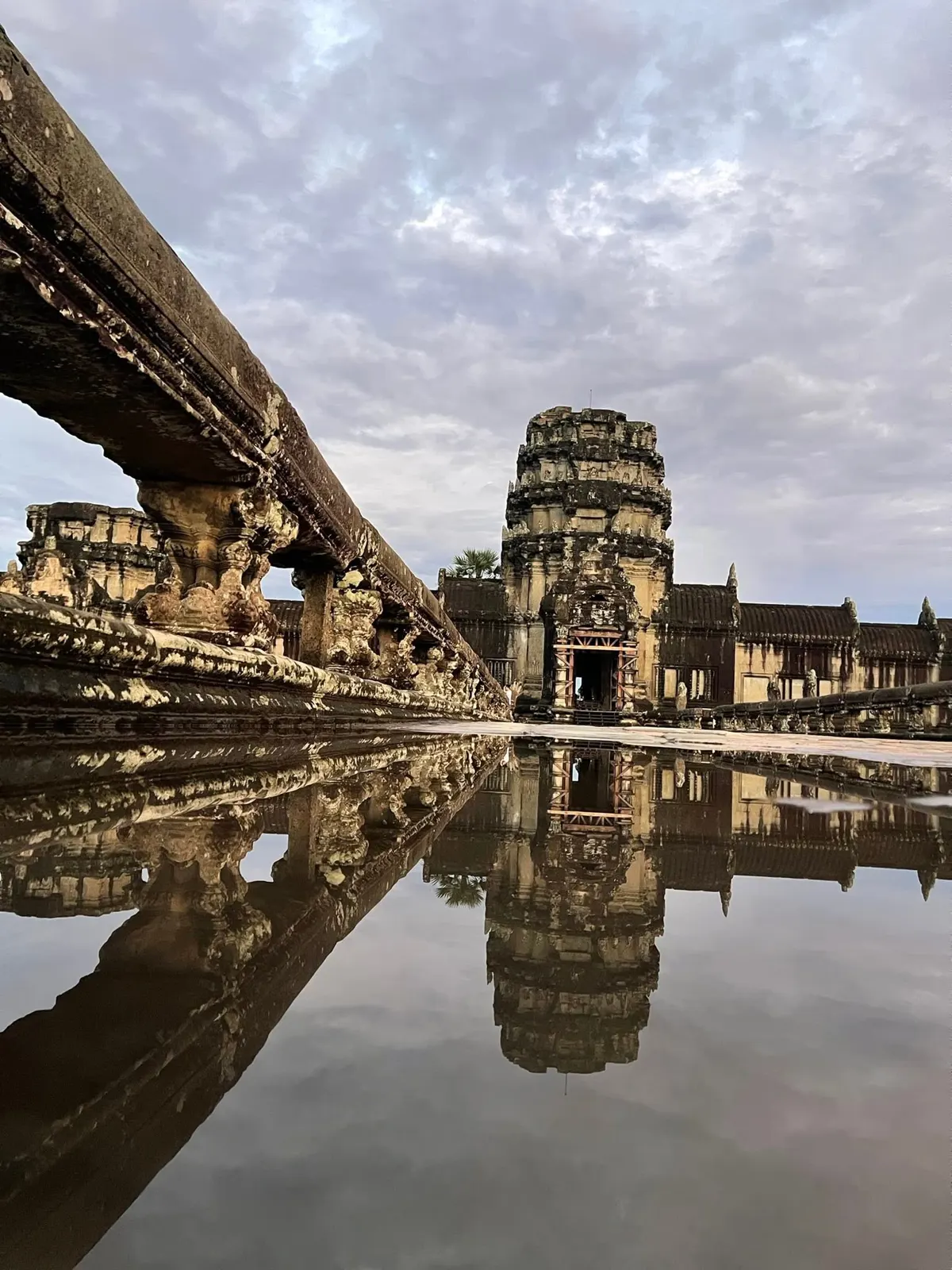
Located in the northwest, approximately 314 kilometers from Phnom Penh, Siem Reap stands as a premier destination. It was once the capital of the Angkorian Empire, and its historical significance is preserved within the vast Angkor Archaeological Park. The park is home to numerous architectural works from that era, with Angkor Wat being the most renowned. This temple complex, a UNESCO World Heritage site, spans over 400 square kilometers and is encircled by a wide moat, representing a monumental achievement of Khmer civilization.
Beyond the architectural grandeur of Angkor Wat, visitors can experience traditional Apsara dance performances, browse the goods at The Old Market, and learn about the country's history at the Cambodia Landmine Museum. The period from December to January is generally considered the most favorable time to visit Siem Reap, offering pleasant weather for exploring the extensive outdoor sites.
Phnom Penh: The Nation's Capital
Phnom Penh, the capital of Cambodia, offers a different experience compared to the ancient ruins or coastal areas. This active urban center is suitable for those who appreciate a metropolitan atmosphere. The city maintains warm weather throughout the year, with November to April often recommended, though August to October also provides agreeable conditions.
Key attractions in Phnom Penh include Wat Phnom, the Independence Monument, the Royal Palace, and the Golden Temple Silver Pagoda. The National Museum of Cambodia provides further cultural context, and local markets offer a glimpse into daily life and opportunities for shopping. For those interested in the culinary offerings of the capital, a dining guide to Phnom Penh can provide valuable information on both traditional Khmer and international cuisine.
Koh Ker: A Former Royal City
Among Cambodia's significant historical sites, Koh Ker served as a capital during the Angkorian era. Today, this ancient city is situated deep within a forest, retaining a profound sense of history. Its most distinctive feature is the pyramid of Prasat Thom, which rises majestically amidst the quiet surroundings. Despite the passage of time and historical conflicts, the structures at Koh Ker maintain a solemn presence, allowing visitors to contemplate the grandeur of a past civilization. The months from October to February are typically the best for a visit.
Prasat Preah Vihear: Mountain Temple Heritage
Prasat Preah Vihear is a prominent Khmer temple, dating back to the 11th and 12th centuries, founded under Kings Suryavarman I and Suryavarman II. Situated on the border between Cambodia and Thailand, this site has been designated a UNESCO World Cultural Heritage site. Its architecture is considered a masterpiece, featuring intricate and refined sculptural details carved into red sandstone. The temple is dedicated to Shiva and the mountain deities Sikharesvara and Bhadresvara. The optimal time to visit is from November to March.
Coastal Retreats and Island Escapes
For those seeking relaxation by the sea, Cambodia offers several appealing coastal cities and islands, each with its own character.
Sihanoukville: Cambodia's Deep-Water Port and Beaches
Sihanoukville is Cambodia's sole deep-water port city and has become a popular destination for its stretches of white sand and clear emerald waters. The city is known for its natural beauty and extensive coastline, providing a setting for relaxation. Visitors can spend time on beaches such as Serendipity Beach, Independence Beach, and Otres Beach, or explore Kbal Chhay Waterfall. The period from November to February is generally the most favorable for enjoying Sihanoukville's coastal environment.
Koh Rong Samloem: Tranquil Island Paradise
Located in the Gulf of Thailand, approximately 20 kilometers from Sihanoukville, Koh Rong Samloem offers a more serene island experience. A boat journey of about two hours brings visitors to this calm bay. In contrast to the more active Sihanoukville, Koh Rong Samloem provides a pristine and peaceful setting. The island is ideal for unwinding amidst clear waters and tropical warmth. Activities include swimming, scuba diving, snorkeling, relaxing on Lazy Beach, and visiting the lighthouse. The best time to visit is typically from November to May.
Kep: Seafood and Serenity
The coastal city of Kep, situated in southern Cambodia, is recognized for its peaceful atmosphere and culinary offerings. Its gently sloping beach features calm waves and clear water, often quieter on weekdays. Along the road behind the beach, vendors offer fresh and affordable seafood, with crab being a local specialty. Although not large, the crabs are noted for their firm texture and sweet flavor. Other seafood like squid, shrimp, and sea fish are also readily available. Kep is a suitable destination for families or groups seeking a relaxed coastal experience. December to February are the recommended months for a visit.
Koh Tonsay (Rabbit Island): An Unplugged Getaway
Koh Tonsay, or Rabbit Island, is a small island covering about 2 square kilometers, located 4.6 kilometers south of Kep city. Despite its name, the island is not known for rabbits but is said to be shaped like one. It is valued for its lasting peace, cool air, and gentle sunshine, making it an ideal spot for disconnecting and relaxing. The island offers simple pleasures like spending time on the sandy beach, enjoying the natural surroundings, and participating in fishing tours. Without Wi-Fi, luxury resorts, or extensive water activities, Koh Tonsay provides a true escape from daily routines. The best time to visit is from November to May.
Inland Adventures and Natural Landscapes
Beyond the temples and beaches, Cambodia's interior offers diverse landscapes, from agricultural regions to remote jungles and waterfalls.
Battambang: Cambodia's Second City
Battambang, Cambodia's second-largest city, is sometimes overlooked but offers a unique blend of activity and local hospitality. It lacks the famous beaches or grand Angkorian temples but provides a different kind of charm. Visitors often enjoy the local transportation known as the Bamboo Train (Norris). Other points of interest include Phnom Sampeau, Wat Ek Phnom, Phare Ponleu Selpak, and Wat Banan. Battambang is an excellent choice for those interested in exploring local life and less conventional attractions. The optimal time to visit is between November and February.
Kampot: Pepper and River Scenery
Kampot, the capital of Kampot province in the south, is known for its favorable climate and fertile land, which supports significant agriculture, particularly pepper cultivation. Kampot pepper is renowned globally for its quality. In addition to its agricultural heritage, Kampot is a growing tourist destination, offering views of mountains, rivers, and lakes, alongside various monuments. Bokor National Park and the Kampot River are popular spots, and a night market provides local goods and food. October to January are the best months for a trip.
Kratie: Mekong River and Irrawaddy Dolphins
Kratie is a small city situated on the banks of the Mekong River, characterized by its ancient buildings with French architectural influences. While not as widely known as other Cambodian destinations, many travelers choose Kratie for its quiet charm. Here, visitors can admire historical architecture and observe the rare Irrawaddy dolphins, which inhabit the Mekong River. Kratie offers a different experience for those who have explored the more prominent temple sites. The recommended time to visit is from October to January.
Banlung: Northeastern Nature and Volcanic Lake
Located in northern Cambodia, Banlung is an emerging destination for nature enthusiasts and those seeking outdoor activities. It provides opportunities for jungle expeditions, where visitors might encounter various wildlife. A key attraction is Yeak Laom Volcanic Lake, formed within an inactive crater and surrounded by natural beauty. Additionally, visitors can observe local women weaving fabrics, offering a cultural insight. November to March are the best months for a visit.
Mondulkiri: Highlands and Waterfalls
Mondulkiri province, situated about 382 kilometers northeast of Phnom Penh and bordering Stung Treng and Kratie, features a consistently cool climate and abundant natural resources. The landscape includes rolling mountains, untouched jungles, extensive pine forests, green hills, and impressive waterfalls, making it an appealing eco-tourism destination. Beyond its natural beauty, Mondulkiri is notable for its diverse regional cultures and languages, despite being sparsely populated. Visitors may hear Khmer, Lao, and Vietnamese spoken, and interact with the local communities. October to February are ideal for visiting.
Pailin: Distinct Culture and Waterfalls
Pailin is a province characterized by its mountain ranges, forests, and waterfalls. It stands out among Cambodian provinces for not primarily focusing on rice cultivation, offering a distinct experience. The region exhibits a notable Burmese influence in its local cuisine and traditional attire. Attractions include Wat Rattanak Sophoan, Wat Phnom Yat, and O'Tavao Waterfall. The best time to visit is from October to February.
Ratanakiri: Jewel of the Northeast
Ratanakiri, a remote northeastern province, shares borders with Mondulkiri, Stung Treng, Laos, and Vietnam. Its name, derived from Khmer words for "jewel" (Ratana) and "mountain" (Kiri), reflects its diverse topography, which includes hills, mountains, plateaus, lowland basins, and crater lakes. This makes Ratanakiri an ideal destination for those who appreciate nature and exploration. Key sites include Yeak Laom Lake, Virachey National Park, and several waterfalls. October to February are the recommended months for travel to this region.
Comparing Key Cambodian Destinations
| Destination | Primary Appeal | Best Time to Visit | Key Activities |
|---|---|---|---|
| Siem Reap | Ancient Temples, History | Dec-Jan | Angkor Wat, Apsara Dance, Old Market |
| Phnom Penh | Urban Culture, Royal History | Nov-Apr | Royal Palace, Wat Phnom, National Museum |
| Sihanoukville | Coastal Beaches, Port City | Nov-Feb | Serendipity Beach, Otres Beach, Kbal Chhay Waterfall |
| Kampot | Pepper Farms, River & Mountains | Oct-Jan | La Plantation Pepper Farm, Bokor National Park |
| Kratie | Mekong River, Irrawaddy Dolphins | Oct-Jan | Dolphin Habitat, French Colonial Architecture |
| Koh Rong Samloem | Tranquil Island Relaxation | Nov-May | Lazy Beach, Snorkeling, Lighthouse |
Planning Your Trip to Cambodia
When planning a trip to Cambodia, considering the time of year is important for different regions. Generally, the dry season from November to April offers pleasant weather across much of the country, making it suitable for exploring ancient sites and enjoying coastal areas. However, specific destinations like Siem Reap and the southern islands have slightly varied optimal periods.
For those interested in cultural immersion, exploring local markets and trying traditional cuisine is highly recommended. Transportation within Cambodia varies, with options ranging from local buses to private taxis and tuk-tuks, depending on the distance and destination. Always confirm current operating hours and any entry requirements for attractions, as these details can change.
Frequently Asked Questions
When is the best time to visit Cambodia?
The dry season, typically from November to April, is generally considered the most favorable period to visit Cambodia. During these months, the weather is usually cooler and drier, making it comfortable for exploring temple complexes and enjoying beach activities. However, specific regions like Siem Reap (December to January) and coastal areas (November to May) have slightly different peak seasons.
What are the must-see attractions in Siem Reap?
Siem Reap is primarily known as the gateway to the Angkor Archaeological Park. The most significant attraction within the park is Angkor Wat, a UNESCO World Heritage site. Other notable sites include Angkor Thom, Bayon Temple, and Ta Prohm. Beyond the temples, visitors often enjoy Apsara dance performances and exploring the Old Market.
Can I see Irrawaddy dolphins in Cambodia?
Yes, Irrawaddy dolphins can be observed in the Mekong River near Kratie. This small city is one of the few places where these rare freshwater dolphins can be found. Boat tours are available to take visitors to their habitats, offering a chance to see these unique creatures in their natural environment.
What kind of activities can I do in Cambodia's coastal regions?
Cambodia's coastal regions, including Sihanoukville, Kep, Koh Rong Samloem, and Koh Tonsay, offer various activities focused on relaxation and water sports. These include swimming, sunbathing on white sand beaches, snorkeling, scuba diving, and boat trips. Some islands, like Koh Tonsay, are known for a more rustic, unplugged experience, while Sihanoukville offers more developed amenities.
Is Phnom Penh worth visiting?
Phnom Penh, as Cambodia's capital, offers a rich urban experience with significant historical and cultural sites. It is home to the Royal Palace, the Silver Pagoda, Wat Phnom, and the National Museum. The city provides insight into Cambodia's recent history and contemporary life, making it a valuable stop for those interested in the country's broader narrative beyond the ancient temples.








