
A two-day trip to Vietnam's Mekong Delta offers a focused experience of its distinctive riverine culture and landscapes. This suggested itinerary guides visitors through key locations like My Tho, Ben Tre, and Can Tho, highlighting cultural sites and local activities. It provides a structured plan for those looking to maximize a short visit to this southern region, ensuring a comprehensive overview of its unique charm.
The Mekong Delta, often referred to as Vietnam's 'rice bowl', is characterized by its intricate network of rivers, canals, and lush agricultural lands. A short visit allows for an introduction to the area's daily life, traditional crafts, and agricultural practices. This guide focuses on accessible destinations and activities that can be comfortably experienced within a two-day timeframe, originating from Ho Chi Minh City.
Planning Your Mekong Delta Two-Day Visit
Effective planning is crucial for a rewarding two-day excursion into the Mekong Delta. Most journeys begin from Ho Chi Minh City, with transportation to My Tho being a common first step. The travel time from Ho Chi Minh City to My Tho typically takes around one and a half hours by bus, making it a convenient starting point for your exploration.
Consider the optimal times to visit the region for comfortable weather conditions. Early morning starts are often recommended, especially for activities like visiting floating markets, which are most active at dawn. While this itinerary provides a framework, flexibility allows for unexpected local encounters. For those who prefer structured travel, guided options such as the Mekong Delta Discovery: My Tho, Can Tho & Floating Markets – 2 Days tour can simplify logistics.
Day One: Exploring My Tho and Ben Tre
The initial day of your Mekong Delta experience centers on the areas of My Tho and Ben Tre, offering a blend of spiritual sites and interactive island activities. These adjacent provinces provide a rich introduction to the region's cultural and natural beauty.
Cultural Insights at Vinh Trang Pagoda
Upon arrival in My Tho, a visit to Vinh Trang Pagoda is a recommended starting point. This significant Buddhist temple is renowned for its distinctive architectural style, which harmoniously blends elements from both Asian and Western traditions. The elaborate exterior and serene interior spaces offer a glimpse into the religious practices prevalent in the Delta area. Visitors frequently comment on the impressive scale of the statues found within the pagoda grounds. If your bus does not stop directly at the pagoda, local residents can easily provide directions, as it is a well-known landmark.
The pagoda's design incorporates intricate details and vibrant colors, making it a compelling subject for those interested in capturing iconic landscapes and cultural moments. Observing the fusion of styles, from French colonial influences to traditional Vietnamese motifs, provides a deeper appreciation for the region's historical connections and artistic expression.
Island Experiences at Con Phung (Unicorn Island)
To fully experience the My Tho-Ben Tre area, a trip to Con Phung, also known as Unicorn Island, is essential. This tourist attraction offers a variety of activities designed to showcase local life and traditions. Visitors can enjoy leisurely boat rides through narrow canals, flanked by nipa palm trees, providing a tranquil perspective of the waterways. Engaging a local English-speaking guide can enhance this experience, offering valuable insights into the area's culture and daily routines.
One notable site on the island is the unique architectural remnants associated with Dao Dua, or the Coconut Religion, where a guide can explain its historical context. Under the shade of fruit orchards, guests can sample honey tea and fresh tropical fruits while listening to performances of “Don ca tai tu,” a traditional Southern Vietnamese folk music style recognized for its cultural significance. For a more interactive experience, some areas allow visitors to participate in activities such as draining ditches to catch fish using traditional methods, offering a direct connection to local farming practices. Additionally, some locations on Unicorn Island provide opportunities for crocodile fishing, which many find to be an exciting activity.
Day Two: Can Tho City and Cai Rang Floating Market
The second day focuses on Can Tho City, a larger urban center in the Delta, and its iconic floating market. To facilitate an early morning visit to the market, it is advisable to travel to Can Tho in the late afternoon of Day One and arrange overnight accommodation there.
The Cai Rang Floating Market Experience
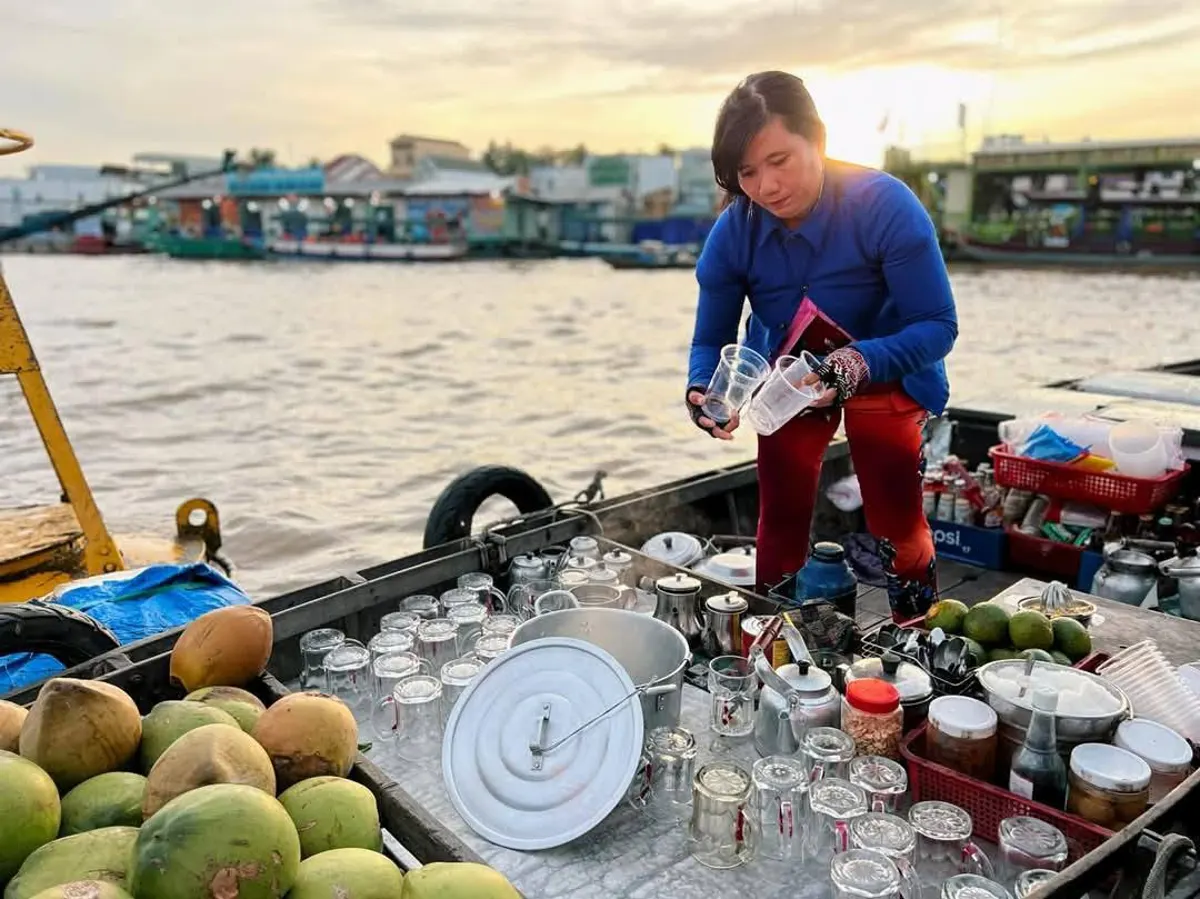
The Cai Rang Floating Market is a quintessential Mekong Delta experience, best observed in the early hours. The market typically operates from approximately 5:00 AM to 7-8:00 AM. During this time, dozens of boats laden with various agricultural products gather, creating a lively scene of trade and commerce. Vendors on smaller sampans navigate through the market, offering breakfast items and beverages directly to other traders and visitors.
This market provides a unique opportunity to witness a traditional form of commerce and gain an understanding of the region's distinctive market culture. Purchasing fresh fruits or enjoying a local breakfast from a boat offers a direct way to participate in this authentic environment. For more culinary insights, consult a Can Tho dining guide.
Countryside Cycling and Fruit Orchards
Beyond the floating market, Can Tho offers opportunities to explore the surrounding rural landscapes. Cycling along village paths provides a closer look at the pastoral scenery and local fruit orchards. While some plantations have become more frequented by visitors in recent years, a local guide can still lead you to less commercialized areas, offering a more authentic view of the agricultural life and the chance to understand experiencing local life in the countryside.
Practical Information for Your Mekong Delta Trip
When planning your visit, consider a few practical aspects to ensure a smooth journey. Transportation from Ho Chi Minh City to My Tho is readily available via public buses, offering a cost-effective way to begin your itinerary. For internal travel between My Tho, Ben Tre, and Can Tho, local buses or hired vehicles are common options.
Accommodation in Can Tho City is diverse, ranging from budget-friendly guesthouses to more upscale hotels, primarily concentrated in the city center. It is prudent to research and book your preferred lodging in advance, especially during peak travel periods. While exploring, remember to carry sufficient local currency, as not all vendors or small establishments may accept card payments. Light, breathable clothing is recommended due to the tropical climate, along with insect repellent and sun protection.
Key Locations and Activities in the Mekong Delta Itinerary
This table summarizes the main locations and activities mentioned in the two-day itinerary, along with any available practical details. Please note that specific addresses, phone numbers, and exact pricing were not supplied in the source material and should be verified locally or through additional research.
| Location/Activity | Description | Operating Hours (verify locally) | Notes |
|---|---|---|---|
| Vinh Trang Pagoda (My Tho) | Historic Buddhist temple featuring a blend of Asian and Western architectural styles. | Not supplied in source | Easily accessible from My Tho city center. |
| Con Phung (Unicorn Island) Tourist Attraction (Ben Tre) | Offers activities like canal rowing, local music performances, honey tea tasting, and traditional farming experiences. | Not supplied in source | Consider hiring a local English-speaking guide for deeper insights. |
| Cai Rang Floating Market (Can Tho) | A major floating market where goods are traded directly from boats. Breakfast vendors are also present. | Approximately 5:00 AM to 7-8:00 AM | Best visited early in the morning for the most activity. |
| Can Tho City Accommodation | Various hotels available to suit different budgets. | Check-in/Check-out times vary by hotel | Research and book in advance, especially during peak seasons. |
Frequently Asked Questions
How long does it take to get to My Tho from Ho Chi Minh City?
Travel from Ho Chi Minh City to My Tho typically takes approximately one and a half hours by bus, making it a convenient destination for the start of a Mekong Delta trip.
What is the best time to visit Cai Rang Floating Market?
The Cai Rang Floating Market is most active and offers the most authentic experience between 5:00 AM and 7-8:00 AM. An early morning visit is highly recommended to witness the full scale of its operations.
Is a local guide recommended for the Mekong Delta?
Yes, a local guide can significantly enhance your experience in the Mekong Delta. They provide valuable cultural insights, especially at sites like Con Phung (Unicorn Island), and can help navigate and explain local customs during activities such as exploring fruit orchards.
What kind of accommodation is available in Can Tho?
Can Tho City provides a wide selection of hotels, catering to various standards and budgets. Most accommodations are conveniently located in the city center, offering easy access to local attractions and transport links.
What is "Don ca tai tu"?
"Don ca tai tu" is a traditional folk music style originating from Southern Vietnam. It is a significant cultural element of the region and is often performed for visitors, particularly at tourist attractions like Con Phung (Unicorn Island), providing a glimpse into traditional folk music styles of the country.








