
For numerous visitors to Ho Chi Minh City, an excursion to the Mekong Delta frequently ranks as a primary consideration. It is often presented as a tranquil escape from urban activity, a region where daily routines unfold at a measured pace along waterways bordered by coconut groves and small communities. Promotional materials and online descriptions frequently highlight floating markets, traditional musical performances, regional cuisine, and glimpses into rural existence. However, the actual experiences of many tourists do not always align with these initial imaginings. There exists a notable distinction between a conventional Mekong Delta tour and a truly meaningful engagement with the area. Understanding this difference can profoundly influence your travel arrangements and what you ultimately gain from your visit.
Understanding Mekong Delta Visits: Expectations vs. Reality
Most travelers arrive with a specific vision of the Mekong Delta. They picture narrow channels shaded by tropical foliage, local families residing by the riverbanks, and small wooden vessels gliding gently across the water. They anticipate observing daily life unfold organically, without feeling rushed or staged. This expectation is not misplaced; the Mekong Delta genuinely offers such experiences. However, the degree to which this vision is realized depends significantly on the approach taken to explore the region.
The region's character is deeply tied to its extensive river system and the agricultural practices it supports. Rice paddies stretch for miles, and fruit orchards line the canals, all sustained by the Mekong River's fertile waters. Beyond the visual appeal, the Delta is a place where traditions persist, and community life often revolves around the waterways. Visitors hoping to connect with this essence should consider how their travel choices facilitate or hinder such interactions. For a comprehensive overview of the region's offerings, consider exploring Mekong Delta experiences.
The Limitations of Standard Group Excursions
Many standard Mekong Delta tours are structured to accommodate a large number of guests within a limited timeframe. These excursions typically adhere to predetermined itineraries with strict schedules. Participants are often moved swiftly from one location to another, usually in sizable groups, with minimal time allocated at each stop. Rather than experiencing the rhythm of daily life, visitors might feel they are observing a series of staged demonstrations. A brief visit to a coconut candy production facility, a short boat trip, a quick cultural performance, and then it's time to return to the vehicle. While these activities are not fabricated, they are frequently simplified and packaged for the sake of efficiency and mass appeal. Consequently, many travelers depart feeling they have seen the Mekong Delta, but not truly absorbed its character.
The primary element often absent from these conventional tours is genuine human connection. When every moment is tightly scheduled, there is little opportunity for interaction with local residents or for gaining insight into their way of life. Meals might be served in establishments catering to tourists rather than in family homes. Guides may originate from urban centers rather than the specific villages being visited. This creates a psychological distance between the traveler and the destination. Instead of feeling integrated, the experience can remain largely observational.
Cultivating Genuine Mekong Delta Connections
A more authentic engagement with the Mekong Delta tends to be slower, more individualized, and less predictable. Such an experience might involve sitting in a small boat propelled by a local farmer, not merely for a quick photograph, but for an extended journey through tranquil canals. It could mean sharing a meal in a family residence, where the food is prepared using methods passed down through generations. It may also include conversations, even if simple or requiring translation, that offer direct insights into local routines and perspectives. During these moments, the Mekong Delta transcends being merely a destination and transforms into a lived experience.
Opting for a slower pace allows for a deeper understanding of the region's nuances. Travelers can witness the subtle shifts in daily life from morning to evening, observe local customs, and appreciate the agricultural cycles that define the area. This approach contrasts sharply with hurried visits that only skim the surface. Embracing slow travel in Vietnam can significantly enhance your appreciation for destinations like the Mekong Delta.
Why Group Size and Participation Matter
One of the most critical factors influencing your experience is the size of the group. Large groups often restrict flexibility and diminish opportunities for meaningful interaction. It becomes challenging to engage in a genuine dialogue or explore at your own pace when moving with dozens of other people. Smaller groups, conversely, permit a more relaxed schedule. They create room for spontaneous moments, such as lingering longer at a local market or spending additional time conversing with a host family. While this difference might seem minor initially, it alters the entire atmosphere of the trip.
Another significant distinction lies in how activities are presented. On many tours, participants observe demonstrations. They watch the process of making coconut candy or a traditional music performance, remaining passive spectators. In a more authentic setting, travelers are often invited to participate. They might attempt making the candy themselves, assist a local family in preparing a dish, or learn to maneuver a traditional boat. Active participation fosters a deeper connection and renders the experience more memorable and personal.
Navigating Floating Markets: Timing is Key
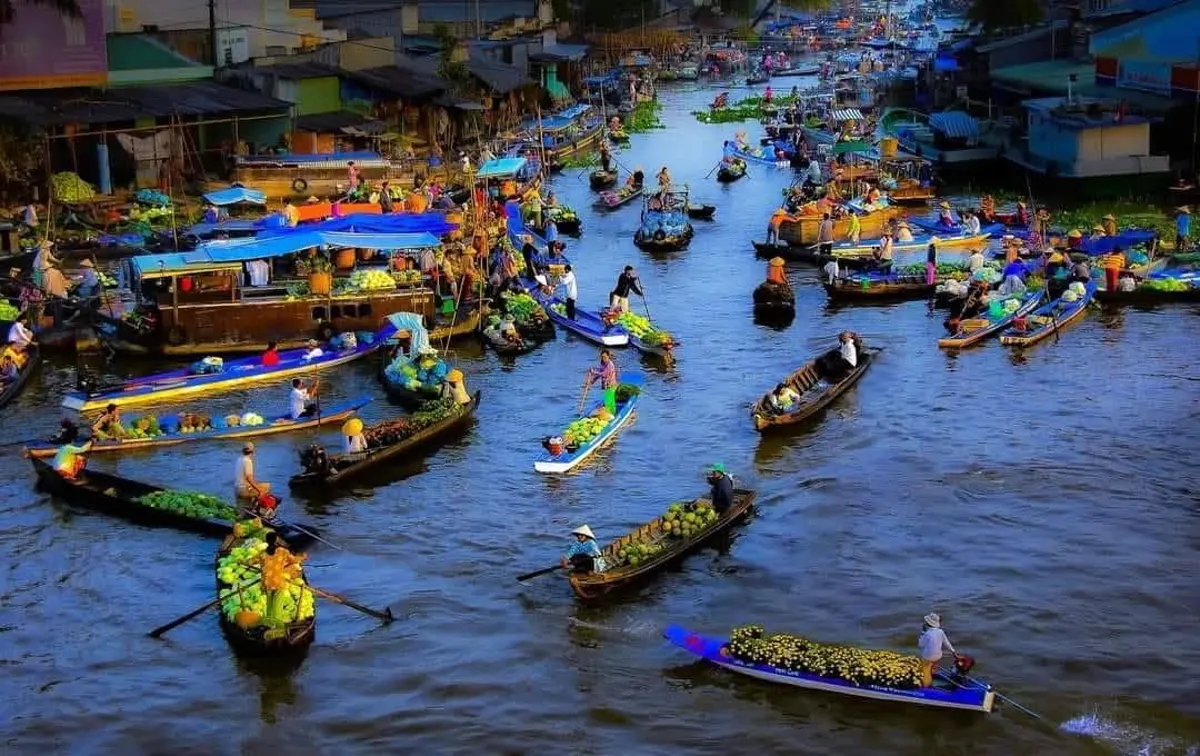
Floating markets are frequently highlighted as a main attraction in Mekong Delta tours. However, many visitors are surprised to find that some markets are less active than anticipated, particularly if they arrive at an unsuitable time of day. The reality is that these markets function as centers for daily commerce, not as performances for tourists. The busiest period is typically early in the morning, when local vendors are actively engaged in buying and selling various goods. Tours that arrive later in the day might only showcase a quieter version of the market, which can feel underwhelming if expectations are not properly managed.
For those interested in exploring a prominent urban center within the Delta, Can Tho serves as a key hub and offers access to some of the most active floating markets, such as Cai Rang, especially during morning hours. It's advisable to verify market operating times with local sources or tour operators to ensure you visit when activity is at its peak.
Supporting Local Communities and Embracing Slower Travel
In an authentic Mekong Delta experience, local communities are not merely part of the scenery; they are active contributors to the visitor's journey. Families who provide meals, guide guests, or share their skills directly benefit from this form of tourism. This fosters a more equitable exchange where both travelers and local residents gain from the interaction. In contrast, mass tourism often directs the majority of its revenue through larger commercial operators, with less direct financial benefit reaching the communities themselves.
One common misunderstanding about the Mekong Delta is that it can be fully appreciated in just a few hours. While a day trip can offer a superficial overview, the region reveals far more when explored at a leisurely pace. Staying overnight, rising early, and observing the daily routines allows travelers to witness a different aspect of the Delta. Morning markets, peaceful evenings, and conversations with local families contribute to a richer understanding of the area. Slowing down transforms the experience from a mere checklist of sights into a personal narrative. For a multi-day journey that includes homestays and market visits, consider a Mekong Delta homestay and floating markets tour.
Selecting Your Mekong Delta Exploration
Travelers aiming for a more authentic experience should carefully evaluate how tours are structured. Seek out excursions that prioritize small group sizes, employ local guides, and incorporate community-based activities. It is also beneficial to choose itineraries that allocate sufficient time at each location, rather than attempting to cover too many places in a single day. Reviewing feedback that details specific experiences, beyond general satisfaction, can also offer valuable insights. The objective is not to avoid tours entirely, but to select options that align with the type of experience you wish to have. For those looking for a comprehensive multi-day adventure, a Mekong Delta river life and Tra Su Forest adventure provides a deeper dive into the region.
| Feature | Typical Group Tours | Authentic Experiences |
|---|---|---|
| Group Size | Large (20-50+ people) | Small (1-10 people) |
| Pace | Fast, rushed itinerary | Slow, flexible, unhurried |
| Interaction with Locals | Limited, often superficial | Direct, personal, conversational |
| Activities | Observation, demonstrations | Participation, hands-on learning |
| Meals | Tourist-oriented restaurants | Family homes, local eateries |
| Guides | Often from cities | Local residents with deep knowledge |
| Benefit to Community | Indirect, through large operators | Direct, supporting local families |
| Depth of Experience | Surface-level highlights | Deeper cultural immersion |
Frequently Asked Questions
What is the primary difference between a standard Mekong Delta tour and an authentic experience?
The main distinction lies in the depth of engagement. Standard tours often prioritize efficiency and cover many sights quickly with large groups, leading to a more observational experience. Authentic experiences, conversely, emphasize slower travel, smaller groups, direct interaction with local communities, and opportunities for participation, fostering a deeper connection to the region's culture and daily life.
Are floating markets always active, or is timing important?
Timing is crucial for visiting floating markets. These are active trading hubs, not tourist attractions, and are typically busiest early in the morning when local vendors conduct their commerce. Arriving later in the day might result in a quieter market with less activity, which can be disappointing if expectations are not set correctly.
How can I ensure my visit benefits local communities directly?
To support local communities, seek out tours that explicitly mention small group sizes, employ local guides, offer homestay options, or include activities where you interact directly with local families for meals or craft demonstrations. These approaches ensure that tourism revenue directly reaches the residents who are sharing their culture and way of life.
Is it possible to experience the Mekong Delta in just one day?
While a day trip can provide a brief introduction to the Mekong Delta, it generally offers only a superficial glimpse. To truly understand the region's rhythm, culture, and people, a slower, multi-day visit that includes an overnight stay is often recommended. This allows for early morning market visits, peaceful evenings, and more meaningful interactions.
What should I look for when choosing a tour operator for an authentic experience?
When selecting a tour, prioritize operators that highlight small group sizes, flexible itineraries, and a focus on cultural immersion and local interaction. Look for reviews that specifically mention genuine experiences, local guides, and opportunities for participation rather than just general satisfaction. Inquire about how the tour supports local economies.
The Mekong Delta stands as one of Vietnam's most culturally rich areas, but the nature of your visit is entirely shaped by your chosen method of exploration. A typical excursion might present the main attractions, yet a more considered approach enables you to comprehend the individuals, customs, and daily routines that underpin these sights. By opting for slower, more individualized experiences, travelers can move beyond superficial observations and forge meaningful connections. Ultimately, the Mekong Delta is more than just rivers and boats; it encompasses people, narratives, and moments that cannot be hurried, and these are the experiences that endure long after your journey concludes.








