
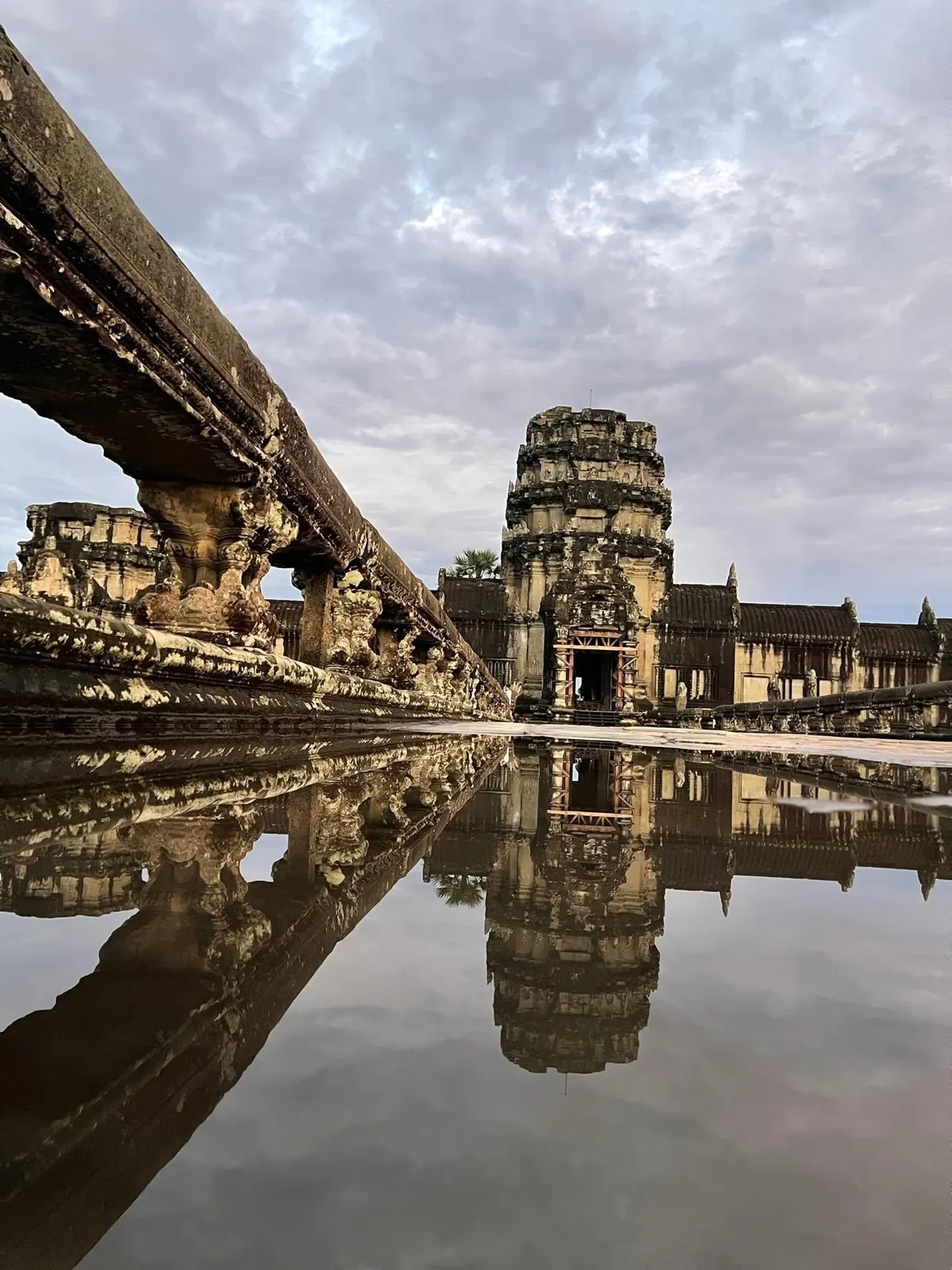
Cambodia presents a rich array of experiences for travelers, moving beyond the widely recognized Angkor Wat. While the ancient temple complexes are a significant draw, the nation also features varied natural environments, historical sites, and cultural interactions that contribute to a complete travel experience. For those considering a trip to this Southeast Asian country, understanding the breadth of its offerings is key to planning a fulfilling itinerary.
Many visitors are initially drawn to Cambodia for its historical monuments, but the country holds much more to explore. From coastal areas to riverine communities and verdant countryside, the landscapes provide a backdrop for different kinds of adventures. Organizing a journey here involves considering various aspects, including transportation, accommodation, and the types of activities that align with individual interests.
Exploring Cambodia Beyond the Ancient Temples
While Angkor Wat stands as a global symbol of Cambodia, the country's appeal extends to numerous other sites and activities. Travelers can find themselves captivated by the capital city of Phnom Penh, a guide to Cambodia's historical capital, with its royal palace and poignant historical museums. Beyond the major cities, opportunities exist to witness rural life, explore national parks, and relax on southern beaches.
The eastern regions offer mountainous terrain and waterfalls, while the southern coast boasts islands and seaside towns. The Mekong River, a central artery through the country, provides unique perspectives on local life and landscapes, often explored via boat trips. These diverse settings allow for itineraries that blend history with nature and cultural immersion, catering to a wide range of preferences.
Planning Your Cambodian Journey: Key Considerations
When preparing for a trip to Cambodia, several practical elements warrant attention. International flights typically arrive at airports in Phnom Penh or Siem Reap, with numerous airlines serving these routes. Travelers often find it beneficial to research flight options well in advance to secure suitable timings and fares.
Accommodation choices in Cambodia are extensive, ranging from luxury resorts to more budget-friendly guesthouses. The type of lodging selected often depends on a traveler's budget and desired level of comfort. Additionally, considering the duration of stay and preferred pace of travel helps in structuring an itinerary that allows for both exploration and relaxation. For those seeking a comprehensive experience through multiple countries, a Southern Vietnam and Ancient Cambodia Temples tour could be an ideal option.
Accommodation Options in Cambodia
Cambodia caters to a broad spectrum of accommodation preferences and budgets. In major tourist hubs like Siem Reap and Phnom Penh, visitors can select from high-end hotels offering extensive amenities and services. These establishments often feature swimming pools, fine dining, and concierge assistance, appealing to those seeking a luxurious travel experience.
For travelers on a more modest budget, there are plenty of mid-range hotels, boutique guesthouses, and hostels available. These options provide comfortable and clean lodging, often with local charm, at more accessible price points. Many accommodations, regardless of their star rating, are known for their hospitality and can assist guests with local transport and activity bookings.
Experiencing Cambodian Culture and Landscapes
Beyond the architectural wonders, Cambodia offers rich cultural encounters. Visitors can learn about traditional arts and crafts, sample local cuisine, and engage with communities. The country's history is deeply intertwined with its present, and understanding this context enhances any visit. Exploring local markets, attending cultural performances, or participating in cooking classes are popular ways to connect with Cambodian heritage.
The natural environment also provides many opportunities for engagement. From exploring the Tonlé Sap Lake, Southeast Asia's largest freshwater lake, to venturing into remote areas, the landscape is varied. Some travelers enjoy cycling through rural villages or taking boat trips along rivers to observe daily life. For a deeper exploration of the region's waterways, consider a Mekong River cruise from Saigon to Siem Reap.
Practical Advice for Travelers to Cambodia
To ensure a smooth trip, travelers should be aware of a few practical aspects. The local currency is the Cambodian Riel (KHR), though US dollars are widely accepted, especially in tourist areas. It's advisable to carry smaller denominations of US dollars for convenience.
Regarding health and safety, consulting a doctor about recommended vaccinations before travel is always prudent. Staying hydrated, especially during warmer months, and using insect repellent are also common recommendations. While Cambodia is generally considered safe for tourists, exercising standard precautions, such as safeguarding valuables, is always wise.
Comparison of Cambodian Travel Experiences
| Experience Type | Focus | Typical Activities | Best Suited For |
|---|---|---|---|
| Cultural Immersion | Understanding local traditions, history, and daily life | Temple visits, market exploration, cooking classes, village tours, historical site visits | History enthusiasts, cultural learners, those seeking authentic local interactions |
| Adventure & Nature | Engaging with Cambodia's natural environments | Trekking, cycling, river cruises, wildlife spotting, beach relaxation, island hopping | Active travelers, nature lovers, those seeking outdoor pursuits |
| Relaxation & Luxury | Enjoying high-end services and comfortable stays | Spa treatments, resort stays, fine dining, private tours, leisurely exploration | Travelers prioritizing comfort, luxury, and a slower pace |
Frequently Asked Questions
What are the primary entry points for international travelers to Cambodia?
The main international airports for arrivals in Cambodia are located in Phnom Penh, the capital city, and Siem Reap, which serves as the gateway to the Angkor temple complex. Both airports handle a significant volume of international flights.
Is Cambodia suitable for budget travelers?
Yes, Cambodia can accommodate budget travelers. While luxury options are available, there are numerous affordable guesthouses, local eateries, and public transportation choices that allow visitors to manage their expenses effectively.
Besides Angkor Wat, what other historical sites should I consider visiting?
Beyond Angkor Wat, other significant historical sites include the Royal Palace and Silver Pagoda in Phnom Penh, the S21 Prison and Killing Fields for a look into recent history, and other temples within the greater Angkor archaeological park like Bayon and Ta Prohm. Exploring Cambodia's ancient outposts, Koh Ker and Beng Mealea temples, also offers unique historical perspectives.
What is the best way to travel between cities in Cambodia?
Travel between Cambodian cities can be accomplished by bus, private taxi, or domestic flights. Buses are generally the most economical option, while private taxis offer more flexibility. For longer distances, domestic flights provide a quicker alternative.
What kind of cuisine can I expect in Cambodia?
Cambodian cuisine, often referred to as Khmer cuisine, features a balance of sweet, sour, salty, and bitter flavors. Staples include rice, fish, and fresh herbs. Popular dishes include Amok (a fish curry), Lok Lak (stir-fried beef), and various noodle soups. Street food is also a prominent and delicious part of the culinary landscape.








