Cambodia, historically recognized as the Khmer Empire, is situated in the southern part of the Indochina Peninsula in Southeast Asia. It shares its borders with Thailand to the northwest, Vietnam to the east, Laos to the northeast, and the Gulf of Thailand to the southwest. For those considering a visit, understanding the country's geography, cultural heritage, and available tour options can enhance the travel experience, allowing for a comprehensive exploration of its significant sites and traditions.
An Overview of Cambodia's Geography and Cultural Heritage
The nation's official religion is Theravada Buddhism, observed by approximately 95 percent of the population, profoundly influencing daily life and cultural expressions. Phnom Penh serves as both the capital and the largest urban center. The country's cultural identity is shaped by a blend of influences, including Theravada Buddhism, Hinduism, the historical Angkorian period, French colonial rule, and contemporary global interactions. Khmer culture, in particular, defines the country's distinctive styles in sculpture, architecture, and dance.
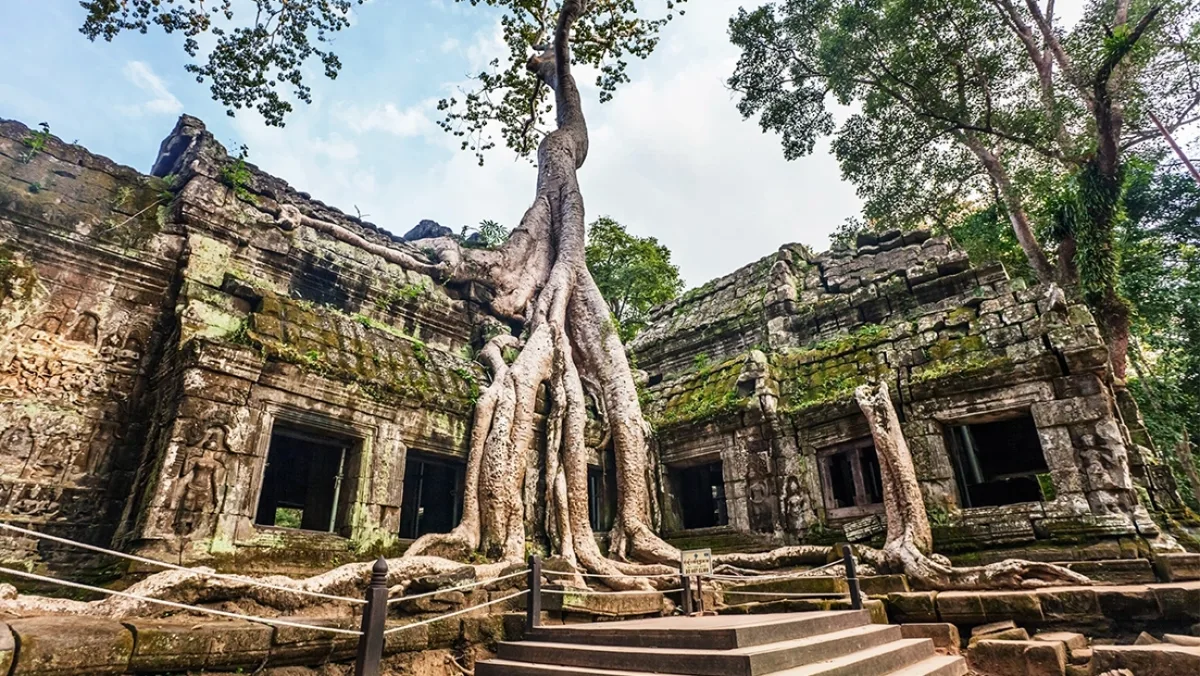
A prime example of Khmer architectural prowess is Angkor Wat, a monumental temple complex now recognized as a World Heritage Site. Beyond its ancient structures, Cambodia's culinary landscape is another significant aspect of its heritage. Traditional dishes frequently feature soups, various noodles, and a selection of tropical fruits. Characteristic ingredients that contribute to the unique flavors include lemongrass, kaffir lime, fish sauce, oyster sauce, soy sauce, garlic, curry, ginger, tamarind, black pepper, and coconut milk.
Key Destinations and Historical Sites
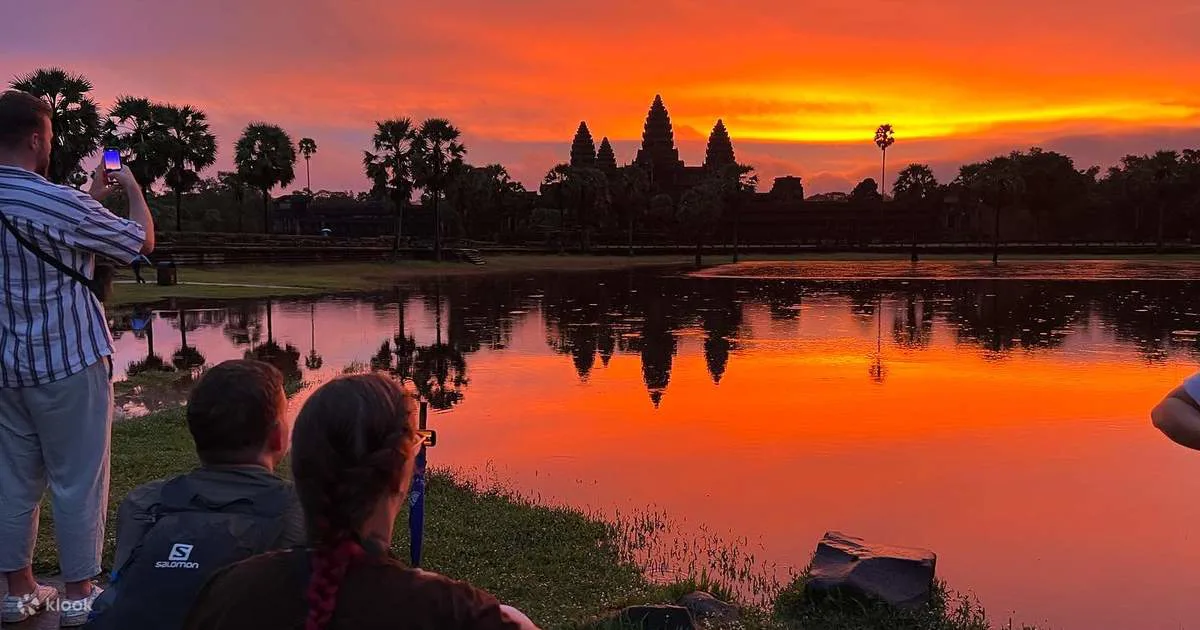
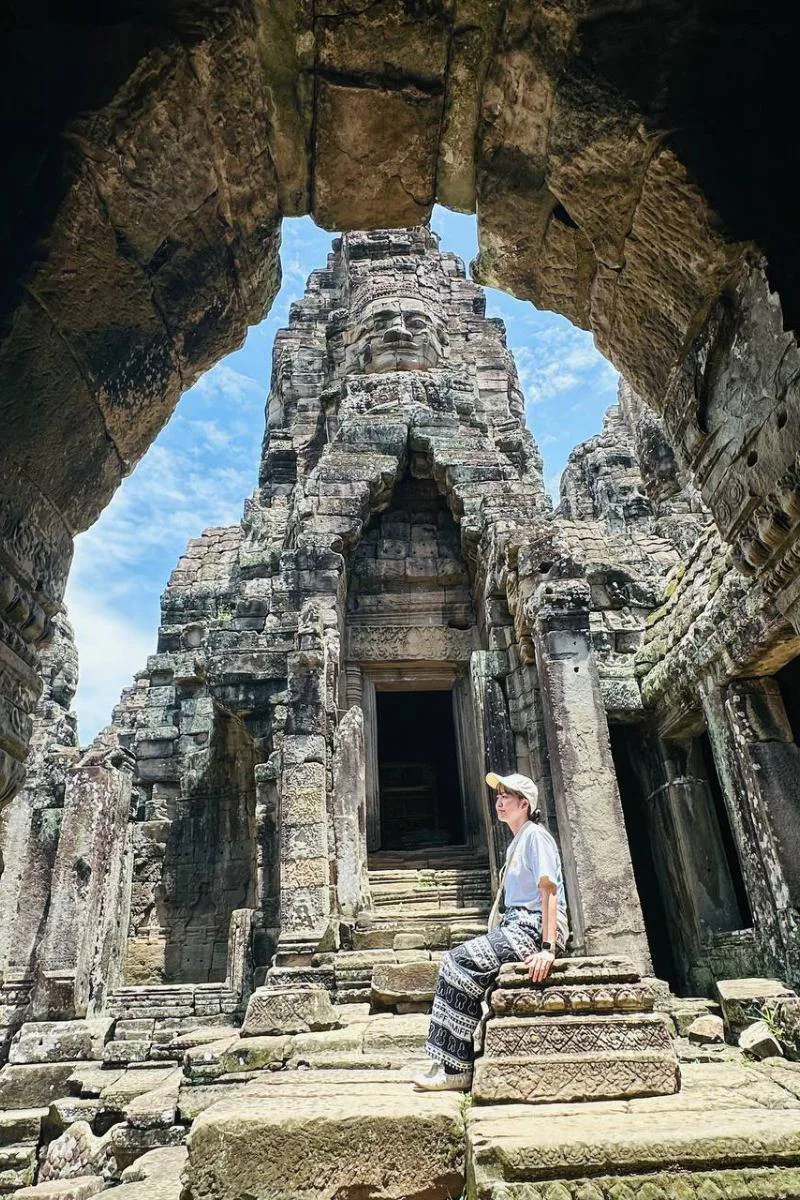
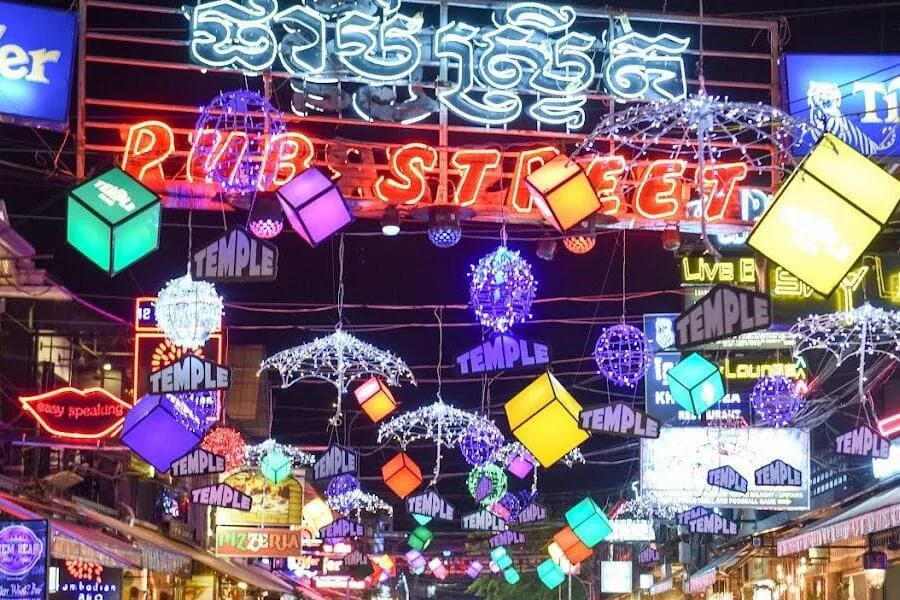
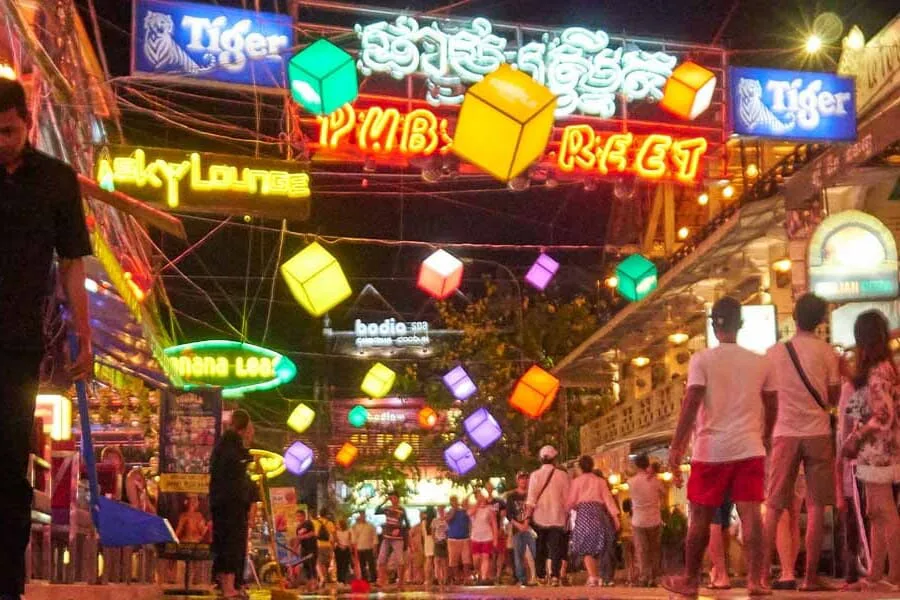
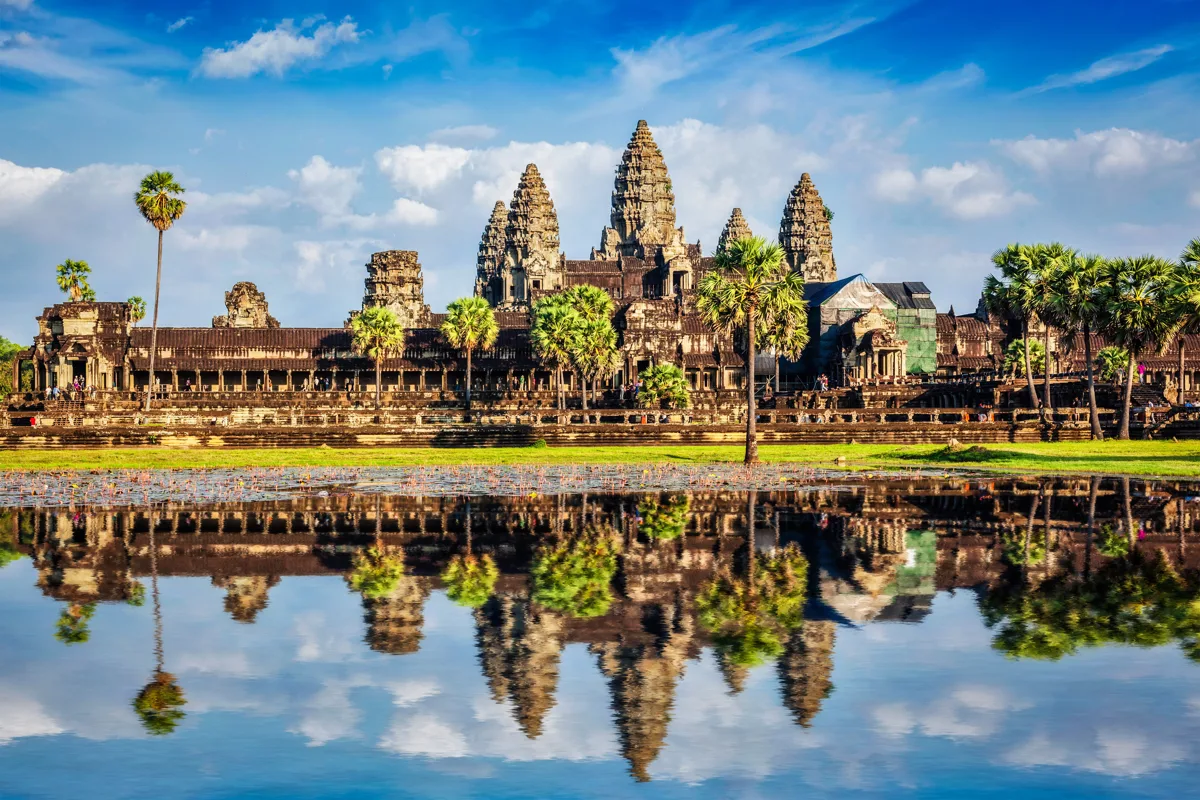
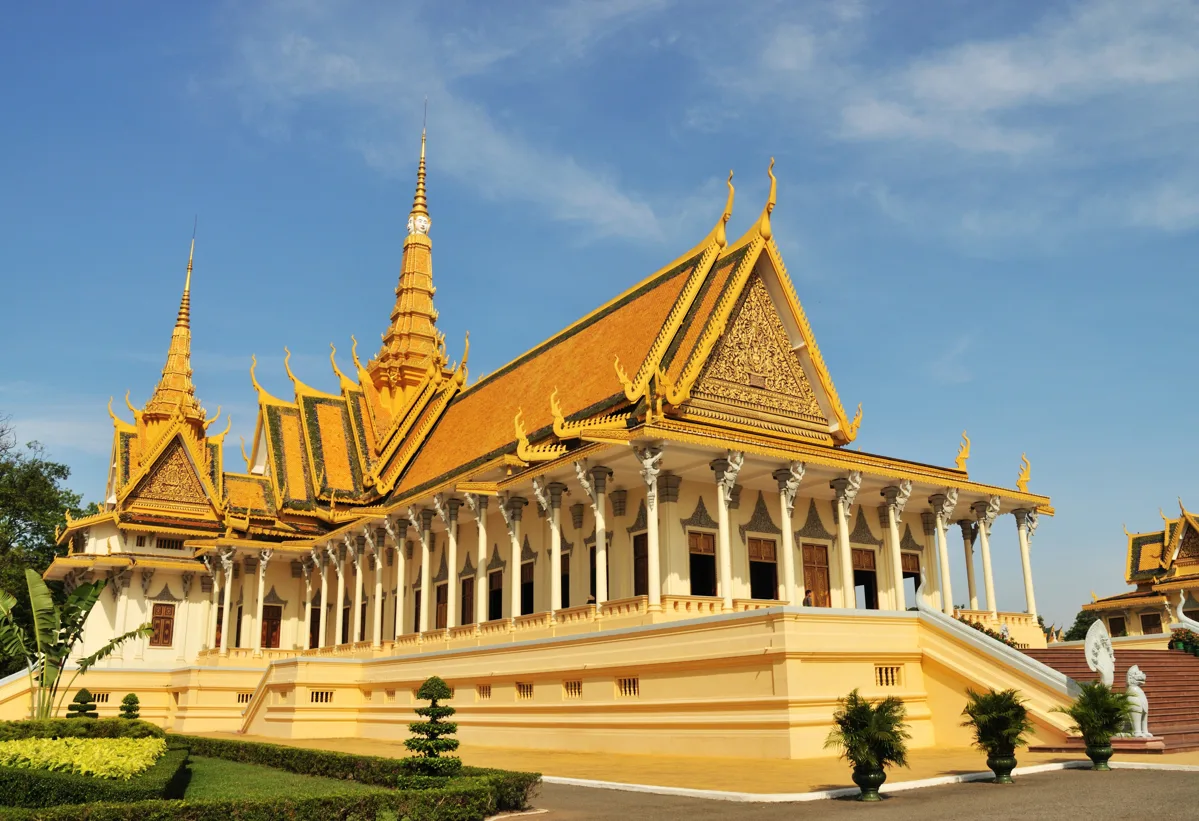
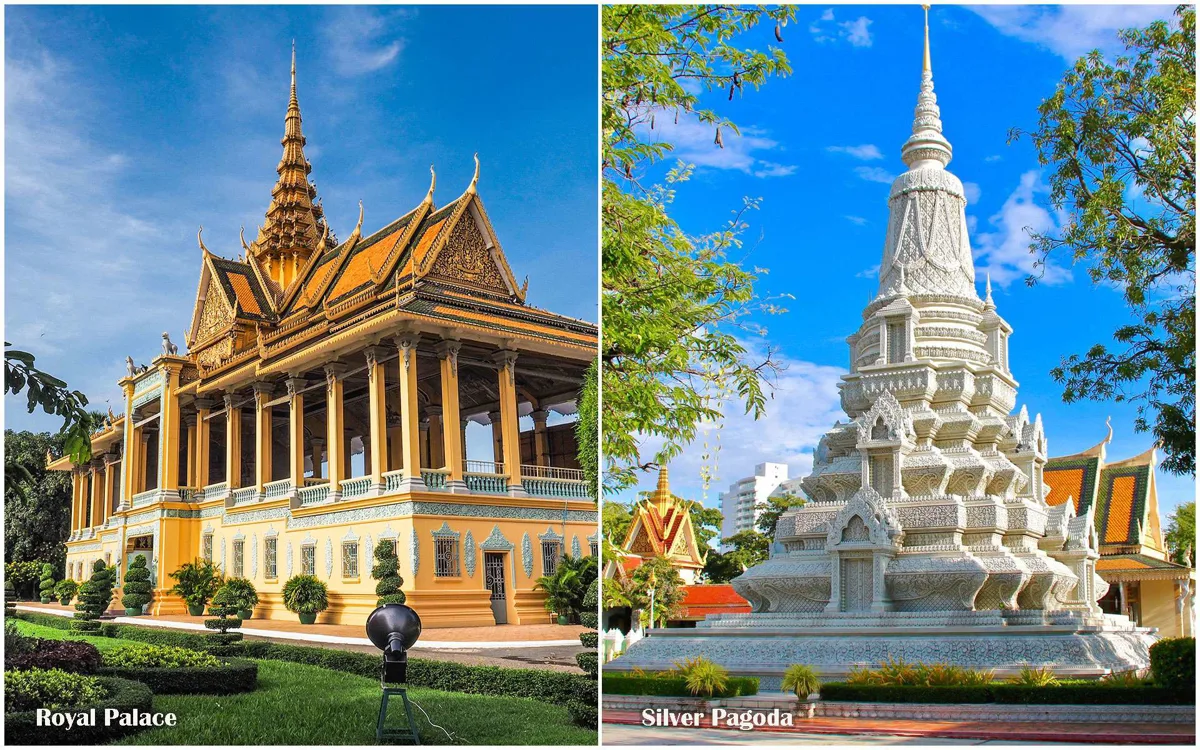
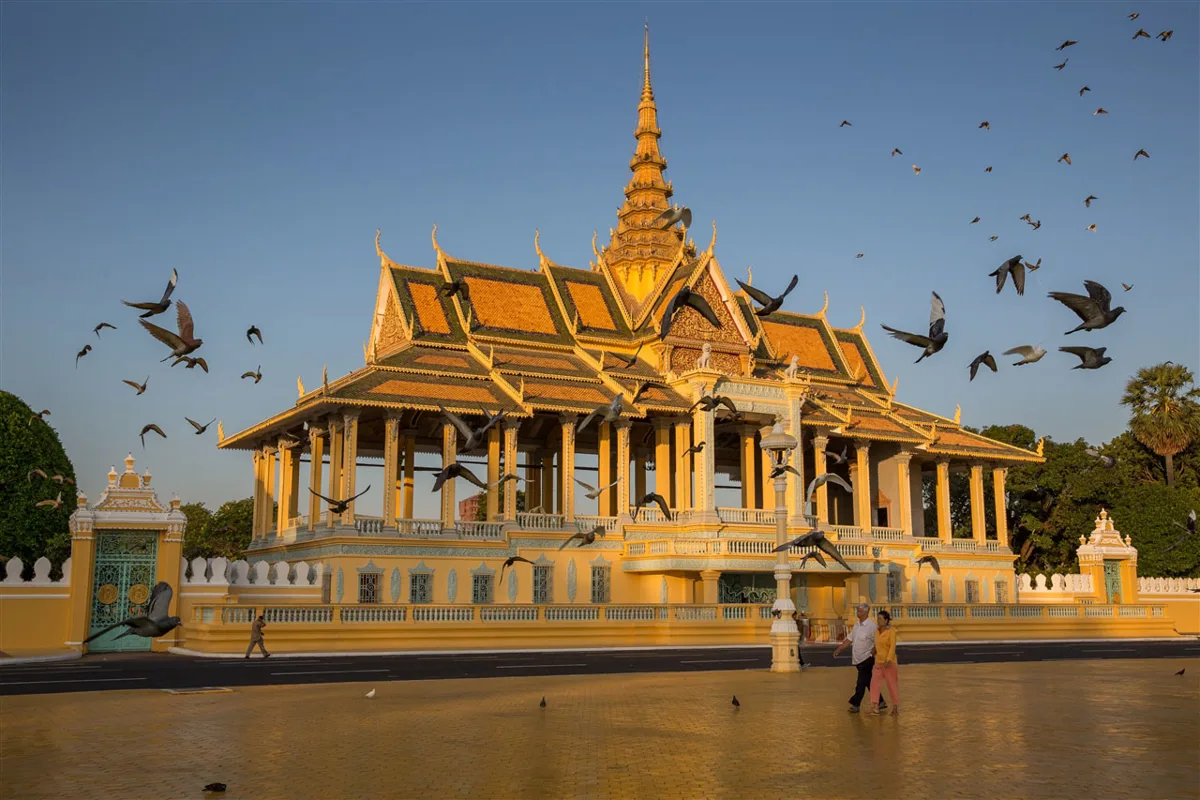
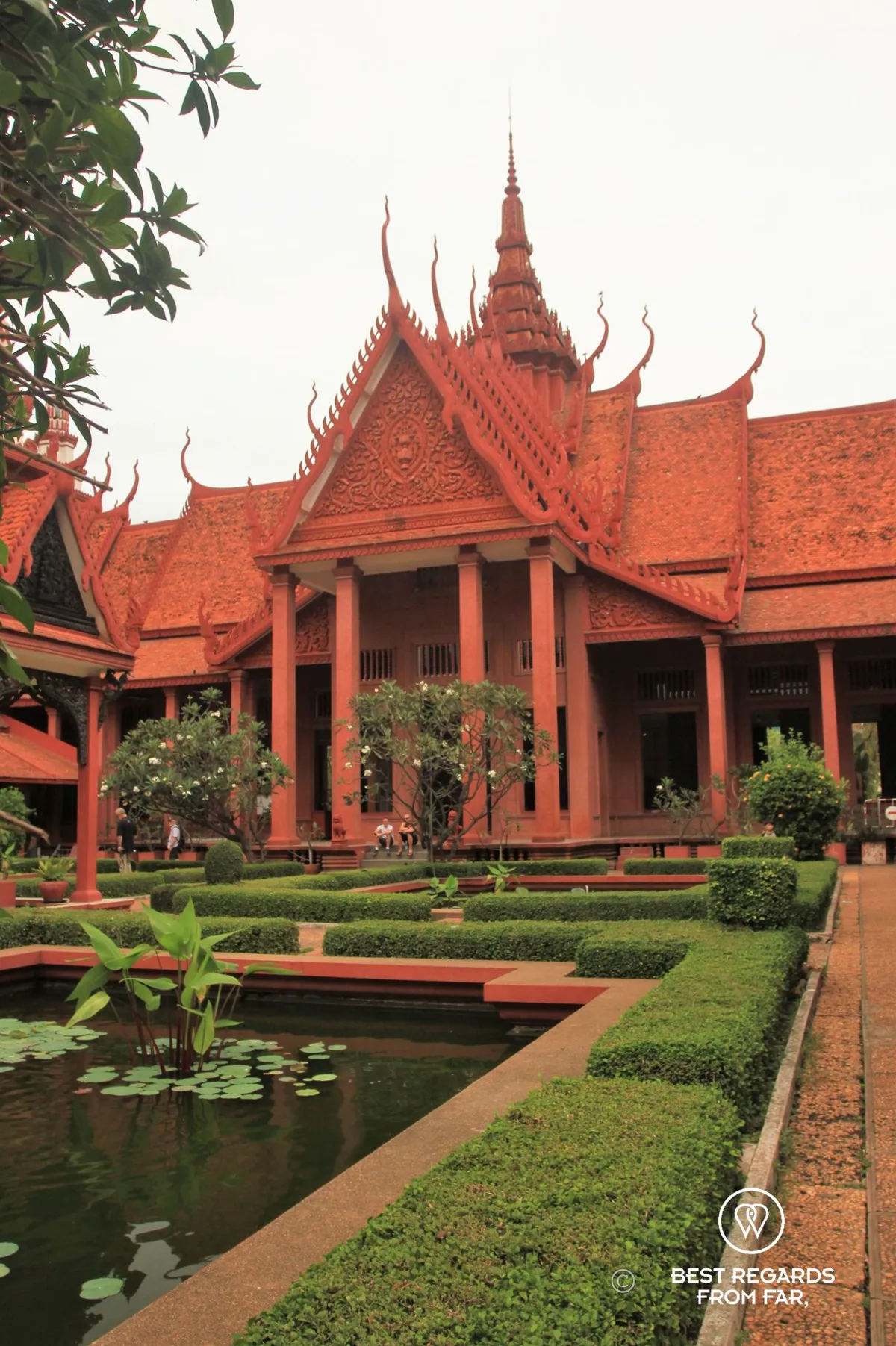
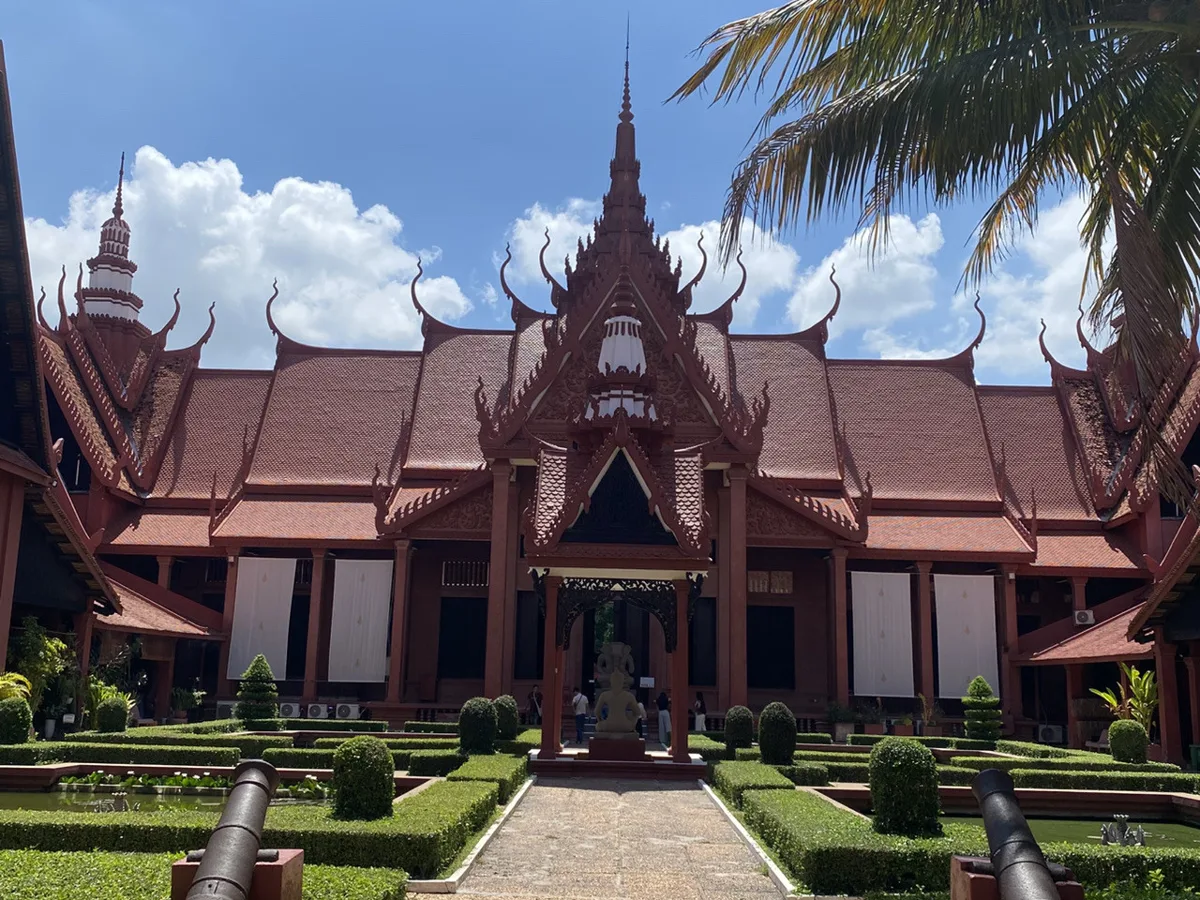
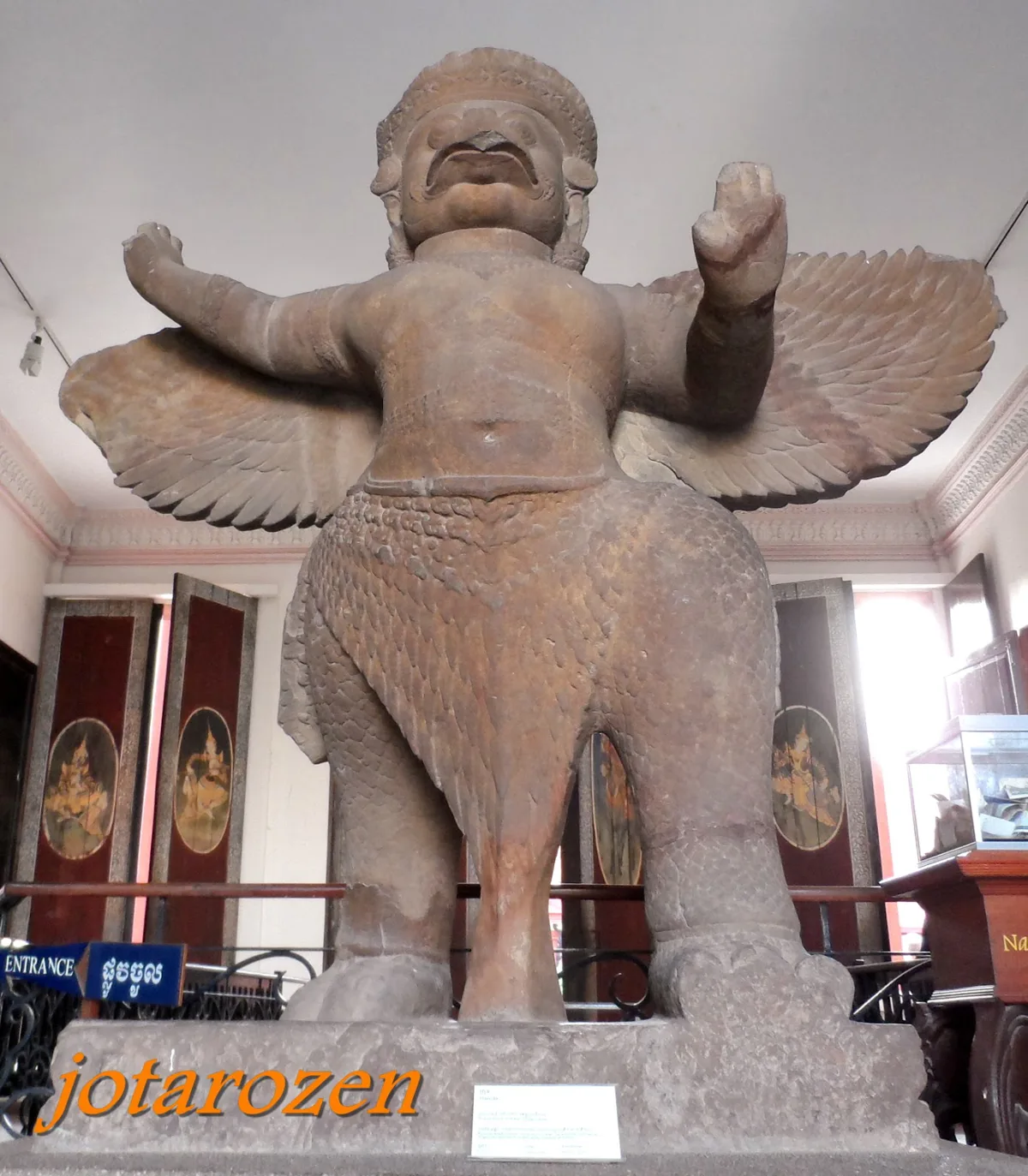
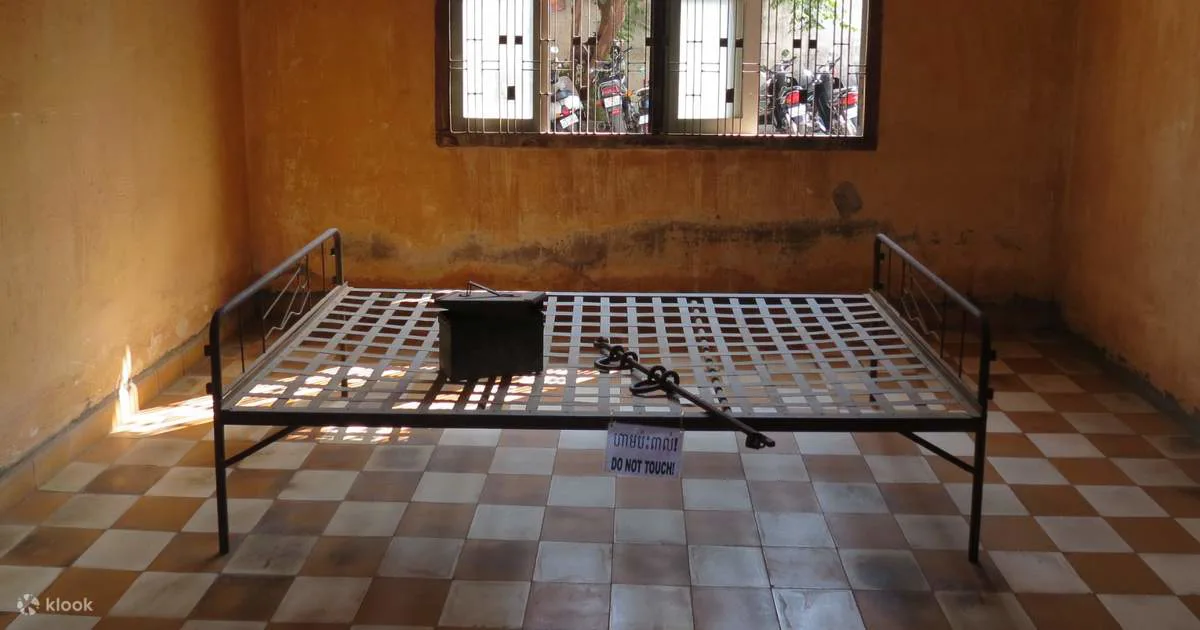
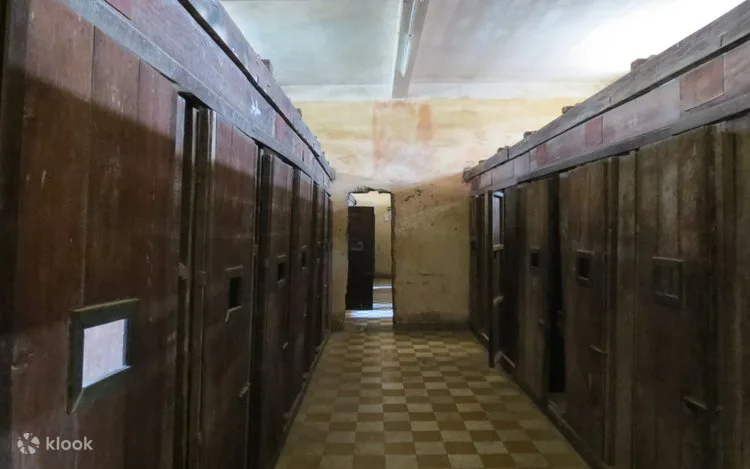
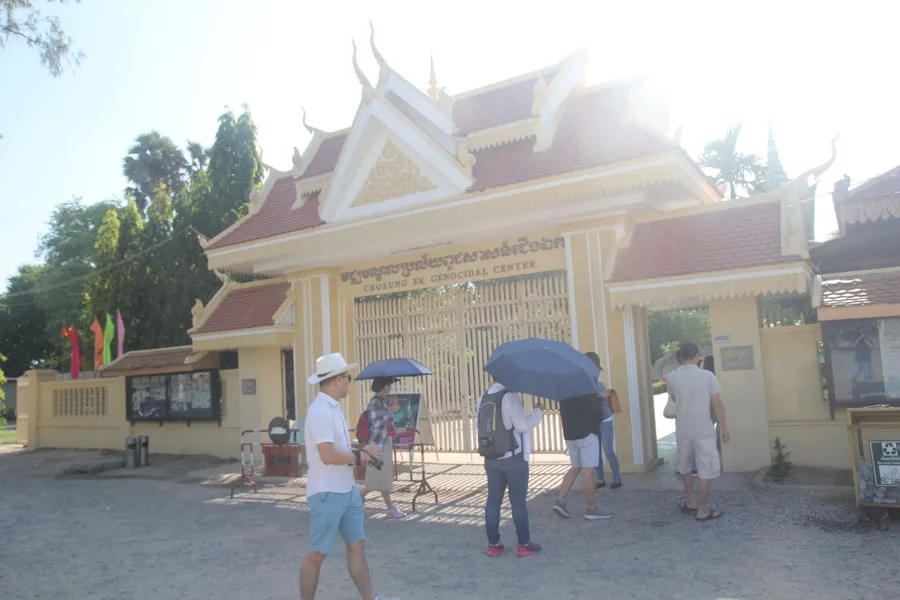
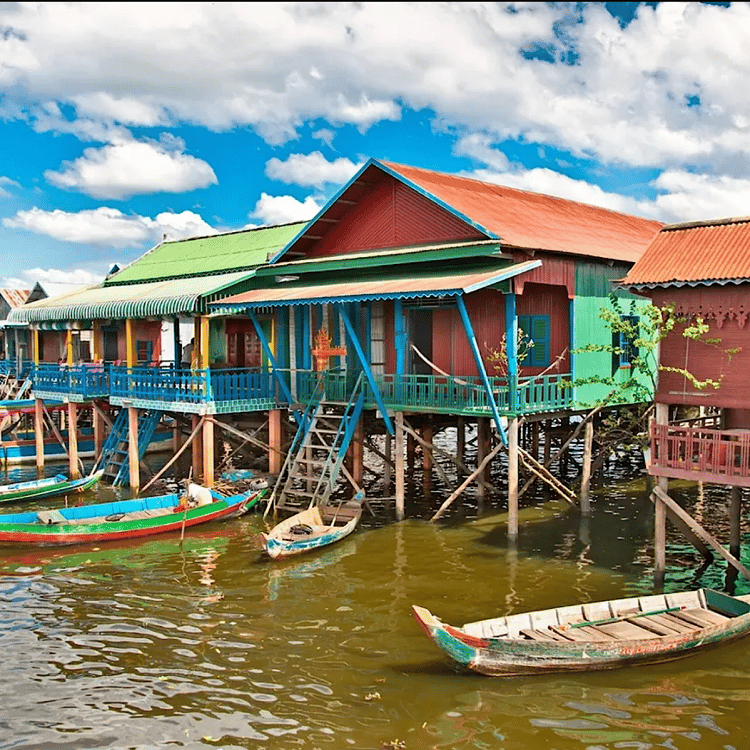
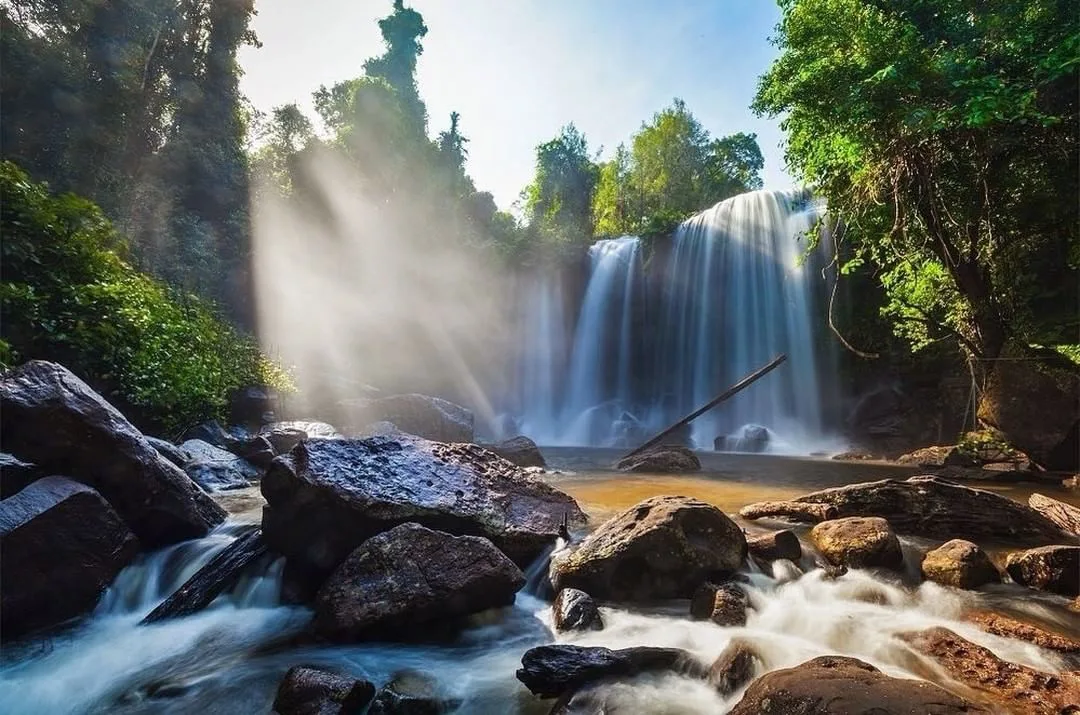
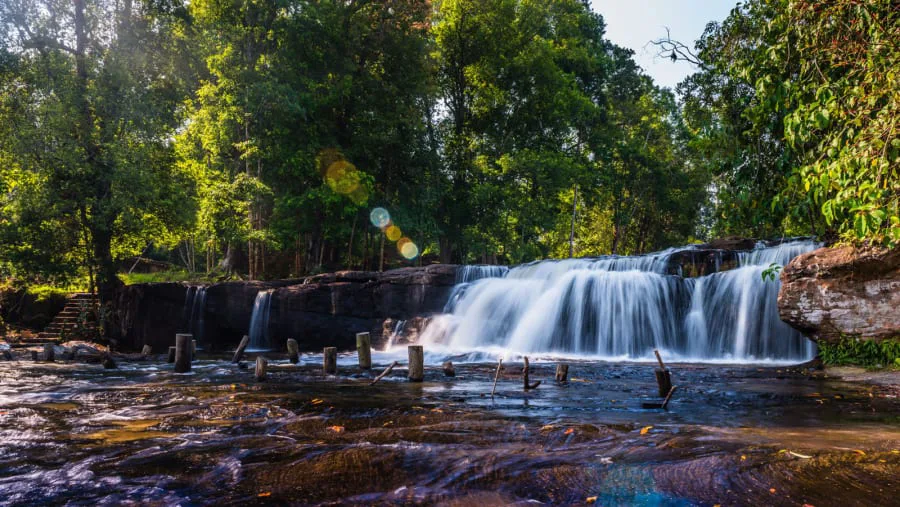
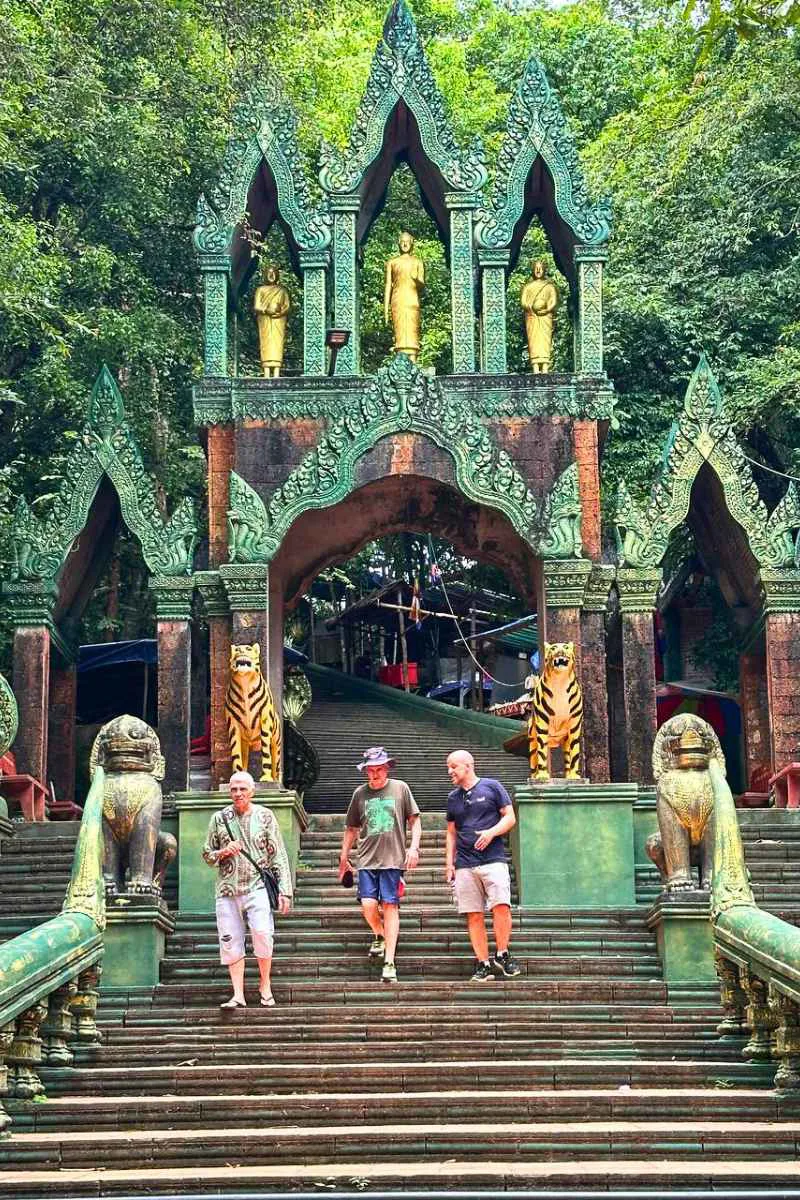
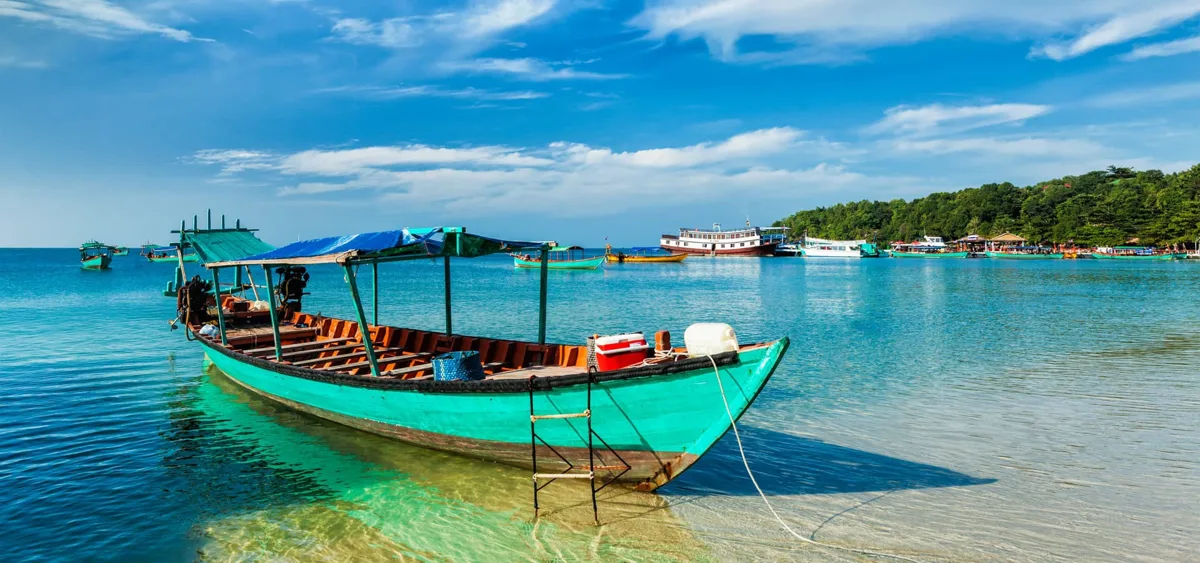
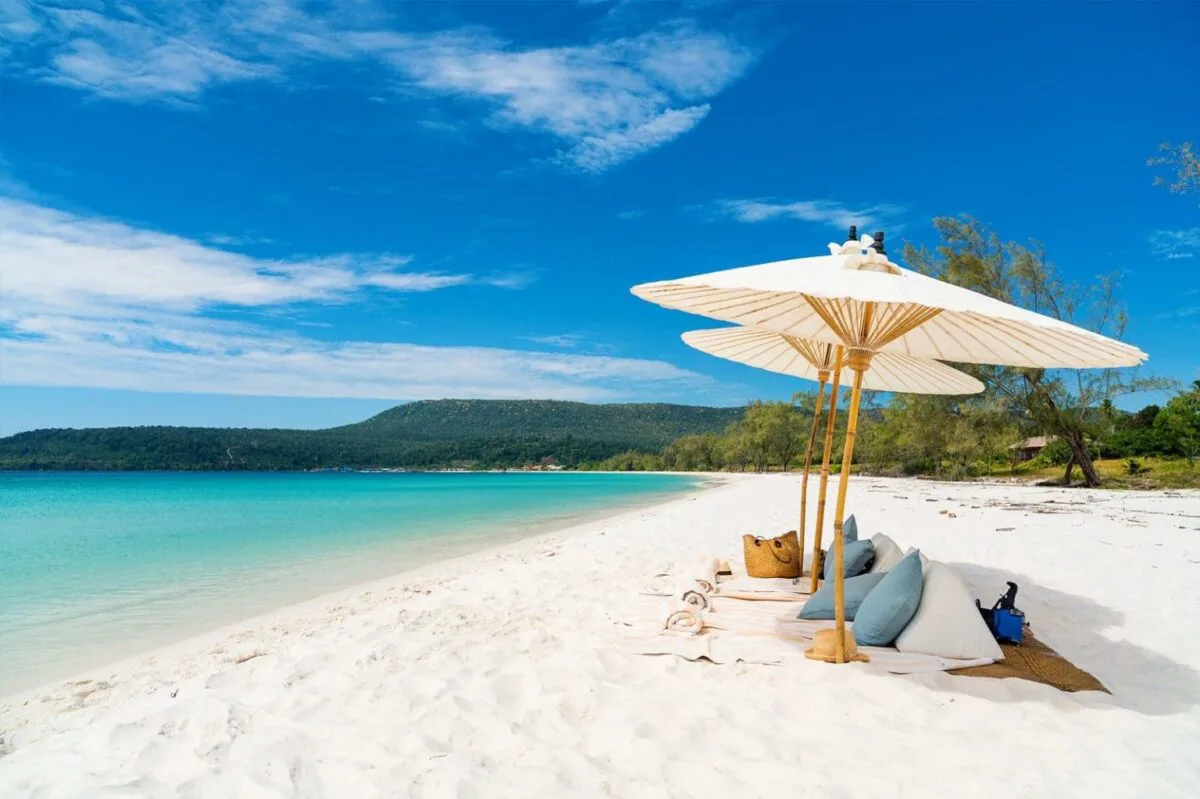
Cambodia presents numerous sites where its rich history and cultural depth are prominently displayed. Visitors can explore a range of attractions across the country, from ancient temples to modern markets.
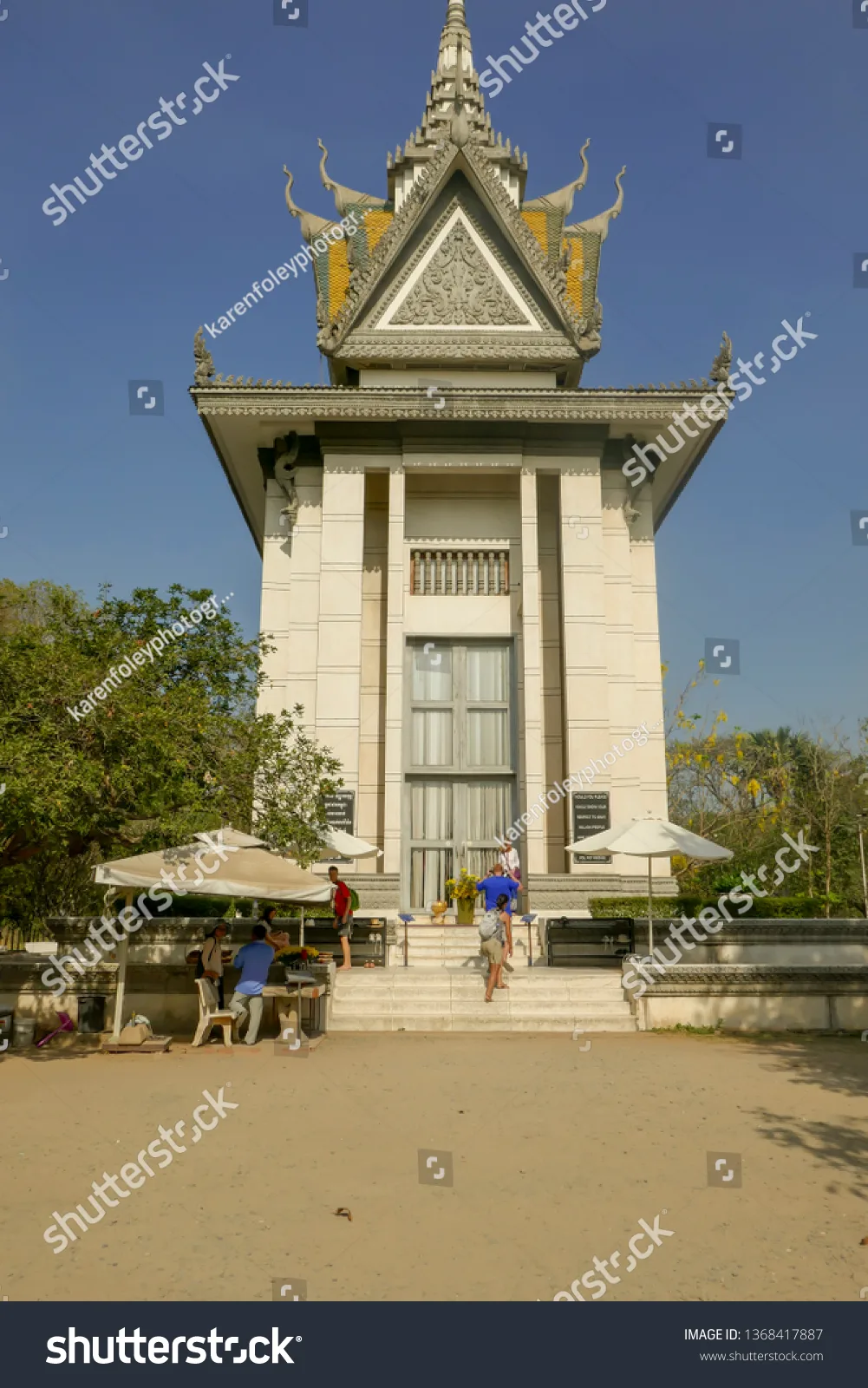
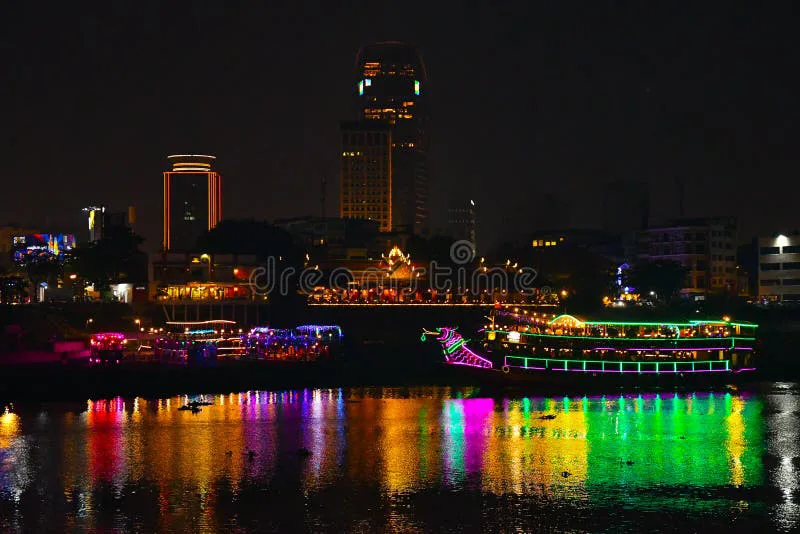
- Phnom Penh: The capital city hosts several important landmarks, such as the Royal Palace, the National Museum of Khmer Arts, the Silver Pagoda, Wat Phnom, the Killing Fields, Tuol Sleng Museum, and the Russian Market. Travelers can gain a deeper understanding of the nation's past and present through these sites. For those planning onward travel, a comprehensive guide to travel from Phnom Penh to Ho Chi Minh City can be helpful.
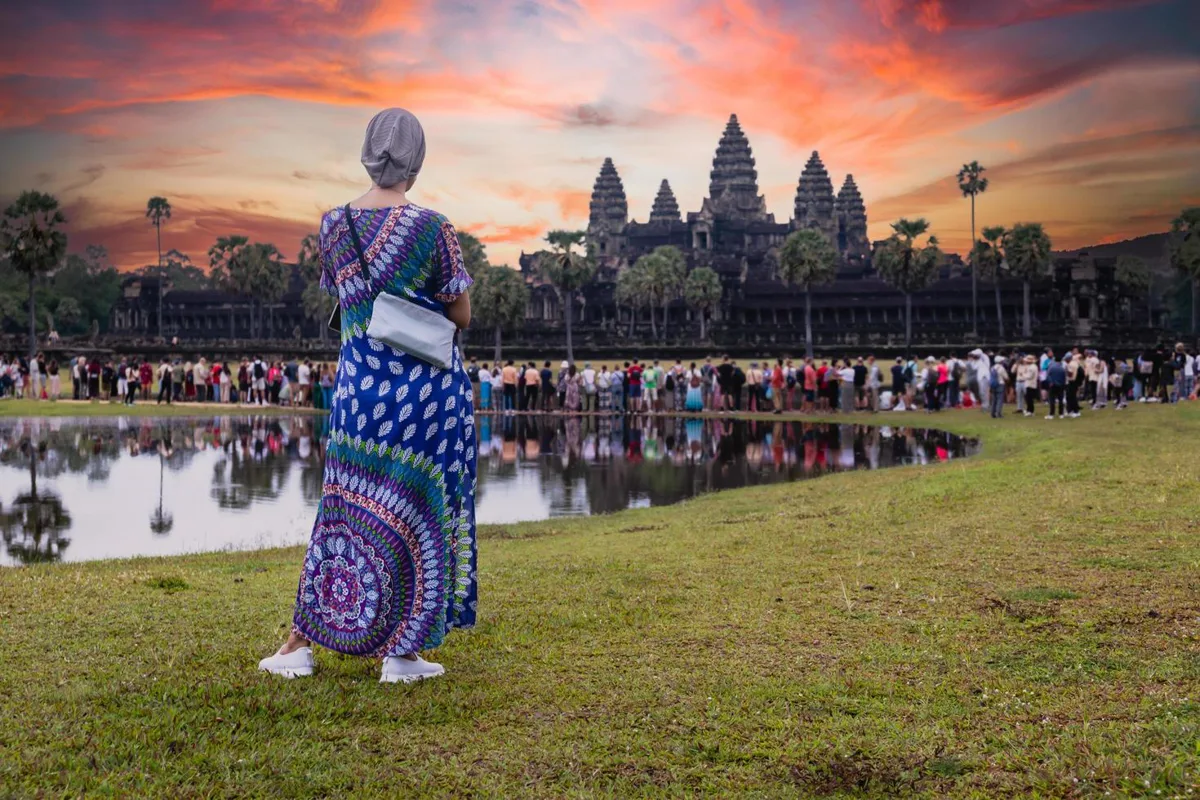
- Siem Reap and Angkor Wat: Siem Reap serves as the gateway to the renowned Angkor Wat temple complex, a central feature of many Cambodian itineraries. This ancient site is a testament to the Khmer Empire's architectural and artistic achievements.
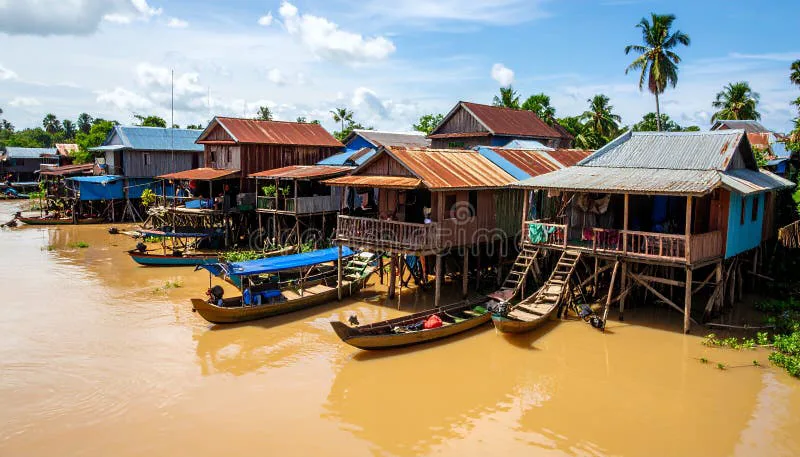
- Tonle Sap River: This significant waterway offers insights into local life and the country's unique hydrological system.
- Phnom Kulen National Park: Located near Siem Reap, this park provides natural beauty and historical sites, including waterfalls and ancient carvings.
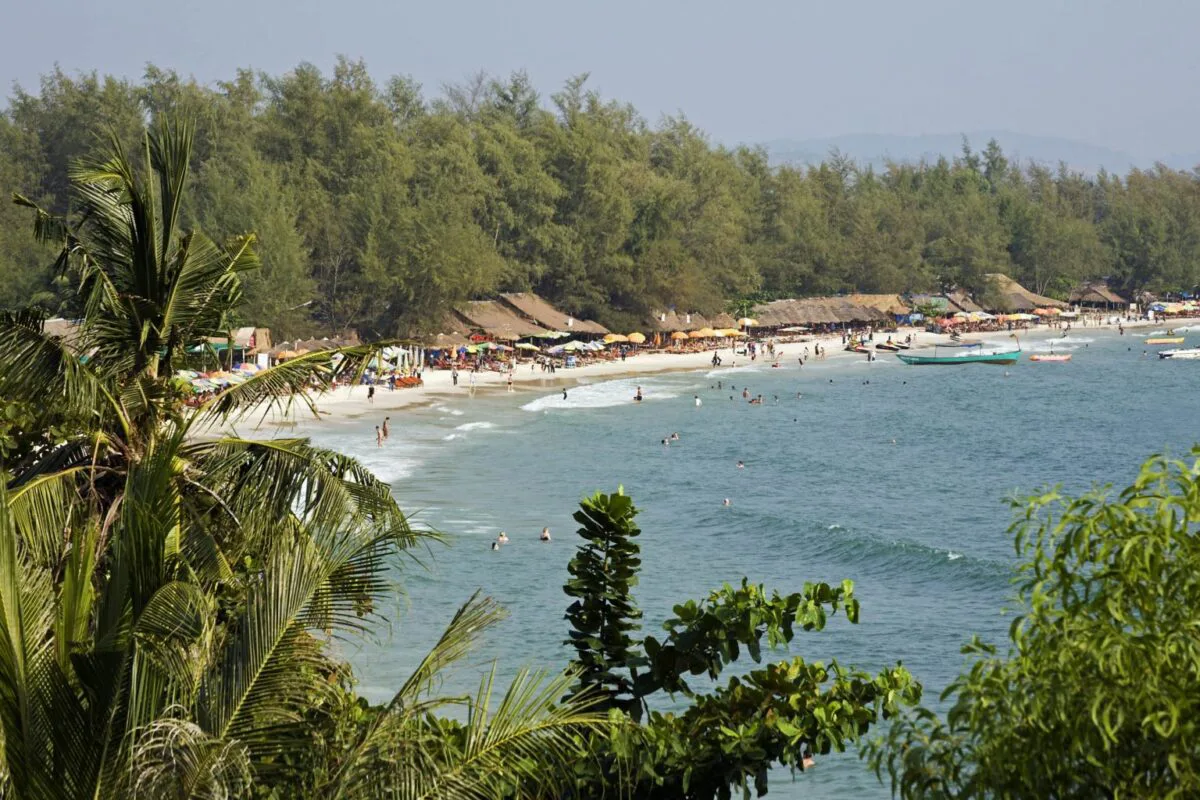
- Sihanoukville Beach: For those seeking coastal relaxation, Sihanoukville offers beaches and a more laid-back atmosphere.
Exploring these locations provides a comprehensive look at the country's diverse offerings. Many of these sites are easily accessible as essential day trips for sightseeing in Cambodia, allowing travelers to maximize their time.
Exploring Cambodia Through Organized Tours
A variety of tour packages are available for exploring Cambodia, catering to different interests and durations. These structured itineraries can simplify logistics and provide guided access to key attractions. For instance, a five-day journey focusing on Cambodia's royal capital and Angkor temples offers a concentrated experience of the nation's primary historical sites.
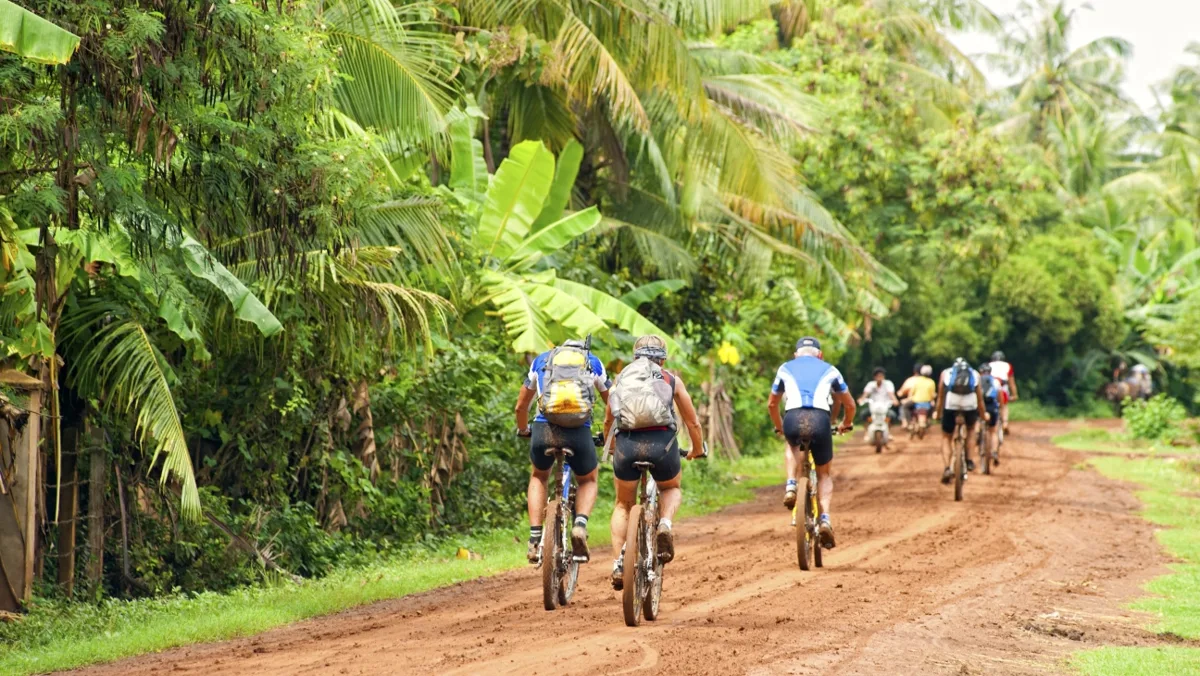
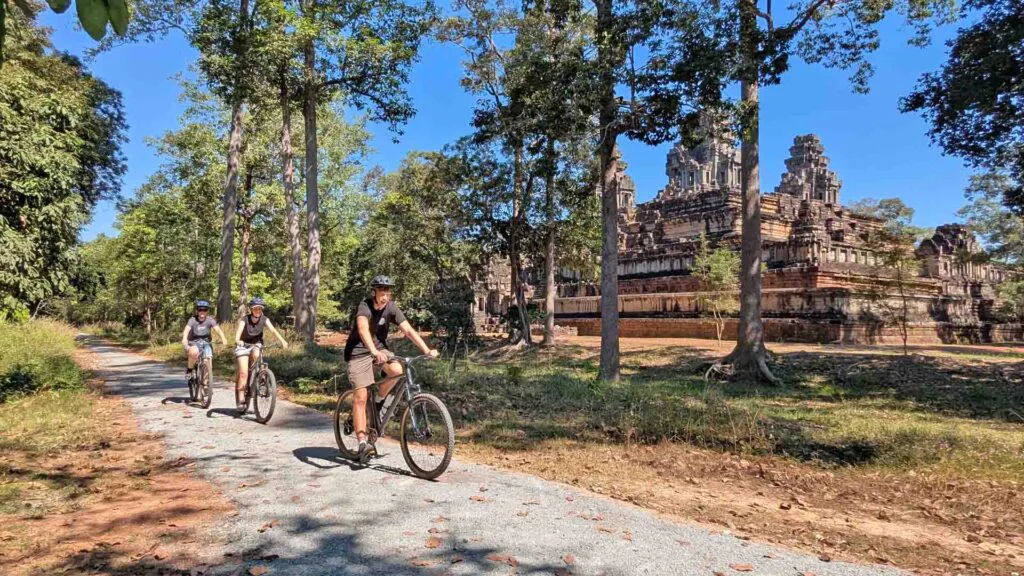
Travelers seeking more active ways to experience the country can consider specialized tours. Options such as active exploration of Cambodia around Angkor, including trekking or cycling, allow for a different perspective on the ancient ruins. These tours often provide six days dedicated to exploring the Angkor area in an engaging manner.
Longer itineraries allow for a more extensive exploration of the country's diverse regions. For example, a ten-day Cambodia discovery tour can take visitors from the capital to the southern coast and then to the ancient temples of Angkor. These extended trips often include additional locations beyond the primary tourist hubs, offering a broader understanding of Cambodian life and landscapes.
Example Tour Itineraries
| Tour Type (Example) | Duration | Key Destinations | Focus |
|---|---|---|---|
| Fundamental Cambodia | 5 days | Phnom Penh, Siem Reap, Angkor Wat | Major historical and cultural sites |
| Cambodia Premier Tour | 6 days | Phnom Penh, Siem Reap, Angkor Wat | Extended exploration of Angkor Wat |
| Cambodia Heritages Tour | 7 days | Phnom Penh, Siem Reap, Angkor Wat | In-depth cultural and historical experience |
| Natural Showcases of Cambodia | 9 days | Various locations, Sihanoukville Beach | Khmer history, local culture, coastal relaxation |
| Cambodia Explorer | 13 days | Multiple locations across the country | Comprehensive national overview |
| Angkor Cycling/Trekking Tour | 6 days | Angkor complex (Siem Reap area) | Active exploration of ancient sites |
Essential Cambodian Cuisine
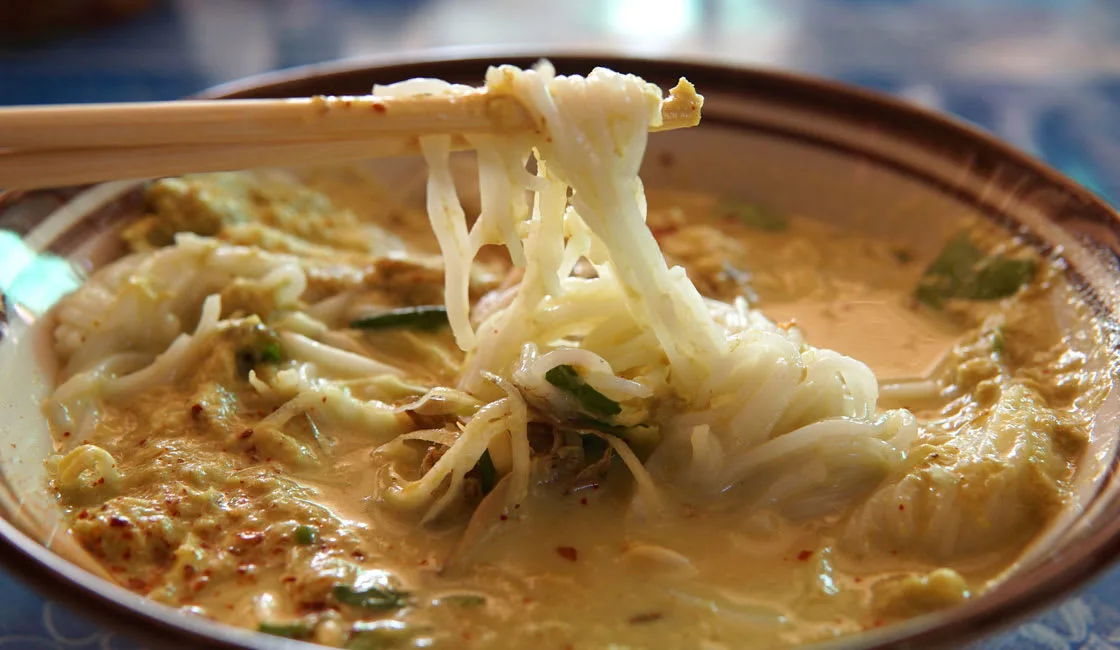
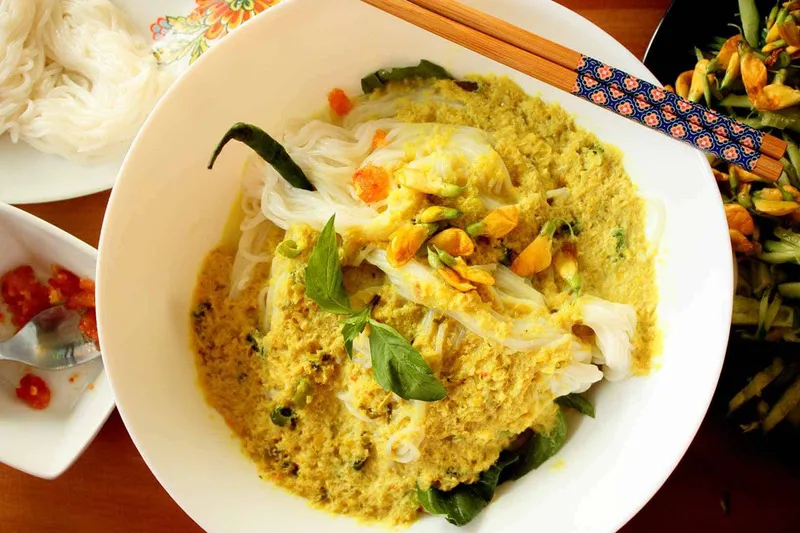
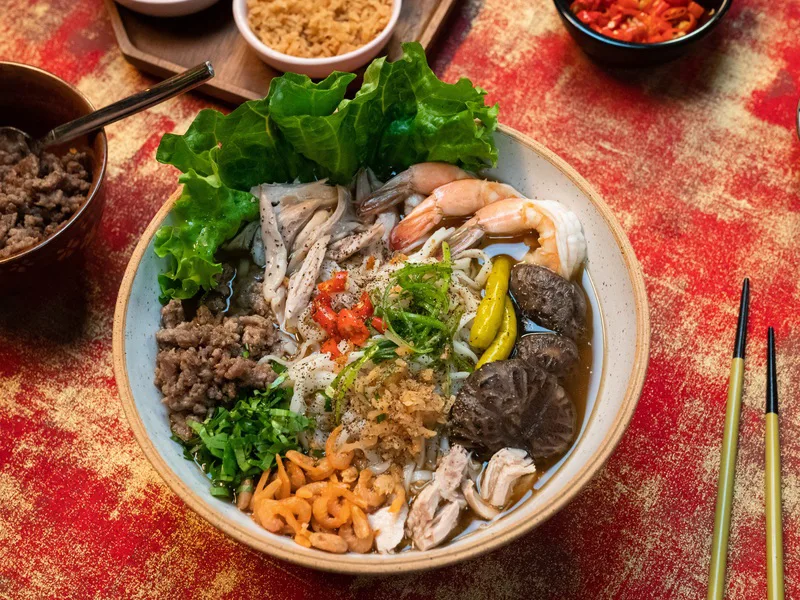
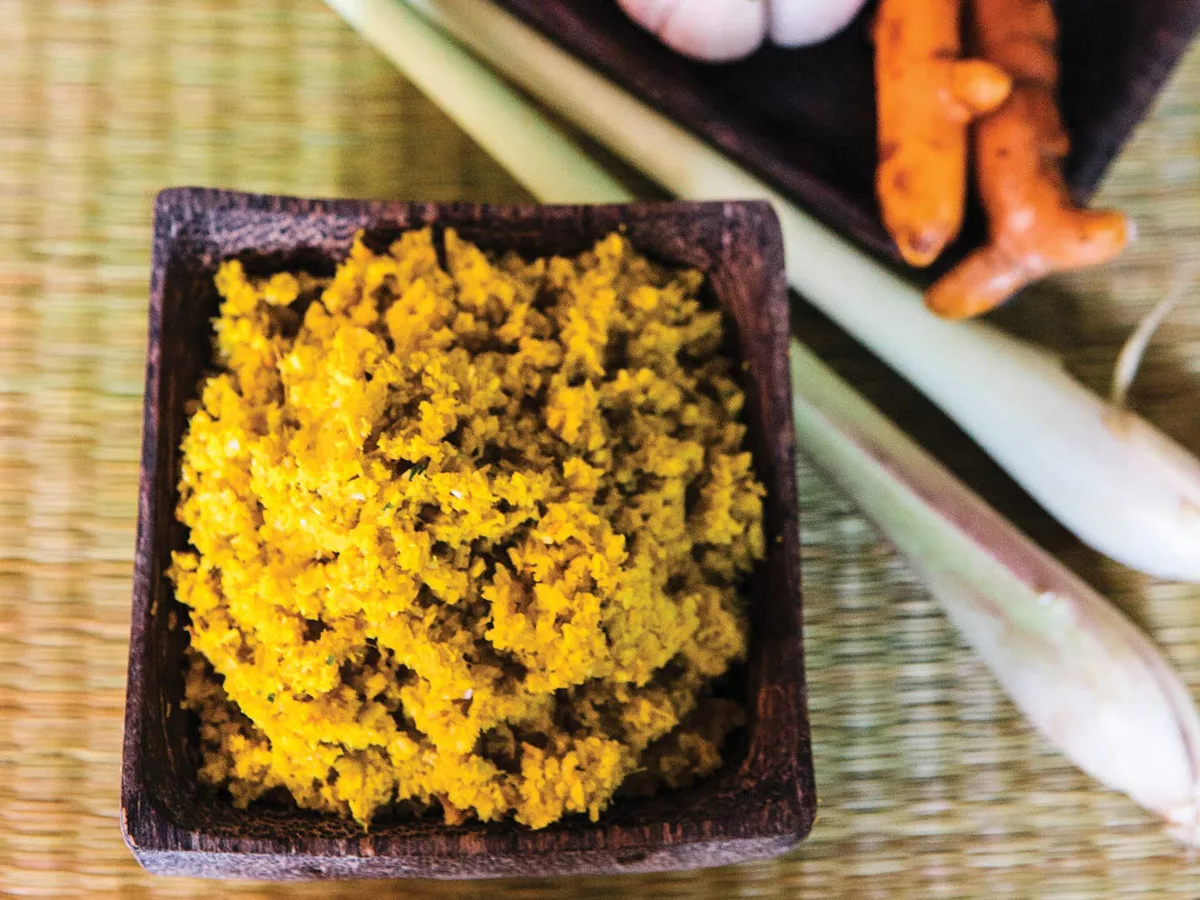
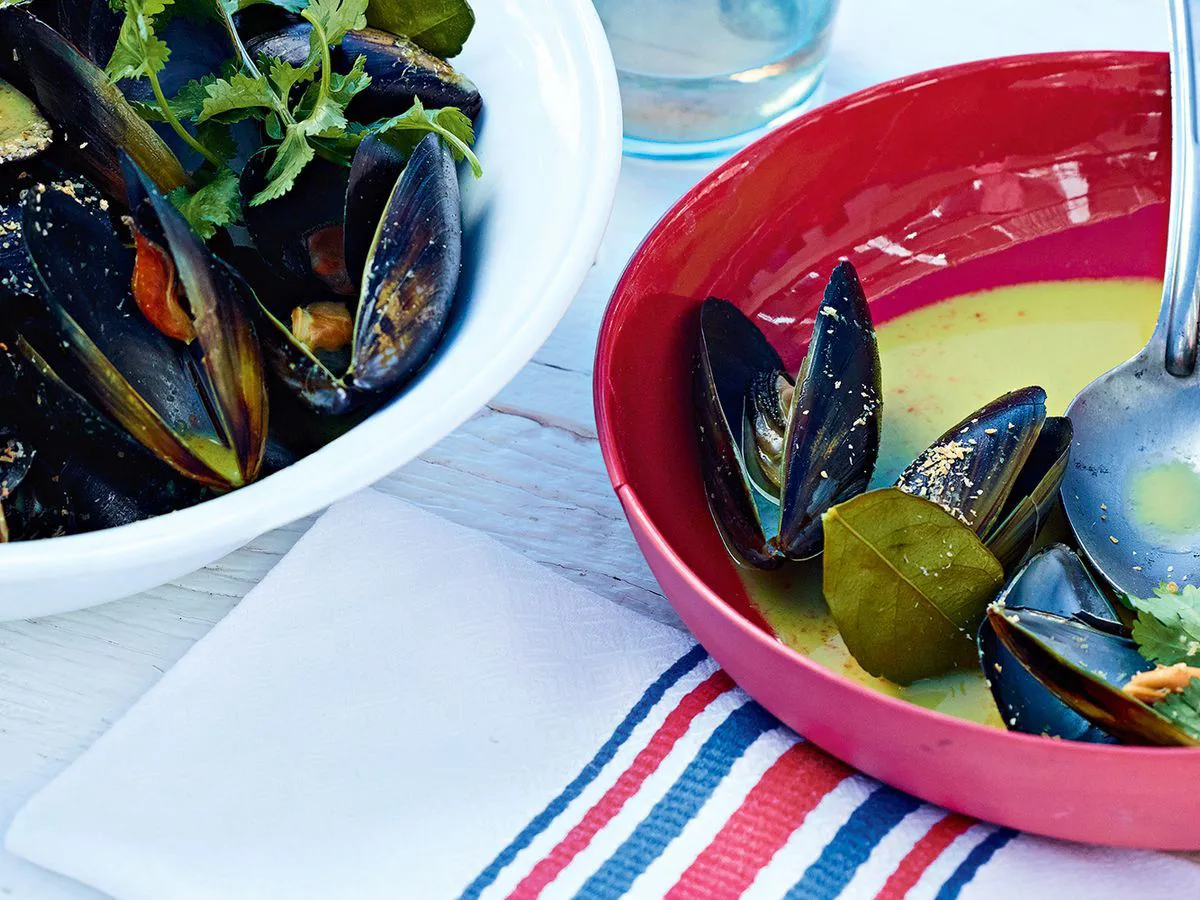
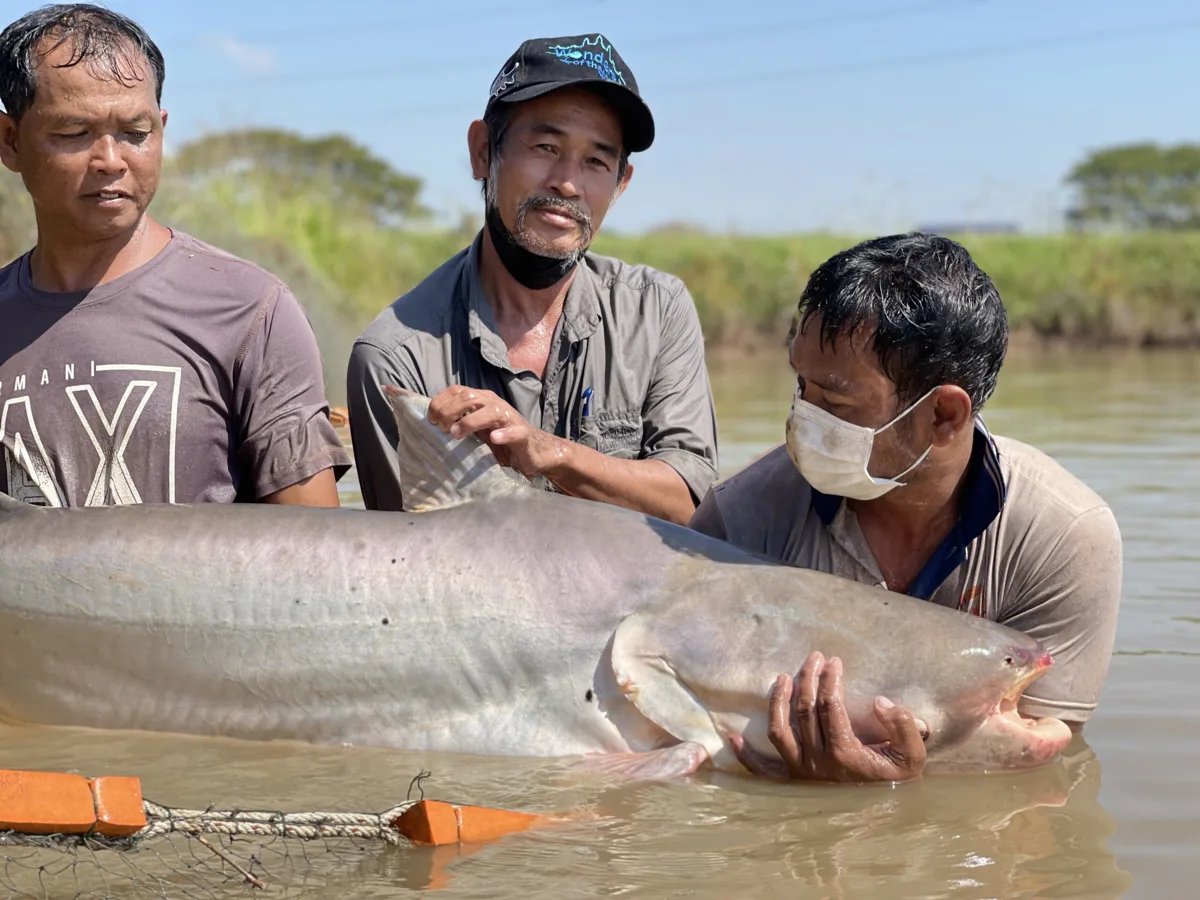
Cambodian food, often referred to as Khmer cuisine, is characterized by its balance of sweet, sour, salty, and bitter flavors. Rice is a staple, accompanying most meals, and fresh herbs are frequently incorporated. While regional variations exist, the core ingredients and cooking methods remain consistent across the country.
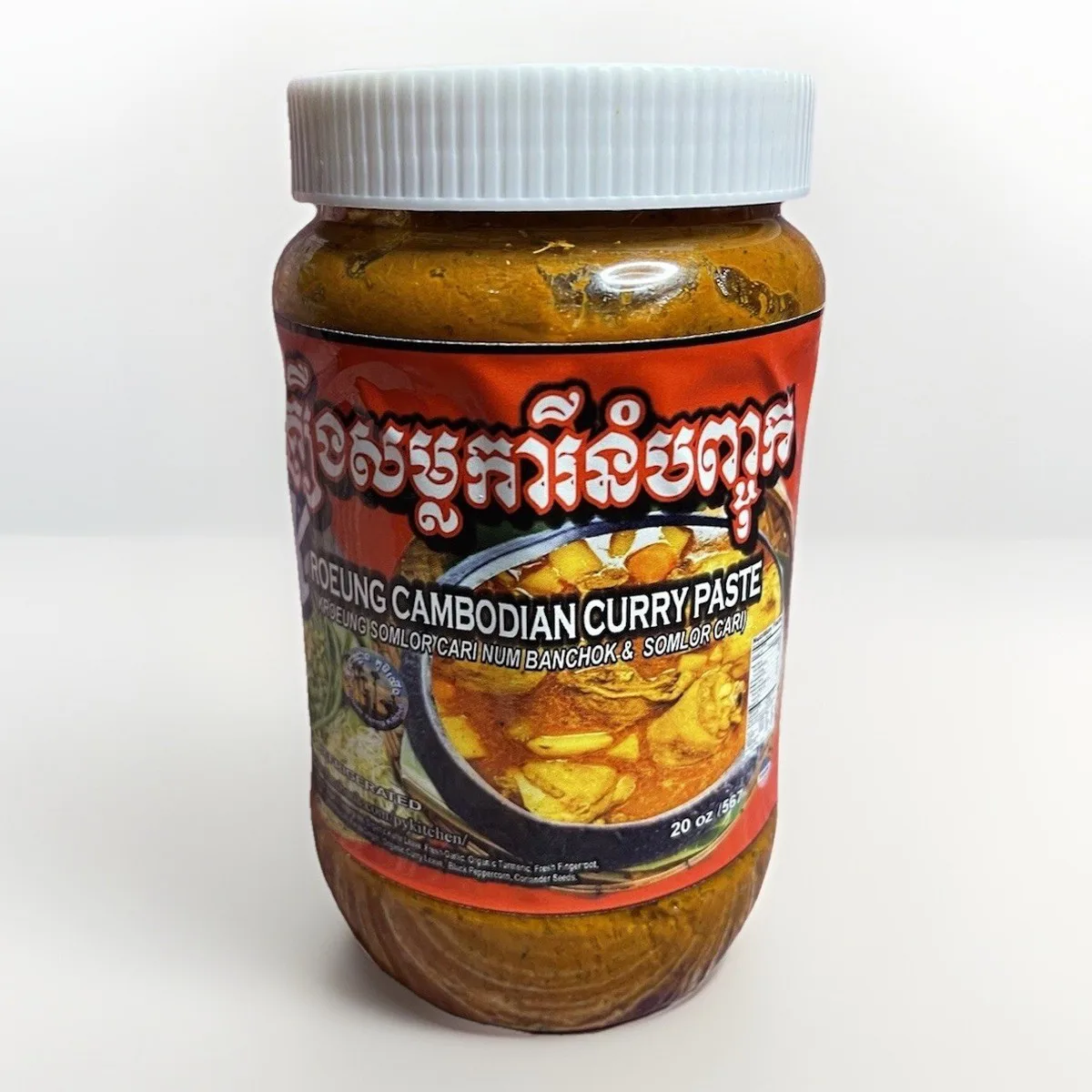
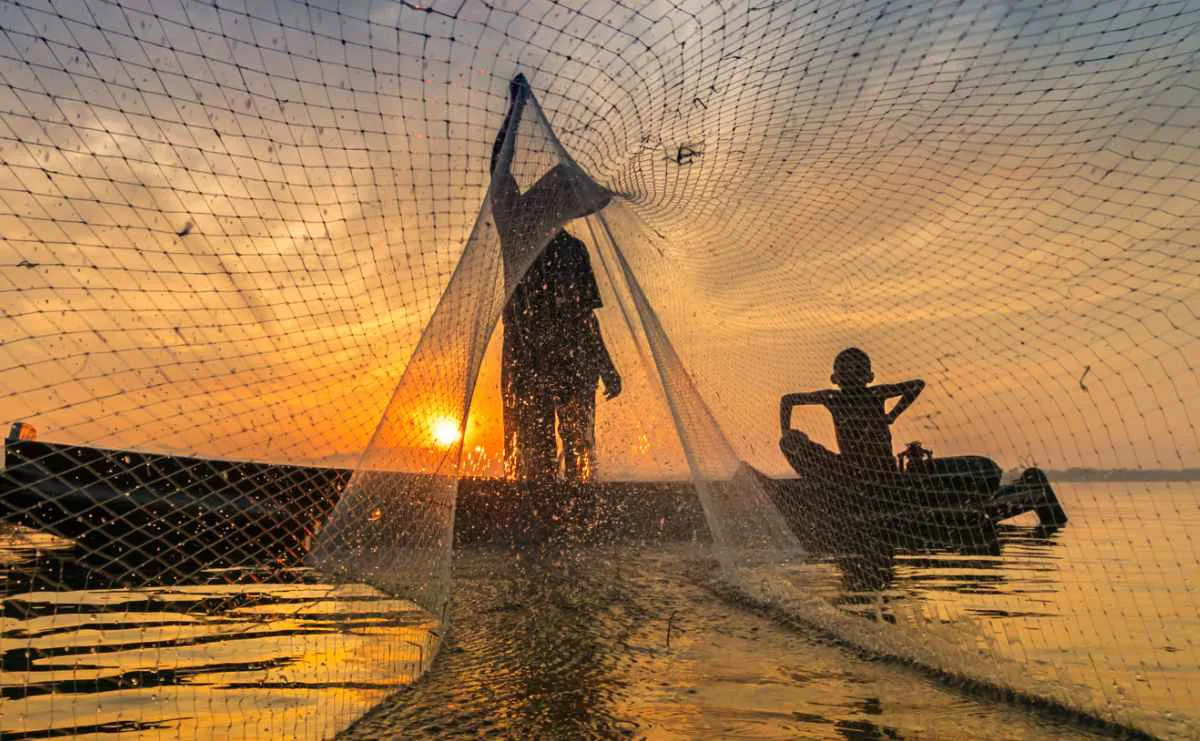
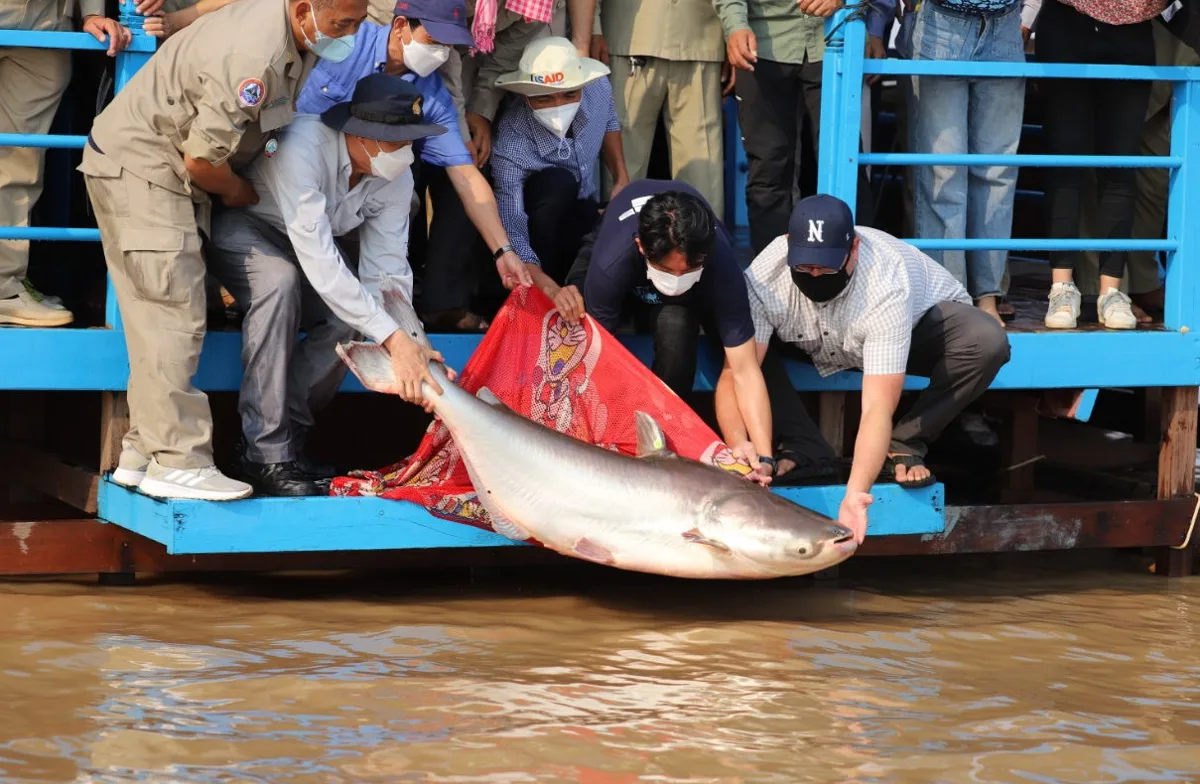
Common dishes often feature freshwater fish from the Mekong River and Tonle Sap Lake, alongside various meats and a wide array of vegetables. The use of aromatic spices and pastes, such as kroeung (a curry paste made from lemongrass, galangal, turmeric, and other ingredients), is central to many preparations. Visitors often find the cuisine to be subtly flavored yet complex, offering a distinct taste of Southeast Asia.
Frequently Asked Questions About Traveling in Cambodia
What is the capital city of Cambodia?
The capital and largest city of Cambodia is Phnom Penh. It serves as the country's political, economic, and cultural center, featuring historical sites like the Royal Palace and the National Museum of Khmer Arts.
What is the primary religion in Cambodia?
Theravada Buddhism is the official religion of Cambodia, practiced by approximately 95 percent of the population. Its influence is evident in the country's architecture, traditions, and daily life.
What is Angkor Wat and why is it important?
Angkor Wat is a vast temple complex and one of the most significant architectural achievements of the Khmer Empire. It is a UNESCO World Heritage Site and a central symbol of Cambodia, drawing visitors from around the globe to admire its scale and intricate carvings.
What kind of food can I expect in Cambodia?
Cambodian cuisine typically features soups, various noodle dishes, and an abundance of tropical fruits. Key ingredients include lemongrass, kaffir lime, fish sauce, oyster sauce, soy sauce, garlic, curry, ginger, tamarind, black pepper, and coconut milk, contributing to its distinct flavor profile.
Are there options for active travelers in Cambodia?
Yes, active travelers can find options such as cycling and trekking tours, particularly around the Angkor complex in Siem Reap. These tours allow for an immersive and physically engaging way to experience the historical sites and natural surroundings. For a more comprehensive understanding of the country's offerings, consult a traveler's guide to Cambodia.