
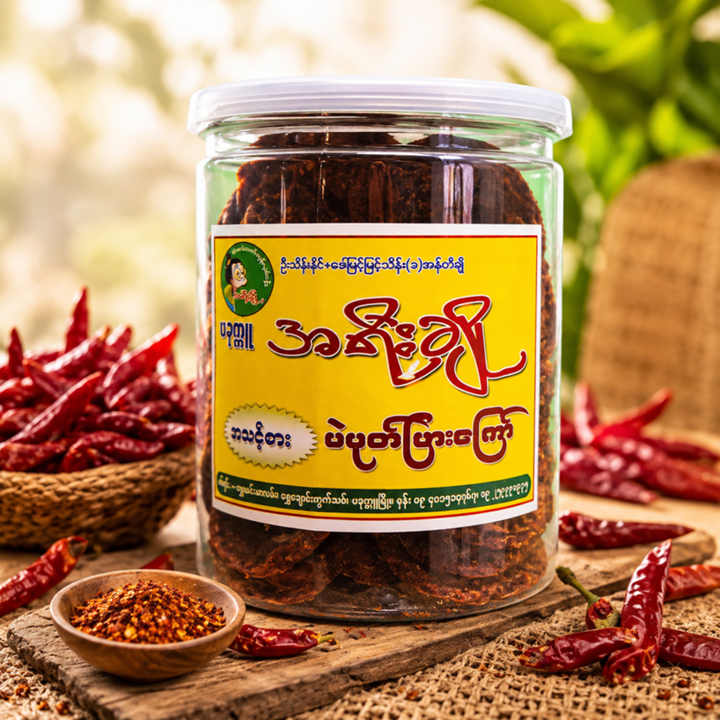
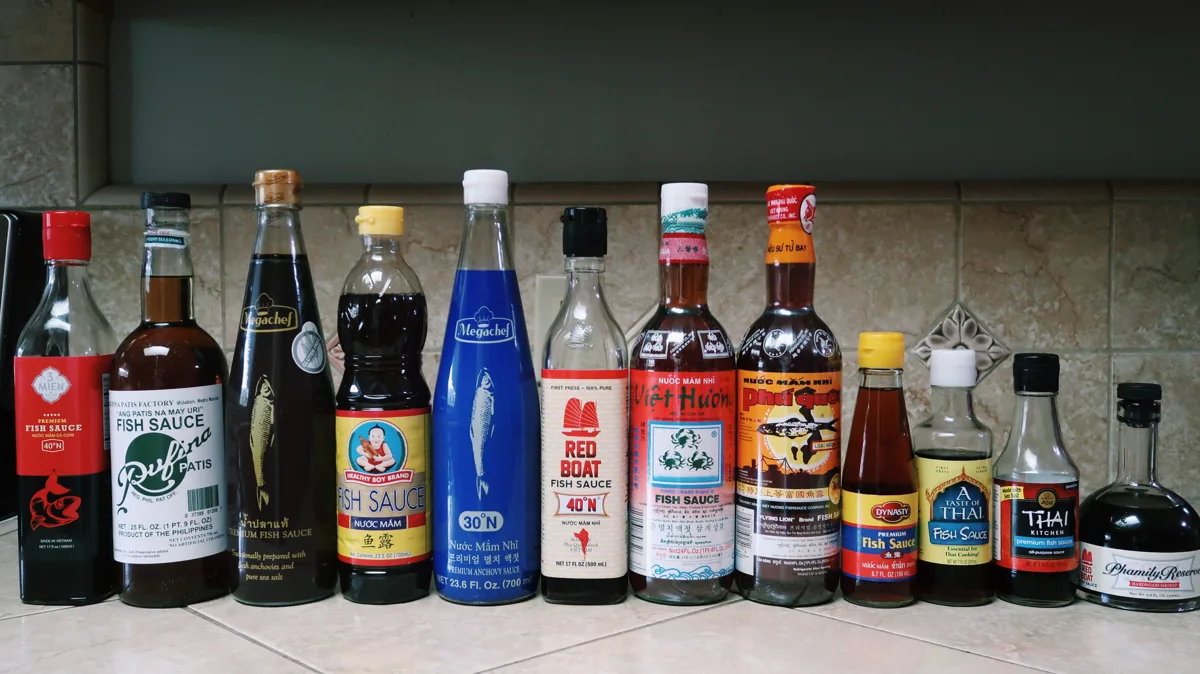
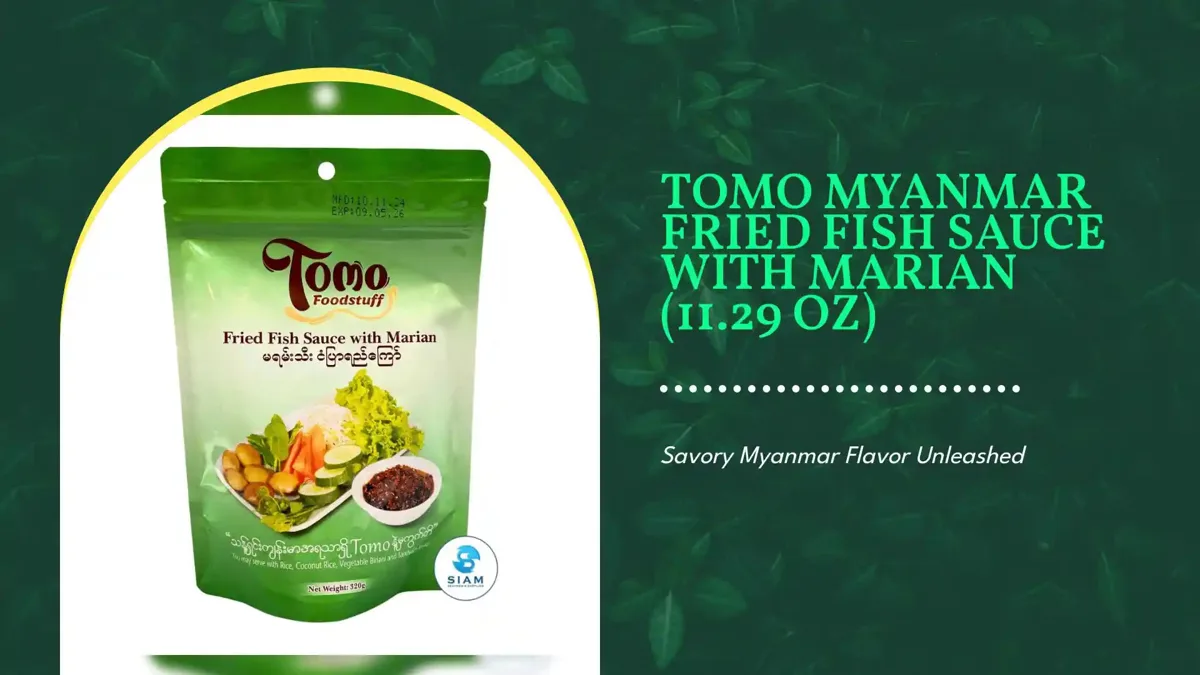
Burmese cuisine offers a distinctive culinary experience, shaped by its location bordering China, India, and Thailand. This geographical proximity has led to a rich fusion of flavors and cooking methods. Beyond these major external influences, the country's numerous ethnic minority groups further diversify the food landscape, contributing their own unique ingredients and preparations. A hallmark of many Burmese dishes is the extensive use of fish sauce and ngapi, a fermented seafood paste, which imparts a characteristic umami depth to meals.
Understanding the local approach to food provides insight into Myanmar's cultural identity. Dining is often a communal affair, reflecting the politeness and courteousness prevalent in social interactions. For travelers, appreciating these customs can enrich the overall experience of enjoying a meal in the country.
Influences and Core Ingredients in Burmese Cooking
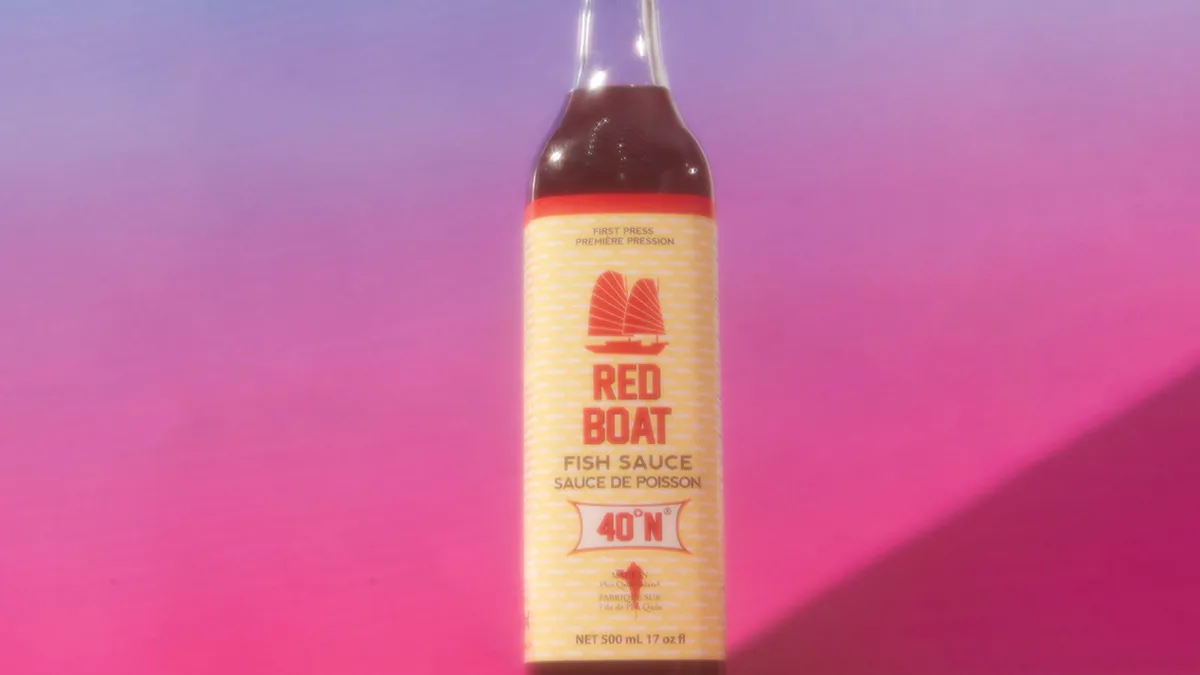
Myanmar's culinary identity is a direct result of its position in Southeast Asia. The historical and cultural exchanges with China, India, and Thailand have introduced a spectrum of spices, cooking techniques, and staple ingredients. For instance, the use of curries shows an Indian connection, while noodle dishes often reflect Chinese traditions. Thai influences can be seen in the balance of sweet, sour, salty, and spicy elements.
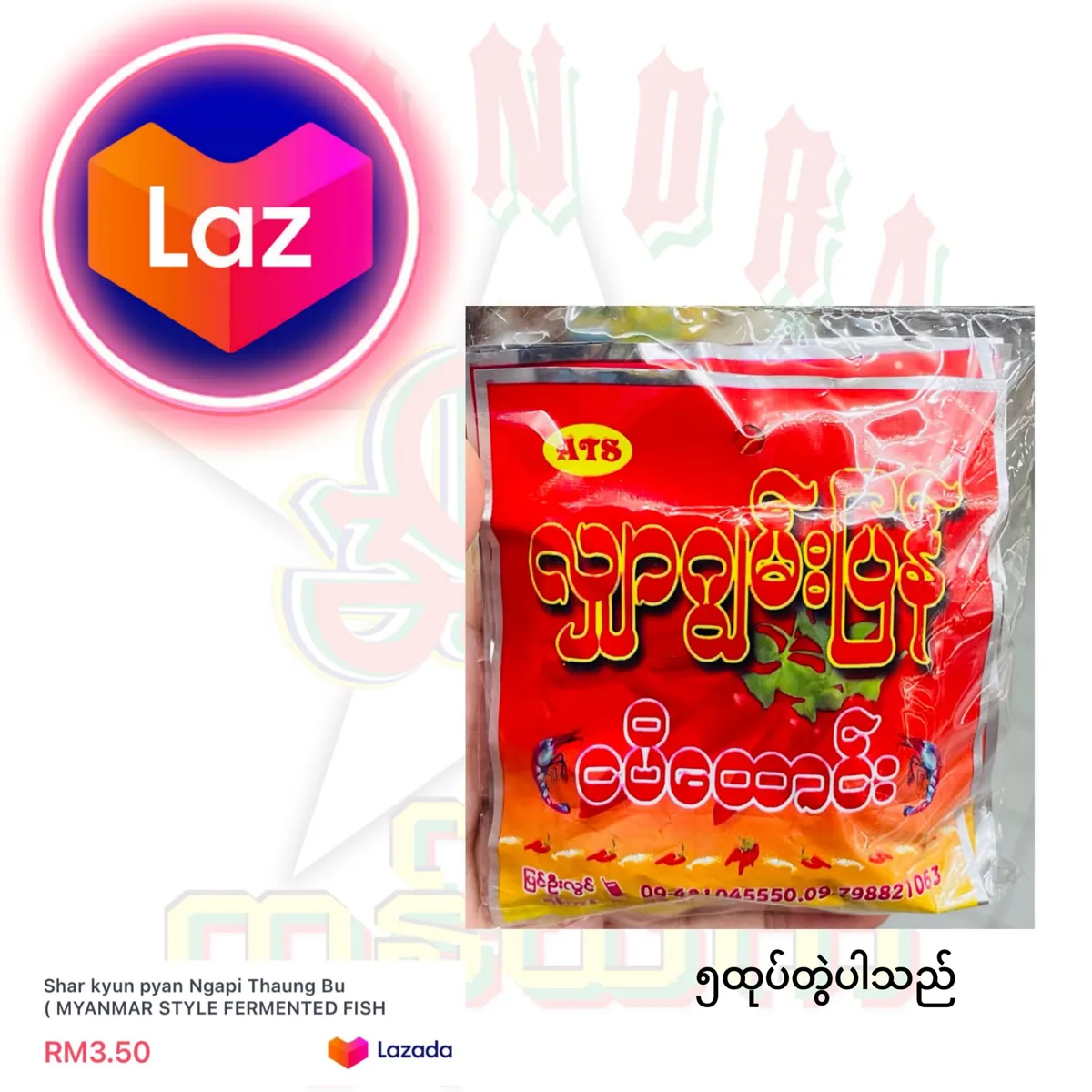
Beyond these regional neighbors, Myanmar is home to many distinct ethnic communities, each contributing to the national food repertoire. This internal diversity means that flavors and preparations can vary significantly from one region to another. Common ingredients found across many Burmese kitchens include rice, various types of noodles, pickled tea leaves, kaffir lime, and the foundational fish sauce and fermented fish paste (ngapi). These elements form the backbone of many traditional recipes.
Dining Etiquette in Myanmar
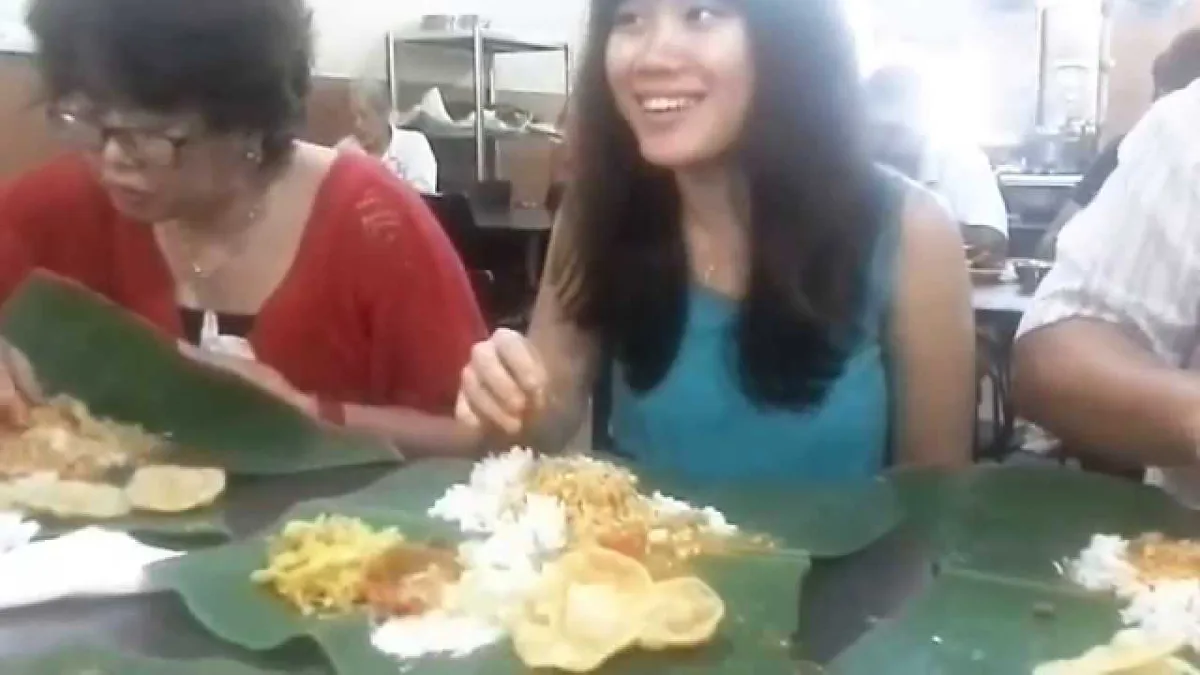
Meals in Myanmar are typically a social occasion, where traditional manners are observed. When eating, it is customary to use your right hand. Diners often form small balls of rice with their fingertips, mixing them with other components of the meal before consuming. This method allows for a tactile connection with the food and is considered polite.
While cutlery may be available in some establishments, particularly those catering to international visitors, observing local practices enhances cultural appreciation. Many dishes are served family-style, allowing everyone at the table to share and sample a variety of items. It is generally considered good form to take moderate portions and to wait for elders or hosts to begin eating.
Essential Burmese Dishes to Sample
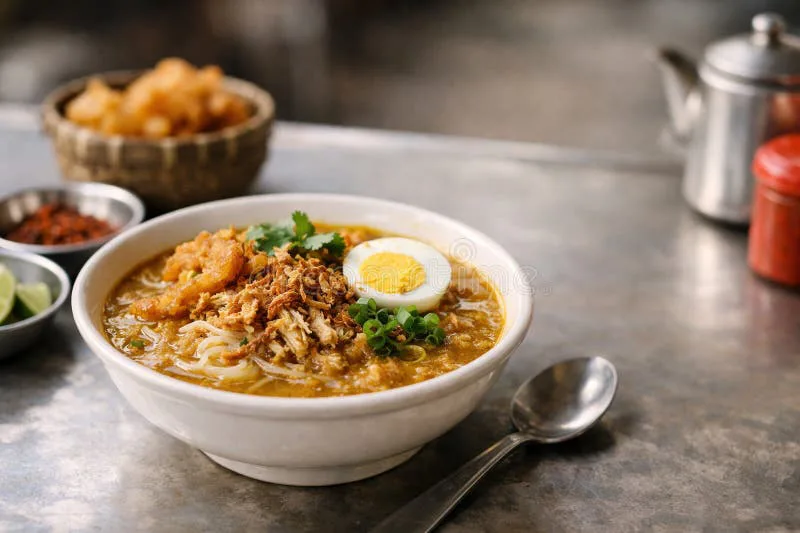
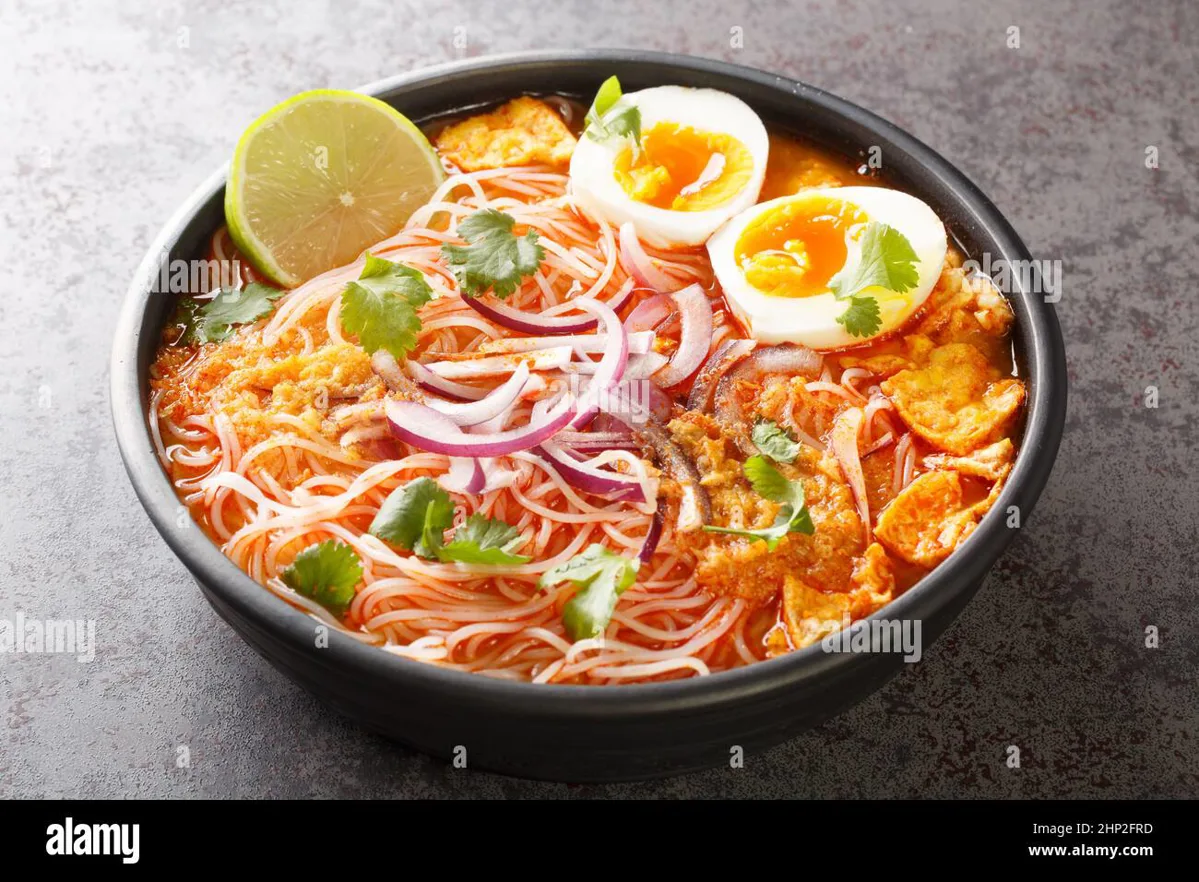
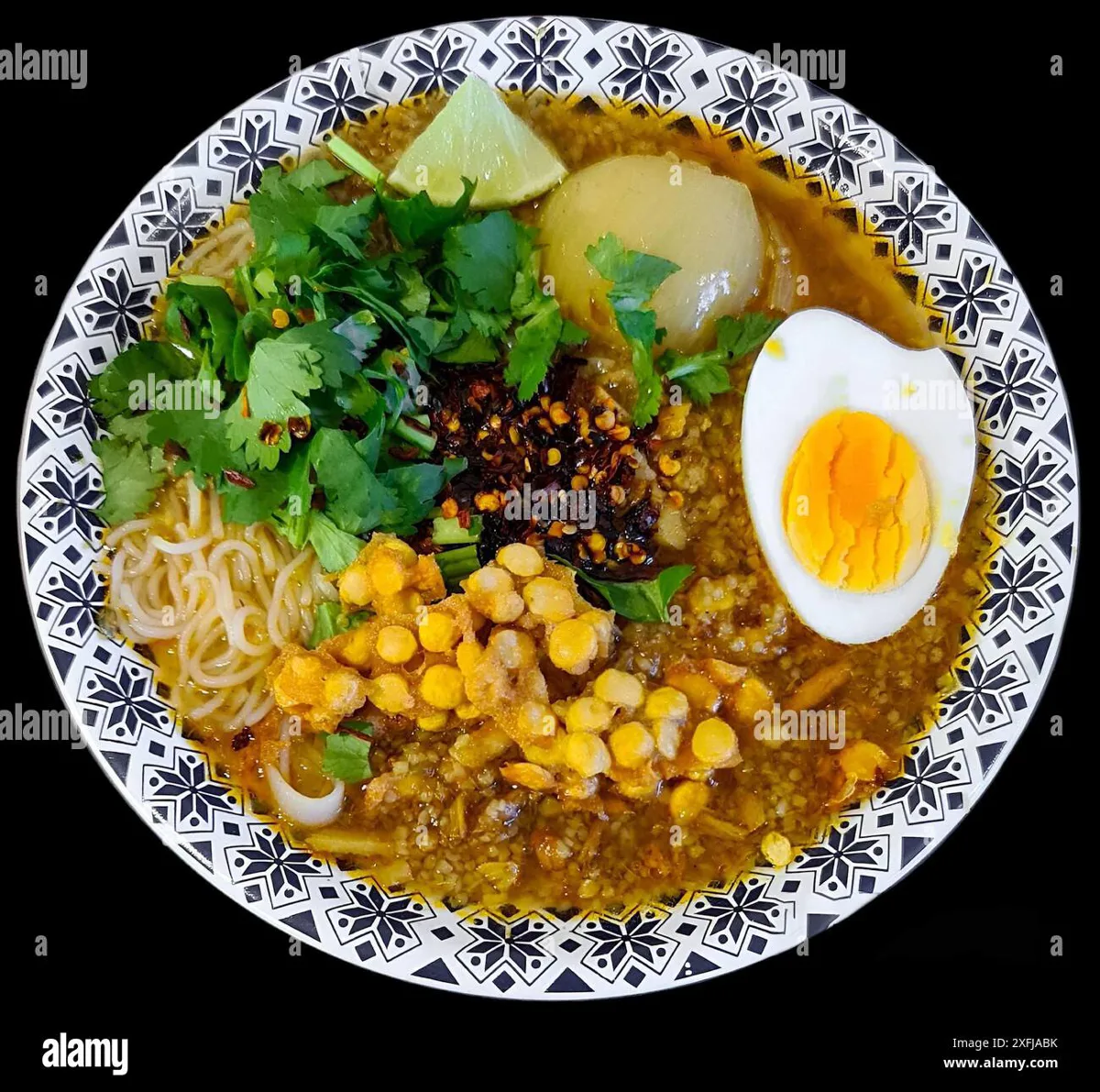
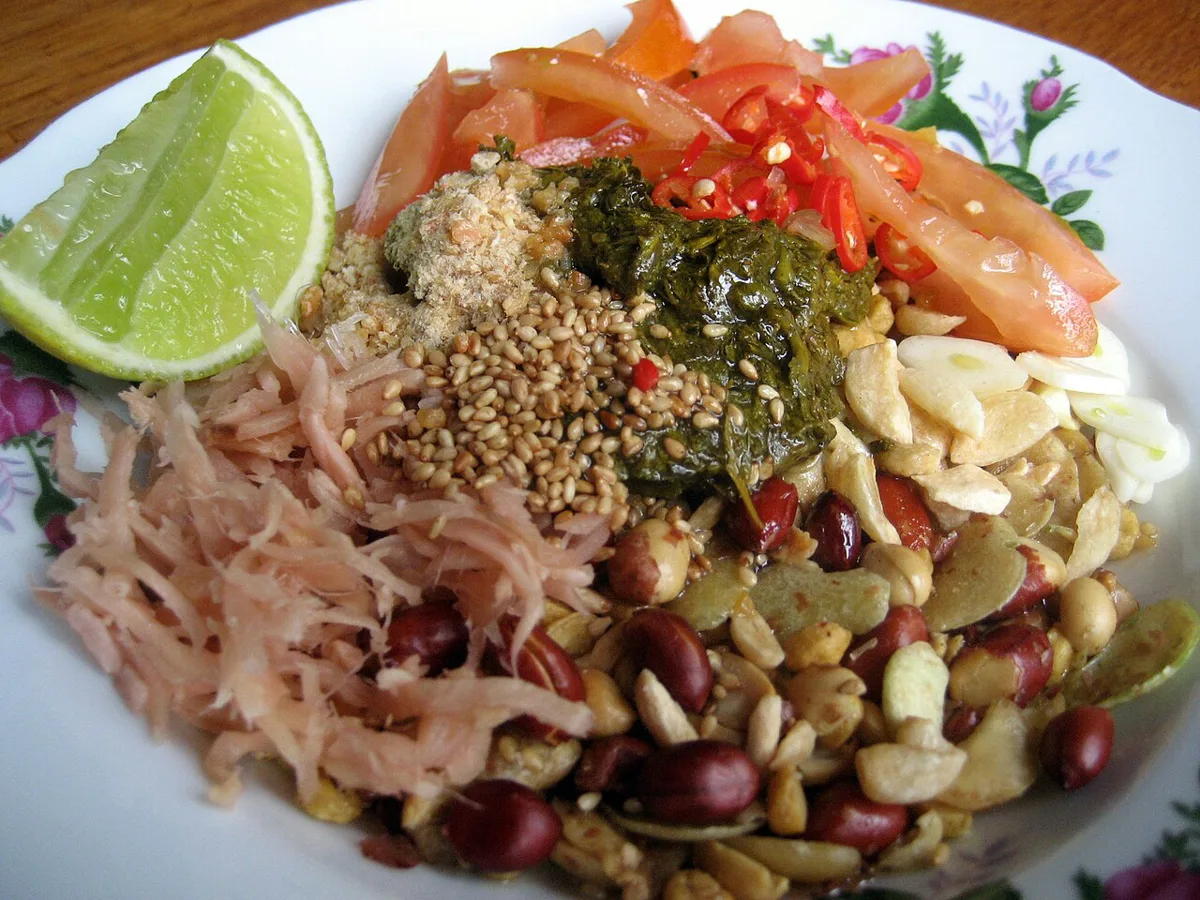
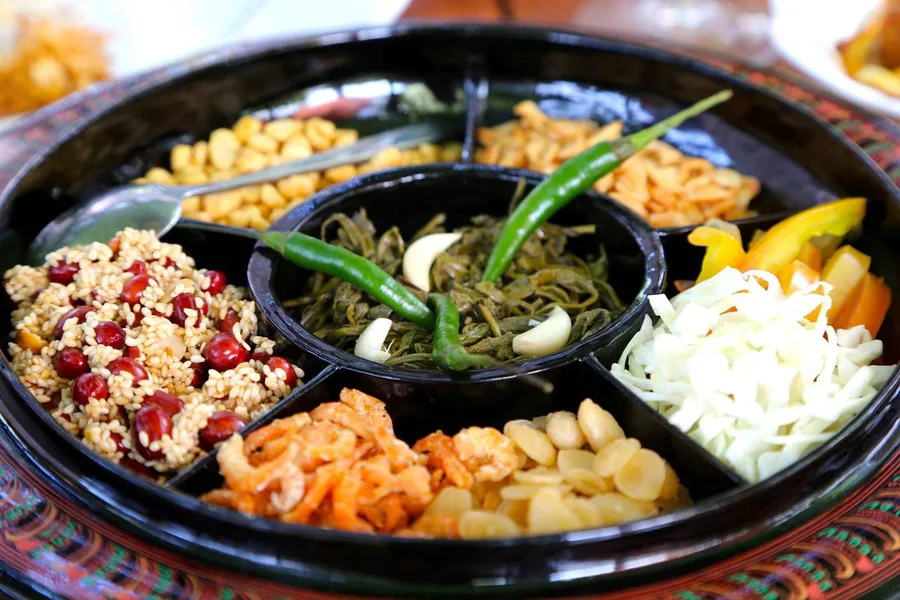
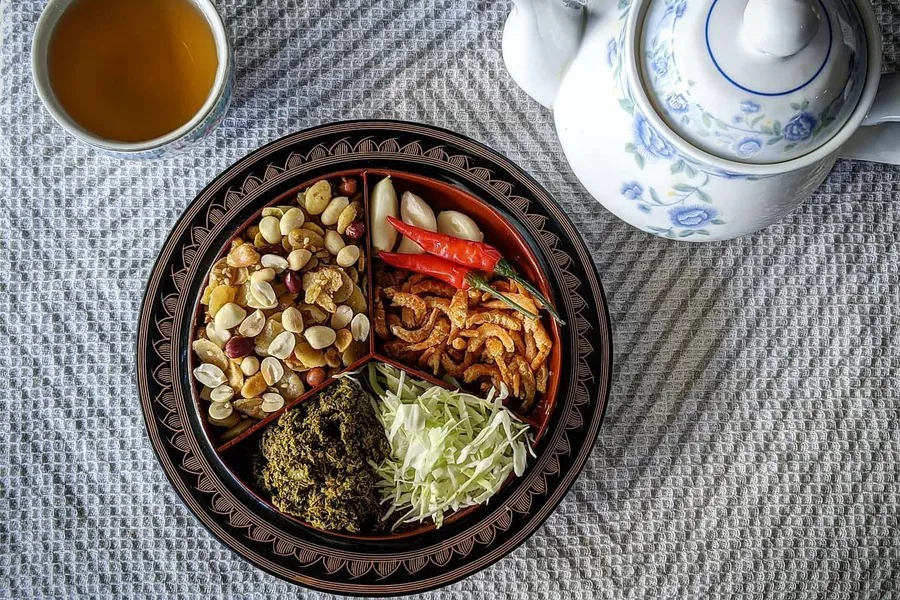
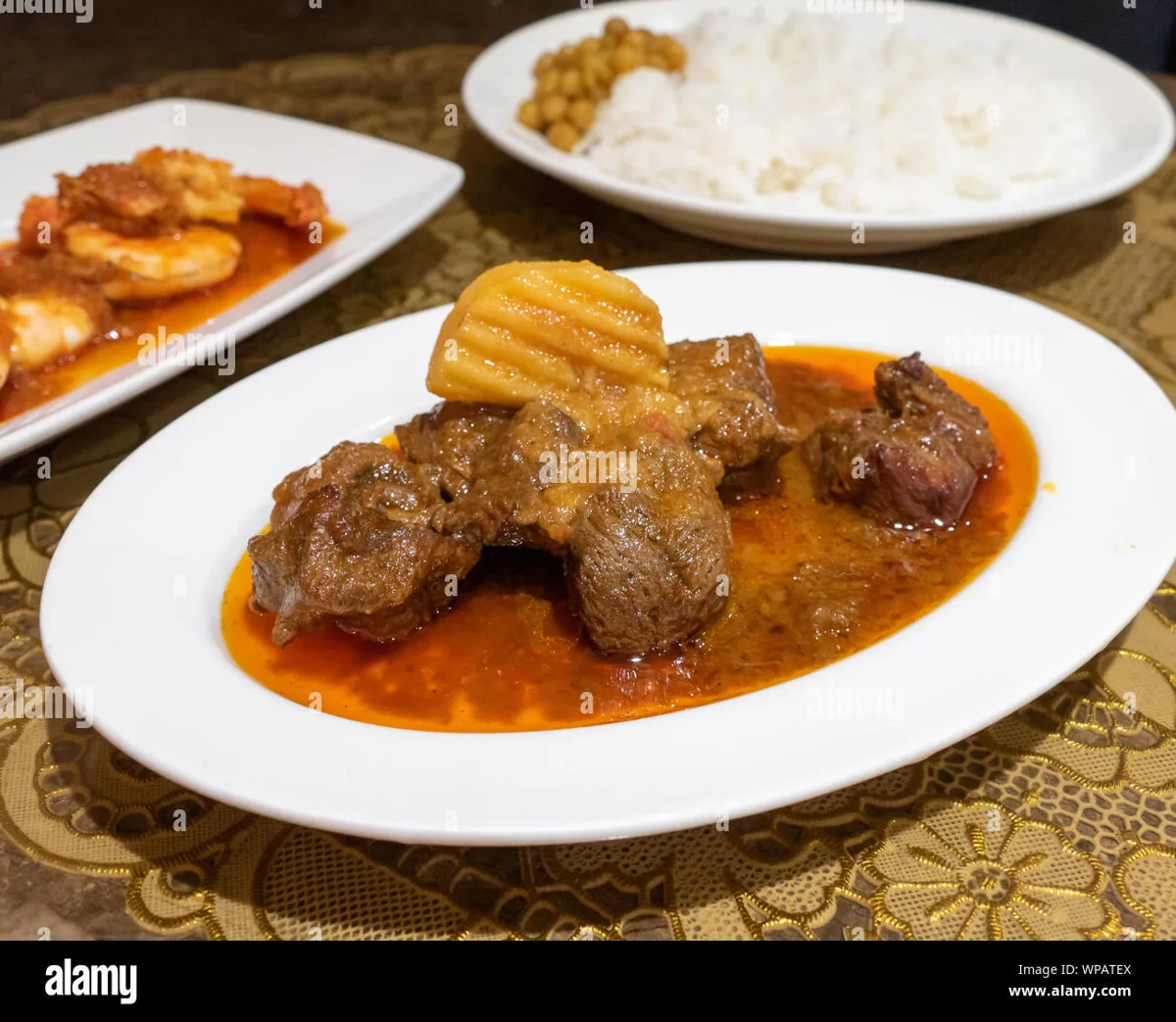
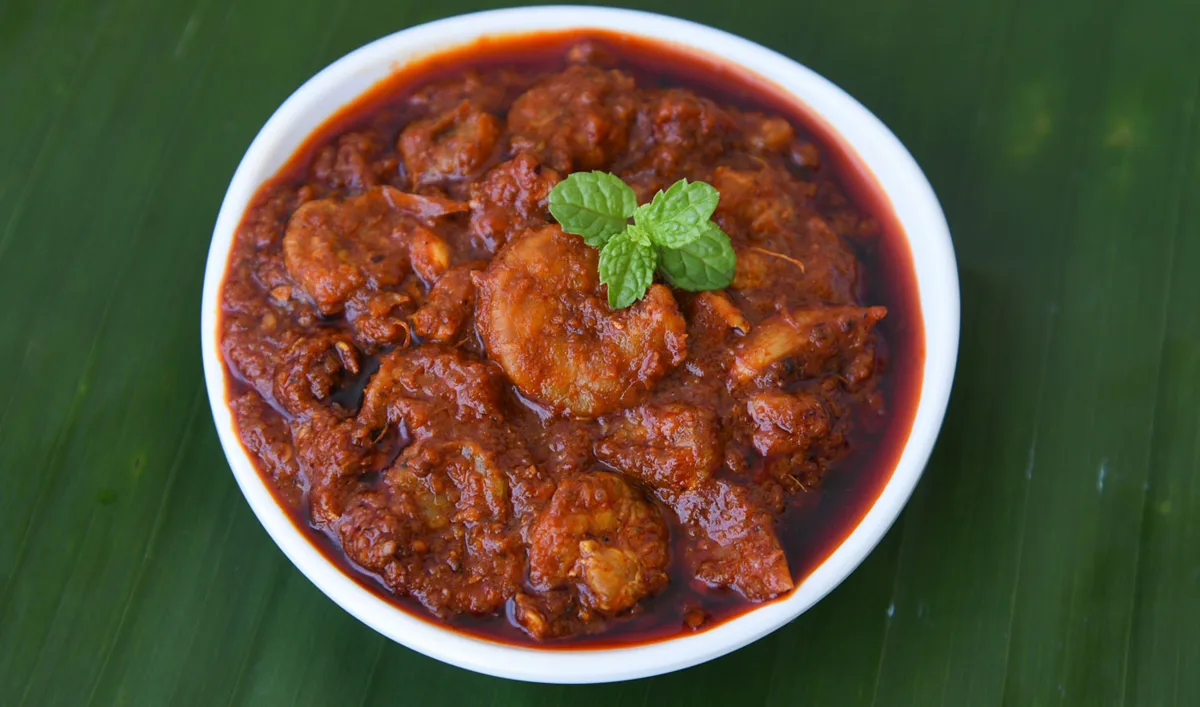
Myanmar's culinary landscape features several iconic dishes that visitors frequently seek out. These offerings provide a comprehensive introduction to the country's flavors and cooking traditions.
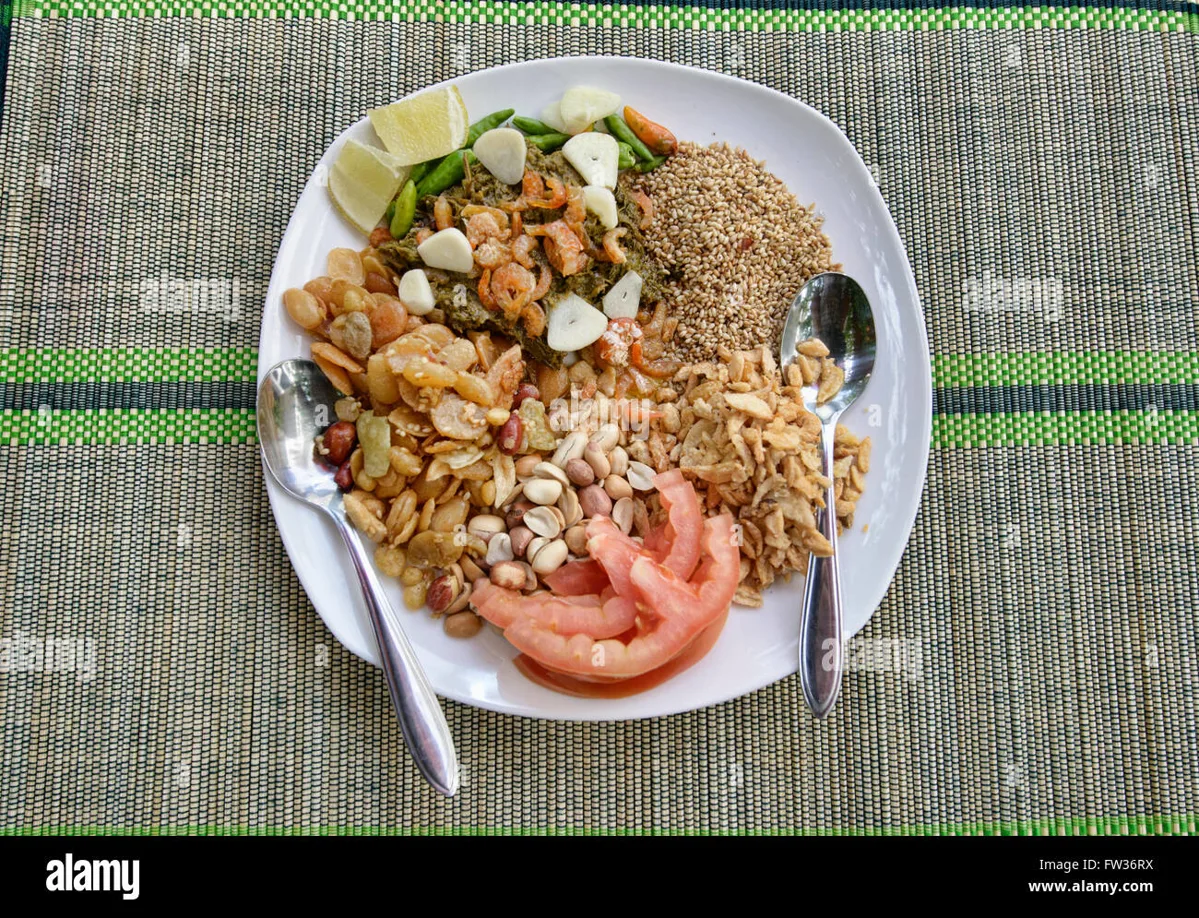
- Lephet Thoke (Fermented Tea Leaf Salad): This is one of Myanmar's most recognized dishes. While fermented tea leaves can be served as a dessert, they are more commonly prepared as a salad. This version combines the tea leaves with shredded cabbage, fresh tomatoes, various beans, crunchy nuts, peas, chili, and garlic. It can be enjoyed on its own or alongside a plate of rice.
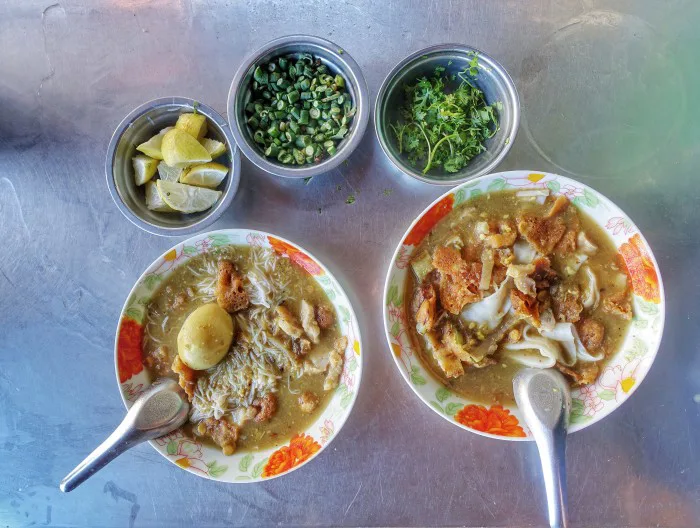
- Mohinga (Rice Noodles with Fish Paste): Considered the national dish, Mohinga is a staple throughout Myanmar, particularly popular as a breakfast meal. This savory soup features thin rice noodles in a rich, flavorful broth made with fish paste. The preparation of Mohinga varies widely, with each cook or household often having a unique recipe, contributing to its diverse appeal.
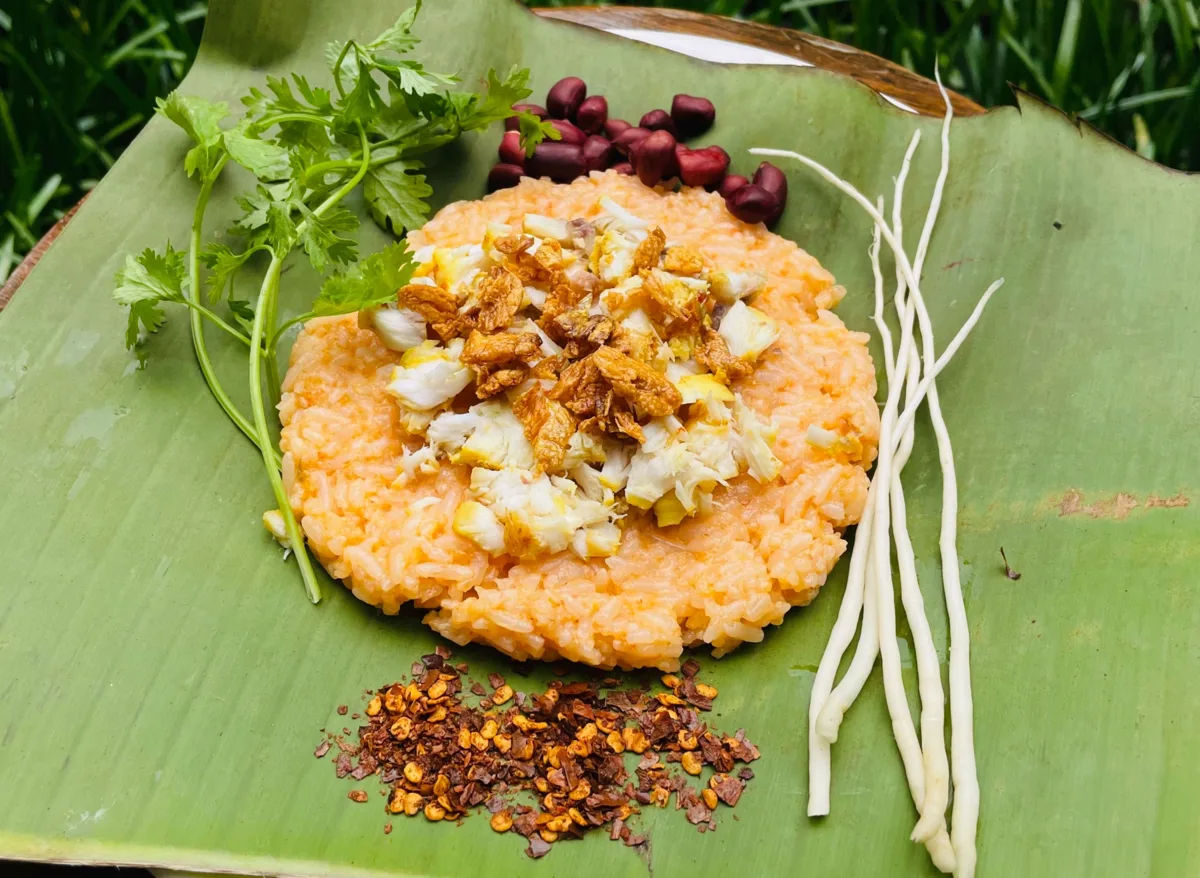
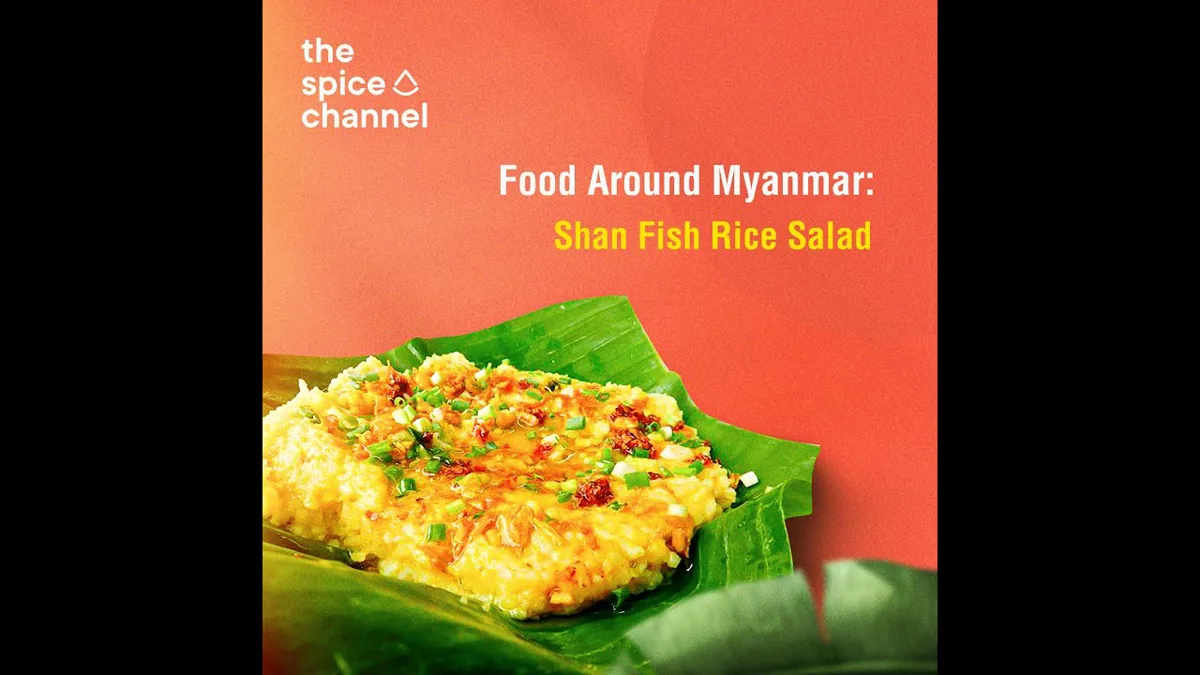
- Nga Htamin (Fish Rice): Originating from the Buddhist Shan people, this dish consists of rice infused with turmeric, topped with flaked fish and garlic oil. It is frequently accompanied by raw garlic cloves, crispy fried pork rind, and leek roots, offering a combination of textures and tastes.
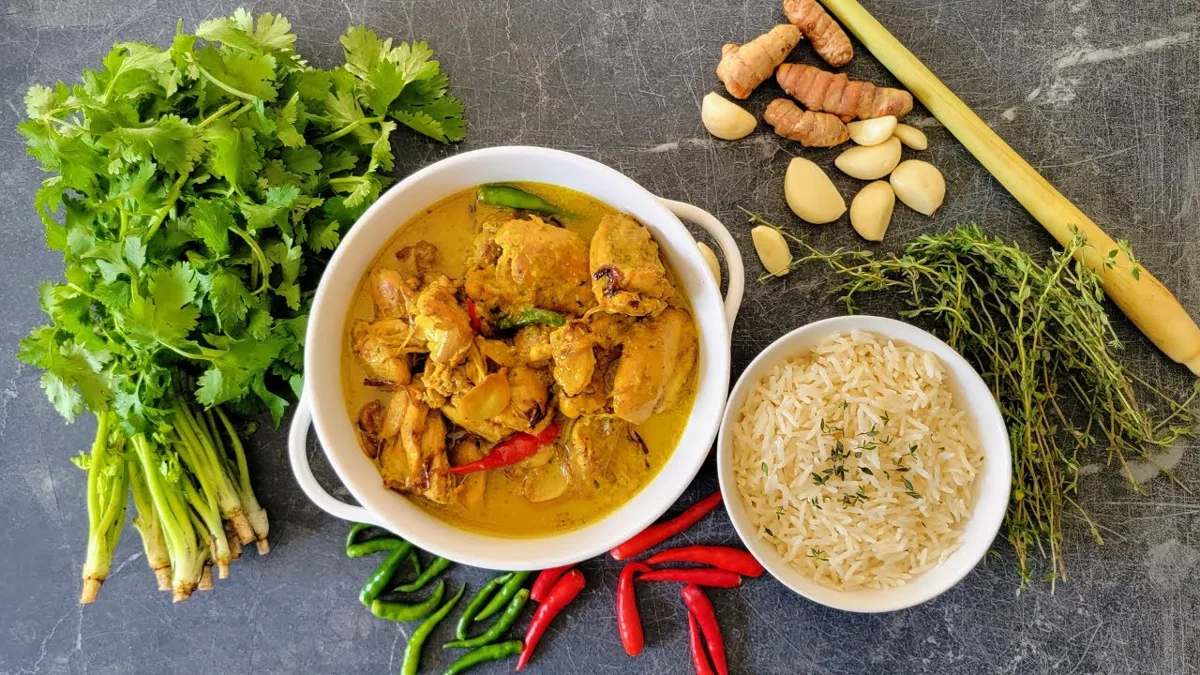
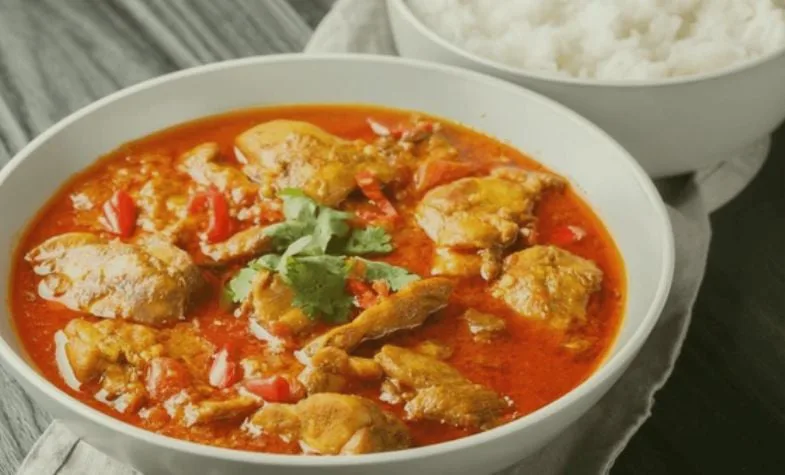
- Burmese Curry: Myanmar's interpretation of curry often includes a main protein such as fish, shrimp, pork, beef, or mutton. What distinguishes Burmese curry is the generous array of accompanying side dishes, soups, and dips served alongside the main curry, creating a complete and varied meal.
Sweet Treats and Street Food Culture
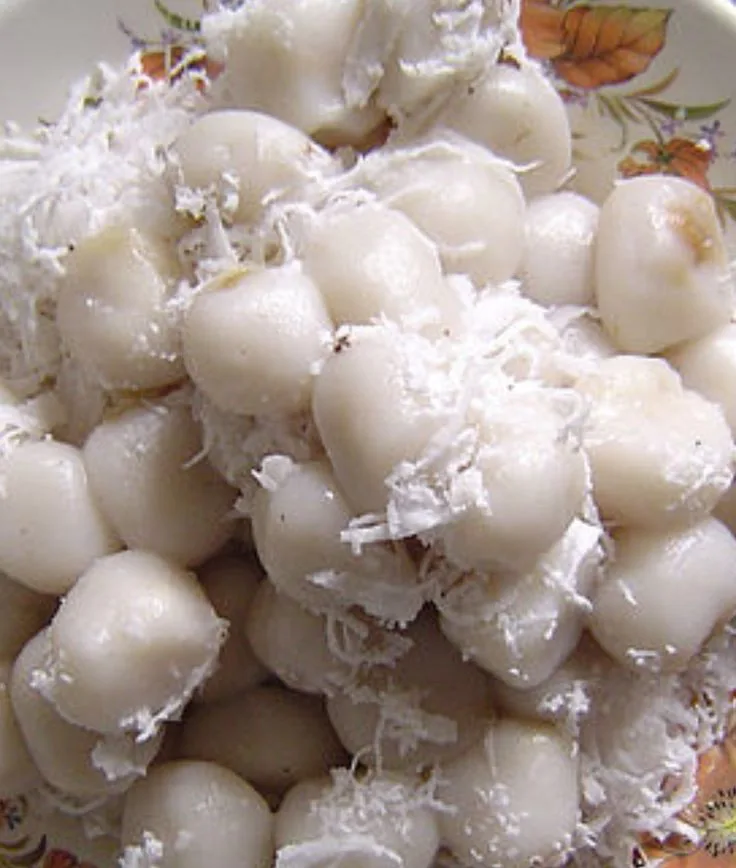
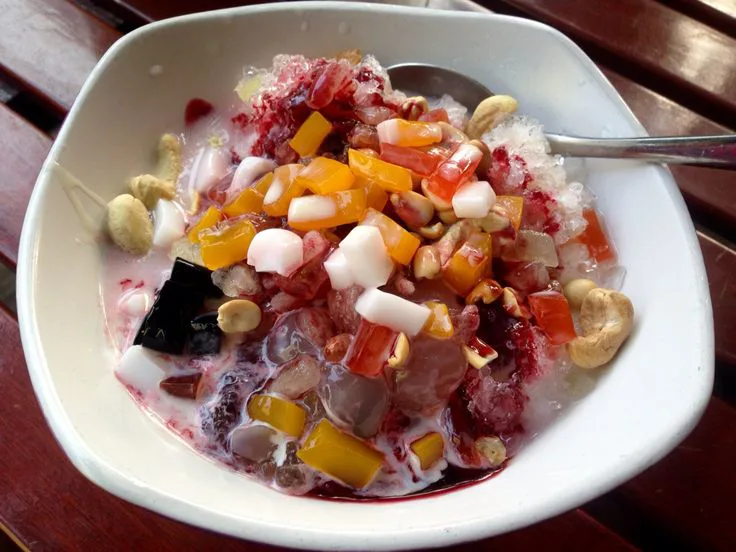
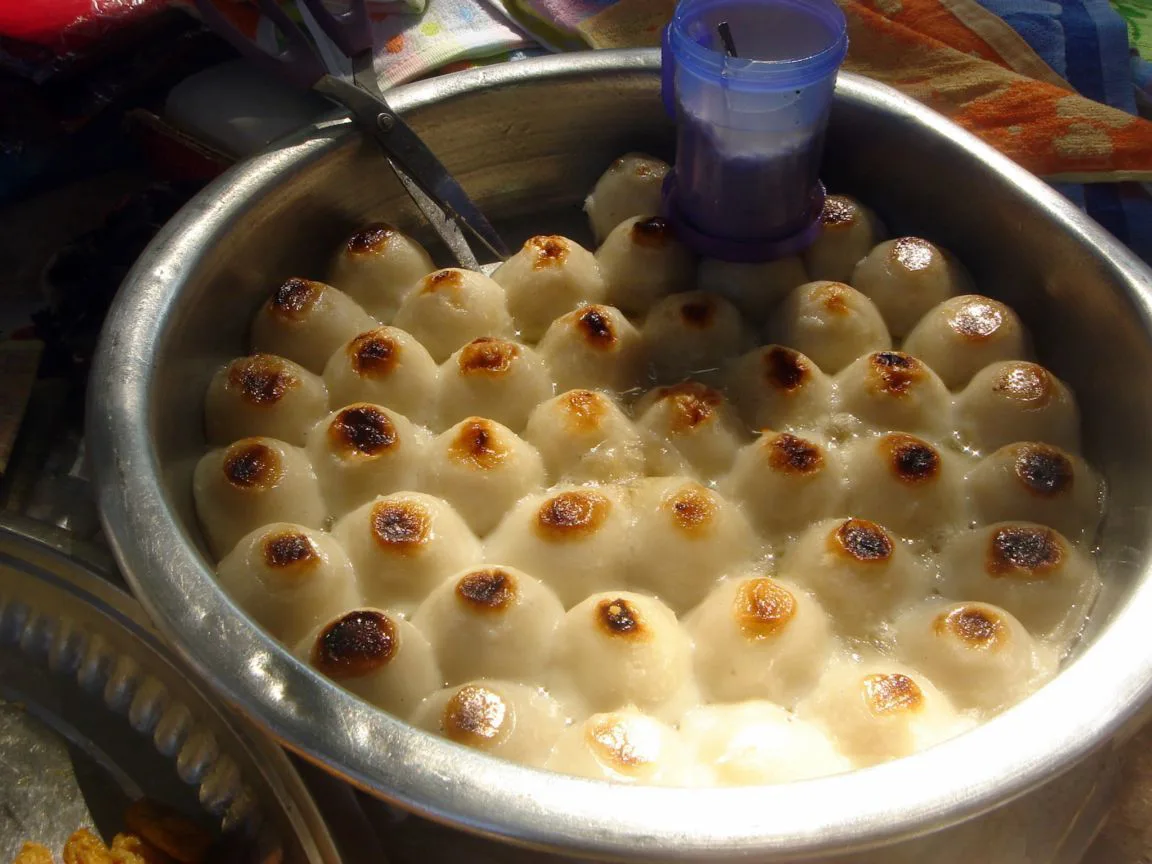
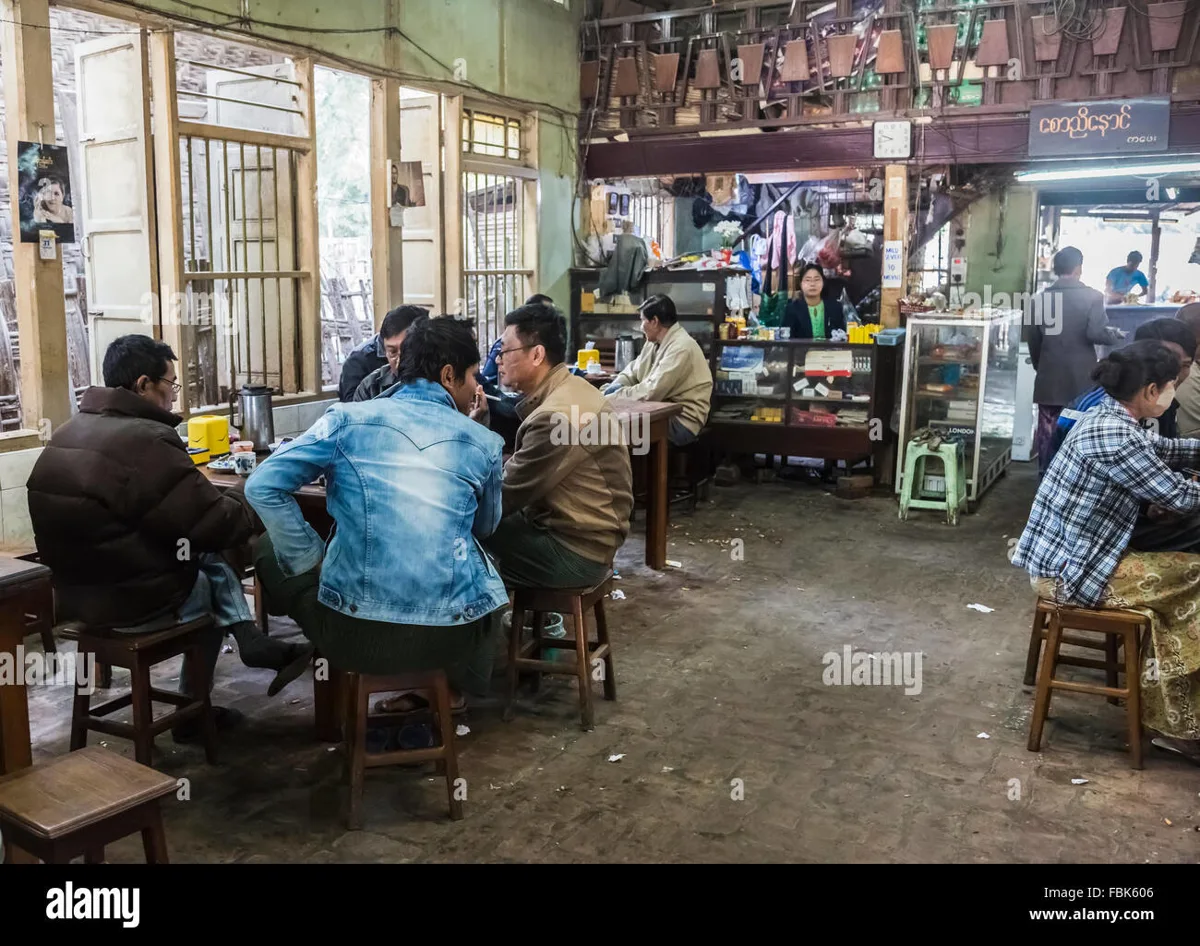
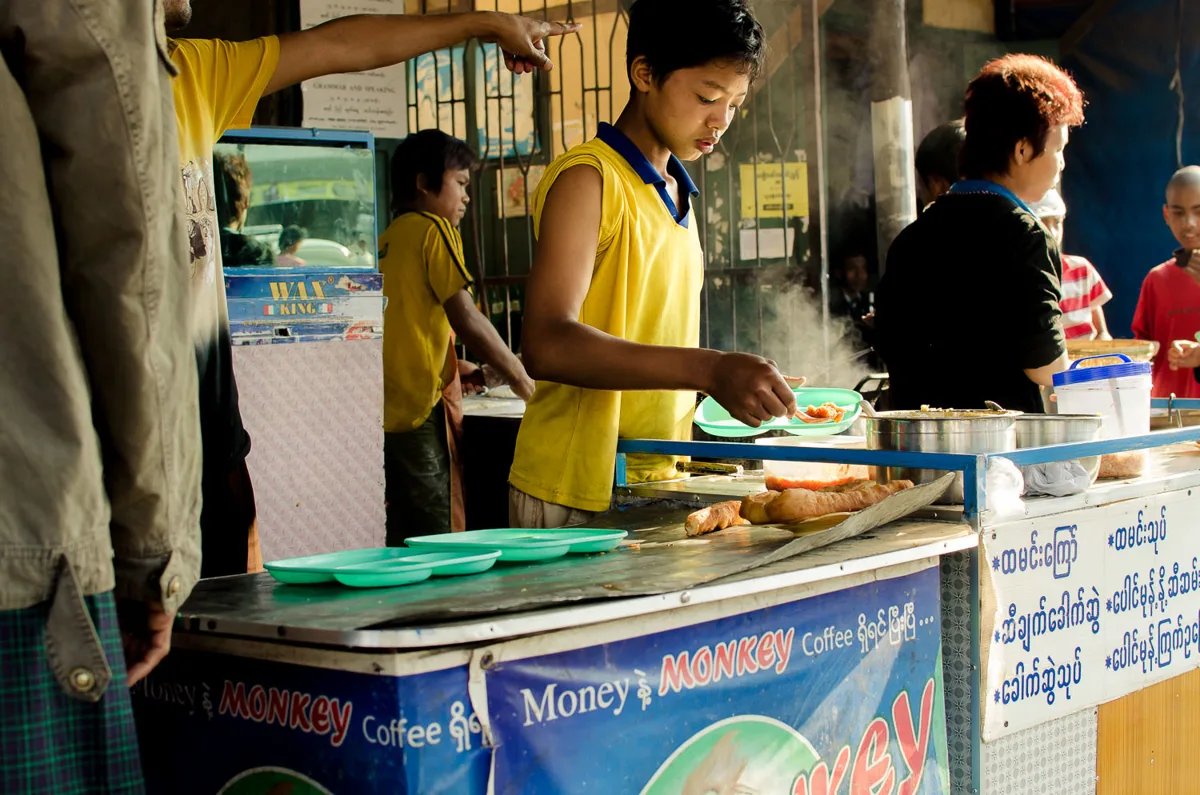
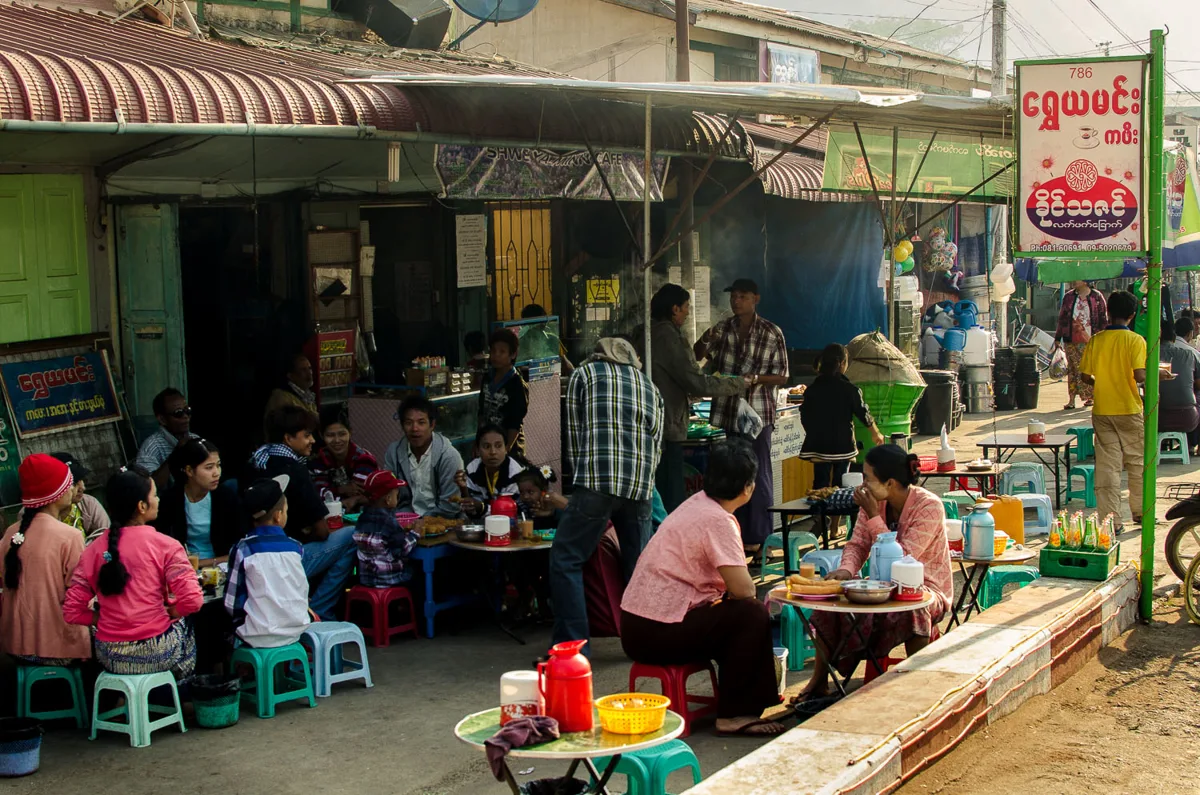
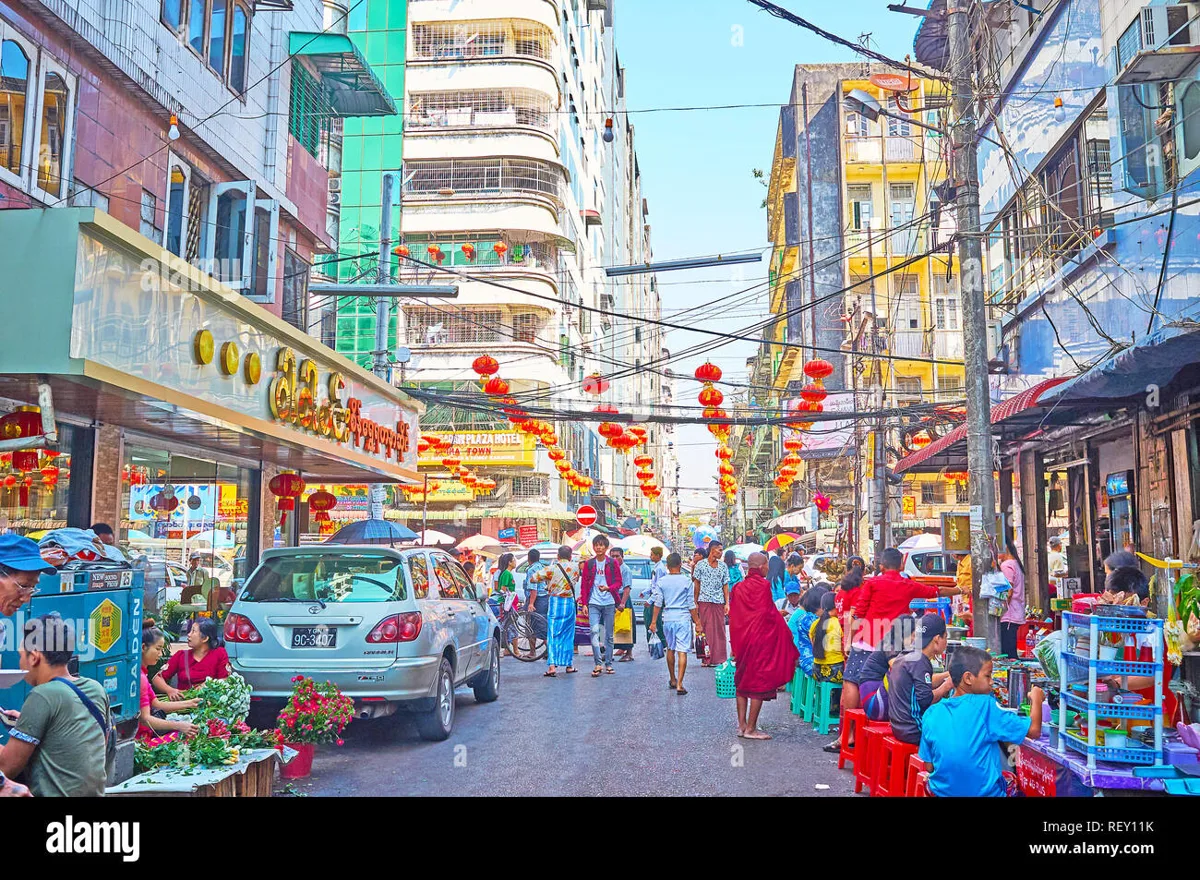
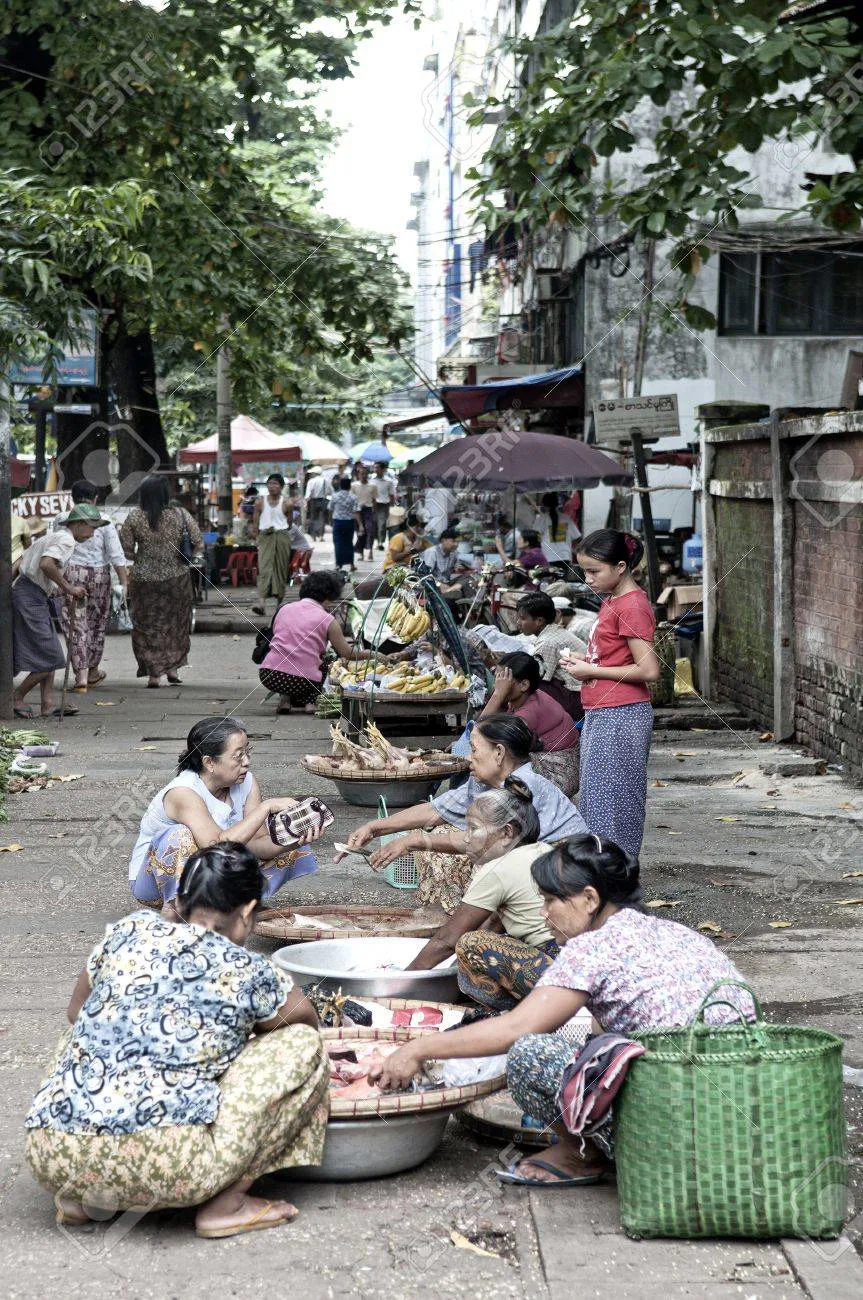
Sweets, collectively known as moun, hold a significant place in Myanmar's food culture, often consumed with morning or afternoon tea. These confections typically feature natural ingredients for flavoring, such as coconut meat and milk, tapioca, various fruits, and rice flour. They tend to be less sugary than Western desserts, focusing on subtle, natural sweetness.
Street food and snacks are also widely enjoyed, though many popular options involve deep-frying. For those preferring lighter fare, it is worth noting that many items sold at Burmese tea shops and from street vendors are prepared by frying. Common deep-fried snacks include spring rolls, both sweet and savory fritters, various breads, and samosas. These are frequently served with a tangy tamarind-based dipping sauce.
Regional Culinary Focus




| Region Type | Characteristic Dishes | Example Cities |
|---|---|---|
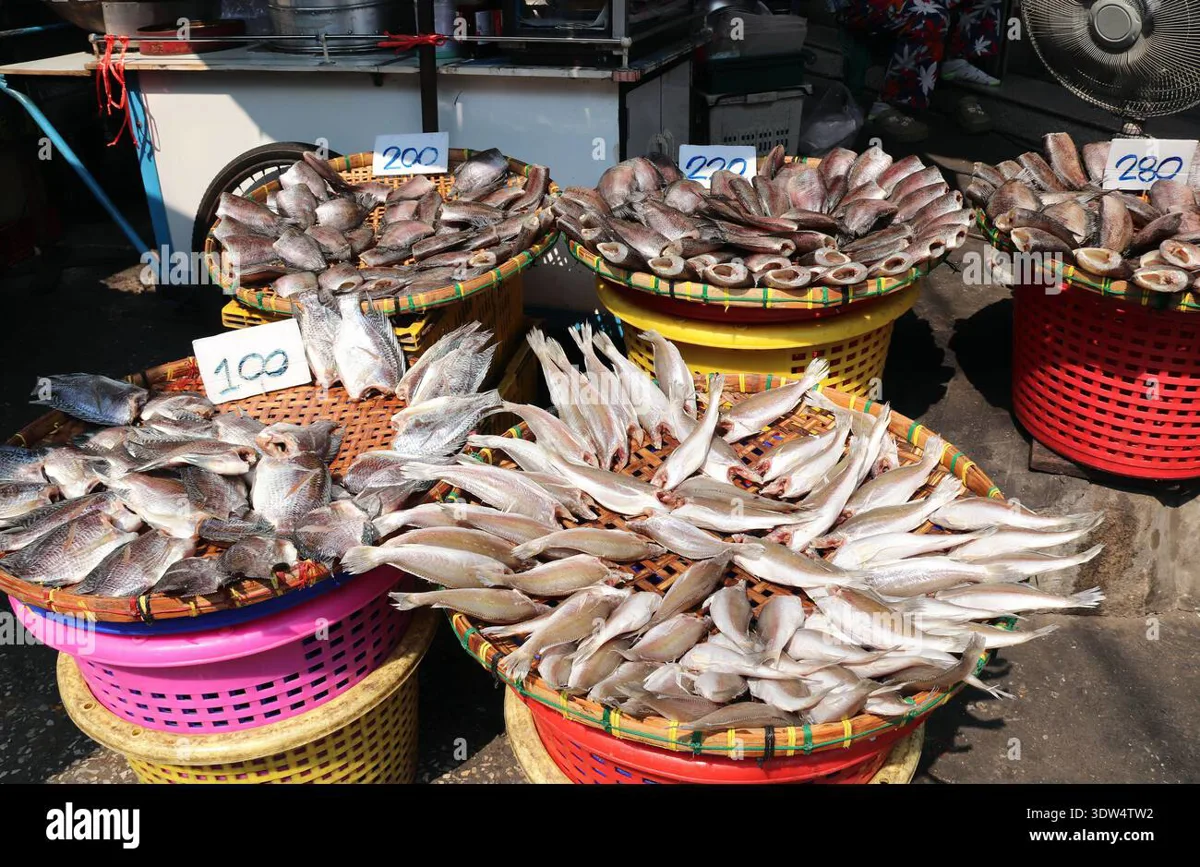
| Coastal Areas | Seafood dishes, often featuring fresh catches and strong use of ngapi. | Mawlamyaing, Kyaukupu, Dawei, Mergui, Sittwe |
| Inland Areas | Meat and poultry dishes, with less emphasis on seafood; more curries and rice preparations. | Mandalay |
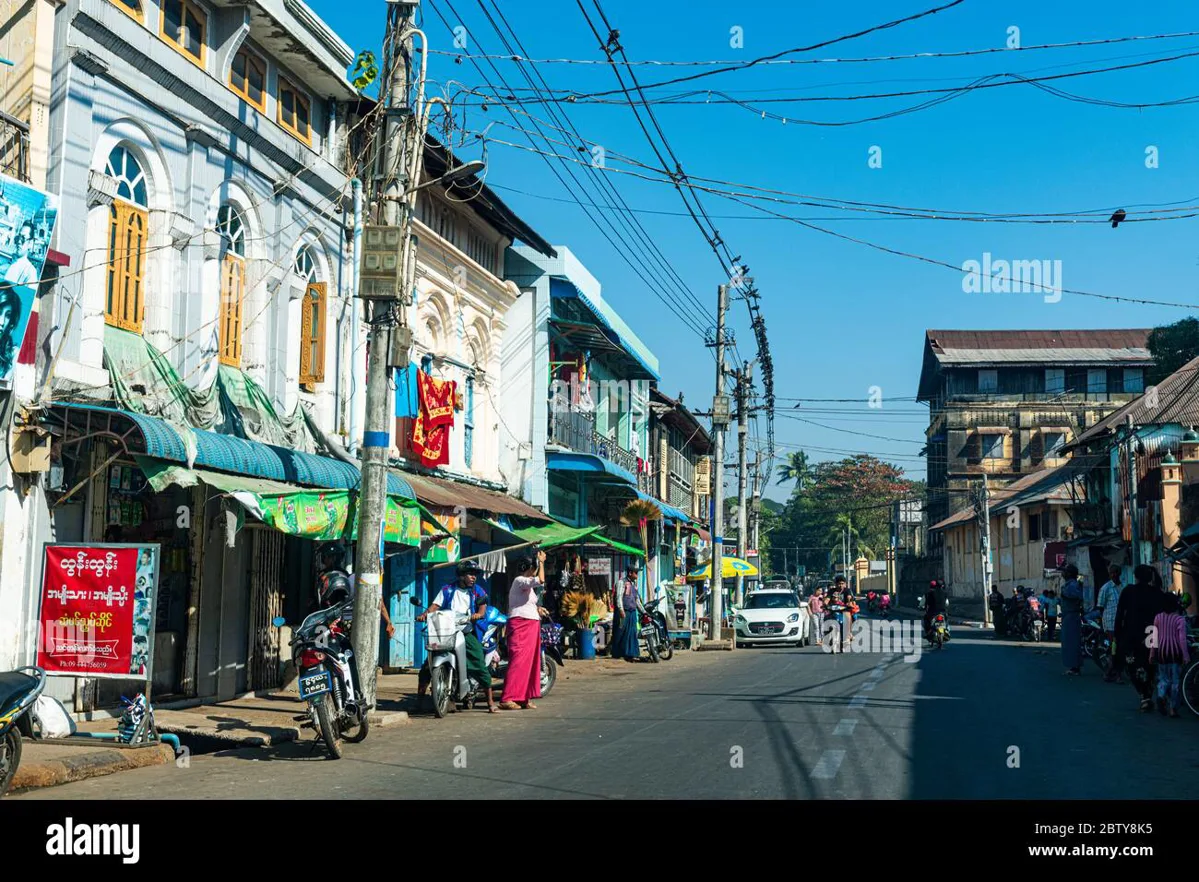
The culinary landscape of Myanmar varies considerably between its coastal and inland regions. Along the extensive coastline, cities like Mawlamyaing, Kyaukupu, Dawei, Mergui, and Sittwe are renowned for their seafood preparations. These areas naturally incorporate fresh fish, shrimp, and other marine ingredients into their daily cooking, often utilizing the characteristic fermented seafood paste, ngapi, to enhance flavors.
Conversely, in landlocked areas such as Mandalay, meat and poultry dishes are more prevalent. Here, the cuisine tends to feature a greater variety of curries made with pork, beef, or mutton, alongside rice and noodle preparations. This regional distinction highlights the diverse geographical and agricultural resources that influence local diets across the country. To truly appreciate the breadth of Myanmar's food, exploring both coastal and inland offerings is recommended. For a broader exploration of the region's cultural and natural attractions, consider a Cambodia and Myanmar ancient wonders tour.
Practical Advice for Enjoying Burmese Food
When approaching Burmese cuisine, an open mind to new flavors and textures is beneficial. Many dishes feature a complex interplay of savory, sour, and sometimes spicy notes, often with a distinct umami character from fermented ingredients. It is advisable to start with small portions when trying new items, especially those with strong flavors like ngapi, to gauge personal preference.
For those with dietary restrictions, particularly regarding seafood or oil, communicating needs can be challenging in smaller, local eateries where English may not be widely spoken. However, in larger cities and more tourist-oriented restaurants, staff are often more accustomed to accommodating specific requests. Always remember that food preparation standards can vary, so choosing establishments that appear clean and busy with local patrons is a generally reliable approach. Planning your trip carefully, including essential travel advice for Myanmar, can help ensure a smooth culinary adventure.
Frequently Asked Questions
What are the primary influences on Burmese cuisine?
Burmese cuisine is significantly influenced by its neighboring countries, China, India, and Thailand, due to geographical proximity. Additionally, the culinary traditions of Myanmar's numerous ethnic minority groups contribute greatly to its diverse flavors and dishes.
What is a common characteristic flavor in Burmese food?
A defining characteristic of Burmese food is the extensive use of fish sauce and ngapi, a fermented seafood paste. These ingredients impart a deep, savory, and often pungent flavor profile that is central to many traditional dishes.
How do dining customs differ in Myanmar?
In Myanmar, it is customary to eat with your right hand. Diners typically form small balls of rice with their fingertips, mixing them with other ingredients on their plate. This practice reflects the politeness and courteousness valued in Burmese culture.
Are there significant regional differences in Burmese food?
Yes, regional differences are notable. Coastal cities like Mawlamyaing and Sittwe are known for their seafood dishes, while inland cities such as Mandalay feature more meat and poultry-based meals, including various curries.
What is Mohinga?
Mohinga is widely considered the national dish of Myanmar. It is a savory soup consisting of rice noodles served in a rich broth made with fish paste. It is a popular breakfast item and its preparation often varies from one cook to another.








