
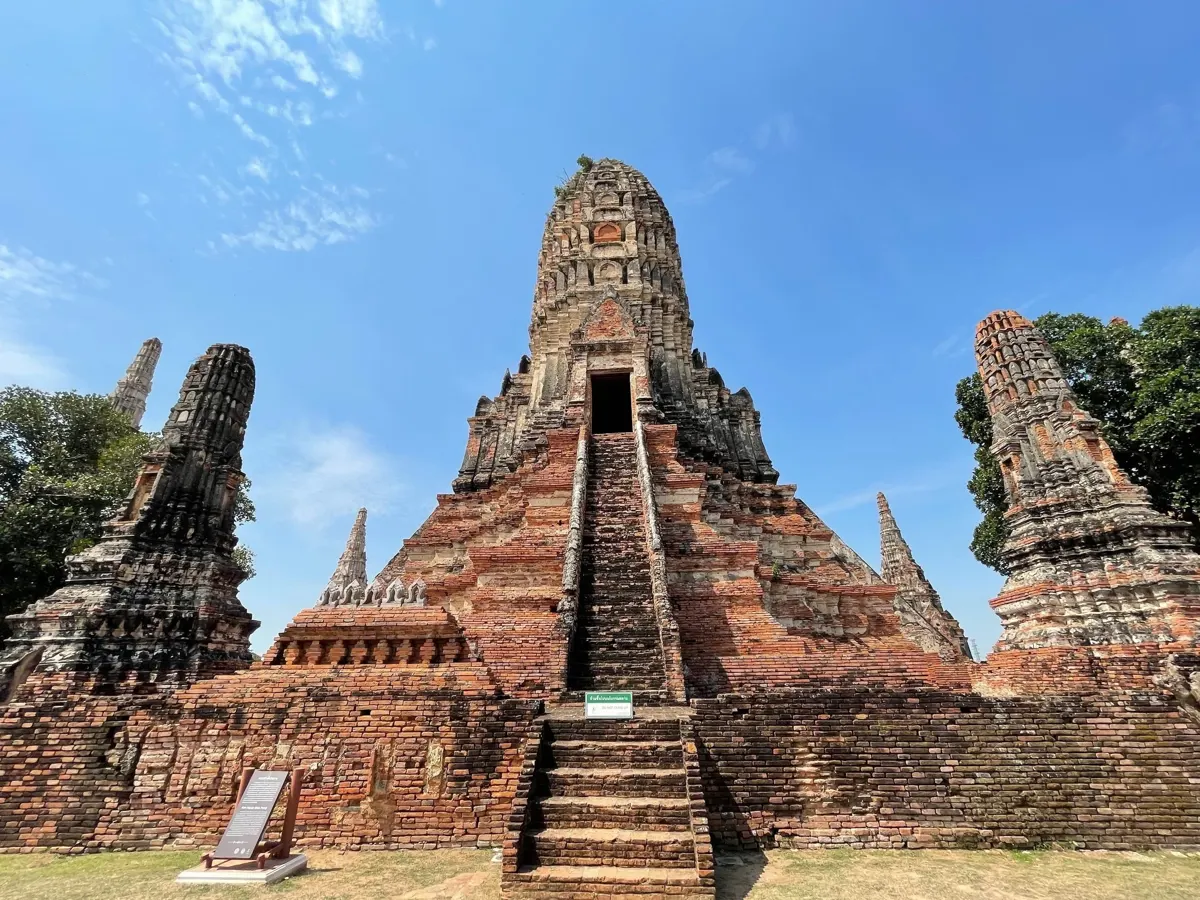
Exploring Thailand is made accessible through its extensive and varied public transport network. Whether moving within a major city like Bangkok or venturing into smaller towns and islands, travelers have several options to consider. This guide outlines the primary modes of public transportation available, detailing their characteristics, typical costs, and advice for use, enabling visitors to make informed choices for their journeys.
Local Bus and Songthaew Services
In Thailand's larger urban centers, including Ubon Ratchathani, Nakhon Ratchasima, and Bangkok, a comprehensive bus system facilitates both intra-city and suburban travel. These buses generally operate from early morning until late evening, with some routes in Bangkok providing service around the clock. Fares and specific routes differ depending on the bus type, but passengers typically pay between 7 and 24 Thai Baht. To use these services, travelers should locate a bus station or designated stop and board the bus displaying the correct route number. To signal a stop, a buzzer inside the bus should be pressed to alert the driver.
For medium-sized towns, songthaews serve as a popular mode of transport for both residents and visitors. These modified pickup trucks, often with two benches in the back, follow established routes and have set fares, though their operating schedules can be flexible, often departing once a sufficient number of passengers have boarded. In certain areas, such as Chiang Mai, songthaews may gather a group of individuals heading in a similar direction before dropping them off at their specific destinations. Fares for songthaew rides generally range from 10 to 20 Thai Baht, payable to the driver upon exiting. To hail a songthaew, simply wave it down, and to disembark, press the buzzer located on the ceiling.
Taxi Travel: Metered and Negotiated Fares
Taxis offer a comfortable and generally affordable method for city travel across Thailand. These vehicles are often easily identifiable by their bright colors, such as green, pink, or yellow. In major cities, the number of available taxis is substantial. When taking a taxi, it is crucial to ensure the driver activates the meter at the start of the journey to guarantee fair pricing and prevent potential overcharging. If a driver declines to use the meter, it is advisable to seek an alternative taxi.
In smaller towns and on many islands, taxis may not be equipped with meters. In these locations, fares are typically determined by a set rate or through negotiation with the driver before the trip begins. For journeys extending to suburban areas, passengers may have some flexibility to bargain for a lower fare. It is important to note that any road tolls encountered during the ride are usually the responsibility of the passenger.
Experiencing Tuk-tuks
The tuk-tuk, a distinctive three-wheeled open-air vehicle, stands out as an iconic and engaging form of transportation throughout Thailand. These vehicles are a common sight in urban areas, utilized by both locals and tourists for short to medium-distance travel. While they might appear unconventional, riding in a tuk-tuk is often considered an enjoyable part of the Thai travel experience. Fares for a tuk-tuk ride typically begin at 60 Thai Baht or more for an average distance, irrespective of the number of passengers. To avoid being overcharged, it is essential to agree upon the fare with the driver before commencing the journey. Travelers are encouraged to negotiate firmly to ensure a reasonable price.
Rail Systems in Bangkok
Bangkok, as Thailand's capital, provides an advanced rapid transit network that helps mitigate traffic congestion. This system comprises three main components: the Airport Rail Link, the underground MRT (Mass Rapid Transit), and the elevated BTS Skytrain. The MRT and BTS Skytrain lines are particularly useful for connecting various points of interest, including commercial districts, retail centers, and entertainment venues across the city. These modern rail services offer a quick and efficient way to navigate Bangkok's urban landscape.
Waterway Commuting and Island Hopping
Water transportation plays a significant role not only for reaching Thailand's numerous islands but also within major cities like Bangkok. The city's canals and rivers are served by various water bus services daily. The Khlong Saen Saep service transports passengers along two of Bangkok's canals, while the Chao Phraya Express services operate along the Chao Phraya River, offering a different perspective of the city and a practical way to bypass road traffic. For those planning to visit the islands, ferries and longtail boats are the primary means of transport, connecting the mainland with popular island destinations and facilitating movement between islands.
Choosing the Right Transport for Your Trip
Selecting the most suitable mode of transport in Thailand depends on your destination, budget, and desired experience. For quick, metered travel within cities, taxis are a reliable choice. For a memorable local experience and shorter distances, a tuk-tuk can be exciting, provided you negotiate the fare beforehand. For efficient travel within Bangkok, the rail systems offer speed and convenience, especially during peak hours. Buses and songthaews are excellent budget-friendly options for local and regional travel, though they may require more patience.
When planning your travel budget, it's helpful to consider the typical costs associated with each transport type. While cash is widely accepted for most local transport, having smaller denominations is often beneficial. For managing your finances while traveling, understanding local banking services can be quite useful, especially for accessing local currency. For example, knowing about banking services in Hoi An or banking services in Da Nang can provide insights into financial planning for your broader Southeast Asia trip.
Comparison of Common Thai Transport Options
| Transport Type | Typical Fare Range (THB) | Common Locations | Key Considerations |
|---|---|---|---|
| City Bus | 7-24 | Major cities (Bangkok, Ubon Ratchathani) | Fixed routes, press buzzer to stop, some 24/7 in Bangkok |
| Songthaew | 10-20 | Medium-sized towns (Chiang Mai) | Fixed routes, flexible schedule, flag down, pay on exit |
| Metered Taxi | Metered (plus tolls) | Major cities | Insist on meter, negotiate in non-metered areas |
| Tuk-tuk | Starts at 60 | All major cities | Negotiate fare before ride, iconic experience |
| Light Rail (BTS/MRT/ARL) | Varies by distance | Bangkok | Fast, efficient, connects key areas, avoids traffic |
| Water Bus/Ferry | Varies by route | Bangkok (Chao Phraya, Khlong Saen Saep), Islands | Scenic, avoids traffic, essential for island travel |
Frequently Asked Questions
What is the most economical way to travel around Thai cities?
For budget-conscious travelers, local buses and songthaews generally offer the most economical fares for getting around Thai cities and towns. Bus fares typically range from 7 to 24 Thai Baht, and songthaews from 10 to 20 Thai Baht, making them significantly cheaper than taxis or tuk-tuks for individual travelers.
Should I always insist on a taxi meter in Thailand?
Yes, in major cities like Bangkok, it is highly recommended to always insist that taxi drivers use the meter. This ensures you pay the standard rate for your journey and helps prevent overcharging. In smaller towns or on islands where meters are not common, you should negotiate and agree on the fare before starting your trip.
Are tuk-tuks safe for tourists?
Tuk-tuks are generally considered a safe and enjoyable way to travel in Thailand, offering a unique cultural experience. While they are open-air vehicles, drivers typically navigate city streets with caution. It is important to agree on the fare with the driver before setting off to avoid any misunderstandings.
How do I use the light rail systems in Bangkok?
Bangkok's light rail systems, including the BTS Skytrain and MRT, are straightforward to use. Passengers purchase tickets at station kiosks or vending machines, either for single journeys or using rechargeable cards. Follow the signs to your desired line and platform. The Airport Rail Link connects Suvarnabhumi Airport to the city center.
What are the primary water transport options in Bangkok?
In Bangkok, key water transport options include the Chao Phraya Express Boat service, which operates along the Chao Phraya River, and the Khlong Saen Saep Express Boat, which runs along specific canals. These services provide an alternative to road transport, allowing passengers to access various parts of the city and observe riverside life.








