
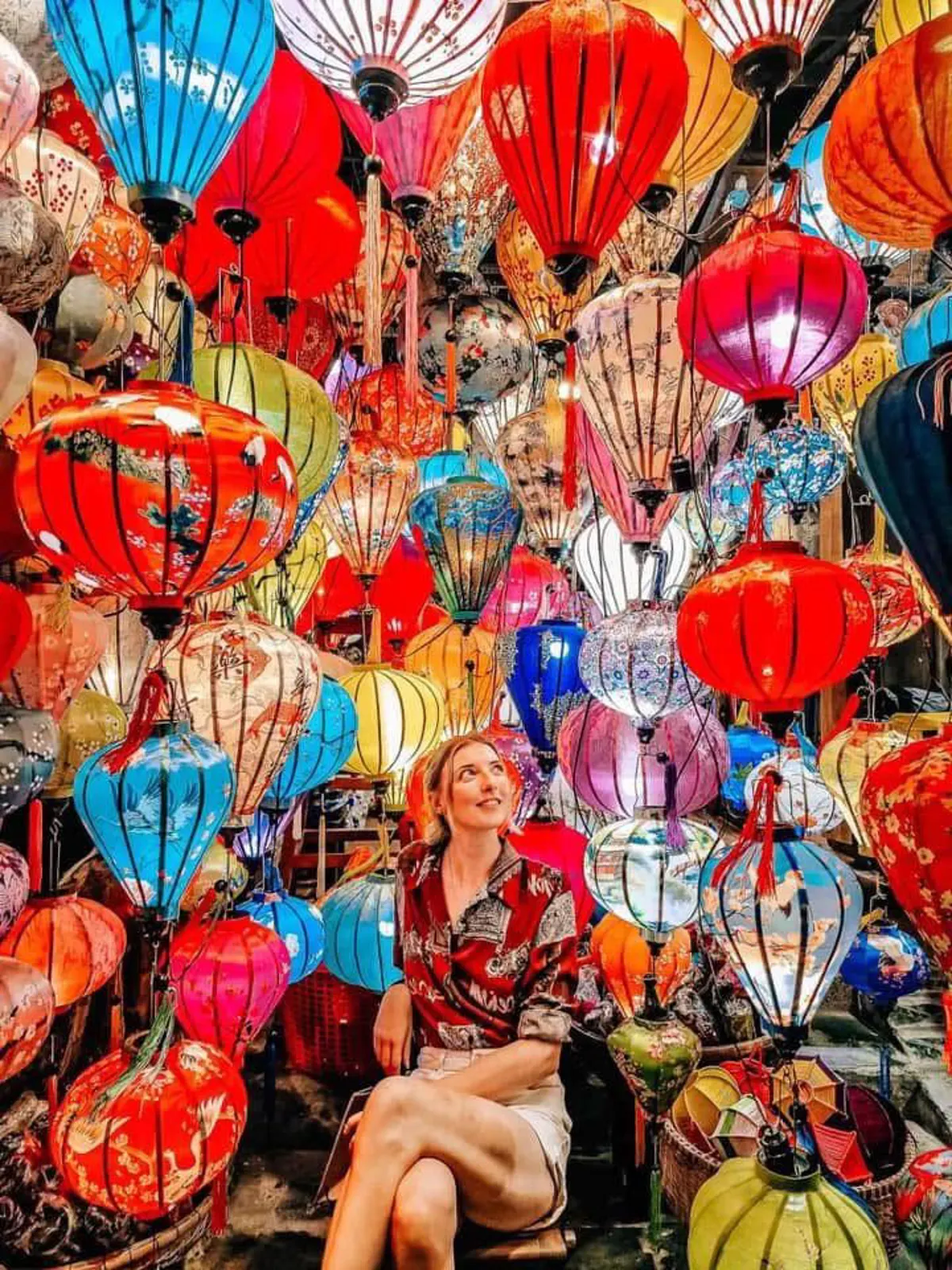
Hoi An, a historic port town in central Vietnam, is widely recognized for its aesthetic appeal and romantic atmosphere. Since 1999, its Old Town has held UNESCO World Heritage status, drawing a significant number of visitors from both within Vietnam and abroad each year. The town showcases an architectural blend, preserving 1,068 ancient houses, 19 pagodas, 43 shrines, 5 assembly halls, 11 historic wells, a central bridge, and 44 antique tombs, reflecting its rich past.
Exploring Hoi An's Historic Center
The Old Town of Hoi An offers a distinctive experience, as motorized vehicles are restricted from entering, making it a notably peaceful environment for pedestrians. Walking through the town is considered the most effective way to observe its many corners and historical structures. Over 1,300 buildings exhibit a harmonious fusion of Vietnamese, Chinese, and Japanese architectural styles, all meticulously maintained even after the Vietnam War. This setting provides ample opportunities for photography, capturing the intricate details of ancient buildings, especially the Japanese Bridge, along with the local flora and daily life scenes. Should you need a break, numerous establishments offer refreshing tropical beverages.
A particularly enchanting time to experience Hoi An is during the dry season, which typically runs from March to September. Visitors often plan their trips to coincide with the lantern festivals, held on the 15th day of the Lunar New Calendar when the moon is at its fullest. At approximately 8:00 PM on these evenings, the Old Town's electric lights are turned off, allowing the illuminated lanterns to cast a soft, ethereal glow. This transformation creates a distinctly different atmosphere, transporting observers away from the usual pace of modern life.
River Journeys and Local Craftsmanship
The Thu Bon River flows through the heart of Hoi An, providing another perspective on the town. Small sampan boats offer excursions along the waterway, where passengers can release colorful candle lights onto the water's surface. During daylight hours, these boat trips allow for observation of Hoi An's traditional infrastructure and the daily routines of local fishermen. As evening approaches, particularly at sunset or after dark, the town takes on a different character, with numerous lanterns lighting up and music often heard. A journey on a wooden boat along the Thu Bon River is frequently described as a profoundly peaceful experience.
Lanterns are a prominent symbol of Hoi An, and visitors have the opportunity to create their own. Workshops are available where participants can design and construct a lantern, which can then be taken home as a unique memento. These classes typically cost around 100,000 VND per person (price accurate as of 2019) and include an introduction to the history, various shapes, colors, and the step-by-step process of lantern creation. This hands-on activity offers insight into a significant aspect of local culture.
Shopping, Culinary Delights, and Tailoring
Like many notable destinations in Vietnam, Hoi An features a lively night market that reflects local customs. Situated adjacent to the Thu Bon River, this market operates nightly and is designated exclusively for pedestrians. It attracts numerous tourists, both domestic and international, seeking to purchase souvenirs and gifts for friends and family. A wide array of items is available, with lanterns being a particularly popular choice. The night market also serves as a location to sample local cuisine, enjoy street-side beer, and try barbecue dishes. It's advisable to visit earlier than in cities like Hanoi or Ho Chi Minh City, as the Hoi An night market generally closes earlier, typically between 9:30 PM and 10:00 PM.
Beyond the market, Hoi An is renowned for its tailoring services. Many visitors consider a trip incomplete without having custom-made clothing created by the skilled local artisans. The town is widely regarded as a premier destination in Vietnam for high-quality, custom garments. Numerous tailor shops are easily found throughout Hoi An, offering quick service, excellent craftsmanship, and competitive pricing. Customers can order a variety of clothing items to suit their preferences. For guidance on where to find reputable tailors, hotel staff can often provide recommendations, or online travel review platforms may offer suggestions. When considering what to bring home, custom clothing stands out among unique purchases from a trip to Vietnam.
Countryside Exploration
For those interested in seeing local life beyond the main tourist areas, cycling into the Hoi An countryside offers a distinct perspective. Taking a taxi to the outskirts and then cycling provides an opportunity to observe how local residents live and work. Hoi An is home to several organic vegetable farms, with Tra Que Village being particularly well-known. This village is located between Hoi An town and An Bang beach. The fresh vegetables and herbs cultivated by farmers in Tra Que are often credited with enhancing the flavors of many local dishes. Participating in activities here typically involves joining a guided tour, which helps visitors navigate the area and understand its significance. Guides often lead participants through the village, offering a chance to experience farming firsthand. Following this, a cooking class might be offered, where a chef demonstrates how to prepare local dishes, allowing participants to enjoy their own creations.
Practical Information for Visitors
Planning your visit to Hoi An during the dry season, from March to September, generally offers the most favorable weather conditions for exploring. The town's pedestrian-friendly Old Town makes walking a primary mode of transport, but bicycles are also popular for venturing further afield into the surrounding areas. While enjoying the local culture and activities, it's also important to manage practical aspects of your trip. For information on handling money and accessing financial services, visitors can consult a guide to banking services in Hoi An.
Frequently Asked Questions
When is the best time to visit Hoi An?
The most favorable time to visit Hoi An is typically during the dry season, which spans from March to September. This period generally offers pleasant weather conditions for outdoor activities and exploration.
Are there any car or motorcycle restrictions in Hoi An Old Town?
Yes, the Old Town area of Hoi An restricts access for motorcycles and cars, making it a pedestrian-friendly zone. This policy contributes to a quieter and safer environment for walking and cycling.
What is the cost of a lantern making class in Hoi An?
As of 2019, the price for a lantern making class in Hoi An is approximately 100,000 VND per person. This fee typically includes materials and instruction, allowing participants to take their finished lantern home.
What are the operating hours for the Hoi An Night Market?
The Hoi An Night Market operates nightly, situated next to the Thu Bon River. It generally closes earlier than night markets in larger Vietnamese cities, typically between 9:30 PM and 10:00 PM.
Can I get custom clothing made in Hoi An?
Yes, Hoi An is widely recognized for its tailoring services. Numerous shops throughout the town offer custom-made clothing with options for quick turnaround, quality craftsmanship, and reasonable prices.








