
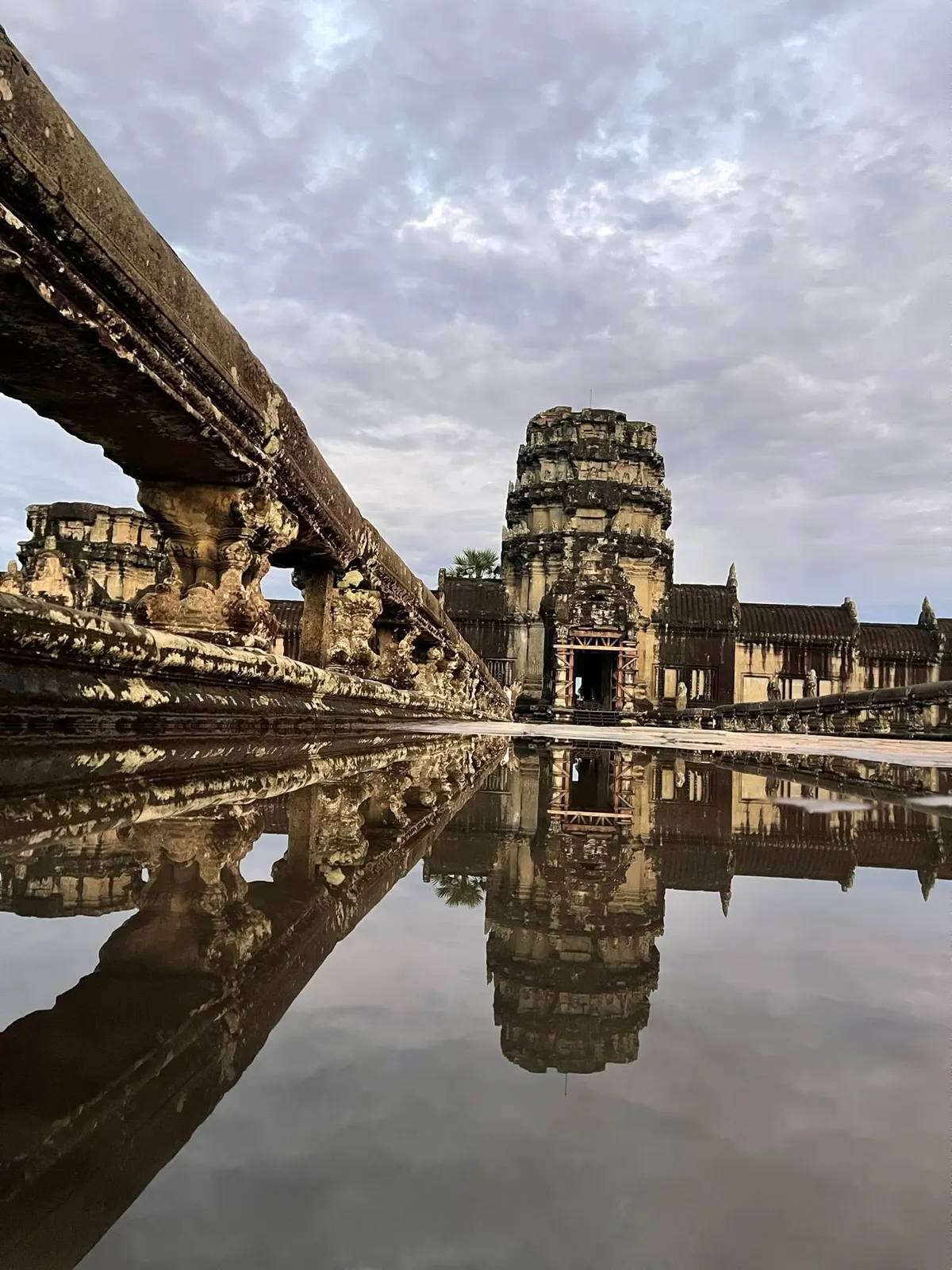
Siem Reap, once primarily recognized as the entry point to the historic Angkor temple complex, has developed into a contemporary and welcoming destination for visitors. The city buzzes with activity, presenting a range of attractions from modern art galleries to distinctive boutiques and sophisticated dining establishments.
Optimal Times to Visit Siem Reap
The Angkor temples are accessible throughout the year, regardless of weather conditions. However, the period between January and February is generally considered the most favorable for a visit. During these months, the climate is pleasantly cool and dry, characterized by clear blue skies, which creates ideal conditions for observing sunrises and sunsets over the ancient structures. March also offers agreeable weather, though skies may become partly cloudy. It is important to note that this is the peak tourist season, leading to increased crowds and potentially higher prices for accommodations and services.
By April, Siem Reap's weather transitions to hot and humid conditions. Visits to the Angkor temples are still feasible, but planning activities to avoid the most intense midday heat is advisable. May marks the onset of the monsoon season and the country's harvesting period. This can still be a good time for travelers who prefer fewer crowds. Temperatures begin to rise in June, but the warmth remains manageable, making it suitable for experiencing the rain-washed landscapes and attractions. July and August maintain warm temperatures, which coincides with summer vacations for many families, making it a popular time for those traveling with children.
September is typically the wettest month. For those willing to experience some rain, this period reveals Siem Reap in its most verdant state, offering a serene atmosphere for exploring the Angkor temples amidst lush greenery. The cool and damp conditions of October gradually give way to more pleasant weather. November and December signify the beginning of the peak tourist season once more, bringing excellent weather and larger numbers of visitors.
Arriving in Siem Reap: Transportation Options
Reaching Siem Reap is possible through various transportation methods, each offering a different experience of Cambodia.
By Air
Direct international flights connect Siem Reap with several major cities across Asia, including Bangkok (Thailand); Vientiane, Luang Prabang, and Pakse (Laos); Ho Chi Minh City, Hanoi, and Danang (Vietnam); Hong Kong; Kuala Lumpur (Malaysia); Beijing, Guangzhou, Kunming, and Shanghai (China); Busan and Seoul (South Korea); Singapore; Taipei (Taiwan); Manila (Philippines); and Yangon (Myanmar). Domestic air travel is currently limited, with services primarily from Phnom Penh and Sihanoukville. Airlines operating these routes include Bassaka Air, Cambodia Angkor Air, and Cambodia Bayon Airlines. During peak travel periods, demand for seats is high, so booking well in advance is recommended. Some discounted fares may be reserved for Cambodian citizens.
Siem Reap International Airport is situated approximately 7 kilometers from the city center. Many hotels and guesthouses in Siem Reap provide complimentary airport pick-up services for guests who book in advance. Visitors can obtain a visa upon arrival at the airport. It is essential to bring US dollars for payment, as using other currencies may incur significant conversion fees. A passport-sized photograph is also required for the visa application.
By Bus
Buses are a widely used mode of inter-provincial transportation across Cambodia. Most national routes are generally in good condition, although some areas may be undergoing construction. Prominent bus companies include Phnom Penh Sorya Transport, Capitol Tours, Giant Ibis, and GST Express. Mekong Express was previously favored by expatriates for its safety record, despite its older fleet. Tickets can be purchased at guesthouses, hotels, bus offices, travel agencies, and ticket kiosks.
Services from Phnom Penh operate throughout the day, with overnight bus options also available. The journey between Phnom Penh and Siem Reap offers glimpses of Cambodian rural life, passing rice fields, traditional wooden homes, and grazing water buffalo and cows. These views are often best enjoyed from full-size buses, as minibuses tend to be more crowded and have smaller windows. Numerous bus operators provide services on this route, with travel times typically ranging from 6 to 7 hours. Bus tickets usually cost between $12 and $15. From Battambang, roads are in good condition, and the trip to Siem Reap typically takes 3 to 4 hours. Buses depart every morning at 7:30 a.m. and 9:00 a.m. In Siem Reap, most buses arrive at and depart from the Chong Kov Sou bus station, located near Phsar Leu, approximately 7 kilometers from the town center.
By Boat
Daily express boat services connect Siem Reap with Phnom Penh or Battambang. Boats operate between Phnom Penh and Siem Reap from July to March; they do not run during the dry season when water levels are too low. These boats may not meet international safety standards and are known for occasional breakdowns. Tickets cost $35 and departures from Phnom Penh Port on Sisowath Quay near Street 104 are at 7:30 a.m. Depending on the season and water levels, the journey can last between four and eight hours. From Battambang, boat tickets cost $20, with travel times ranging from 4 to 8 hours or more, depending on the season. Boats arriving in Siem Reap dock at Chong Khneas near Phnom Krom, located 12 kilometers south of the city. The docking location and the floating village itself shift with the receding lake waters during the dry season. While an all-weather road has improved access around the lake, the main route to the lake can be significantly affected by the annual monsoon rains.
Navigating Siem Reap: Local Transit
Getting around within Siem Reap city is quite manageable on foot. For longer distances or when seeking a unique local experience, various transport options are available.
- Tuk-Tuk: These motorized rickshaws serve as the primary local taxi service and are the simplest way to travel within Siem Reap. Tuk-tuks are readily available for short trips. It is crucial to agree on a price before starting your journey; most rides within the town typically cost between 2 and 4 US dollars. When communicating with drivers, it is often more effective to state the name of your destination rather than street names.
- Remork-motos: Often referred to as tuk-tuks locally, these are motorcycles with attached carriages. They offer a pleasant way for couples to explore Siem Reap, though drivers may sometimes quote higher prices. Trips within the town begin at approximately US$2, with fares increasing for destinations on the outskirts or during evening hours. Prices also rise with additional passengers.
- Moto: An unmarked motorcycle taxi, or moto, with a driver can be hired for around US$10 per day, with the cost varying based on the distance to your destination. Journeys to more distant temples will incur a higher fee. A short trip within the town generally costs about 2000 Riels, or around US$1 or more for places along the roads leading to Angkor or the airport. It is advisable to negotiate the fare in advance, as some drivers have a tendency to overcharge.
- Car & Motorbike: Most hotels and guesthouses can arrange car hire for the day, with rates starting from US$30. Foreign visitors are not permitted to rent motorcycles within Siem Reap or its surrounding areas. If you wish to travel by motorbike, you would need to rent one in Phnom Penh and ride it to Siem Reap.
- Bicycle: Several guesthouses and shops near the Old Market offer bicycles for rent, usually for US$1 to US$2 per day. The White Bicycles project provides rentals through over 50 guesthouses and hotels in Siem Reap, with all proceeds supporting local development initiatives. For those seeking more robust options, cycling tour operators offer imported mountain bikes for about US$8 to US$10. Another choice is the Green e-bikes, which present an environmentally conscious alternative combining features of bicycles and motorbikes.
Shopping and Souvenirs in Siem Reap
Siem Reap presents a diverse shopping landscape, particularly renowned for Cambodian silks and other textiles. Visitors can find a wide array of items including handicrafts, contemporary art, intricate carvings, decorative home goods, silver products, traditional stone carvings, lacquer wares, incense, candles, general souvenirs, and clothing. From upscale boutiques within luxury hotels and resorts to the open-air covered markets scattered throughout the city, the selection is extensive. For everyday necessities, convenience stores and supermarkets are readily available.
Bargaining is a common practice and an essential part of the shopping experience, especially in markets. Even if the final discount is modest, the negotiation process itself can be enjoyable. Most vendors are open to bargaining. When considering jewelry purchases, exercise caution unless you possess expert knowledge of gold and precious stones. Always try on clothing items, as sizes in Cambodia may differ from those you are accustomed to in your home country. For unique purchases and souvenirs, exploring local markets can yield interesting finds, much like seeking distinctive items in Vietnam.
Shopping Venues in Siem Reap
- Covered Markets: For a glimpse into Cambodian daily life while shopping, Siem Reap's open-air covered markets are a must-visit. The Old Market (Phsar Chas) in the city center is ideal for curios and souvenirs. For a more authentic local experience, visit the New Upper Market (Phsar Leu Thom), where residents shop for food and everyday essentials. The Angkor Night Market, located centrally, offers a wide variety of goods and is a lively place to explore, dine, and shop after sunset. Products here, often sold by local communities and non-governmental organizations, include clothing, silk paintings, traditional handicrafts, and wood and stone carvings.
- Angkor Shopping Center: Situated opposite the Royal Gardens, this two-story mall offers an international shopping experience. It features ready-made and custom gold jewelry, a broad selection of silks, traditional crafts, silver, and food items. A Hong Kong-style Chinese restaurant and bar are located on the third floor.
- National Silk Center: Located 16 kilometers west of Siem Reap, the Silk Center provides an educational experience where visitors can observe the entire silk production process, from mulberry cultivation and silkworm breeding to spinning, dyeing, and looming. The Artisan d'Angkor shop on-site sells beautiful silk clothing.
- Asia Craft Center: Found on the Angkor Wat road, this showroom specializes in high-quality traditional Khmer handicrafts, such as lacquerware, carvings, and inlaid marble paintings, alongside items from Southeast and South Asia. It also features silk carpets from Kashmir.
- Obriot Gallery: The studio of interior designer and artist Jean-Pierre Obriot is located at his Sivatha Road gallery. It showcases contemporary Cambodian art inspired by Buddhist spirituality, along with exclusive home decor products.
- The Red Gallery: This stylish, compact gallery in Siem Reap, established by American photographer John McDermott (whose Angkor Wat photographs are displayed in Cambodia's National Museum), exhibits paintings, photos, and sculptures by local artists.
- Pich Reamker Shop: For those interested in Khmer dance and drama, this gallery offers traditionally made and authentic theatrical headgear and masks, each uniquely and beautifully crafted.
- Rehab Craft Cambodia: Located in the Old Market area, Rehab Craft is a non-profit NGO. Its products, including silks, textiles, basketware, silver, woodcarving, and soft furnishings, are all created by individuals with disabilities. Revenue generated from sales is reinvested into training and employment programs.
- Senteurs d'Angkor Workshop: This workshop and its retail outlet on Airport Road specialize in natural soaps, moisturizing creams, candles, and balms. All products are fragranced using natural ingredients such as flowers, herbs, and spices, and even the packaging is handmade from sugar-palm leaves.
- Lucky Mall: This newly opened Western-style mall is situated on Sivatha Road in the city center. It houses a department store, a supermarket, a pharmacy, various smaller shops, and a burger bar, including a Lucky Burgers outlet on the second floor.
- Boutiques in the Old Market area: A selection of boutiques can be found near the Old Market in the town center. These shops specialize in original clothing designs made from silk and other natural fibers, offering colorful and well-finished skirts, shirts, dresses, and shawls in unique styles.
Culinary Delights: What to Eat in Siem Reap
Siem Reap's culinary scene offers a range of distinctive Cambodian flavors that visitors should experience. For a broader understanding of the region's food, a dining guide to Phnom Penh can provide additional context.
- Prahok: A hallmark of Cambodian cuisine, prahok is a fermented fish paste known for its strong, specific aroma. Local preparation involves sun-drying fish for a day, then mixing it with spices like salt, sugar, pepper, garlic, and cold rice, before fermenting the mixture in a jar for several months.
- Fish Amok: This prominent Khmer dish is readily available in Siem Reap. Amok is a type of curry, typically made with catfish or white fish. While family recipes vary, essential spices include garlic, salt, prahok, brown sugar, lemongrass, galangal, chili paste, and coconut milk. Fish amok is commonly served with rice and often presented in a fresh coconut or wrapped in a banana leaf with coconut cream on top, giving it an appealing appearance.
- Green Mango Salad: A popular dish among both locals and visitors, green mango salad features tart green mango seasoned with fish sauce, lemon juice, sugar, minced garlic, red hot pepper, and fresh herbs. The dish's appeal lies in the balanced sourness of the mango and the flavorful dressing. This salad is widely enjoyed and can be ordered as an appetizer in most restaurants or from roadside food stalls throughout Siem Reap.
- Chili Fried Insects: Walking through Siem Reap's streets, you will encounter numerous roadside stalls selling fried insects. Historically a food source for less affluent Cambodians, there is now a market in Siem Reap specializing in various fried insects, including spiders, wasps, crickets, and silkworms. These fried insects are often described as tasty and crispy. For the freshest options, look for insects that appear plump and glisten with oil in local markets; drier-looking insects are likely older, as are those from many carts around Pub Street and outside the Old Market. Silkworms are often recommended for those trying insects for the first time. It is advisable to have a cold drink readily available.
- Kuy teav: This rice-noodle soup with a pork broth is similar to Vietnamese pho or Thailand’s guay tio. It is served with thin slices of pork, beef, or chicken (offal is an optional addition) and a mound of fresh greens, which may include chopped lettuce leaves, sawtooth coriander, spring onions, and bean sprouts. This dish is also enjoyed in Vietnam, where it is known as Hu Tieu Nam Vang.
- Num banh chok: In its most basic form, num banh chok, sometimes called 'num banh chok samlar', is an ideal dish for warm weather. It consists of rice noodles topped with a cool fish gravy and crisp raw vegetables such as cucumbers, banana blossom, and water lily stems, along with fresh herbs like basil and mint. Siem Reap offers its own variation, which incorporates more garlic and coconut milk than the original, and is served with a sweet sauce called 'tik pha em'.
- Bai sach chrouk: Meaning 'rice and pork', this is Cambodia’s favored breakfast dish and accurately describes its components: thin slices of meat served over rice, typically short, broken grains. What distinguishes bai sach chrouk are its accompaniments. The dish is almost always served with a small bowl of broth, often sourced from a nearby noodle vendor, and a side dish of pickles.
- Num Plae Ai (Sticky Rice Sweet Balls): This delightful dessert resembles the floating cake of Vietnam. It is prepared by wrapping small pieces of white sugar in glutinous rice flour, which are then cooked in boiling water. The cooked balls are then immersed in a caramel sauce flavored with palm, and topped with fresh shredded coconut.
Practical Advice for Your Siem Reap Journey
Planning ahead for your visit to Siem Reap can enhance your experience significantly.
Angkor Pass
An admission pass, known as an 'Angkor Pass', is mandatory for visiting the temples and archaeological sites within the Angkor Archaeological Park. These passes can be purchased at a dedicated center located near Angkor Wat, as the previous entrance sales point became overcrowded. Passes are available in one-day (USD37), three-day (USD62, valid for one week), and seven-day (USD72, valid for one month) increments. A passport-sized photograph is required at the time of purchase for the three-day and seven-day passes.
Clothes for Visiting Temples
As the Angkor temples are sacred religious sites for the Khmer people, it is appropriate to adhere to a modest dress code. This typically means wearing long pants or a skirt and ensuring shoulders are covered. This is the customary attire for Khmers when visiting any temple or holy place. If you forget suitable clothing, you can purchase a pair of pants at a local market or use a shawl to cover your legs.
How Much Time to Spend in Siem Reap?
The ideal duration for a stay in Siem Reap depends on your planned itinerary. However, a period of three days to a week is generally recommended. Three days are usually sufficient to explore the most significant temples around Siem Reap. If you wish to visit more remote temples and experience the surrounding countryside, a five-day stay or longer would be more suitable.
Hotels in Siem Reap
Finding accommodation that aligns with your budget and preferences in Siem Reap is relatively straightforward. Options range from luxury resorts, such as the Amansara, to basic hostels, catering to various types of travelers. Several four and five-star hotels are now available, particularly along the airport road. You can often find good value for quality hotels or guesthouses in the downtown area. For those seeking a local boutique experience, Siddhartha Boutique Hotel is noted for being economical, attractive, offering spacious rooms, and providing attentive service.
Pub Street
Pub Street is renowned for its lively atmosphere and numerous side streets that offer diverse international cuisine. The night markets surrounding this area are a major attraction in Siem Reap, providing an enjoyable experience for walking around and finding excellent deals. Pub Street serves as a useful central landmark for navigating the city.
Frequently Asked Questions
What is the best time of year to visit Siem Reap?
The months of January and February are generally considered the most favorable due to cool, dry weather and clear skies, ideal for temple visits. However, this is also peak tourist season, so expect larger crowds and higher prices.
How should I dress when visiting the Angkor temples?
Visitors should dress modestly out of respect for the religious significance of the sites. This means wearing clothing that covers your shoulders and knees, such as long pants or skirts. Shawls are also useful for covering bare shoulders or legs if needed.
Is it possible to rent a motorbike in Siem Reap?
Foreign visitors are generally not permitted to rent motorcycles directly in Siem Reap. If you wish to travel by motorbike, you would typically need to rent one in Phnom Penh and drive it to Siem Reap.
What local currency should I use in Siem Reap?
The primary currency used for transactions in Siem Reap is the US dollar, especially for larger purchases and tourist services. The Cambodian Riel is also used, particularly for smaller purchases and change, with approximately 4,000 Riel equating to 1 US dollar.
How much time is typically recommended for a visit to Siem Reap?
A visit of three to seven days is generally recommended. Three days allow for exploration of the main Angkor temples, while five days or more provide an opportunity to visit more remote temples and experience the surrounding countryside at a more relaxed pace.








