
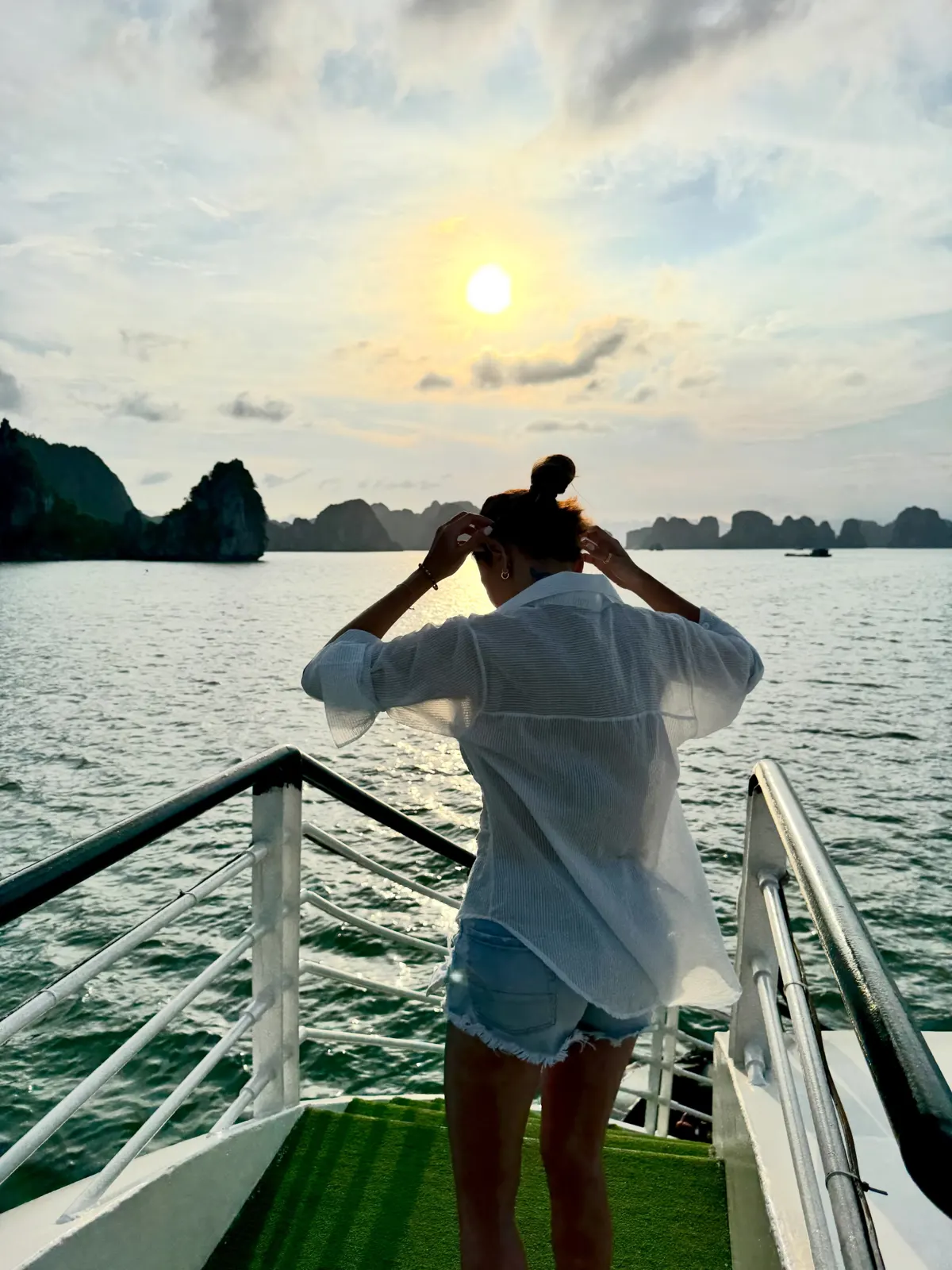
Halong Bay, located in northern Vietnam, is renowned for its dramatic limestone karsts and emerald waters, offering countless opportunities for photography. Whether you are interested in wide-angle landscape shots, close-ups of traditional life, or unique aerial perspectives, the bay provides a rich subject for any camera. This article details some of the most recommended places to visit for capturing memorable images of this UNESCO World Heritage site.
Exploring Halong Bay's Diverse Photographic Settings
Halong Bay was recognized as a UNESCO World Heritage Site in 1994, a testament to its exceptional natural beauty. The region encompasses over 1,600 limestone islands and islets, extending across an area exceeding 1,500 square kilometers. These ancient formations, sculpted by millennia of geological processes, rise majestically from the Gulf of Tonkin, creating a landscape often compared to cinematic scenes. Beyond its prominent status as a tourist hub, the bay supports a rich ecosystem and offers a variety of environments for photography, from expansive marine vistas to intimate cultural encounters.
The photographic potential of Halong Bay extends beyond its geological features. The interplay of light and shadow on the karsts, the reflections on the calm waters, and the daily activities of local communities all contribute to a dynamic visual experience. Understanding the different types of locations available can help photographers plan their itinerary to best suit their artistic vision.
Aerial Perspectives: Views from Above
To truly appreciate the scale and intricate patterns of Halong Bay, capturing images from an elevated position is highly recommended. Several options provide this unique vantage point, each offering a distinct experience and photographic opportunity.
One method involves taking a seaplane flight, which typically offers views from approximately 300 meters above sea level. These flights often include a scenic tour of the bay, sometimes combined with cruise packages. A shorter 25-minute sightseeing flight is also available for those primarily interested in aerial photography. While onboard, passengers can often access internet connectivity, allowing for immediate sharing of images.
For a different kind of elevated view, the Queen Cable Car and the Sun Wheel offer accessible options. The Queen Cable Car connects Bai Chay with Ba Deo Hill, featuring a cable post that reaches nearly 190 meters in height—one of the tallest globally. Each cabin can accommodate up to 230 passengers and is equipped with clear glass windows, providing unobstructed views of the bay below. Adjacent to the cable car, the Halong Sun Wheel, noted as one of the largest observation wheels constructed, also allows for panoramic shots of the surrounding area.
Mountain Peaks for Panoramic Shots
For those who prefer to earn their views through a trek, several mountains in and around Halong Bay provide rewarding panoramic vistas. These locations are particularly appealing to photographers seeking expansive landscape compositions.
Bai Tho Mountain stands over 200 meters tall, centrally located within the bay. The path to its summit can be challenging and is somewhat concealed behind local residences, so seeking guidance from residents is advisable. The ascent typically takes about 30 minutes. From the peak, photographers are rewarded with sweeping views of the bay, making the effort worthwhile for capturing broad scenic images.
Ti Top Mountain is another prominent location for elevated photography, accessible year-round. Approximately 400 steps lead from the beach to a viewing tower at its summit. Along the ascent, there are various points to pause and photograph the surrounding ocean and islands. This spot is often visited by those seeking both tranquility and excellent photo opportunities.
On Cat Ba Island, Butterfly Valley offers a limestone environment popular with climbers and trekkers. While often part of longer hiking routes, this valley provides unique perspectives of the pristine landscape. It is a less frequented spot for photography, offering a chance to capture the area's natural beauty away from more crowded viewpoints.
Coastal and Water-Level Photography
Beyond the elevated views, Halong Bay's charm is also found at sea level, within its traditional communities and natural formations. These areas provide opportunities to capture cultural elements and the intricate details of the bay's geology.
Traditional Fishing Villages
Visiting the traditional fishing villages offers a glimpse into local life and provides unique photographic subjects. These communities live in raft houses that float on the bay's waters, creating a distinctive visual narrative of northern Vietnamese heritage.
Cua Van fishing village is among the more recognized villages in the region. Sheltered from strong ocean currents, it features a network of raft houses interconnected on the water's surface. Photographers can document the daily routines of local fishermen, capturing authentic scenes of their labor and community life.
Vung Vieng fishing village is a smaller community, home to about 50 households and approximately 300 residents, many of whom have maintained a fishing lifestyle for generations. This village offers a rustic setting with wooden boats moored together. Visitors are often welcomed to observe and photograph daily activities, including interactions with children, or even participate in a night fishing excursion that concludes with sunrise photography on the return to shore.
Limestone Caves and Beaches
Halong Bay is also famous for its extensive system of limestone caves and secluded beaches, which present different photographic challenges and rewards. Many tours include visits to these natural wonders, often combined with kayaking trips.
Dau Go Cave, situated on Dau Go Island, is one of the largest caves in the area. Estimated to be around two million years old, it measures approximately 12 meters wide with an entrance gate reaching 17 meters in height. Inside, the cave features colorful lighting that illuminates its stalagmites and stalactites, creating dramatic visual effects for photography.
Just four kilometers from Dau Go Cave lies Thien Cung Cave, covering an expansive area of 10,000 square meters. Both Dau Go and Thien Cung are considered essential stops for first-time visitors to Halong Bay. Thien Cung's interior is filled with a dense array of ancient stalagmite and stalactite formations, offering intricate textures and shapes for detailed photographs.
For coastal scenery, Halong Bay offers serene beaches. Ngoc Vung Beach stretches for 34 kilometers and is less frequented by mass tourism, preserving a more pristine environment. Its clear, emerald waters and diverse marine life provide subjects for nature photography.
Son Hao Beach, located on Quan Lan Island within Bai Tu Long Bay, is another relatively untouched coastal area. The island itself hosts a small village, remaining somewhat secluded from mainstream tourist routes. This makes Son Hao Beach an appealing spot for photographers seeking an idyllic, undeveloped shoreline. Since it is less known, arranging a visit with a local guide might be beneficial for access and navigation. For more options, consider exploring Halong Bay's best beaches for relaxation.
Practical Photography Tips for Halong Bay
To maximize your photography experience in Halong Bay, consider these practical suggestions:
- Lighting: Early morning and late afternoon (sunset) typically offer the softest and most atmospheric light for landscape and portrait photography on cruises. Midday sun can be harsh and create strong shadows.
- Gear: A versatile lens (e.g., 24-70mm equivalent) is useful for capturing both wide landscapes and closer details. A telephoto lens can be beneficial for distant islands or wildlife. Consider a polarizing filter to reduce glare on the water and enhance sky colors.
- Protection: The marine environment can be humid and salty. Protect your camera gear from moisture and consider a waterproof bag or cover, especially if you plan to be near the water or during unexpected rain.
- Composition: Look for leading lines, natural frames, and reflections in the water. The limestone karsts provide excellent opportunities for strong vertical compositions.
- Local Interaction: When photographing people in fishing villages, always seek permission first. A respectful approach often leads to more authentic and compelling portraits.
- Battery Life: Ensure you have spare batteries and memory cards, especially for longer excursions or multi-day cruises, as charging opportunities might be limited.
- Aerial Photography: If using a drone, be aware of local regulations regarding drone operation, which may require permits or restrict flight zones.
Halong Bay presents a wealth of photographic opportunities, from its grand geological formations to the quiet rhythms of local life. By planning your locations and considering these tips, you can capture the essence of this remarkable destination.
Frequently Asked Questions
What is the best time of year for photography in Halong Bay?
The cooler, drier months from October to April generally offer clearer skies and more stable weather conditions, which are ideal for photography. However, the misty conditions during spring (March-April) can also create atmospheric, ethereal images, especially for wide landscapes.
Are there any restrictions on drone photography in Halong Bay?
Regulations regarding drone usage in Vietnam can vary and are subject to change. It is advisable to research the latest local laws and obtain any necessary permits before flying a drone in Halong Bay to avoid issues.
What kind of photography equipment is recommended for Halong Bay?
A camera with manual controls, a wide-angle lens for landscapes, and a telephoto lens for distant subjects are highly recommended. A tripod can be useful for low-light conditions or long exposures, and a polarizing filter helps manage reflections on the water. Don't forget extra batteries and memory cards.
Can I photograph the local people in the fishing villages?
Yes, but it is crucial to approach with respect. Always ask for permission before taking photographs of individuals, especially children. A smile and a polite gesture can go a long way in establishing rapport. Many locals are accustomed to visitors and are generally welcoming.
How can I protect my camera gear from the marine environment?
The humidity and potential for sea spray in Halong Bay necessitate protective measures. Use a waterproof or weather-sealed camera bag. Consider a rain cover for your camera and lenses, and carry microfiber cloths to wipe away any moisture. Keeping silica gel packets in your camera bag can also help absorb humidity.








