
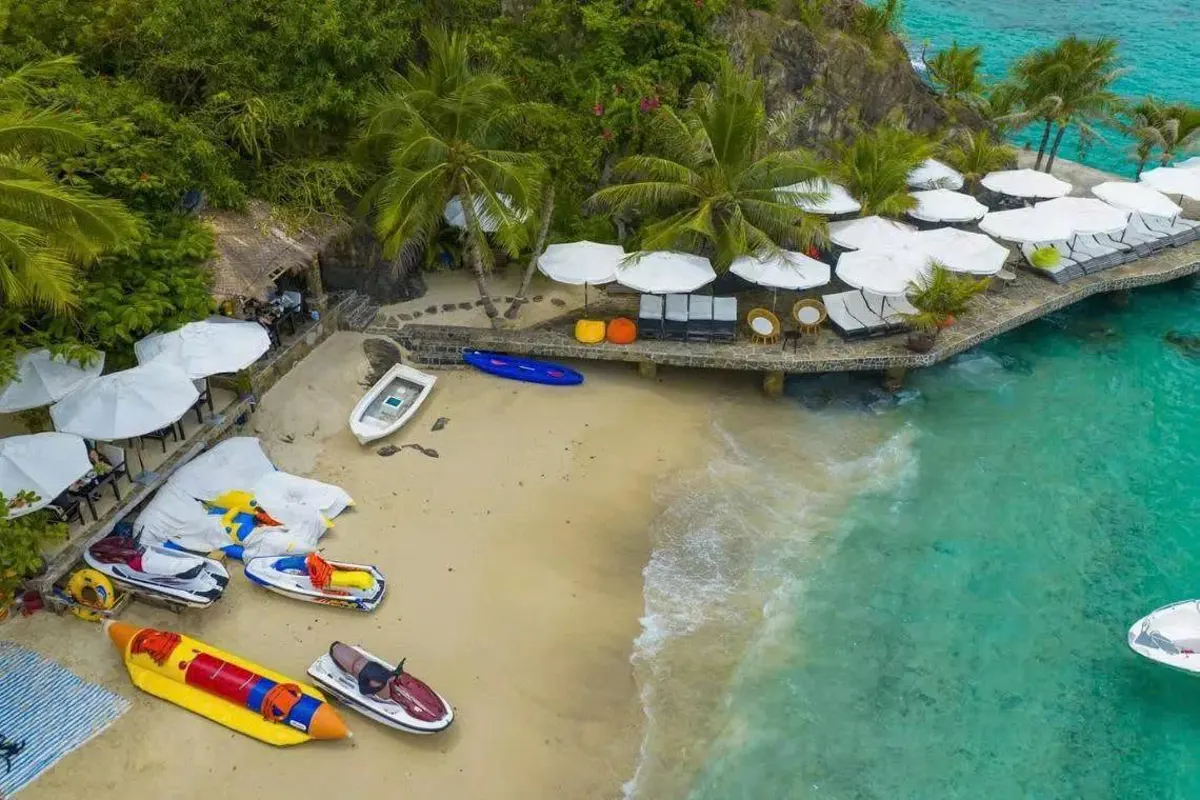
Nha Trang, a well-known coastal destination in Vietnam, is celebrated for its expansive shoreline and a wide array of aquatic pursuits. Swimming stands out as a particularly favored activity, offering an accessible and enjoyable way to experience the city's natural beauty. Visitors can find many locations suitable for a refreshing dip in the ocean, often at a reasonable cost.
Nha Trang's Coastal Allure for Swimmers
The beaches of Nha Trang are recognized internationally, having been listed among the world's most appealing coastlines. For many travelers, experiencing the ocean here is a primary reason to visit. The waters typically feature gentle currents and comfortable temperatures, making them suitable for individuals of all swimming proficiencies, from beginners to experienced ocean swimmers. The general environment for swimming in Nha Trang is considered secure, allowing guests to appreciate the scenic coastlines and surrounding hills. While numerous beaches are available, it is advisable to select locations where lifeguards are present for added safety. The period from February to November is generally recommended for swimming, as it helps avoid potentially hazardous underwater currents.
Beyond simply swimming, Nha Trang provides a diverse range of other water-based activities. These include boat excursions, snorkeling, scuba diving, personal watercraft rentals, and parasailing. The city also boasts a reputation for its local culinary offerings, particularly its fresh seafood, which is often praised for its quality, taste, and affordability.
Premier Beaches for Aquatic Enjoyment
Nha Trang offers several distinct beaches, each with its own character, catering to different preferences for aquatic recreation. From serene, shallow waters to lively city-center shores, options abound for visitors seeking to spend time by the sea. Understanding the unique features of each location can help travelers choose the ideal spot for their activities.
Doc Let Beach
Situated approximately 45 kilometers north of Nha Trang, Doc Let Beach is characterized by its exceptionally calm and clear water. The ocean here remains quite shallow, often reaching only waist-height, making it particularly suitable for families with younger children or those who prefer a gentler swimming experience. The beach features soft sand and consistently pleasant weather throughout the year. Doc Let is also a favored location for group activities, such as beach games and overnight camping.
Bai Dai Beach
Located around 30 kilometers from the central area of Nha Trang and about 10 kilometers from Cam Ranh airport, Bai Dai Beach maintains a relatively untouched quality due to its more secluded position. This kilometer-long stretch of shore boasts smooth white sand and clear blue water, with a depth that is considered ideal for swimming. The most favorable time for swimming at Bai Dai Beach is from September to May, when the water is warm and transparent, and the waves are mild. In addition to swimming, visitors can engage in activities like personal watercraft operation, parasailing, and observing marine life from glass-bottom basket boats.
Nha Trang Beach
Unique among Vietnamese beaches, Nha Trang Beach is directly integrated into the city's urban landscape. This extensive seven-kilometer coastline forms a gentle curve, where the land meets the ocean, presenting waters often described as turquoise. The weather conditions are typically favorable, and the waves are generally not excessively high, making it an excellent spot for swimming. The beach also supports various other water sports, including paragliding, flyboarding, and personal watercraft use. Its central location provides convenient access to public parks, city squares, dining establishments, accommodations, and nightlife venues.
Bai Duong Beach
Found about 1.5 kilometers north of the primary bridge on Tran Phu Street and 5 kilometers from the city center, Bai Duong Beach extends for two kilometers. This beach is known for its peaceful and relaxed atmosphere. Despite its smaller size, it is recognized for being clean and tranquil, offering an ideal setting for those seeking a quiet swimming experience close to urban amenities.
| Beach Name | Location Relative to City Center | Water Characteristics | Ideal Swimming Period | Additional Activities |
|---|---|---|---|---|
| Doc Let Beach | ~45 km North | Calm, clear, shallow (waist-deep) | Year-round (cool weather) | Team building, overnight camping |
| Bai Dai Beach | ~30 km from City, 10 km from Cam Ranh Airport | Pristine, clear blue, ideal depth | September to May (warm, clear, gentle waves) | Jet skiing, parasailing, coral viewing (glass-bottom boat) |
| Nha Trang Beach | City Center | Turquoise, moderate waves | Generally good weather | Paragliding, flyboarding, jet skiing |
| Bai Duong Beach | ~5 km North | Quiet, clean, peaceful | Not specified (implied year-round) | Relaxing, gentle swimming |
Beyond Swimming: Other Water Sports and Local Cuisine
While swimming is a central attraction, Nha Trang's coastal environment supports a broader spectrum of water-based recreation. Visitors can choose from activities such as guided boat trips that explore nearby islands, snorkeling excursions to observe underwater ecosystems, and scuba diving for deeper marine exploration. For those seeking more adventurous options, personal watercraft rentals, parasailing, and even flyboarding are commonly available along the main beaches. These activities provide different perspectives on the city's aquatic offerings, catering to various levels of thrill-seeking.
Complementing the water sports, Nha Trang's culinary scene is a significant draw. The city is particularly renowned for its fresh seafood, which is caught locally and prepared in a multitude of traditional Vietnamese styles. Dining experiences often highlight the quality and affordability of these dishes, ranging from grilled fish and shellfish to elaborate seafood hotpots. Exploring the local food markets and restaurants is an integral part of the Nha Trang experience, offering a taste of regional flavors that are as appealing as the coastal scenery. When planning a trip to Vietnam, considering essential souvenirs and unique purchases can enhance the travel experience.
Seasonal Considerations for Water Enthusiasts
Understanding the seasonal weather patterns in Nha Trang is crucial for planning water-related activities. The period from February through November is generally considered the most favorable for swimming and other aquatic pursuits. During these months, the weather is typically stable, and the ocean conditions are calm, reducing the likelihood of strong undertows that can pose risks to swimmers. However, for an exceptionally pleasant experience, March and April are often highlighted as the ideal months, offering particularly agreeable temperatures and clear waters.
Conversely, the period from mid-October to January should be approached with caution for water activities. This timeframe marks the heavy rain season, which can bring frequent downpours, often occurring in the late afternoon or early morning. Furthermore, thunderstorms accompanied by strong winds are possible, creating potentially hazardous conditions for swimming and other water sports. Travelers planning a visit during these months should be prepared for potential disruptions to outdoor plans and monitor local weather forecasts closely.
Practical Advice for Enjoying Nha Trang's Waters
To ensure a pleasant and safe experience while enjoying the coastal offerings of Nha Trang, a few practical considerations are helpful. Firstly, always prioritize safety by choosing beaches that have designated lifeguards, especially if you are not a strong swimmer or are traveling with children. While many areas are generally safe, being mindful of local conditions and official advisories is always prudent. Additionally, remember to protect yourself from the sun by using sunscreen, wearing appropriate headwear, and seeking shade during peak hours.
Beyond swimming, make an effort to explore the diverse range of water activities available, such as snorkeling or parasailing, to fully appreciate the marine environment. Do not overlook the opportunity to sample the local seafood, which is a highlight of the region's gastronomy. For any health-related concerns during your stay, it is useful to be aware of healthcare services in Nha Trang and Khanh Hoa province. By keeping these tips in mind, visitors can maximize their enjoyment of Nha Trang's beautiful beaches and aquatic attractions.
Frequently Asked Questions
Is swimming generally safe in Nha Trang?
Swimming in Nha Trang is widely considered safe, particularly on beaches where lifeguards are present. The waters are typically calm, and the city's coastal areas are popular for aquatic activities. However, visitors should always exercise caution, be aware of their surroundings, and adhere to any local safety advisories.
What is the most favorable period for swimming in Nha Trang?
The best time for swimming in Nha Trang generally extends from February to November. Within this period, March and April are often highlighted as offering the most ideal conditions, with pleasant weather and clear water. It is advisable to avoid the heavy rain season, which typically runs from mid-October to January, due to potential strong winds and undertows.
Are there other activities besides swimming in Nha Trang?
Yes, Nha Trang offers a wide array of water-based activities beyond just swimming. These include boat tours, snorkeling, scuba diving, jet skiing, parasailing, and flyboarding. The city is also celebrated for its fresh and reasonably priced local seafood, providing a comprehensive experience for visitors.
How accessible are Nha Trang's main beaches?
Nha Trang features beaches with varying levels of accessibility. Nha Trang Beach is centrally located within the city, offering easy access to urban amenities like parks, restaurants, and hotels. Other beaches, such as Bai Duong, are also relatively close to the city center, while Doc Let and Bai Dai beaches are situated further north and south, respectively, requiring a short journey to reach.








