
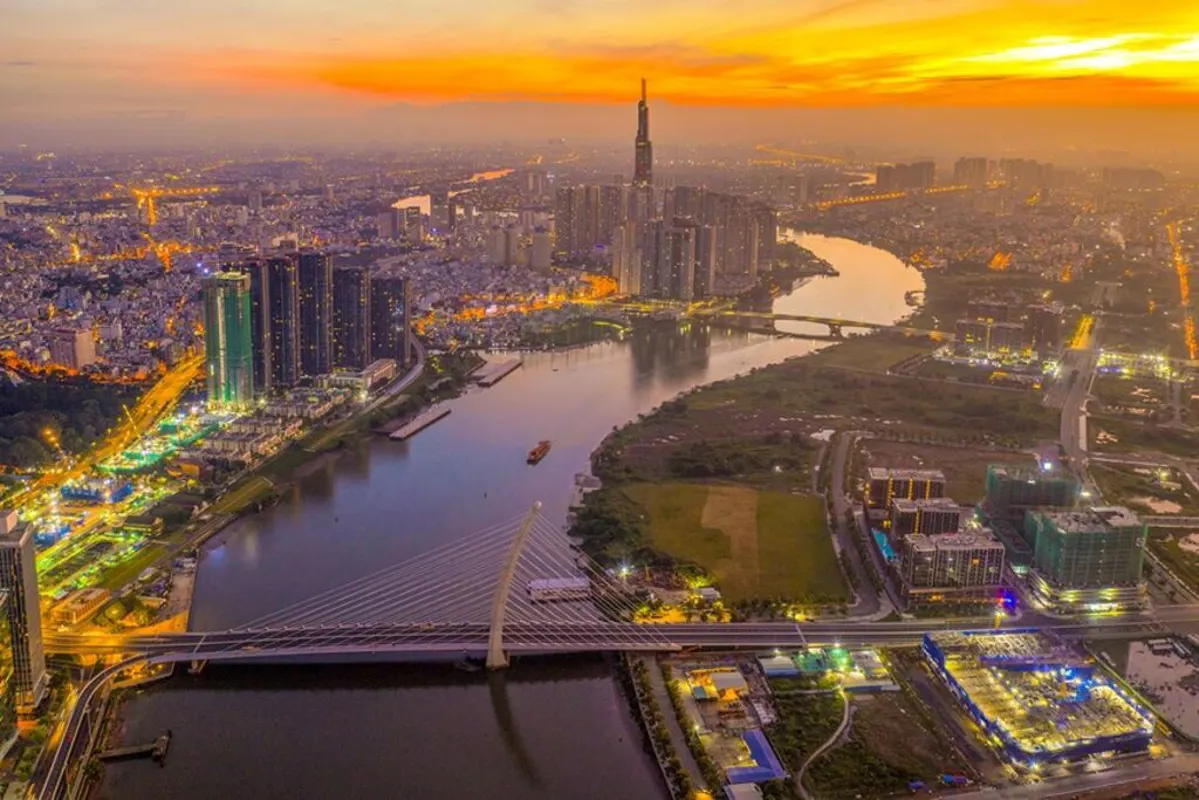
Ho Chi Minh City, often referred to as Saigon, offers a wide array of international culinary options, and Japanese ramen is readily available across the metropolis. Visitors exploring areas like District 1 will encounter numerous Japanese eateries serving this popular noodle dish. This guide highlights several establishments where patrons can experience various authentic ramen preparations.
Understanding Ramen in Ho Chi Minh City's Culinary Scene
Ho Chi Minh City has developed into a significant hub for diverse international cuisines, with Japanese food being particularly well-represented. Among the many Japanese dishes available, ramen holds a prominent place, attracting both local residents and international visitors. The city's dining landscape allows for easy access to various ramen styles, from rich tonkotsu broths to lighter shoyu variations.
Many Japanese restaurants have established themselves in key districts, especially District 1, creating a concentrated area where diners can sample different interpretations of this traditional noodle soup. These establishments often strive to replicate authentic Japanese flavors, sometimes even with Japanese chefs at the helm. The popularity of ramen reflects the city's openness to global culinary trends and its capacity to cater to a wide range of palates.
Featured Ramen Establishments in Saigon
For those seeking authentic Japanese ramen in Ho Chi Minh City, several restaurants consistently receive positive attention. These venues offer distinct dining experiences and a variety of ramen types, ensuring options for different preferences. The concentration of these eateries, particularly within District 1, makes it convenient for visitors to explore different flavors. Below is a detailed overview of some notable locations, including their addresses, operating hours, and estimated price ranges. Please note that prices are approximate as of the source publication date (2021/2023) and are subject to change, so verifying current details upon arrival is recommended.
| Restaurant Name | Address | Operating Hours | Price Range (USD / VND) | Notes |
|---|---|---|---|---|
| Ippudo Ramen Restaurant | 31 Thai Van Lung St., Ben Nghe Ward, District 1 | 11 am - 9 pm | $0.88 - $7.25 (20,000 - 165,000 VND) | Global chain, authentic Japanese taste, cozy space. |
| Kohaku Udon Ramen | B3 - 72C Dong Khoi Vincom Center, Le Thanh Ton St., Ben Nghe Ward, District 1 | 10.30 am - 7.30 pm | $1.71 - $19.78 (39,000 - 450,000 VND) | Located in a mall, offers both ramen and udon. |
| Tomidaya Ramen | 8A/1C1 Thai Van Lung, District 1 | 11.30 am - 2 pm; 6 pm - 11.59 pm | $3.96 - $7.47 (90,000 - 170,000 VND) | Known for Shoyu Ramen; closed Thursdays. |
| Osaka Ramen | 18 Thai Van Lung, District 1 | 10 am - 11 pm | $2.86 - $4.84 (65,000 - 110,000 VND) | Japanese-style decor, suitable for small groups. |
| Ramen Tadokoro Shoten | 15A5 Le Thanh Ton, Ben Nghe Ward, District 1 | 11.30 am - 11.59 pm | $4.40 - $8.79 (100,000 - 200,000 VND) | Specializes in various Miso ramen styles. |
| Daichan Ramen | 12B/2A Le Thanh Ton, Ben Nghe Ward, District 1 | 10 am - 11 pm | $0.44 - $7.94 (10,000 - 180,000 VND) | Small alley location, known for Tonkotsu ramen, delivery available. |
| Ramen ENO | 52E Hoang Dieu 2, Thu Duc City | 11 am - 9 pm | $3.97 - $5.30 (90,000 - 120,000 VND) | Japanese chef-owner, original Japanese taste, popular with Japanese residents. |
| Tori Soba Mutahiro Restaurant | 8A/G8B Thai Van Lung, Ben Nghe Ward, District 1 | 6 pm - 2 am | $5.30 - $7.07 (120,000 - 160,000 VND) | Japanese chef-owner, late-night hours, menu in Japanese. |
| Danbo Ramen Shop | 8A/7B1 Thai Van Lung, Ben Nghe Ward, District 1 | 11 am - 3 pm; 5 pm - 1 am | $2.21 - $6.63 (50,000 - 150,000 VND) | International chain, Fukuoka ramen, open late. |
| Ramen Bar Suzuki | 8/5 Le Thanh Ton, Ben Nghe Ward, District 1 | 11 am - 2 pm; 6 pm - 11 pm | $4.42 - $24.29 (100,000 - 550,000 VND) | Award-winning chef, bar on ground floor, larger dining upstairs. |
Exploring Different Ramen Styles and Offerings
The ramen establishments in Ho Chi Minh City present a spectrum of traditional Japanese noodle soup styles, each with its unique characteristics. For instance, Ippudo Ramen, a globally recognized brand with locations worldwide, is noted for serving authentic Japanese flavors. Beyond their signature ramen, they also offer complementary side dishes such as tuna mayo rice, rice with Chashu sauce, and Ippudo chicken fillet, aiming to provide a comprehensive Japanese dining experience. Their focus is on delivering a consistent, high-quality experience within a cozy, wood-furnished setting, though the space is typically intimate, suitable for one or two guests.
Other venues specialize in particular regional ramen types or offer a broader selection. Tomidaya Ramen is highly regarded for its Shoyu Ramen, featuring a broth made from chicken and pig bones simmered for hours, then mixed with soy sauce and lard for a profoundly rich taste. This establishment also serves Tsukemen, a popular style of dipping noodles. Ramen Tadokoro Shoten focuses on Miso ramen, with options such as Hokkaido Miso (known for its salty profile and served with potatoes), Shinshu Miso (a lighter, more approachable flavor, suitable for those new to Japanese cuisine), and Ise Miso (often paired with tempura fried shrimp). Daichan Ramen and Danbo Ramen Shop are recognized for their Tonkotsu ramen, characterized by a thick, creamy pork bone broth, often served with tender slices of pork. Daichan Ramen, though slightly harder to locate in an alley, is celebrated for its rich Tonkotsu soup and offers fried Gyoza dumplings as a recommended side. Danbo Ramen, an international chain, is praised for its truly tasty Fukuoka ramen, including Tonkotsu and Yakibuta ramen, complemented by Japanese soy sauce eggs, chashu, and dried seaweed. Many places also offer alternative dishes like curry rice or fried chicken, providing variety for diners.
Practical Tips for Dining Out in Ho Chi Minh City
When planning a meal at a ramen restaurant in Ho Chi Minh City, considering a few practical aspects can enhance the experience. Many of the listed establishments, particularly those concentrated in District 1, tend to have smaller, more intimate dining areas. This makes them ideal for individuals or small groups of one to three people. For larger parties, it is advisable to check if the restaurant has a second floor or larger seating options, as some do, such as Tori Soba Mutahiro, which provides bigger tables upstairs.
It's also important to note operating hours, as some restaurants have split shifts, closing in the afternoon before reopening for dinner (e.g., Tomidaya Ramen, Danbo Ramen Shop, Ramen Bar Suzuki). Additionally, some may be closed on specific days, with Tomidaya Ramen notably closed on Thursdays. For those seeking late-night dining, establishments like Tori Soba Mutahiro and Danbo Ramen Shop remain open until the early morning hours, catering to a different clientele. Payment is typically in Vietnamese Dong (VND), though some establishments may accept major credit cards. It's always prudent to carry local currency for smaller purchases or at independent eateries. For visitors needing to manage their finances while exploring the city, comprehensive information on banking services in Ho Chi Minh City is readily available.
Cultural Context and Experience
Dining at a Japanese ramen restaurant in Ho Chi Minh City can offer a glimpse into Japanese culinary culture, even far from Japan. Many establishments feature Japanese-inspired decor, often incorporating wooden furniture and traditional elements to create a cozy and authentic atmosphere. Some, like Daichan Ramen, utilize sliding doors and older wooden furnishings, aiming to replicate a traditional Japanese dining environment that transports patrons. Osaka Ramen also provides a small, Japanese-styled setting for an interesting meal.
Several restaurants are owned or managed by Japanese chefs, ensuring that the preparation and flavors adhere closely to Japanese standards. For instance, Ramen ENO, located in Thu Duc City, and Tori Soba Mutahiro in District 1, are both run by Japanese chef-owners, which significantly contributes to their reputation for authentic taste. Ramen ENO is particularly popular among Japanese residents in Vietnam due to its genuine flavors. While some menus might be entirely in Japanese, as reported for Tori Soba Mutahiro, staff are usually available to assist with ordering and provide recommendations. Beyond the food, the experience can include observing chefs at work, especially if seated on the ground floor near the kitchen, adding an interactive element to the meal. After enjoying a satisfying ramen, visitors might consider exploring local markets for unique purchases and souvenirs from Vietnam, or perhaps even consider the diverse dining guide to Phnom Penh for future travel plans.
Frequently Asked Questions
What is the typical price range for ramen in Ho Chi Minh City?
The price for a bowl of ramen in Ho Chi Minh City generally ranges from approximately 20,000 VND to 550,000 VND (about $0.88 to $24.29 USD), depending on the restaurant and the specific dish. Most popular options fall within the 90,000 VND to 200,000 VND range.
Are vegetarian or vegan ramen options available?
The provided source material does not specifically mention vegetarian or vegan ramen options. Ramen traditionally features meat or fish-based broths and toppings. It is recommended to contact individual restaurants directly to inquire about specific dietary accommodations.
Which district has the most ramen restaurants?
District 1 in Ho Chi Minh City appears to have the highest concentration of ramen restaurants mentioned in the source material, particularly along streets like Thai Van Lung and Le Thanh Ton. This area is a central hub for international dining.
Do these ramen restaurants offer delivery services?
Some ramen restaurants, such as Daichan Ramen, are noted to offer food delivery services. For other establishments, it is advisable to check with the restaurant directly or through local food delivery platforms to confirm availability.
Is it necessary to make reservations for ramen restaurants in Ho Chi Minh City?
The source content indicates that some popular ramen spots, like Tomidaya Ramen, can have lines during peak lunch and dinner hours, suggesting they operate on a first-come, first-served basis. For smaller venues or during busy times, arriving early or being prepared for a short wait might be necessary, though formal reservations are not explicitly mentioned as required.








