
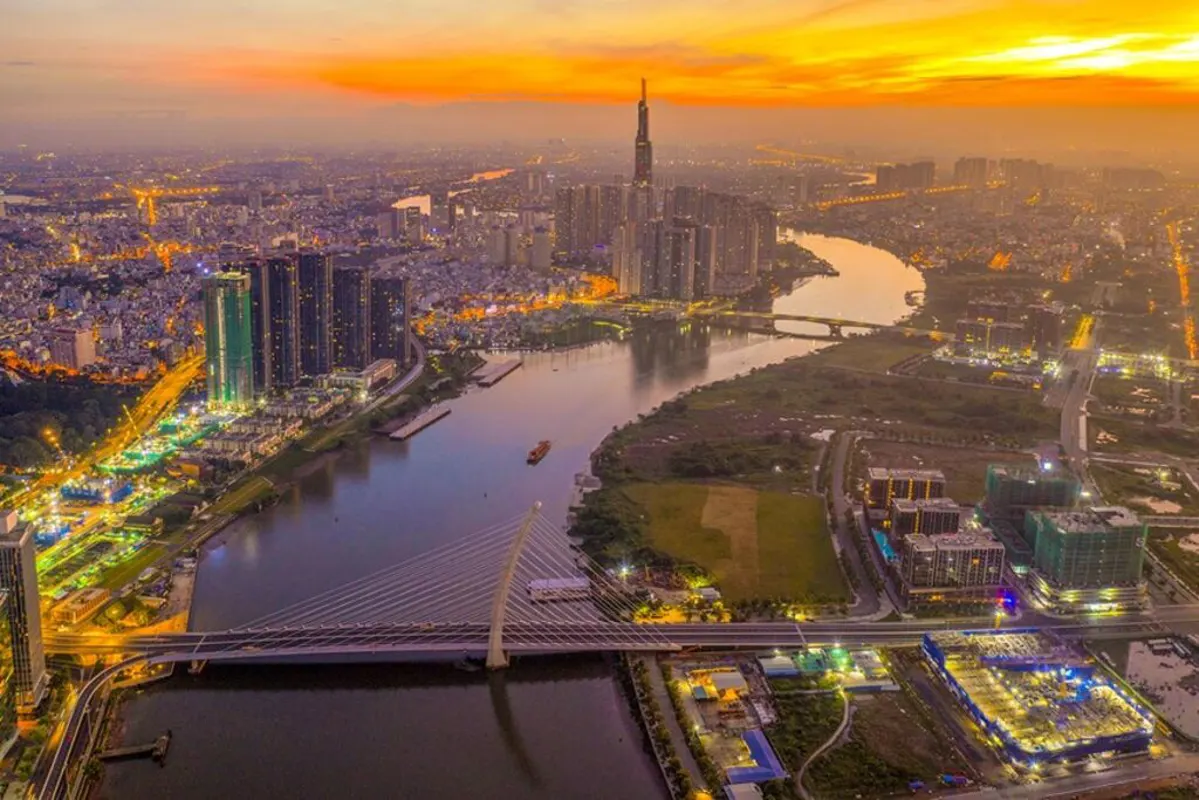
Ho Chi Minh City, often referred to as Saigon, stands as a prominent destination for those traveling through Vietnam, particularly appealing to younger explorers and backpackers. As evening arrives and city lights illuminate the streets, the urban landscape transforms, revealing a different side of its character. Finding appropriate lodging for rest and relaxation is key to enjoying this energetic environment. This guide explores a range of homestay options in Ho Chi Minh City, many of which offer competitive pricing.
Understanding Homestays in Ho Chi Minh City
Homestays in Ho Chi Minh City provide a distinctive alternative to conventional hotels, often characterized by a more personal atmosphere and a chance to experience local living. These accommodations can range from private rooms within a family residence to purpose-built guesthouses designed with a community feel. Many cater to budget-conscious travelers, offering essential amenities and a comfortable base for urban exploration.
Choosing a homestay allows guests to connect with the city's rhythm outside of standard tourist areas, though many are still conveniently located near major attractions. Properties frequently emphasize shared spaces, such as lounges or kitchens, fostering interaction among guests. The design often incorporates local materials and aesthetics, contributing to a unique sense of place.
Featured Homestay Accommodations in Ho Chi Minh City
For travelers planning a visit to Ho Chi Minh City, a variety of homestays offer different amenities and locations. Below is a selection of properties, detailing their addresses, approximate starting prices per person (as of the last update in 2021/2022, subject to change), and notable features. Guests should verify current pricing and availability directly with the establishments.
| Homestay Name | Address | Price From (VND/person) | Key Features |
|---|---|---|---|
| Grandma's Orchid Homestay | District 4, Ho Chi Minh City, Vietnam | 130,000 | Garden views, terrace, free parking, sun deck, private toilet, flat-screen TV, seating area, fully equipped kitchen, shared lounge. Located 2 km from Nha Rong Wharf. |
| The Art - G9 Homestay | 212B/68, Nguyen Trai, Hồ Chí Minh | 400,000 | Eight rooms with private bathrooms, multi-channel TV, kitchenette with fridge and electric kettle. Approximately 5-minute drive to War Remnants Memorial Museum. |
| Cactusland Homestay | 393/30 Tran Hung Dao, Cau Kho ward, District 1 | 450,000 | Six air-conditioned rooms, complimentary Wi-Fi, private bathrooms with toiletries, 24-hour front desk, luggage storage, daily housekeeping, kitchen access. Within 15-minute walk of Pham Ngu Lao Backpacker Area. |
| Nguyen Shack - Saigon Homestay | 145/25A, Nguyen Dinh Chinh, Ward 11, Phu Nhuan district | 550,000 | Designed with wood and bamboo, nature-friendly yet comfortable, spacious, rustic feel. Approximately 3km from city center. |
| Homestay Saigon Lak King Home | Nguyen Huu Canh, Ward 2, Binh Thanh district | 220,000 | 79m² area, luxurious equipment, large and clean kitchen with white cabinets and refrigerator, living room with TV, sports facilities (tennis, mini-golf, badminton, basketball, swimming pool) on the first floor. |
| Homestay Nap Saigon | 3/5 Nguyen Van Phu, Da Kao, District 1, Ho Chi Minh City | 350,000 | Simple, modern design with light cream colors, cozy atmosphere. Three floors: ground floor cafe and kitchen, second floor female dorms, third floor mixed dorms and private rooms. Close to Tan Dinh Market and War Remnants Museum. |
| The Laban | 23 Bui Thi Xuan, Ben Thanh Ward, District 1 | 230,000 | Hotel-style homestay with a cafe, quiet and artistic design, balconies and large windows. Offers dorm and double rooms with terraces. |
| Domino Homestay | 54/2 Nguyen Cu Trinh, District 1, Ho Chi Minh city | 450,000 | Unique architecture inspired by an oasis, quiet space, extensive book collection, brown and yellow color scheme for a cozy feel, bedrooms with large windows and green vines, well-appointed bathrooms. |
| Zion Homestay | Xo Viet Nghe Tinh, Ward 26, Binh Thanh district | 200,000 | Modern design with white and grey, airy with large balcony, clean sheets, large wardrobe, window for natural light, comfortable kitchen with induction hob and hood, high-pressure solar hot water. |
| Springfield Cottage | A16/485R8, Phong Phu, Binh Thanh district | 300,000 | Peaceful countryside setting away from city noise, poetic riverside ambiance, pathways with yellow leaves, fish ponds, lotus scents. |
Choosing the Right Homestay for Your Visit
When selecting a homestay in Ho Chi Minh City, consider your travel priorities. If proximity to major historical sites like the War Remnants Museum or Ben Thanh Market is important, properties in District 1 or nearby areas might be suitable. For those seeking a quieter experience, options slightly further from the city center, such as Springfield Cottage, provide a rural escape.
Budget is another significant factor. Prices vary considerably, with some homestays offering dorm-style accommodation at lower rates, while others provide private rooms with more amenities. Always check what is included in the price, such as Wi-Fi, air conditioning, or breakfast. Additionally, consider the type of atmosphere you prefer; some homestays encourage social interaction, while others offer more secluded spaces.
Practical Advice for Your Ho Chi Minh City Stay
Navigating Ho Chi Minh City can be an exciting part of the travel experience. Public transportation, including buses and ride-sharing apps, is readily available for moving between districts. Many homestays are located within walking distance of local eateries and markets, offering opportunities to sample Vietnamese cuisine and find unique purchases.
It is advisable to carry local currency (Vietnamese Dong) for smaller purchases and street food. For managing larger financial needs, numerous banking services are available throughout the city. You can find comprehensive information on banking services in Ho Chi Minh City for travelers to assist with currency exchange or ATM access. Remember that prices for homestays can fluctuate based on season and demand, so booking in advance is often recommended.
Frequently Asked Questions
What amenities can I expect at a Ho Chi Minh City homestay?
Most homestays in Ho Chi Minh City typically offer essential amenities such as Wi-Fi, air conditioning, and clean bedding. Many also provide shared facilities like kitchens, lounges, and sometimes laundry services. Private bathrooms are common in individual rooms, while dorm-style accommodations may feature shared facilities.
Are homestays in Ho Chi Minh City suitable for solo travelers?
Yes, homestays are often an excellent choice for solo travelers. Many properties offer dorm rooms, which can be a cost-effective option and a good way to meet other travelers. The communal areas often found in homestays also provide opportunities for social interaction and making new acquaintances.
How far in advance should I book a homestay in Ho Chi Minh City?
Booking lead times can vary. During peak travel seasons, such as public holidays or major festivals, it is advisable to book several weeks or even months in advance to secure your preferred accommodation. For off-peak periods, a few days to a week might suffice, but earlier booking always offers more choice.
Can I find homestays with unique themes or designs?
Ho Chi Minh City homestays often feature diverse themes and designs. Some properties, like Nguyen Shack, emphasize natural materials and a rustic aesthetic, while others, such as The Laban, aim to recreate a tranquil atmosphere reminiscent of other regions. Many incorporate modern minimalist styles or traditional Vietnamese elements, offering a range of visual experiences.








