
For travelers planning a brief yet comprehensive visit to Vietnam's capital, a three-day itinerary offers a balanced approach to experiencing Hanoi's rich history, vibrant culture, and the captivating natural beauty of its surrounding areas. This suggested plan combines urban exploration with excursions to significant regional landmarks, providing a diverse overview of northern Vietnam.
The following itinerary outlines a structured approach to touring Hanoi and its environs, ensuring visitors can engage with historical sites, cultural institutions, and renowned natural landscapes within a focused timeframe. It includes recommendations for daily activities, from ancient temples to natural wonders, culminating in evenings filled with local entertainment and market exploration.
A Three-Day Itinerary for Hanoi and Surroundings
A well-structured three-day visit to Hanoi allows for a deep dive into the city's core attractions while also providing opportunities to venture into the remarkable scenery and historical sites located a short distance away. This approach ensures that both the urban charm of Hanoi and the natural grandeur of places like Ninh Binh and Halong Bay are adequately covered.
The proposed schedule balances periods of active sightseeing with moments for cultural engagement, such as observing traditional crafts or enjoying local performances. It is designed to offer a broad perspective on the region's heritage and landscapes, making the most of a limited stay.
Day 1: Exploring Hanoi's Historical and Cultural Core
Begin your Hanoi exploration by visiting some of the city's most revered spiritual and historical sites. The Tran Quoc Pagoda, one of the oldest Buddhist pagodas in the capital, is situated on West Lake. Dating back to the 6th century, this site is recognized as a national heritage, offering insights into Vietnam's past. Following this, proceed to the Ho Chi Minh Mausoleum, the resting place of Vietnam's former president, 'Uncle Ho'. The structure itself is notable, and its construction history presents an interesting narrative. Adjacent to the mausoleum are Ho Chi Minh's house on stilts and the Presidential Palace, which serve as historical backdrops to the complex.
Nearby the Ho Chi Minh Mausoleum stands the One-Pillar Pagoda, erected in 1049. Its distinctive architectural form has made it an important emblem of the capital. To broaden your understanding of Vietnam's diverse population, a visit to the Ethnology Museum is recommended, where exhibits detail the country's 54 ethnic groups. Conclude your historical tour at the Temple of Literature, established in 1070 as Vietnam's first university. This complex features a main zone and gardens, with architectural styles reflecting Vietnam's former educational system. For those interested in Vietnam's temples and pagodas, these sites provide significant context.
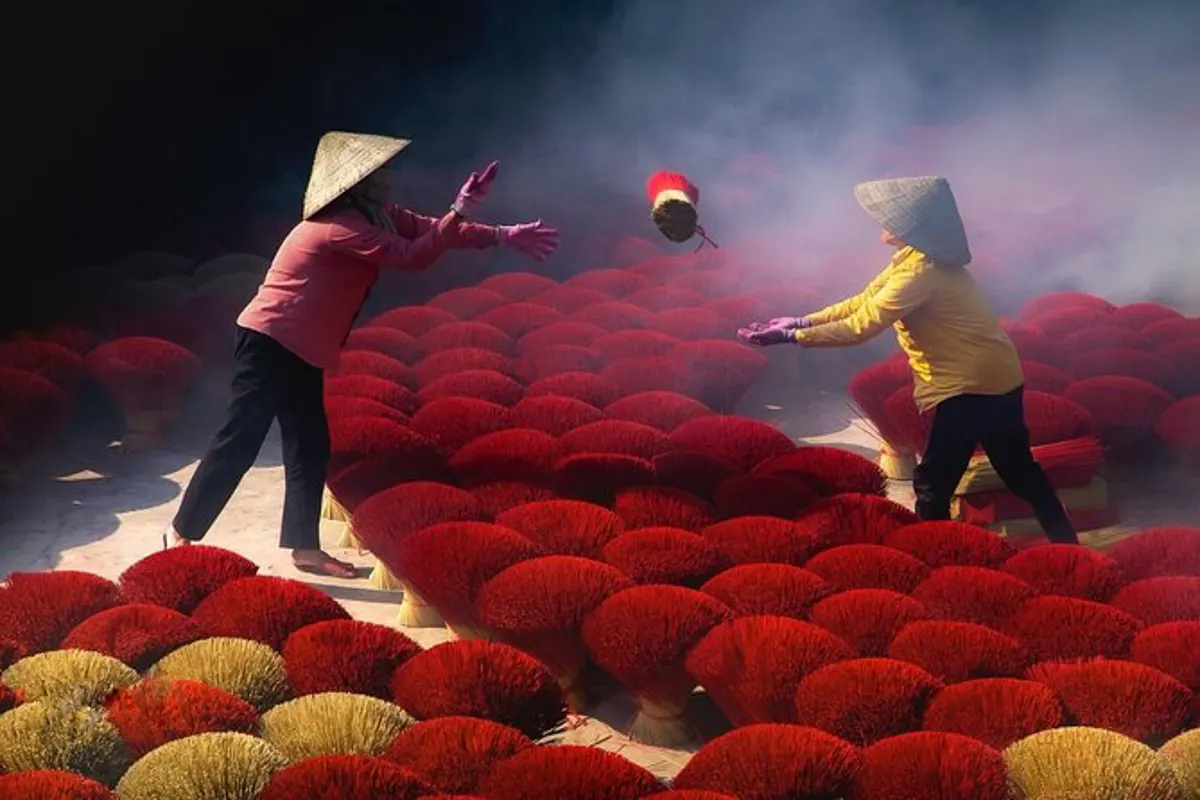
In the late afternoon, experience Hoan Kiem Lake, a central feature of Hanoi associated with a legendary tale that local residents often recount, along with the Ngoc Son Temple located on an island within the lake. For a deeper cultural immersion, consider exploring some of Hanoi's traditional craft villages, such as Bat Trang Ceramic Village, Van Phuc Silk Village, Ha Thai Lacquerware Village, Ha Mo Embroidery Village, Vong Green Sticky Rice Village, and Yen Phu Incense Village. These locations offer a glimpse into the creation of exquisite handmade items. As evening approaches, attending a water puppet show at the Thang Long Theater provides a traditional Vietnamese entertainment experience. A full-day city tour focusing on Hanoi's heritage and culture can be a convenient way to see these sites, with options available from approximately $47 (price current as of source publication date).
Day 2: Journey to Ninh Binh's Ancient Landscapes
On your second day, venture approximately 100 kilometers south of Hanoi to Ninh Binh Province, a region celebrated for its striking natural scenery. The area is often referred to as 'Halong Bay on land' due to its dramatic limestone karsts and waterways. The primary destination here is Tam Coc, known for its three caves: Hang Ca (First Cave), Hang Hai (Second Cave), and Hang Ba (Third Cave). To access and explore these caves, visitors typically board a sampan boat, which is rowed through the waterways, offering views of the surrounding mountains and rice fields.
Following the boat excursion, a visit to Hoa Lu is recommended. This site served as Vietnam's ancient capital during the 10th century. Exploring the temples dedicated to the Dinh and Le dynasties provides insight into this glorious period of Vietnamese history. The historical context of Hoa Lu, combined with the natural beauty of Tam Coc, creates a compelling day trip experience that contrasts with Hanoi's urban environment.
Upon returning to Hanoi in the evening, consider experiencing the city's lively nightlife. The area around the T-junction of Ta Hien, Dinh Liet, and Luong Ngoc Quyen Streets is known as a backpacker hub. Here, visitors can enjoy various entertainment options, including sampling local beer, trying street food, watching street performances, or simply strolling to observe traditional handmade products. For those interested in exploring Vietnam's rural charm, the craft villages mentioned on Day 1 and the landscapes of Ninh Binh offer distinct experiences.
Day 3: A Halong Bay Excursion and Evening Markets
For the final day of your itinerary, an excursion to Halong Bay is highly recommended. Recognized as a UNESCO World Heritage site, Halong Bay is renowned for its captivating limestone formations rising from the emerald waters. It has also gained international recognition through appearances in major films. The most common way to experience this natural wonder is by taking a traditional junk boat cruise, which allows for leisurely navigation through the seascape of limestone islands, clear waters, dense vegetation, and uniquely shaped caves.
Activities during a Halong Bay cruise often include opportunities for kayaking, which provides a closer perspective on the natural environment and allows for exploration of some of the more secluded caves. The combination of water, rock formations, and greenery creates a distinctive natural setting. For a more comprehensive travel experience, considering a tour that includes multiple northern destinations like Halong Bay and Hue can be beneficial, such as a Northern & Central Vietnam Discovery tour.
Upon returning to Hanoi in the late afternoon or early evening, a visit to the Dong Xuan Night Market offers a final opportunity for local shopping and cultural engagement. This market stretches from the beginning of Hoan Kiem Lake towards Hang Duong Street and provides a wide array of goods. Shoppers can find items such as clothing, accessories, souvenirs, paintings, and handmade greeting cards. A multi-day package tour covering northern Vietnam, including Halong Bay, might be available from approximately $280 for a 5-day duration (price current as of source publication date).
Key Attractions and Practical Information
Hanoi and its surrounding regions offer a wealth of historical, cultural, and natural sites. While specific operational details such as exact addresses, phone numbers, opening hours, or individual entrance fees for each location were not provided in the source material, visitors typically find these details readily available through local tourism offices or online resources upon arrival.
- Tran Quoc Pagoda: One of Hanoi's oldest Buddhist pagodas, located on West Lake.
- Ho Chi Minh Mausoleum: The memorial for Vietnam's former president.
- Ho Chi Minh's House on Stilts and Presidential Palace: Historical residences adjacent to the mausoleum.
- One-Pillar Pagoda: An iconic pagoda built in 1049, known for its unique structure.
- Ethnology Museum: Showcases the cultures of Vietnam's 54 ethnic groups.
- Temple of Literature: Vietnam's first national university, established in 1070.
- Hoan Kiem Lake and Ngoc Son Temple: Central Hanoi landmarks with a legendary history.
- Traditional Craft Villages: Includes Bat Trang Ceramic Village, Van Phuc Silk Village, Ha Thai Lacquerware Village, Ha Mo Embroidery Village, Vong Green Sticky Rice Village, and Yen Phu Incense Village, offering insights into local craftsmanship.
- Thang Long Theater: A venue for traditional water puppet shows.
- Ninh Binh Province (Hoa Lu & Tam Coc): A region south of Hanoi featuring ancient capital ruins and scenic boat trips through limestone karsts.
- Halong Bay: A UNESCO World Heritage site known for its dramatic limestone islands and caves, typically explored via boat cruise.
- Dong Xuan Night Market: An evening market in Hanoi offering various goods and local products.
Planning Your Hanoi Visit: Tips and Considerations
When planning your visit to Hanoi, consider the logistics of moving between the city and its day-trip destinations. For urban travel, various options exist, including taxis, ride-sharing services, and cyclos for shorter distances. For excursions to Ninh Binh and Halong Bay, organized tours often include transportation, simplifying the journey. It's advisable to verify tour inclusions and travel times, especially for day trips that involve significant distances.
Understanding local customs and etiquette can enhance your experience. While Hanoi is a modern city, respect for historical and religious sites is appreciated. Dress modestly when visiting pagodas and temples. For general travel preparation, reviewing practical advice for a smoother trip to Vietnam can be beneficial. Additionally, researching the best times to visit Vietnam can help you choose the ideal period for your trip, considering weather patterns and seasonal events.
Frequently Asked Questions
How much time is ideal for Hanoi?
A three-day itinerary provides a good balance for exploring Hanoi's primary city attractions and allows for significant day trips to nearby natural and historical sites like Ninh Binh and Halong Bay. While more time would permit deeper exploration, three days offers a comprehensive overview.
What are the main historical sites in Hanoi?
Key historical sites in Hanoi include the Tran Quoc Pagoda, Ho Chi Minh Mausoleum complex (including his house on stilts and the Presidential Palace), the One-Pillar Pagoda, the Ethnology Museum, and the Temple of Literature. These locations collectively tell the story of Vietnam's past and cultural development.
Can I visit Halong Bay and Ninh Binh as day trips from Hanoi?
Yes, both Halong Bay and Ninh Binh are popular day trip destinations from Hanoi. Organized tours typically provide transportation and guided experiences, making it feasible to visit these areas within a single day from the capital, although they involve early starts and late returns.
What kind of traditional crafts can I find in Hanoi?
Hanoi and its surrounding villages are known for various traditional crafts. Visitors can find ceramics from Bat Trang, silk products from Van Phuc, lacquerware from Ha Thai, embroidery from Ha Mo, green sticky rice from Vong, and incense from Yen Phu. These crafts offer authentic souvenirs and insights into local artistry.
Is a water puppet show a good evening activity?
Yes, a water puppet show at the Thang Long Theater is considered a classic and enjoyable evening activity in Hanoi. It is a traditional Vietnamese art form that uses puppets on a water stage, accompanied by live music, offering a unique cultural entertainment experience suitable for all ages.








